Climb (6,091m), Fully Guided Climb and Guide-to-Client Ratio
-
Annapurna Region, Nepal
-
6,091 m / 19,984 ft (Summit)
-
Challenging - Strenuous
-
April-May, October-November
-
18 Days / 17 Nights
-
Private vehicle and domestic flights
-
Hotel / Lodge / Tent
-
Breakfast, lunch, and dinner during the trek
<strong>Who we are</strong> Our website address is: <a href="http://www.alpinetrav.com" target="_new" rel="noopener">http://www.alpinetrav.com</a>. <hr /> <strong>What personal data we collect and why we collect it</strong> <h3>Plugin Data Collection and Compliance</h3> This website uses plugins that may store personal information. These plugins comply with GDPR regulations and are designed to manage and protect your data securely. Below are details on what data may be collected and why: <ol> <li><strong>Contact Forms</strong> <ul> <li>When you use contact forms, the plugin may collect your name, email, and other necessary details to provide responses to your inquiries.</li> <li>This data is stored to enable us to respond to your messages effectively and is retained only as long as necessary for communication.</li> </ul> </li> <li><strong>Comments and Spam Detection</strong> <ul> <li>Comments on the site collect data shown in the form, as well as the visitor’s IP address and browser user agent string to assist in spam detection.</li> <li>This data may also be shared with an automated spam detection service.</li> </ul> </li> <li><strong>Cookies and Data Storage</strong> <ul> <li>Some plugins may set cookies to improve user experience, such as storing login information or remembering preferences. These cookies comply with GDPR standards and expire after a set period or upon logging out.</li> <li>Cookies specifically used by these plugins do not collect personal data unless explicitly mentioned.</li> </ul> </li> <li><strong>Embedded Content</strong> <ul> <li>Embedded content from third-party websites may behave as if the visitor has visited those external websites. These third-party sites might collect data and track your interaction as per their policies.</li> </ul> </li> <li><strong>Analytics</strong> <ul> <li>Some plugins may collect anonymous analytics to improve site performance. However, no personal information is stored unless explicitly noted, and all data complies with GDPR standards.</li> </ul> </li> </ol> <h3>How Long We Retain Your Data</h3> The collected data is stored only as long as necessary for the intended purposes, such as for communication or to improve the site experience. This may vary based on the plugin and specific regulatory requirements. <h3>What Rights You Have Over Your Data</h3> Under GDPR, you have the right to: <ul> <li>Access: Request a copy of the personal data we hold.</li> <li>Rectification: Correct any data we hold about you that is incorrect.</li> <li>Erasure: Request the deletion of your data, provided it is no longer necessary for regulatory or operational purposes.</li> </ul> For requests, please contact us using the information in our Contact section below. <hr /> <strong>Where We Send Your Data</strong> Visitor comments may be checked through an automated spam detection service. Some plugins may also send anonymized data to third parties as part of analytics or performance monitoring. <strong>How We Protect Your Data</strong> All data managed by this website and its plugins is stored securely. We ensure our plugins meet industry standards for encryption and data protection. We also regularly update our website to prevent unauthorized access.
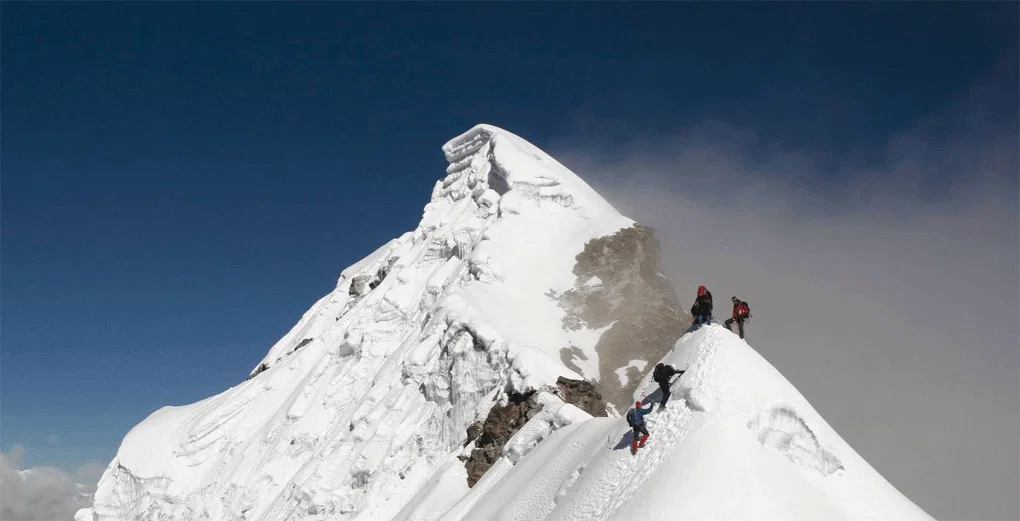
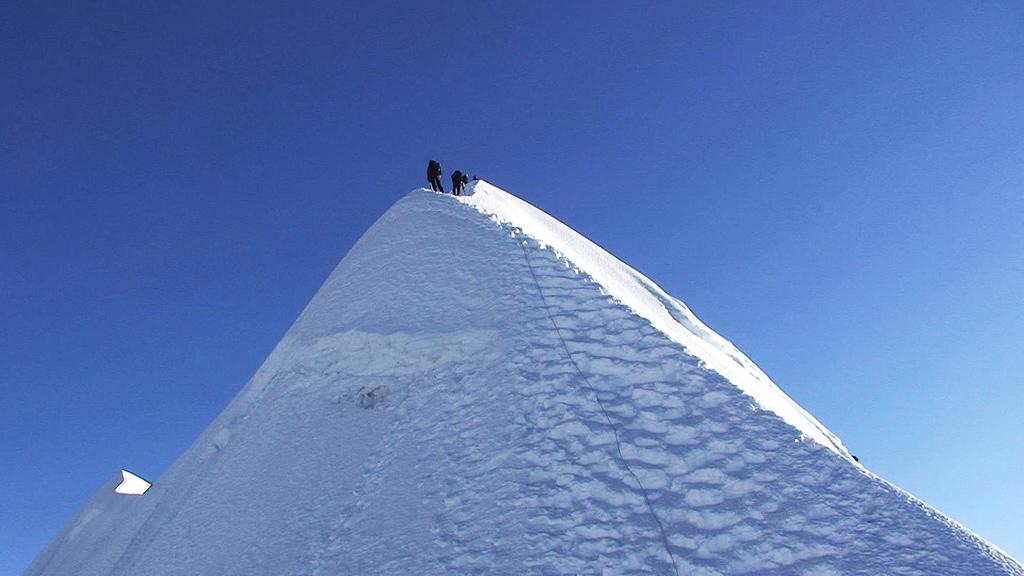
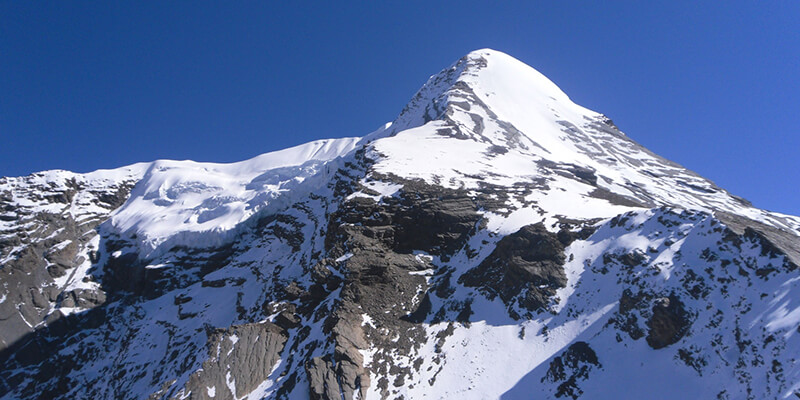
Pisang Peak Climbing (6,091 m) is an exciting Himalayan mountaineering adventure in the Annapurna region
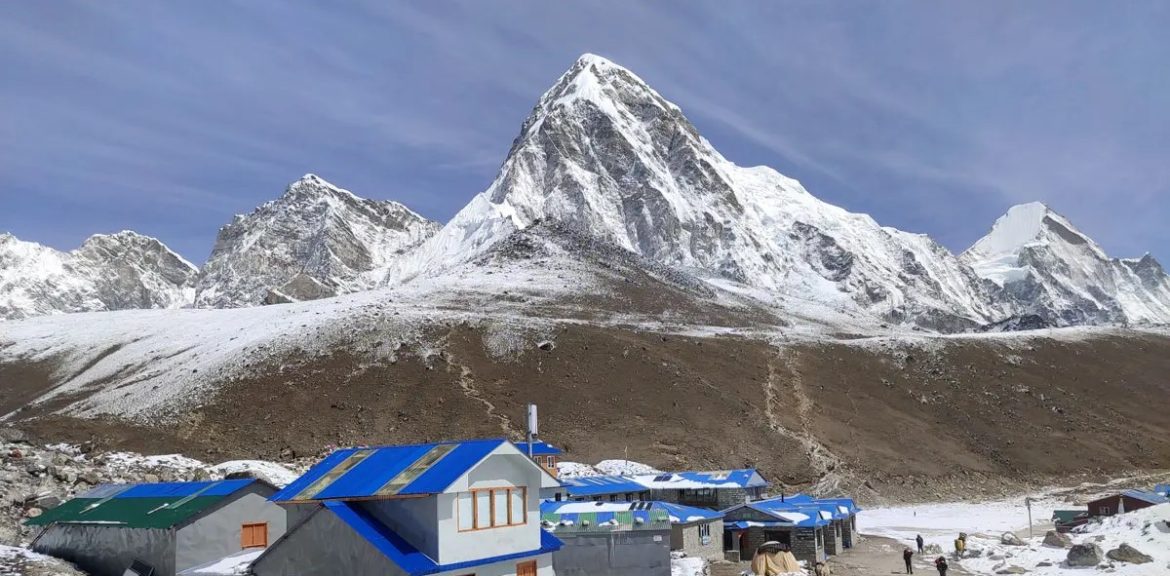
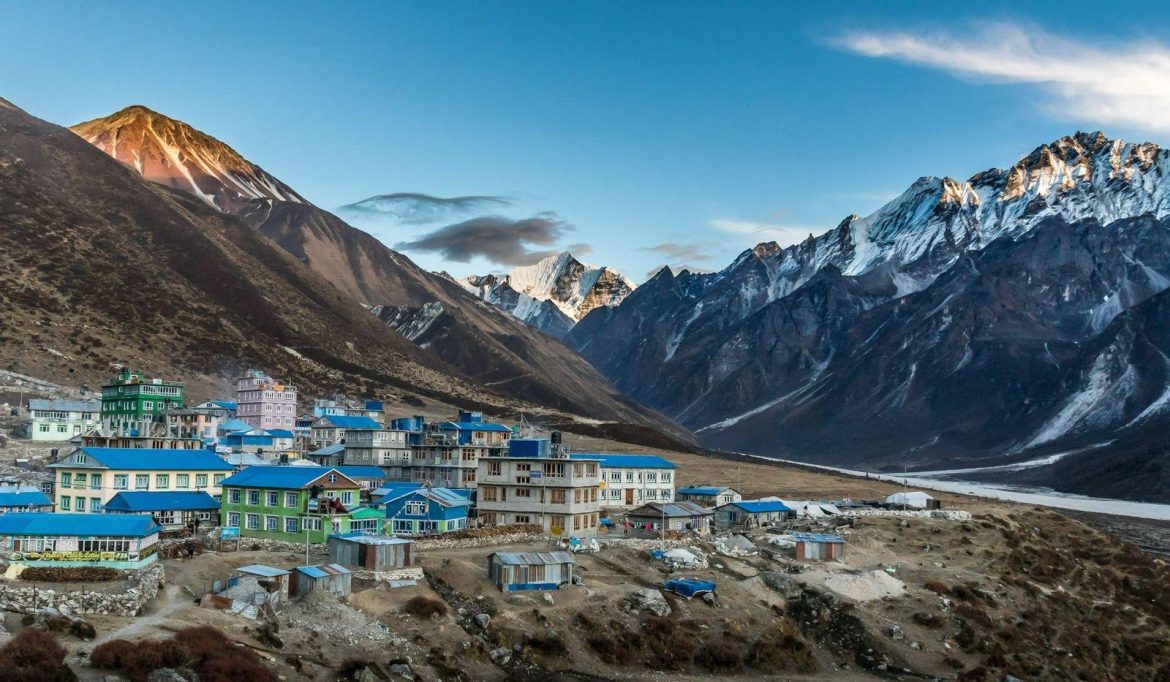
The Pisang Peak Climbing (6,091 m) is an exciting Himalayan mountaineering adventure in the Annapurna region of Nepal, located above Upper Pisang village in Manang District. This expedition combines trekking through the beautiful Annapurna region with a high-altitude climbing experience. The journey begins in Kathmandu and continues through Dharapani, Chame and Upper Pisang, passing traditional villages, green forests, river valleys, Buddhist monasteries and spectacular mountain landscapes.
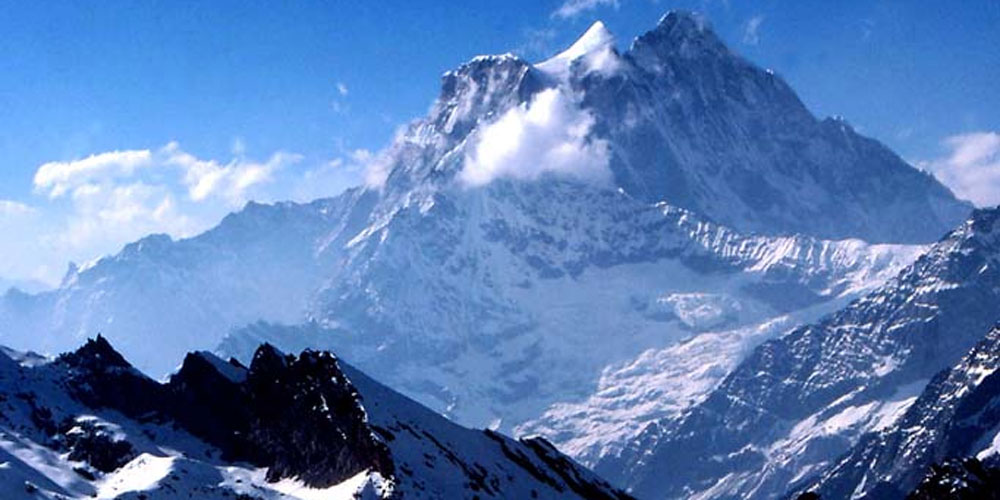
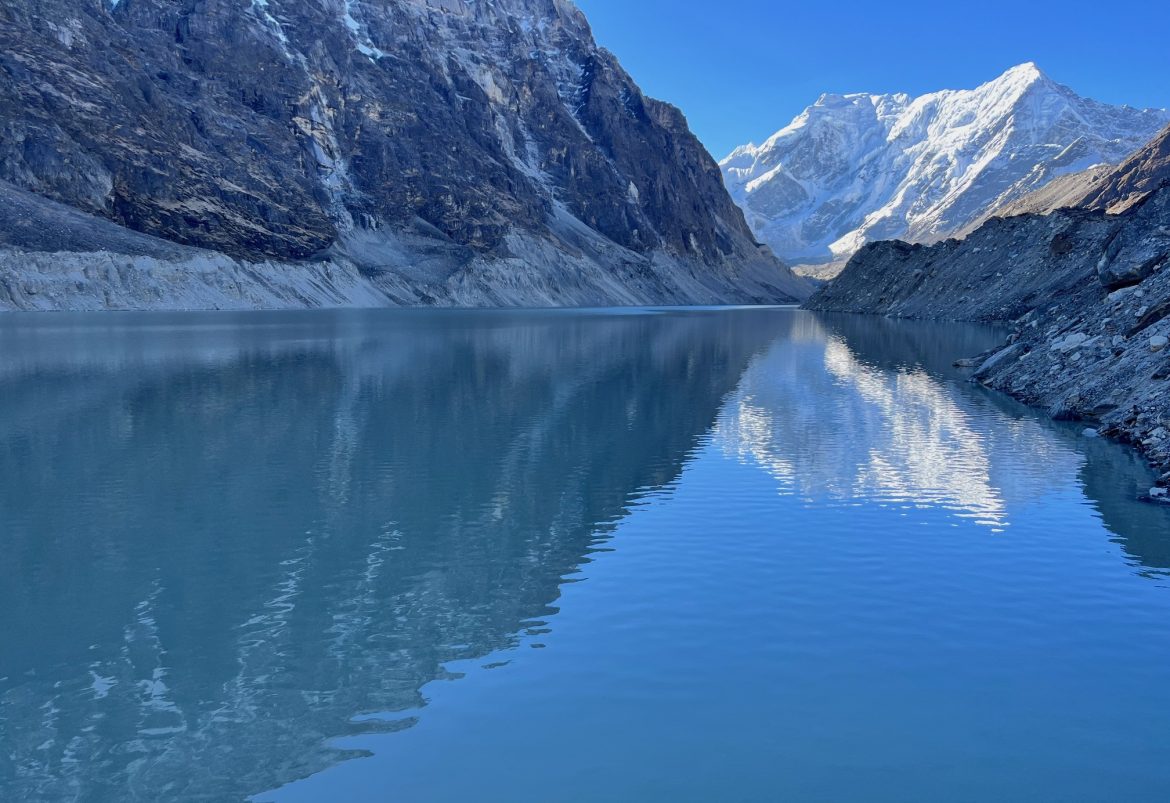
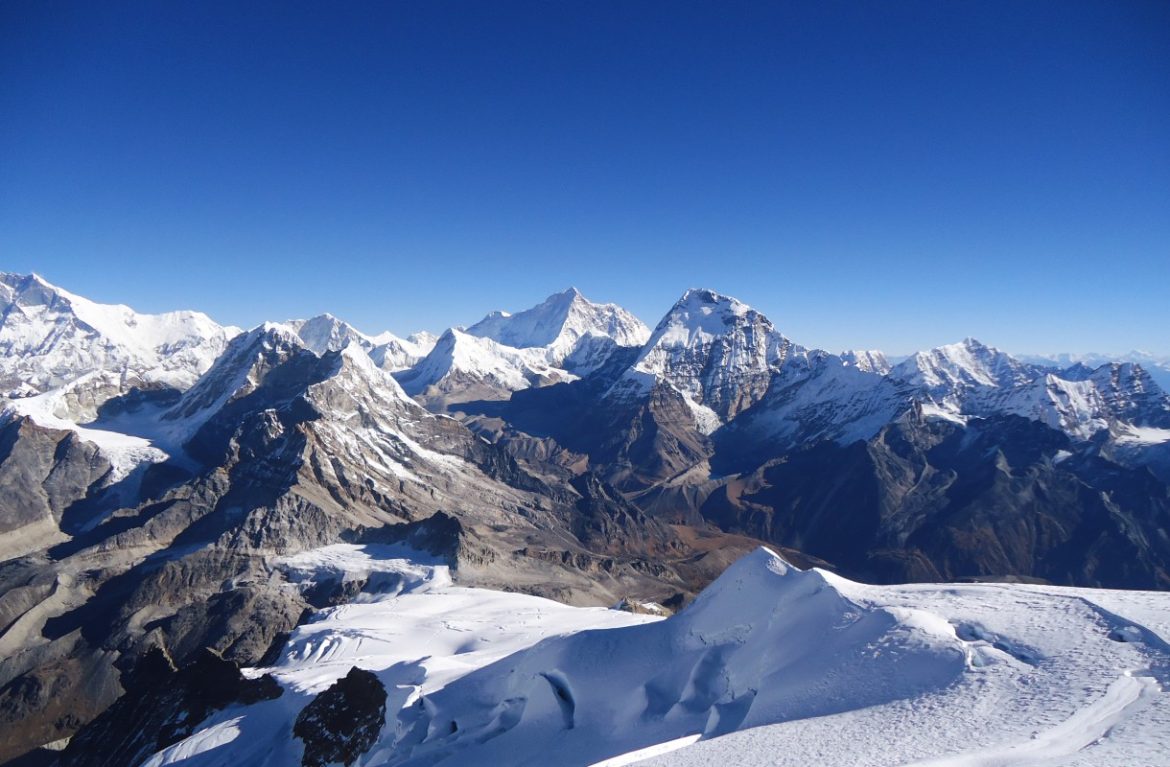
During the expedition, you can enjoy magnificent views of Annapurna I (8,091 m), Annapurna II (7,937 m), Annapurna III (7,555 m), Annapurna IV (7,525 m), Gangapurna (7,454 m), Tilicho Peak (7,134 m), Lamjung Himal (6,932 m), Chulu East (6,584 m), Chulu West (6,419 m) and Pisang Peak (6,091 m). The route also offers opportunities to experience the traditional culture, Buddhist heritage and warm hospitality of the Manang region.
Our Pisang Peak Climbing package includes essential expedition arrangements such as an experienced climbing guide, trekking support staff, accommodation, meals during the trek, transportation, required permits and climbing logistics. The itinerary also includes suitable acclimatization arrangements and a professionally managed climbing period. After the expedition, the journey can continue through Manang and Thorong La Pass (5,416 m) towards Muktinath and Jomsom, completing a memorable Himalayan adventure.
Pisang Peak is a challenging high-altitude expedition suitable for trekkers with appropriate mountaineering experience and good physical preparation. AlpineTrav Treks & Expeditions provides organized expedition services, experienced local support and carefully planned arrangements to make your journey as safe, comfortable and enjoyable as mountain conditions allow.
Trip Highlights
- Climb Pisang Peak (6,091 m), a beautiful Himalayan trekking peak in the Annapurna region.
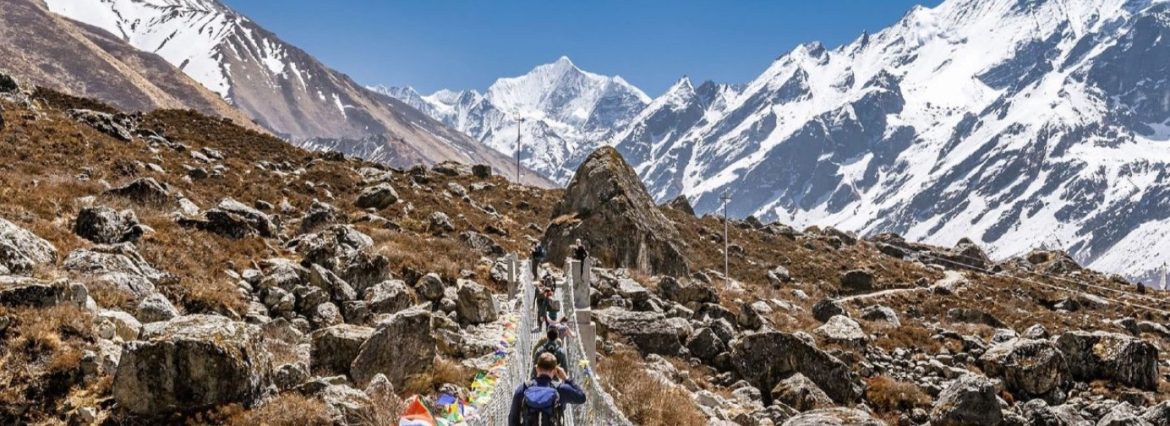
- Explore the spectacular Annapurna Circuit and the scenic Marsyangdi Valley.
- Enjoy breathtaking views of Annapurna I (8,091 m), Annapurna II (7,937 m), Annapurna III (7,555 m) and Annapurna IV (7,525 m).
- Admire panoramic mountain views of Gangapurna (7,454 m), Tilicho Peak (7,134 m) and Lamjung Himal (6,932 m).
- Experience traditional Himalayan villages, Buddhist monasteries and local mountain culture.
- Trek through beautiful pine forests, alpine landscapes and high mountain valleys.
- Explore Upper Pisang and the culturally rich Manang region.
- Experience a professionally guided high-altitude mountaineering expedition.
- Enjoy the spectacular scenery of the Annapurna Conservation Area.
- Cross the famous Thorong La Pass (5,416 m) as part of the extended itinerary.
- Visit the sacred pilgrimage destination of Muktinath (3,710 m).
- Experience a memorable combination of Himalayan trekking, mountain scenery and mountaineering adventure.
Climbing Package Cost:
- The trip price listed above is an estimate and may vary depending on your group size, preferred services, and travel requirements. We offer special discounts for larger groups and customized prices for private departures. Contact AlpineTrav with your travel dates and group size for a personalized quotation.
Standard 18-Day Itinerary
Upon arrival at Tribhuvan International Airport in Kathmandu, our AlpineTrav representative will warmly welcome you and transfer you to your hotel. After checking in, you can relax and recover from your journey. If time permits, enjoy a short walk around the city and experience the lively atmosphere of Nepal's capital.
Today, explore some of Kathmandu's famous cultural and historical attractions, including ancient temples, stupas and traditional heritage sites. Later, you meet your expedition guide for a detailed trip briefing, equipment inspection and final preparation for the Pisang Peak expedition.
After breakfast, you begin your scenic drive towards Dharapani, travelling through beautiful countryside, river valleys, terraced farmland and traditional villages. Enjoy the changing landscapes along the route as you enter the Annapurna region. The journey takes approximately 8–10 hours, depending on road conditions.
Today, you will continue along the Marsyangdi River Valley towards Chame, the district headquarters of Manang. The trail passes through beautiful pine and rhododendron forests, small settlements and impressive mountain landscapes. Enjoy the peaceful surroundings and views of the Annapurna range. Walking time is approximately 5–6 hours.
After breakfast, continue towards Upper Pisang, following a scenic mountain trail through forests, traditional villages and impressive rocky landscapes. As you approach Upper Pisang, enjoy magnificent views of Annapurna II, Pisang Peak and the surrounding Himalayan mountains. Walking time is approximately 5–6 hours.
This period is allocated for acclimatization and the professionally supervised Pisang Peak climbing expedition. The expedition team manages the necessary arrangements according to weather conditions, mountain safety and individual acclimatization. The climbing schedule and camp arrangements are confirmed by qualified mountain guides.
After completing the expedition and safely descending from the mountain, continue towards Manang. Enjoy the beautiful landscapes of the Annapurna region, traditional Himalayan settlements and spectacular views of the surrounding peaks. Manang is an important village along the Annapurna Circuit and offers an opportunity to rest and recover.
After breakfast, you continue towards Yak Kharka, following the upper Marsyangdi Valley through alpine landscapes and open mountain terrain. The route offers beautiful views of the surrounding Himalayan peaks and grazing pastures. Walking time is approximately 3–4 hours.
Today, continue towards Thorong Phedi, located below the famous Thorong La Pass. The trail passes through rugged mountain scenery and high-altitude landscapes. Enjoy the impressive views while preparing for the upcoming section of the Annapurna Circuit. Walking time is approximately 3–4 hours.
Continue across the famous Thorong La Pass, one of the highest trekking passes in the Annapurna region. From the pass, enjoy spectacular panoramic views of the surrounding Himalayan mountains before descending towards Muktinath, an important religious destination for both Hindu and Buddhist pilgrims. This is a demanding trekking day.
After breakfast, travel towards Jomsom through the beautiful landscapes of Lower Mustang. The route follows the Kali Gandaki Valley, passing traditional settlements, dry mountain landscapes and impressive views of Nilgiri and Dhaulagiri. Enjoy the unique culture and natural beauty of the Mustang region.
Today, you return to Pokhara by available flight or road transport, depending on the package arrangements and weather conditions. After arriving, transfer to your hotel and enjoy some free time exploring the beautiful lakeside area, relaxing beside Phewa Lake or enjoying the mountain scenery.
After breakfast, you will travel back to Kathmandu by tourist bus or private vehicle. The journey takes approximately 6–8 hours, following scenic highways, rivers, green hills and traditional settlements. Upon arrival, transfer to your hotel for your final evening in Nepal.
Your Pisang Peak climbing adventure concludes today. Depending on your flight schedule, our representative will transfer you to Tribhuvan International Airport for your international departure. We hope you leave Nepal with wonderful memories of the Himalayas and your expedition.
What's Included and What's Excluded
Services Included
- Airport pick-up and drop-off by private vehicle, including arrival and departure transfers.
- Three nights' accommodation in Kathmandu at Hotel Vajra or a similar standard hotel, with breakfast.
- Private transportation from Kathmandu to Dharapani and return transportation from Pokhara to Kathmandu.
- Domestic transportation between Jomsom and Pokhara, according to the selected itinerary and available services.
- Comfortable teahouse or lodge accommodation during the trekking period on a twin-sharing basis.
- Camping accommodation and necessary arrangements during the climbing period, where required.
- Three meals a day (breakfast, lunch and dinner) during the trekking and climbing periods.
- Tea or coffee three times a day during trekking and climbing days.
- Experienced, English-speaking, government-licensed trekking guide and qualified climbing guide.
- Required assistant guides and porters according to group size.
- Porter service, normally one porter for every two trekkers, carrying up to 15 kg of shared baggage per porter.
- Pisang Peak climbing permit and applicable Annapurna Conservation Area Permit (ACAP).
- Annapurna region trekking permits and other applicable local fees.
- Necessary climbing equipment and group expedition logistics as specified in the package.
- High-altitude first-aid support and a basic medical kit.
- Sleeping arrangements, meals, climbing support equipment and kitchen staff during camping sections, where applicable.
- Wages, meals, accommodation, transportation, equipment and insurance for trekking and climbing staff.
- Necessary government taxes and service charges.
Services Excluded
- International airfare to and from Nepal.
- Nepal entry visa fees.
- Travel insurance covering high-altitude mountaineering and emergency helicopter evacuation.
- Personal climbing equipment, clothing, boots and other individual mountaineering gear.
- Extra hotel accommodation and meals in Kathmandu or Pokhara beyond the included itinerary.
- Lunch and dinner in Kathmandu and Pokhara.
- Additional accommodation, meals or transportation caused by flight delays, bad weather, road conditions or itinerary changes.
- Personal expenses such as Wi-Fi, internet, telephone calls, laundry, hot showers and battery charging.
- Bottled drinks, soft drinks, alcoholic beverages, snacks and additional refreshments.
- Tips for guides, climbing staff, porters and drivers.
- Extra porter services or additional baggage charges.
- Emergency evacuation and rescue expenses.
- Costs arising from itinerary extensions, personal requests or unexpected circumstances.
- Any services not specifically mentioned in the cost-includes section.
Note:
Pisang Peak climbing is a technical high-altitude climbing expedition. Climbers should have suitable mountaineering experience and insurance covering climbing above 6,000 m. Personal climbing equipment, specialist guide arrangements and expedition logistics should be clearly confirmed before departure.
Useful Information
Pisang Peak Climbing provides essential details about the best climbing seasons, expedition difficulty, altitude acclimatization, weather conditions, accommodation, meals, permits, professional climbing guides, physical fitness, travel insurance and required mountaineering equipment. Proper preparation, experienced climbing support and flexible planning are important for a safe and enjoyable Himalayan expedition.
Location and Geography
Pisang Peak is located in the Manang District of Nepal’s Annapurna region, above Upper Pisang village. It is a popular Himalayan climbing destination offering spectacular mountain scenery, traditional villages, alpine landscapes and views of the Annapurna range.
Best Seasons for Climbing
The best seasons for Pisang Peak climbing are spring (March–May) and autumn (September–November). Spring offers relatively stable weather and pleasant temperatures, while autumn generally provides clear skies and excellent mountain views. Winter and monsoon conditions can make climbing more difficult.
Climbing Difficulty
Pisang Peak is considered a challenging mountaineering destination. The expedition involves high-altitude trekking, glacier travel and technical climbing conditions. Previous mountaineering experience, suitable physical preparation and professional climbing support are important.
Altitude and Acclimatization
Pisang Peak reaches 6,091 m, where altitude-related illness is a significant concern. Proper acclimatization and a carefully planned ascent are essential. Trekkers should follow their guide’s advice, maintain a comfortable walking pace and report any unusual symptoms immediately.
Weather and Temperature
Weather conditions around Pisang Peak can change quickly. Spring and autumn generally offer more favourable climbing conditions, although temperatures can fall significantly at higher elevations, especially at night. Strong winds, snowfall and sudden weather changes are possible throughout the year.
Accommodation
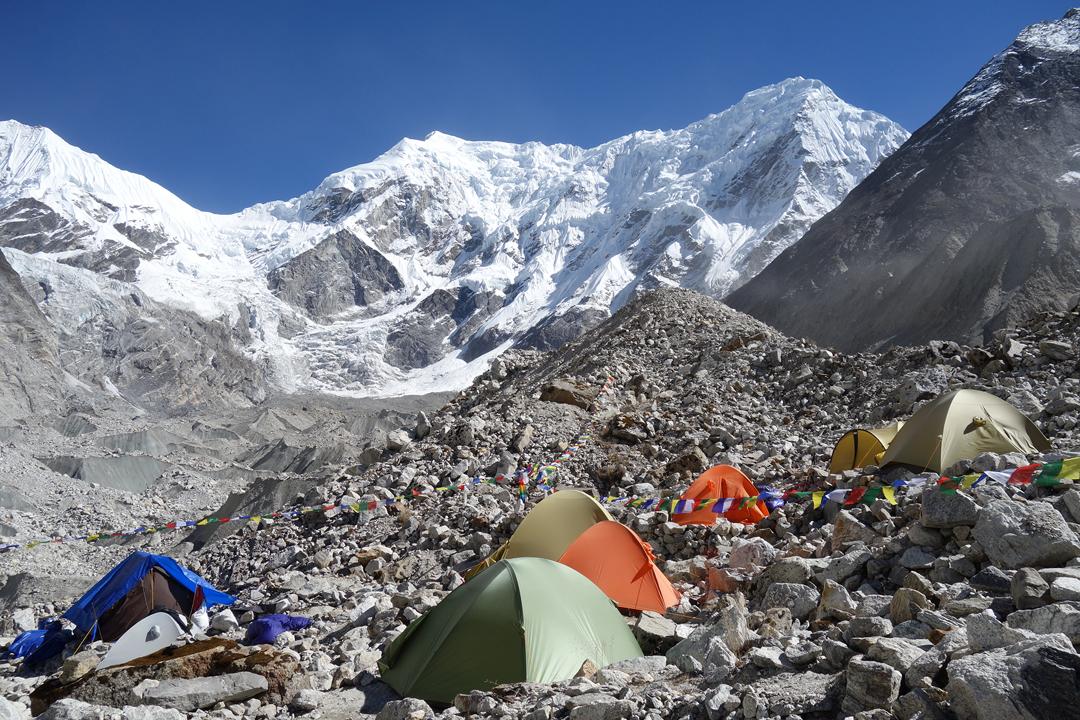
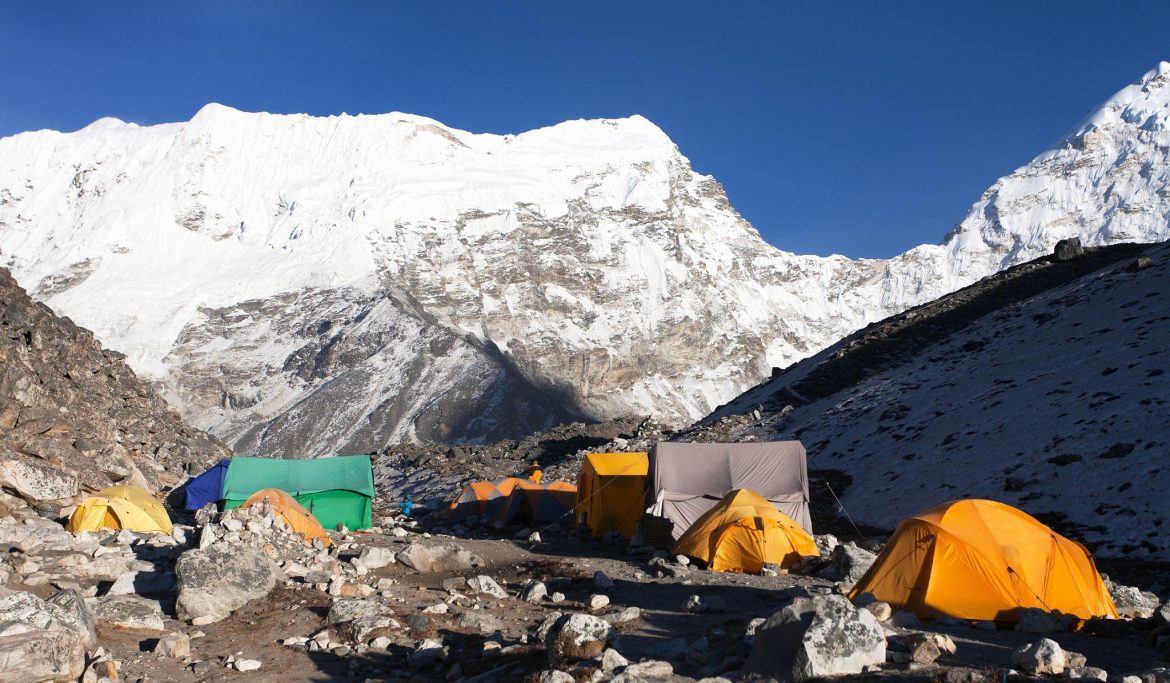
Accommodation during the trekking section is generally provided in local teahouses and mountain lodges on a twin-sharing basis. During the climbing period, camping accommodation may be arranged with suitable tents and expedition support staff. Facilities become more basic at higher elevations.
Food and Drinking Water
During the trek, meals are available at local teahouses, including traditional Nepali, Tibetan, Indian and international dishes. Breakfast, lunch and dinner are generally included during trekking and climbing days. Carry a reusable water bottle and use boiled, filtered or properly treated drinking water.
Permits and Documentation
Pisang Peak climbing requires the applicable climbing permit and Annapurna Conservation Area Project (ACAP) permit. Trekkers should carry a valid passport, necessary travel documents and permit copies. Permit arrangements should be completed through an authorized expedition operator.
Guide and Climbing Support
A qualified climbing guide and experienced trekking staff are essential for this expedition. The team helps coordinate trekking arrangements, acclimatization, climbing logistics, accommodation and safety procedures. Climbers should follow professional instructions throughout the journey.
Physical Fitness and Experience
Participants should have good physical fitness, stamina and previous experience with demanding mountain trekking. Basic mountaineering knowledge and experience with snow and ice conditions are beneficial. Preparation should include regular walking, hiking and suitable endurance training.
Travel Insurance and Emergency Evacuation
Comprehensive travel insurance is essential and must specifically cover mountaineering above 6,000 m and emergency helicopter evacuation. Check the policy exclusions and coverage limits before departure. Rescue services depend on weather, location and operational availability.
Communication and Electricity
Mobile network coverage and internet access may be available in some villages, but connections become limited in remote mountain areas. Electricity and battery-charging facilities may be available at teahouses for an additional charge. Carry a power bank and spare batteries.
Responsible Tourism and Local Culture
The Annapurna region is home to traditional Gurung and Tibetan-influenced communities with rich cultural and religious heritage. Respect local customs, monasteries and religious sites. Avoid littering, minimize plastic waste and support local businesses throughout the journey.
Itinerary and Weather Flexibility
Mountain weather, road conditions and climbing safety may affect the planned itinerary. Additional acclimatization days or changes to the climbing schedule may be necessary. A flexible schedule helps the expedition team make responsible decisions based on actual mountain conditions.
Note: Pisang Peak is a demanding high-altitude mountaineering expedition. Successful climbing depends on suitable experience, acclimatization, weather conditions, professional guidance and individual health and fitness. Safety should always take priority over reaching the summit.
Equipment Checklist – Pisang Peak Climbing (6,091 m)
Proper mountaineering equipment is essential for Pisang Peak climbing because the expedition involves high-altitude trekking, cold temperatures, snow, ice and technical mountain conditions. Below is a general equipment checklist to help you prepare for the expedition.
Clothing and Personal Wear
- Thermal base layers (top and bottom)
- Warm fleece jacket
- Down jacket suitable for high-altitude conditions
- Waterproof and windproof jacket
- Waterproof trekking trousers
- Insulated mountaineering trousers
- Trekking shirts and comfortable trousers
- Warm underwear and socks
- Thermal gloves and insulated climbing gloves
- Waterproof outer gloves or mittens
- Warm hat and balaclava
- Sun hat or cap
- Neck warmer or buff
- Gaiters
Footwear
- Comfortable trekking boots
- Insulated mountaineering boots compatible with the required crampons
- Lightweight camp shoes or sandals
- Trekking socks
- Warm climbing socks
Mountaineering Equipment
- Climbing helmet
- Climbing harness
- Crampons compatible with mountaineering boots
- Mountaineering ice axe
- Climbing carabiners
- Locking carabiners
- Climbing slings
- Prusik cords
- Climbing ascender, if required
- Belay and rappel device
- Trekking poles
- Headlamp with spare batteries
Sleeping and Camping Equipment
- Four-season sleeping bag suitable for expedition temperatures
- Sleeping bag liner
- Sleeping mat, if required by the expedition operator
- Small pillow or inflatable pillow
- Personal sleeping clothes
- Duffel bag for porter transportation
- Daypack (30–40 litres)
Personal Accessories
- UV-protection sunglasses or glacier glasses
- Sunscreen (SPF 30–50 or higher)
- Lip balm with sun protection
- Reusable water bottles
- Water purification tablets or filter
- Quick-drying towel
- Toiletries and personal hygiene items
- Wet wipes and hand sanitizer
- Small personal first-aid kit
- Personal medications
- Earplugs
- Power bank and charging cables
- Camera and spare batteries
Documents and Money
- Valid passport
- Nepal visa documents
- Pisang Peak climbing permit
- Annapurna Conservation Area Permit (ACAP)
- Travel insurance covering mountaineering above 6,000 m and emergency evacuation
- Passport-size photographs, if required
- Emergency contact details
- Cash in Nepalese rupees
Recommended Trekking Essentials
- Trekking backpack
- Rain cover for backpack
- Waterproof stuff sacks
- Trekking poles
- Lightweight snacks and energy bars
- Notebook and pen
- Small repair kit
- Personal water bottle
Note: Some group climbing equipment, camping supplies and technical gear may arranged by AlpineTrav Treks & Expeditions, depending on the package. Confirm the equipment list with our climbing guide before departure. Make sure all technical climbing equipment is appropriate, professionally inspected and compatible with your boots and other gear.
FAQs About The Pisang Peak Climbing (6,091 m)
Pisang Peak is located in the Manang District of Nepal’s Annapurna region, above Upper Pisang village. It lies along the popular Annapurna Circuit trekking route and offers beautiful views of the surrounding Himalayan mountains and valleys.
Pisang Peak stands at approximately 6,091 m above sea level. It is a popular mountaineering destination for climbers looking for a challenging Himalayan expedition combined with the cultural and natural beauty of the Annapurna region.
A typical Pisang Peak climbing package takes approximately 18 days, including arrival in Kathmandu, trekking, acclimatization, the climbing expedition and return travel. The duration may vary depending on the itinerary, weather and necessary acclimatization arrangements.
The best seasons for Pisang Peak climbing are spring (March–May) and autumn (September–November). Spring generally offers pleasant daytime temperatures, while autumn is known for clearer skies and excellent mountain visibility. Both seasons usually provide more favourable conditions for climbing.
Pisang Peak is considered a challenging mountaineering expedition because of its high altitude, steep mountain terrain, snow and ice conditions, and technical climbing sections. Climbers need good physical fitness, suitable preparation and professional mountain support.
Previous mountaineering experience is strongly recommended for Pisang Peak climbing. Experience with high-altitude trekking, snow conditions and basic climbing equipment is beneficial. Participants should be comfortable with demanding mountain journeys and follow the instructions of their qualified climbing guide.
Climbers generally require a Pisang Peak climbing permit issued through the relevant authorities and an Annapurna Conservation Area Project (ACAP) permit. Additional documentation or fees may apply depending on current regulations. AlpineTrav Treks & Expeditions can assist with the necessary permit arrangements.
The expedition offers spectacular views of several famous Himalayan mountains, including Annapurna I (8,091 m), Annapurna II (7,937 m), Annapurna III (7,555 m), Annapurna IV (7,525 m), Gangapurna (7,454 m), Tilicho Peak (7,134 m), Lamjung Himal (6,932 m), Chulu East (6,584 m), Chulu West (6,419 m) and Pisang Peak (6,091 m).
During the trekking section, accommodation is generally provided in local teahouses and mountain lodges on a twin-sharing basis. During the climbing period, camping accommodation may be arranged with suitable tents and expedition support staff. Facilities become more basic at higher elevations.
Three meals a day, including breakfast, lunch and dinner, are generally provided during trekking and climbing days. Meals may include traditional Nepali, Tibetan, Indian and international dishes. During the climbing period, expedition kitchen staff arrange suitable meals according to the camping itinerary.
Yes, a qualified climbing guide and experienced expedition support team are essential for this expedition. They help coordinate climbing arrangements, technical equipment, acclimatization, camping facilities and mountain safety throughout the journey.
You should bring suitable mountaineering clothing, insulated boots, a warm sleeping bag, waterproof jackets, gloves, sunglasses, a helmet, harness, crampons, ice axe and other necessary personal equipment. The climbing guide will confirm the technical equipment requirements and explain which group equipment is provided.
Yes, comprehensive travel insurance is essential for this high-altitude expedition. Your insurance policy must specifically cover mountaineering above 6,000 m, emergency medical treatment and helicopter evacuation. Check the coverage carefully before travelling to Nepal.
Good physical fitness, endurance and stamina are important for Pisang Peak climbing. Participants should prepare through regular hiking, walking and suitable cardiovascular training before arriving in Nepal. Previous experience with long mountain treks is also helpful.
Yes, AlpineTrav Treks & Expeditions can arrange customized Pisang Peak climbing packages according to your schedule, experience and preferences. Private departures, group arrangements and additional acclimatization days can be discussed to make the expedition suitable for your needs.
 Nepal