Trip info
-
Min 2 Max 12
-
Grade: Challenging
-
Sept-Nov, Mar-May
-
Max. 4,870m/15978ft
-
Duration: 19 Days
-
Private Jeep, Flights
-
Hotel/ Teahouse/ Tent
-
All meals are included
<strong>Who we are</strong> Our website address is: <a href="http://www.alpinetrav.com" target="_new" rel="noopener">http://www.alpinetrav.com</a>. <hr /> <strong>What personal data we collect and why we collect it</strong> <h3>Plugin Data Collection and Compliance</h3> This website uses plugins that may store personal information. These plugins comply with GDPR regulations and are designed to manage and protect your data securely. Below are details on what data may be collected and why: <ol> <li><strong>Contact Forms</strong> <ul> <li>When you use contact forms, the plugin may collect your name, email, and other necessary details to provide responses to your inquiries.</li> <li>This data is stored to enable us to respond to your messages effectively and is retained only as long as necessary for communication.</li> </ul> </li> <li><strong>Comments and Spam Detection</strong> <ul> <li>Comments on the site collect data shown in the form, as well as the visitor’s IP address and browser user agent string to assist in spam detection.</li> <li>This data may also be shared with an automated spam detection service.</li> </ul> </li> <li><strong>Cookies and Data Storage</strong> <ul> <li>Some plugins may set cookies to improve user experience, such as storing login information or remembering preferences. These cookies comply with GDPR standards and expire after a set period or upon logging out.</li> <li>Cookies specifically used by these plugins do not collect personal data unless explicitly mentioned.</li> </ul> </li> <li><strong>Embedded Content</strong> <ul> <li>Embedded content from third-party websites may behave as if the visitor has visited those external websites. These third-party sites might collect data and track your interaction as per their policies.</li> </ul> </li> <li><strong>Analytics</strong> <ul> <li>Some plugins may collect anonymous analytics to improve site performance. However, no personal information is stored unless explicitly noted, and all data complies with GDPR standards.</li> </ul> </li> </ol> <h3>How Long We Retain Your Data</h3> The collected data is stored only as long as necessary for the intended purposes, such as for communication or to improve the site experience. This may vary based on the plugin and specific regulatory requirements. <h3>What Rights You Have Over Your Data</h3> Under GDPR, you have the right to: <ul> <li>Access: Request a copy of the personal data we hold.</li> <li>Rectification: Correct any data we hold about you that is incorrect.</li> <li>Erasure: Request the deletion of your data, provided it is no longer necessary for regulatory or operational purposes.</li> </ul> For requests, please contact us using the information in our Contact section below. <hr /> <strong>Where We Send Your Data</strong> Visitor comments may be checked through an automated spam detection service. Some plugins may also send anonymized data to third parties as part of analytics or performance monitoring. <strong>How We Protect Your Data</strong> All data managed by this website and its plugins is stored securely. We ensure our plugins meet industry standards for encryption and data protection. We also regularly update our website to prevent unauthorized access.
Makalu Base Camp Trek Highlights
- Start a journey with a scenic flight to Tumlingtar with an aerial view of mountains and rolling hills.
- Spectacular trek in the isolated area of the eastern Himalayas of Nepal.
- Discover the rich diversity in flora and fauna of the Makalu Conservation Area.
- Stand and feel the sense of accomplishment at the base camp of the world’s fifth-highest mountain.
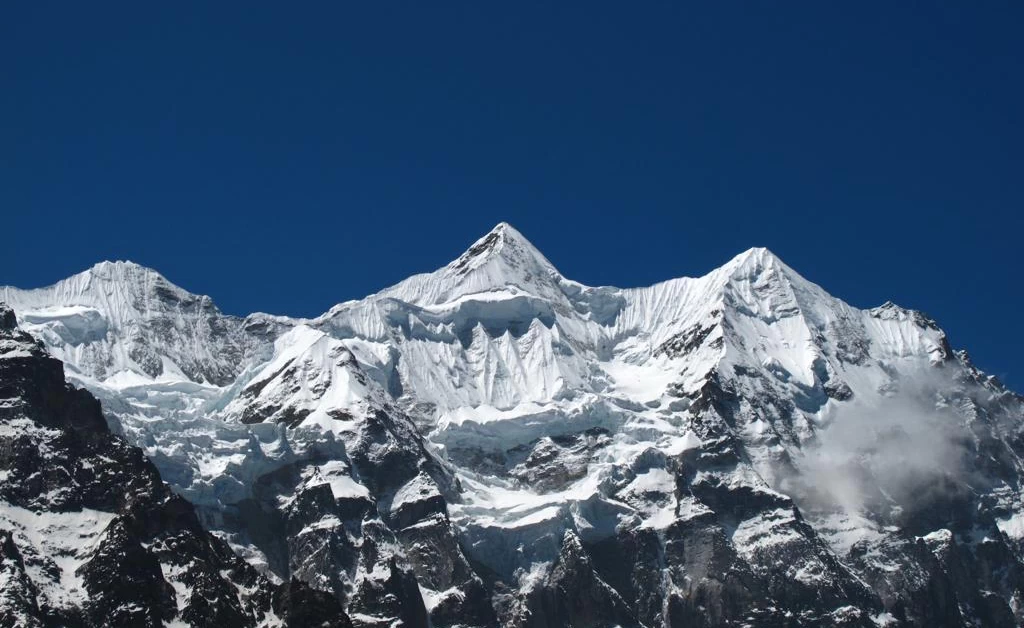
- Witness the close-up look of the western face of Mount Makalu (8,485m).
- Pass through several monasteries and learn about the area’s unique culture and tradition.
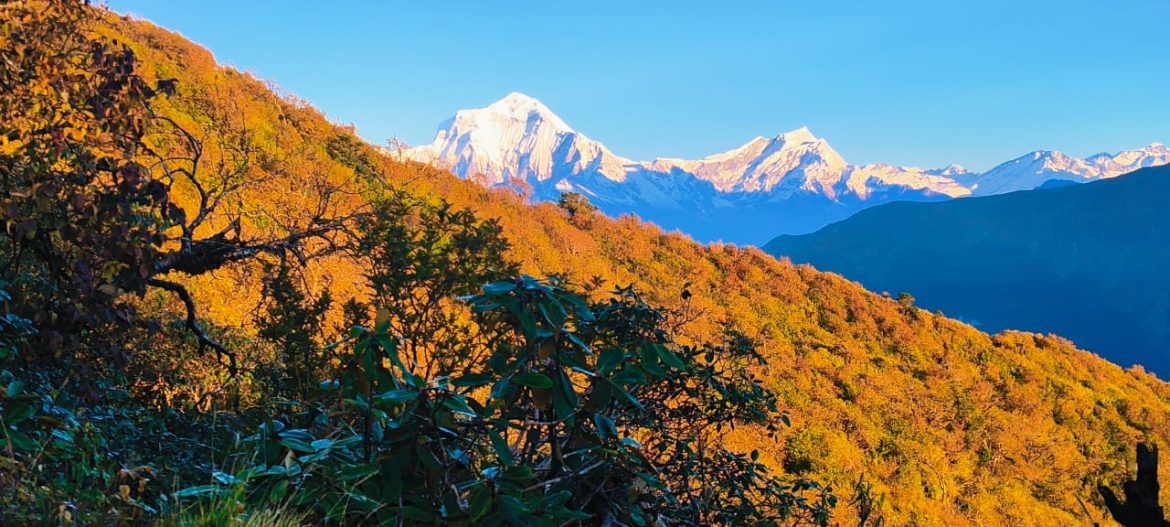
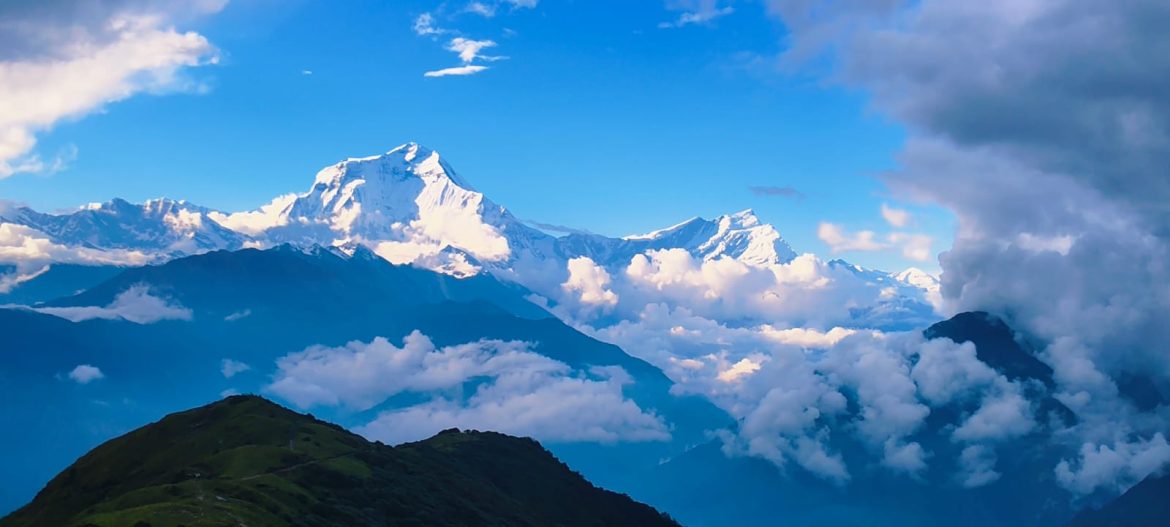
- Accompanied by the breathtaking view of numerous snow-capped peaks, including Mount Makalu, Baruntse, Chamlang, Ama Dablam, and other surrounding peaks.
- Navigate through the high passes of Shipton La Pass (4,216m), offering a real sense of adventure.
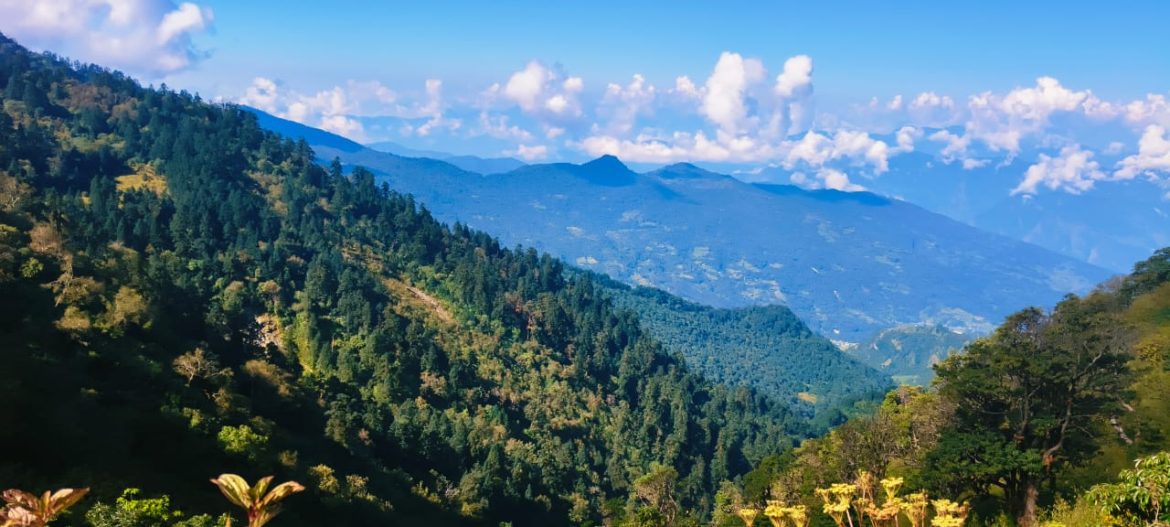
- Pass through varied terrain from lush forests, alpine meadows, and high-altitude deserts.
Makalu Base Camp Trek is one of the spectacular treks in Nepal. It takes you close to the world’s fifth-highest Makalu Mountain in the Eastern Himalayas. The Makalu Base Camp trek route progresses through Makalu Barun National Park, renowned for its rare flora and fauna. Opened for foreigners only since 1952, the Trek to Makalu Base Camp is one of the least crowded trekking routes where one can still observe local life in its traditional form. Eric Shipton was the first foreigner to visit this lost land by crossing the High Pass, which was later named Shipton La in his honor.
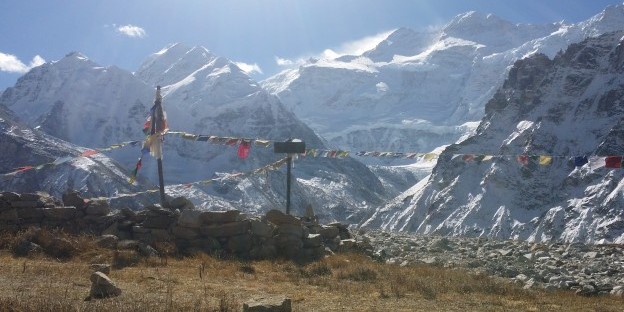
The Makalu region is one of the most culturally diverse areas. The Makalu Base Camp trek allows a close-up look at the western face of Makalu. The Base Camp allows scenic views of Makalu Mountain (8463m), Mount Everest (8850m), Lhotse Mountain (8516m), Baruntse Mountain (7220m), and other peaks and mountains. The journey takes you through the deep Arun Valley, located at 435m above sea level, to the base of Makalu Mountain. The route is quite remote, with little permanent settlement.
Customize Your Makalu Base Camp Trek:
- This is a general itinerary, which can always individually be “tailormade”. The Makalu Base Camp trek package can be redesigned or redeveloped as per your taste, For more information please contact us.
19-Days Makalu Base Camp Trek Itinerary
We recommend that you schedule your arrival in Kathmandu in the morning or afternoon. This will give you enough time to relax and recover from jet lag before starting your adventure. Upon arrival at Kathmandu International Airport, our representative will meet you at the airport and transfer you to your hotel where you will be served welcome drinks. After you have freshened up, your trek guide will brief you about your trip in the lobby of your hotel in the evening.
Get familiar with your surroundings by taking a walk down the street. Visit to Thamel, the main tourist hub. Overnight at Kathmandu's in a Hotel.
Accommodation: Hotel Moonlight
In the morning, you visit two UNESCO World Heritage Sites, Boudhanath and Pashupatinath, as part of a guided sightseeing tour. The tour lasts approximately 3 to 4 hours. In the afternoon, you will be briefed about your upcoming adventure. If you have any doubts, check your equipment and visit the Swayambhunath Monkey Temple near your hotel. Spend the night in Kathmandu.
Accommodation: Hotel Moonlight
Meals: Breakfast
Early in the morning, after breakfast, you will drive to the domestic terminal of the Airport in Kathmandu. Taking 50 minutes of scenic flight close to the Himalayas with breathtaking views of Mountains and peaks, you will take a flight to Tumlingtar. The town is in the Sankhuwasabha district of Koshi Province between the Arun and Sabha rivers, but" Today you will meet the rest of the crew members who will also be joining you for the trek. Next, you will drive to Num, a small Gurung settlement. You take a rest at Numas you need to be prepared for the next day’s trek. Overnight in Num.
Accommodation: Tented Camping
Meals: Breakfast, Lunch, Dinner
Lowering down from Num, you will walk past forest and terraced farmlands to reach Lumbang settlement. From Lumbang, we will take sharp descend further to Arun River. Many slopes covered in forest can be found in the narrow valley. You will follow the slippery path to Arun Koshi River. Crossing a suspension bridge, we will follow the ascending trail uphill to Sedua. You will stay overnight in a large camping site in Sedua / Seduwa. Seduwa also serves as the entry point for Makalu Barun National Park. We need to show our trekking permits to officials in Seduwa.
Accommodation: Tented Camping
Meals: Breakfast, Lunch, Dinner
Our campsite in Sedua allows scenic views of the surrounding mountains. Today’s trek is short, taking just 3-4 hours. You will take an easy walk passing through rivulets, Mani walls, meadows, and terraces, and reach the top of the ridge over Ipsuwa and Kasuwa rivers. You will pass through crop fields in tiny Sherpa villages. Walking through the crop fields, you will reach Tashi Gaon village, where you will stay overnight. Moreover, your dinner will also be served at the Tashi Gaon where you stay.
Accommodation: Tented Camping
Meals: Breakfast, Lunch, Dinner
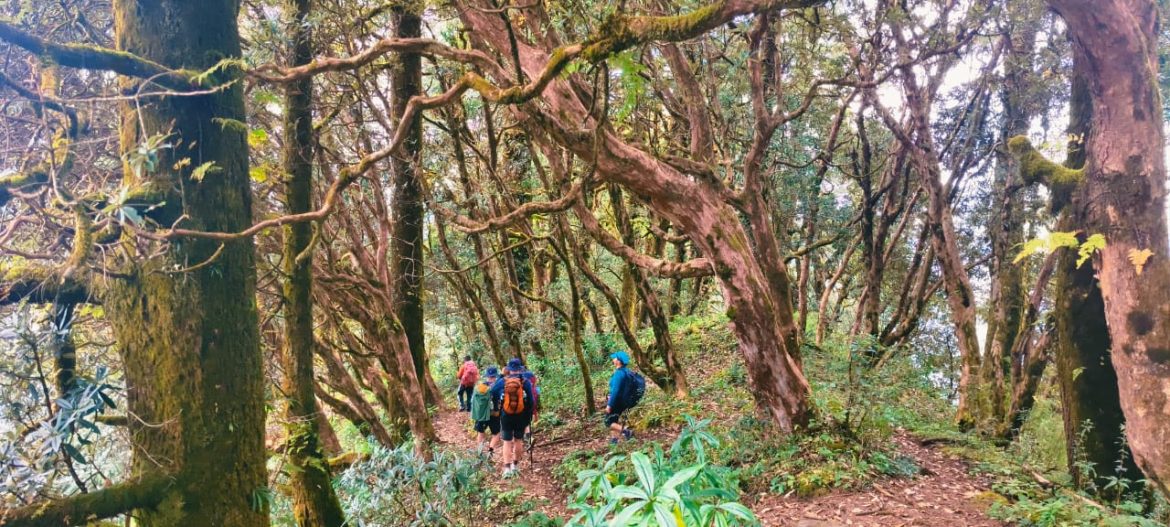
Today you will follow the ascending trail via colorful rhododendron and oak forest. You will cross rivulets at few points to arrive at meadow full of lush green vegetation. The meadow is used as grazing land for local cattle. The area is crowded with Shepherd huts (Chipla). You will follow the steep trail through Kharka and take stone steps to Khongma which is perched atop the ridge. Stay overnight in Khongma Danda.
Accommodation: Tented Camping
Meals: Breakfast, Lunch, Dinner
Being at the top of hill, your campsite at Khongma Danda allows picturesque views of Chamlang Mountain (7321m) and other peaks. You will follow the scenic path decorated with prayer flags all the way to the foothill of Shipton Pass. You will travel along the ridge through a rhododendron forest to Ghungru La (4050m). Brief descend from Ghungru La will take you to small turquoise blue lake. You will cross Shipton Pass and arrive at Keke la Pass. Once we cross Keke La, you will lower down to valley full of rhododendron at Mumbuk where you will stay overnight.
Accommodation: Tented Camping
Meals: Breakfast, Lunch, Dinner
Today you will leave your campsite at Mumbuk and walk through colorful rhododendron and fir forest. You will lower down from forest to the Barun River. The trail progresses along the small cave (3,250m). You will lower down from the cave and enter in Barun Valley. The valley is remote and accepts only few visitors each year. Walking through the valley, you will cross Barun River and reach Yangle Kharka. Brief walk from Yangle Kharka will take you to Nehe Karka where you will stay overnight.
Accommodation: Tented Camping
Meals: Breakfast, Lunch, Dinner
From Nehe Kharka, you will lower down and cross small pass to reach Piphuk Kharka (3,930m). The trail progresses along cascading waterfall to a meadow. you will cross the grazing land of Yak Kharka and pursue the trail along moraine from Barun glacier. The path is scenic that allows views of several peaks above 6,000 m height. Leaving the valley, you will cross rhododendron forest and reach Sherson where you will stay overnight.
Accommodation: Tented Camping
Meals: Breakfast, Lunch, Dinner
After breakfast you following a moderate walk to the valley, you'll pass through yak pastures, lush forests and boulder fields. The valley walls tower imposingly above you during the start of the trek. You will pass Merek as you make your way further up and notice a significant rise in the scenic Himalayan views. Overnight at Langmale Kharka.
Accommodation: Tented Camping
Meals: Breakfast, Lunch, Dinner
Makalu Base Camp is your final destination for this trek so you will be pursuing a return trip from this day. You will leave Makalu Base Camp early in the morning and take a descending path via Sherson and Merek to reach valley. You will descend from the valley and follow the easy path to Yangre Kharka where You will stay overnight.
Accommodation: Tented Camping
Meals: Breakfast, Lunch, Dinner
Yangre Kharka, also known as Yangle Kharka, is a cattle grazing area. You will walk through lush green vegetation. After a couple of hours, you will arrive at rugged terrain, eventually leading us to Mumbuk. It takes 4-5 hours to travel from Yangre Kharka to Mumbuk. In the evening, you can explore the Mumbuk village and connect with the locals. The day’s accommodation point is in Mumbuk.
Accommodation: Tented Camping
Meals: Breakfast, Lunch, Dinner
Leaving Mumbuk early in the morning, you will walk through verdant forest of rhododendron and fir and reach base of Keke La Pass. You will climb Keke La and reach Shipton La from where you need to cross yet another pass named Ghungru La to reach Khongma where you will stay overnight.
Accommodation: Tented Camping
Meals: Breakfast, Lunch, Dinner
Today you will lower down from Khongma ridge and follow the path lined with rhododendron forest. Exiting from the forest, you will move through rocky area. Continuing further through the grass land, you will arrive at Sherpa village of Tashi Gaon. You will exit from Tashi Gaon and walk through terraced fields. The path is scenic with views of mountains. You will lower down to Arun River and make it to Seduwa/ Seeduwa for overnight stay.
Accommodation: Tented Camping
Meals: Breakfast, Lunch, Dinner
Today you leave Seduwa and trek through lush forests towards Num. The trail goes up and down and passes through dense forests and Sherpa villages as we move downwards. Overnight at Num.
Accommodation: Tented Camping
Meals: Breakfast, Lunch, Dinner
Drive from Num, then take some time to Chichira, from where you can enjoy the glorious view of Mount Makalu for the last time. On the last return leg of the trek, you will stay overnight in Tumlingtar, ready for an early departure to Kathmandu the next day. Spend the night in Tumlingtar.
Accommodation: Tented Camping
Meals: Breakfast, Lunch, Dinner
It’s time to return from the Makalu region. Early morning, you’ll fly to Kathmandu. It takes 50 minutes of scenic flight to reach Kathmandu Airport from Tumlingtar. Once you arrive at the Domestic terminal of Kathmandu Airport, you will be transferred to the hotel for a comfortable stay. Check into your hotel, take a rest, and stroll around the Thamel area in the evening.
Accommodation: Hotel Moonlight
Meals: Breakfast
Free and easy day to spend, perhaps shopping or resting at the hotel’s beautiful courtyard. At eventide, evening, we relish a farewell dinner to celebrate your successful completion of the ‘Makalu Base Camp trek.’ Please do not hesitate to let us know if you would like to extend your stay. Kindly contact us for more details on extensions.
Accommodation: Hotel Moonlight
Meals: Breakfast, Dinner
Thank you for joining us on this trek and it has been a pleasure getting to know you during this time. We hope this venture has enriched your experience with happy memories. You will be assisted in your last minute preparation. Our representative will take you to Tribhuvan International Airport three hours before your scheduled flight. Bon voyage for a safe and pleasant trip home. Safe Journey!! We hope to see you again.
Meals: Breakfast
Makalu Base Camp Trek 19-Days Cost Details
Cost Includes
- On the trekking route: Full camping setup (kitchen tent, dining tent, toilet tent, table, chairs, and more for your comfort.
- Twin-sharing accommodation at Hotel in Kathmandu for 4 nights
- Domestic Flights: (Kathmandu to Tumlingtar and Tumlingtar to Kathmandu)
- All guide, cook, Sherpa, and porter expenses, including meals, transportation, tent camping accommodations.
- All private ground transportation including airport transfers
- Freshly prepared meals (B, L, D) with boiled water, tea, coffee etc.
- Twin sharing tent for accommodation during the trek.
- Experienced local trek guide with 1:4 assistant guide to client ratio
- Full support camping crew with number of porters to carry load equipment.
- All camping logistical arrangements for your comfort
- All required permits for the trek (TIMS Card & National Park Fees).
- Duffle bag for porter use (1 duffel bag per trekker)
- Comprehensive first aid kit with high altitude medicine
- Trekking Area Map, and Water Purifications Tablet
- Staffs salary, food, equipment, and insurance, included on-trip cost
- Official expense, all local and government tax and VAT.
- Sleeping bag if needed (it is refundable)
- Farewell celebratory dinner in Kathmandu with trek team
Cost Excludes
- International flight tickets and Nepal entry visa fee
- Lunch and Dinner in Kathmandu during stay
- Disembarkation Airport Tax in Nepal - approx. US$ 24. al equipment
- Personal hiking equipment
- Personal expenses. Additional expenses due to unforeseen circumstances such as other events beyond control.
- Drinks except tea and coffee. (Bar Bill, laundry and telephone calls.)
- Travel Insurance: Liability of insurance against any kind of medical expenses etc.)
- Emergency rescue evacuation if needed
- Tips for treks guide and porter (it is appreciated)
19-Days Trip Cost Details
- The trip cost always depends on group size, hotel accommodation category and client’s desire budget
- The included itinerary is a guideline and standard pattern which AlpineTrav you. This trip itinerary can be modified according to your time and requirements
- The itinerary shall be changed after an understanding between both AlpineTrav and the client. Additional activities could be either added or reduced as per client’s request before the trip confirmation
- Price shall be adjusted in our mutual understanding, if the client intends to add some services we shall charge him/ her for those additional services and if he/she intends to lessen some services, we shall wave the charges accordingly
- The Makalu Base Camp Trek itinerary has been published in 3-star hotel and tea house/lodge services for better understanding of the customers.
Please contact us on WhatsApp: +9779860751012 for any information about in your selected package.
Useful Info
Please take care to note: Every effort will be made to keep to the above itinerary; however, since this adventure entails traveling in remote mountainous regions, we cannot guarantee that we will not deviate from it. Weather, the health condition of a group member, unexpected natural disasters, etc., can all contribute to changes in the itinerary. The trek guide will try to ensure that the trip runs according to plan, but please be prepared to be flexible if required.
Accommodation at Makalu Base Camp Trek
In Kathmandu: Comfortable Stays in Cities and on the Trail Your comfort is our priority, whether in the bustling city or the serene mountains: In Kathmandu: Stay at Hotel Moonlight or a similar hotel, offering modern amenities for a relaxing experience, (Room Arrangement: are on a twin-sharing basis. During trek stay in teahouse, lodge and tent Camping).
During the trek your accommodation will be fully tented camping. A tent will be provided for every 2 travellers with a foam mattress. There will also be a kitchen tent, dining tent, toilet tent, table, chairs, and more for your comfort. Our trekking team will carry all of the tent equipment for your worry-free and easy journey.
Meals at Makalu Base Camp Trek
In Trek: All meals are included during the trekking period. We will provide three meals a day during the trek. Our kitchen crew will served freshly prepared meals during the trek. We consider hearty and delicious meals as a key component to the overall success of our trip, Since this is a full camping trek, meals are prepared by the trekking cook and typically include warm, nutritious options like soups, rice, pasta, and vegetable curries.
What is the distance to Makalu Base Camp?
The Makalu Base Camp Trek covers 216km/ 93 miles in a round trip, starting and ending at the same location, Tumlingtar. It takes 18-20 days to complete and involves walking for 5-6 hours or more daily. Likewise, trekkers should cover 10-15km each day.
Location and history of the Makalu Base Camp Trek
Makalu Base Camp is within the Makalu Barun National Park in the eastern Himalayas. At an elevation of 5,500m/ 18,044ft, it lies at the foot of Mount Makalu, the fifth-highest mountain in the world (8,485m/ 27,838ft). The base Camp is located in the Koshi Province of Sankhuwasabha District. It is at a latitude of 27.8856°N and a longitude of 87.0883°E. Moreover, the base camp is located in the remote Barun Valley.
The history of Makalu Base Camp began in 1954, when an American team led by Riley Keegan explored the Makalu region and reached its summit. Lionel Terray and Jean Couzy, members of a French expedition led by Jean Franco, were the first to summit the peak. The successful climb of the climbers garnered the attention of adventurers worldwide, drawing recognition to the peak and the region of the world. Additionally, trekking in the Makalu region started gaining popularity in the 1980s as new trekking routes were opened.
Is the Makalu Base Camp Trek right for you?
Yes, the Makalu Base Camp Trek is suitable for you if you are an adventurous trekker seeking strenuous hiking in the Himalayas. The trek suits you if you are physically and mentally fit and okay with walking for 6-7 hours daily in rough terrain for several days. Likewise, it is suitable for beginners who have a good level of physical fitness and regularly exercise. Yet, prior trekking experience is always beneficial.
Additionally, the Makalu Base Camp Trek takes trekkers above the elevation of 5,100m, requiring proper preparation and mental preparedness. Thus, the trek suits those who are physically and mentally ready for the challenges and altitude-related risks. Moreover, the trek is ideal for those seeking off-beaten paths on less crowded trails that are unspoiled by modern technologies and offer an isolated experience.
Major attractions of Makalu base Camp Trek
Makalu Barun National Park – The entire trek to Makalu Base Camp takes place within the Makalu Base Camp area, home to a diverse range of flora and fauna, including lush forests, alpine meadows, and glaciers. Each step of this voyage amazes trekkers with diverse sights and wildlife views. A home to over 400 species of birds and more than 75 mammals, including the Red Panda and leopard, the journey offers a rare glimpse of the local fauna.
Mountain Views – The trek to Makalu Base Camp offers jaw-dropping views of the surrounding mountain range at every step. Yet, the view of Makalu (8,485m) is the highlight of the trek, accompanying trekkers at every turn. Additionally, the views of Mount Everest and Lhotse are also dazzling and attractive from notable locations like Shipton La and Makalu Base Camp. Additionally, the view of Baruntse, Chamlang, and sometimes Kanchenjunga is also visible along the Manaslu Base Camp Trek.
Glacier and Waterfall – The majesty of nature, including glaciers and waterfalls, is another significant attraction of the Makalu Base Camp Trek. One notable highlight is the Barun Glacier, situated near the Makalu Base Camp. Another attraction is the smaller glacier, known as the Lower Barun Glacier. Moreover, trekkers pass through the Barun Valley, renowned as the land of waterfalls, which further enhances the beauty and visual feast of the trek.
Arun Valley – Located between the Everest and Makalu regions, the Arun Valley is another significant attraction of the Makalu Base Camp Trek. At 435 m deep, it is the deepest valley in the world. Likewise, the valley contrasts lowland subtropical forests with high-altitude snow-capped mountains, making it a diverse and appealing trekking route. Moreover, the Arun River originates in Tibet and cuts through the valley, creating mesmerizing waterfalls and deep gorges that add to the trek’s attraction.
Major permits required for Makalu Base Camp Trek
A Makalu Barun National Park Conservation Area Permit and a Trekkers’ Information Management System (TIMS) card are two major permits needed for the Makalu Base Camp trek. The permits are major because trekkers can’t complete the trek without them and face difficulties along the way.
Each of the permits is mandatory if you are going for the trek. Additionally, travelers can obtain permits from both the Nepal Tourism Board (NTB) offices in Kathmandu and Pokhara.
Furthermore, the journey to Makalu Base Camp takes place within the conservation area of Makalu National Park, so a Makalu Barun National Park Conservation Area Permit is essential.
Likewise, TIMS is necessary to ensure trekkers’ safety and keep track throughout the trip. Without the permits, trekkers get fined on the spot and face other penalties per the rules and regulations.
Cost of Makalu Barun National Park Conservation Area Permit:
- National Park Conservation Area Permit: NPR 3,000 per person.
- Information Management System (TIMS) card: NPR 2,000 per person.
What preparations are required for the Makalu Base Camp Trek?
When it comes to preparation for the Manaslu Base Camp Trek, it involves a thorough mindfulness and focus on physical fitness, mental preparedness, acclimatization, and packing the right gear. Here is how trekkers should prepare for the Makalu Base Camp Trek:
Physical Preparation – The Makalu Base Camp trek requires a high level of physical fitness, as it is a challenging trip. Physical preparation includes activities such as hiking, running, and cycling to build endurance. Likewise, trekkers should focus on strength training targeting the legs, core, and back. Additionally, trekkers should begin training 3-6 months prior to the trek for a smooth and worry-free journey.
Mental Preparation – Mental preparation is as necessary as physical preparation. Trekking in rough terrain for 15-16 days, gaining altitude each day, and facing new challenges daily requires a good mental state and preparedness. To prepare yourself mentally, you must understand the challenges that may arise, be prepared for potential problems such as fatigue and discomfort, maintain a positive mindset, and set realistic expectations.
Acclimatization Strategy – As Makalu Base Camp is located at a high altitude, the trek requires proper acclimatization to minimize or avoid altitude-related issues. One major acclimatization strategy for the successful trek to Makalu Base Camp is to follow the rule of “Climb High, Sleep Low.” Another strategy involves scheduling acclimatization days at key locations to let your body adjust to the changed temperature. Likewise, trekkers should maintain a slow and steady pace, stay hydrated, and consume high-calorie and nutritious meals.
Packing the right gear – A demanding trek like Makalu Base Camp requires careful preparation and the right gear. As the temperature of the Himalayas fluctuates, trekkers must pack layered clothing. They should pack moisture-wicking base layers, waterproof and windproof outer layers, thermal pants, and down jackets. Likewise, trekkers should invest in sturdy footwear, warm woolen socks, and comfortable camp shoes. Similarly, trekkers should pack a backpack and a daypack, a sleeping bag, a headlamp, sunglasses, sunscreen, a water bottle, a water purification tablet, and a first aid box, along with other personal miscellaneous items.
How to reach the starting point of the Makalu Base Camp trek (replaced)
Tumlingtar, at an elevation of 518m/1700ft above sea level, is the starting point of the trek to Manaslu Base Camp. A 45-minute flight from Kathmandu’s domestic airport is a common and faster option to get to Tumlightar.
However, ground transportation is also available. Yet, ground transportation is slower and less reliable than flight. Still, flights are generally more expensive than ground transportation.
The distance between Kathmandu and Tumlingtar is 425 kilometers/264 miles. Land transport to Tumlingatr is available via private vehicle, tourist bus, or local bus. The private vehicle takes 10-12 hours, which can be more expensive than the flight.
Similarly, a tourist bus can take 12-14 hours, and it is a more popular option for ground transportation due to its comfort and affordable price. Moreover, the local bus takes 14-16 hours to get to the starting point of Makalu Base Camp, which is more economical but uncomfortable.
Weather and temperature at Makalu Base Camp
The Makalu Base Camp has four distinct seasons, and the weather and temperature vary seasonally. While Summer is the hottest time, winter is the coldest. Additionally, Spring and Autumn have mild temperatures. Yet, the temperature at a high altitude like Makalu Base Camp changes suddenly. Thus, trekkers must be prepared for weather fluctuations and layer themselves accordingly. Here is the season-wise weather and temperature of the Makalu Base Camp:
- Winter (December to February): Daytime Temperature -10°C to 5°C): Nighttime Temperature -20°C to -5°C
- Spring (March to May): Daytime Temperature 5°C to 15°C): Nighttime Temperature -5°C to -10°C
- Summer (June to August): Daytime Temperature 10°C to 18°C): Nighttime Temperature 0°C to -5°C
- Autumn (September to November): Daytime Temperature 5°C to 15°C): Nighttime Temperature -5°C to -10°C
FAQs Related to Makalu Base Camp Trek
The Makalu Base Camp trek is one of the remote and challenging trekking destinations in eastern Nepal. It takes trekkers to the base of Mount Makalu (8,485m), the world’s fifth-highest mountain peak. The trek starts and ends at Tumlingtar – Num, reaching a height of 4,870m/15978ft, the highest elevation in Makalu Base Camp.
The Makalu Base Camp (MBC) and Everest Base Camp (EBC) treks differ in every way, from duration to location to popularity to challenges. While the Everest Base Camp trek takes 12-14 days, the Makalu Base Camp trek takes 15-17 days. Likewise, the EBC trek is more popular and world-renowned than the MBC. Moreover, EBC lies in Khumbu Valley, and MBC lies in the Eastern part of Nepal Sankhuwasabha district.
When to trek to Makalu Base Camp depends on what you expect and want to experience on your trip. Yet, Spring and Autumn are the most preferred and among the best times for trekking in Manaslu Base Camp. The stable weather and dry trails make the remote location of Makalu Base Camp ideal for trekking during these seasons.
Winter, from December to February, and Summer/ Monsoon, from June to August, are the off-seasons for the Makalu Base Camp Trek. Winter is off-season due to the harsh weather conditions and temperatures dropping below 20 degrees Celsius. Likewise, Summer is off-season due to monsoon rain, making the trail slippery and prone to landslides.
The guides have many years of guiding experience in trekking. Most have been exploring the Himalayas for years. Our guides are also trained in first aid and know how to handle any situation. All our guides speak fluent English and are happy to share their in-depth knowledge of the culture, geography, flora, festivals, lifestyle with you. It is enough to take visitors to special places or special cultures, who can engage people in what they are experiencing, explain it well and entertain them. They are well versed in how to make the journey comfortable and safe while appreciating the beauty of the Himalayas.
Yes, a beginner can trek to Makalu Base Camp, but only if they are physically and mentally fit. As the trek takes place in an isolated region with challenging sections, trekkers should be in good physical condition if they attempt the Makalu Base Camp Trek as a beginner.
Yes, altitude sickness is a significant concern during the Makalu Base Camp Trek. The trek reaches an elevation of 4,870m/15978ft, and concerns related to altitude sickness are primary throughout the trip. Trekkers must be cautious about the symptoms of the issue. Moreover, headache, nausea, fatigue, dizziness, and difficulty sleeping are some major symptoms of altitude sickness during the MBC trek.
While hiring a guide for the Makalu Base Camp Trek is mandatory, hiring a porter is a matter of personal preference for the trekker. The guides are mandatory due to the Nepal Tourism Board’s rule to ensure the safety of trekkers in the challenging and remote terrain of Makalu. Additionally, we recommend that trekkers hire porters, as they will carry all their loads, allowing you to walk freely.
The Makalu Base Camp trek is demanding due to its high altitude, remote and rugged terrain, long trekking duration, and unpredictable weather. Due to the challenging trek, trekkers must be physically fit to start it, and it would be best if they had prior trekking experience.
Yes, there are hot showers and wifi facilities along the route to Makalu, but come with an extra charge. Both facilities are available at tea houses, which are basic and become minimal, and the cost increases as the trek ascends. Moreover, we suggest that trekkers purchase a data pack for a reliable internet connection.
The following information will give you some ideas on what to bring for a hike. It is important not to forget the essential items, as this will determine your comfort and safety on the hike. Equally important is that you do not burden yourself with unnecessary equipment on the hike. That is why we have listed some below.
General
- All season sleeping bag and down Jacket
- Duffle bag
- A wind and waterproof thin layered jacket
- Daypack
Upper Body- Head / Ears / Eyewear
- A pair of half gloves
- A warmer hat that covers the ears
- Sunglasses
- Neckwarmer
- Sunscreen (35 to 60 SPF)
- Headlamp and an extra set of batteries
Hands
- A pair of half gloves for walking poles(if you prefer)
- Warmer shell gloves and liner
Upper Body
- long sleeve t-shirts
- Thermal tops
- wool jacket or pullover
- Sports bras for women and girls
- Water and windproof shell jacket
Lower Body
- Thermal underwear (especially trousers)
- windproof and waterproof trousers
- warmer trousers
- Comfortable trekking pants
- Extra casual sport pants
Footwear
- A pair of good waterproof trekking boots
- Pair of sandals
- 4-5 pairs of woolen socks
- Sock liners
- Light shoes and sneakers
- First Aid Kits and Medicines
- Assorted adhesive bandages (fabric preferred)
- Blister treatment cream or similar
- Insect / anti-itch ointment
- Ibuprofen or other pain-relief medication
- Diamox (125mg to 250mg tablets for altitude sickness)
- Warps, splints, and wound coverings butterfly bandage
- Water purifying pills
(Note that our guide will carry medicine and first aid kit during the trek. However, we recommend that you bring your own personal first aid kit as well)
Miscellaneous – but must useful on the trek
- 4 passport size photos with original passport
- Water bottle & filter
- Flight details
- Bathroom kit (conform, should be included toilet paper, plastic bags, hand wipes, towel, and soap, etc.)
Extra things
- Comfortable trekking poles
- Quality energy dry foods (up to you)
- Power bank and music players
- Camera (memory card, chargers, and extra batteries)
 Nepal
Nepal