Trip Info
-
Min 1 Max 12
-
Grade: Challenging
-
Mar-May, Sep-Nov
-
Max. 4,800m/15,749ft.
-
Duration: 14 Days
-
Private Vehicle & Flights
-
Hotel/ Teahouse/ Lodge
-
All meals are included
<strong>Who we are</strong> Our website address is: <a href="http://www.alpinetrav.com" target="_new" rel="noopener">http://www.alpinetrav.com</a>. <hr /> <strong>What personal data we collect and why we collect it</strong> <h3>Plugin Data Collection and Compliance</h3> This website uses plugins that may store personal information. These plugins comply with GDPR regulations and are designed to manage and protect your data securely. Below are details on what data may be collected and why: <ol> <li><strong>Contact Forms</strong> <ul> <li>When you use contact forms, the plugin may collect your name, email, and other necessary details to provide responses to your inquiries.</li> <li>This data is stored to enable us to respond to your messages effectively and is retained only as long as necessary for communication.</li> </ul> </li> <li><strong>Comments and Spam Detection</strong> <ul> <li>Comments on the site collect data shown in the form, as well as the visitor’s IP address and browser user agent string to assist in spam detection.</li> <li>This data may also be shared with an automated spam detection service.</li> </ul> </li> <li><strong>Cookies and Data Storage</strong> <ul> <li>Some plugins may set cookies to improve user experience, such as storing login information or remembering preferences. These cookies comply with GDPR standards and expire after a set period or upon logging out.</li> <li>Cookies specifically used by these plugins do not collect personal data unless explicitly mentioned.</li> </ul> </li> <li><strong>Embedded Content</strong> <ul> <li>Embedded content from third-party websites may behave as if the visitor has visited those external websites. These third-party sites might collect data and track your interaction as per their policies.</li> </ul> </li> <li><strong>Analytics</strong> <ul> <li>Some plugins may collect anonymous analytics to improve site performance. However, no personal information is stored unless explicitly noted, and all data complies with GDPR standards.</li> </ul> </li> </ol> <h3>How Long We Retain Your Data</h3> The collected data is stored only as long as necessary for the intended purposes, such as for communication or to improve the site experience. This may vary based on the plugin and specific regulatory requirements. <h3>What Rights You Have Over Your Data</h3> Under GDPR, you have the right to: <ul> <li>Access: Request a copy of the personal data we hold.</li> <li>Rectification: Correct any data we hold about you that is incorrect.</li> <li>Erasure: Request the deletion of your data, provided it is no longer necessary for regulatory or operational purposes.</li> </ul> For requests, please contact us using the information in our Contact section below. <hr /> <strong>Where We Send Your Data</strong> Visitor comments may be checked through an automated spam detection service. Some plugins may also send anonymized data to third parties as part of analytics or performance monitoring. <strong>How We Protect Your Data</strong> All data managed by this website and its plugins is stored securely. We ensure our plugins meet industry standards for encryption and data protection. We also regularly update our website to prevent unauthorized access.
Gokyo Lakes - Gokyo Ri Trek Highlights
- Begin your journey with an exciting flight to Tenzing Hillary Airport, which offers a bird’ s-eye view of the Himalayas.
- Walk through Sagarmtha National Park, a UNESCO heritage site, witness diverse flora and fauna, and cross several suspension bridges.
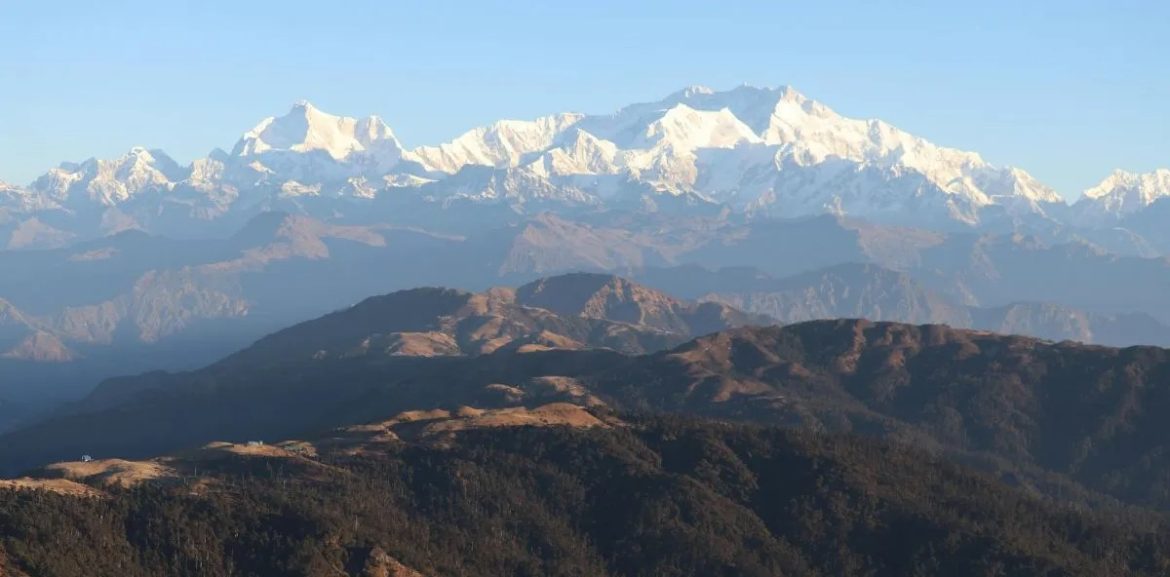
- Witness stunning views of the towering mountain peaks, glaciers, and valleys.
- Navigate one of the challenging, and reach the iconic landmark, Gokyo Ri.
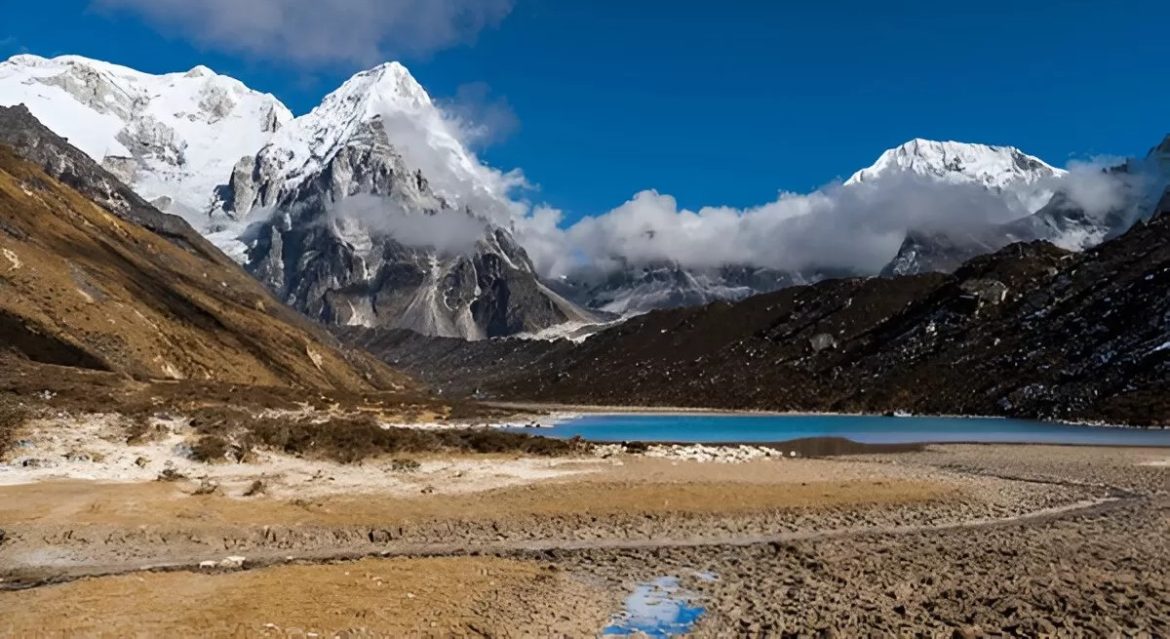
- Explore the scenic village of Gokyo and the stunning turquoise Gokyo Lakes.
- Get a close-up view of the iconic mountain peaks of the Khumbu Valley, including Mount Everest, Makalu, Cho Oyu, and other surrounding peaks.
- Witness the world’s largest glacier, Ngozumpa, flowing from Mount Cho Oyu.
- Capture a mesmerizing close-up view of the sunrise over Mount Everest from Gokyo Ri.
Gokyo Lake trek is a celebrated journey renowned for its breathtaking views and rich cultural experiences. This trek offers stunning vistas of some of Nepal’s most iconic 8,000-meter peaks, including Cho Oyu, Everest, Lhotse, and Makalu. Gokyo Lakes trek is the panoramic view from Gokyo Ri, which rises above Gokyo Lakes. From this vantage point, trekkers are treated to an awe-inspiring sight of the immense ice ridge between Cho Oyu and Gyachung (2,922 meters) in the Khumbu region, as well as sweeping vistas of the Ngozumpa Glacier, the largest glacier in Nepal’s Himalayas.
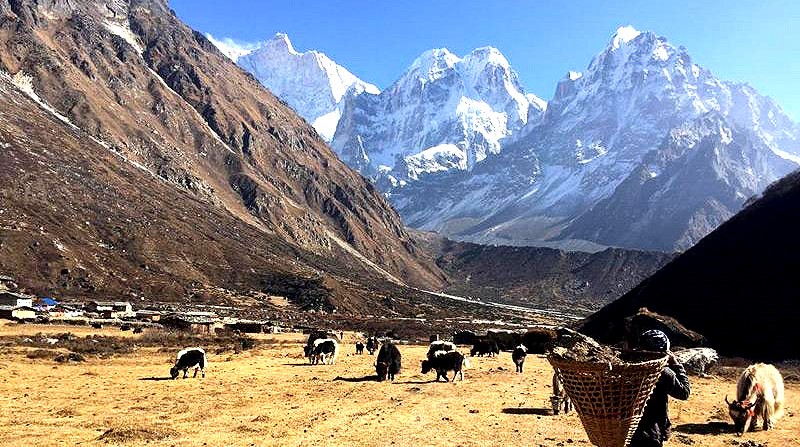
The Gokyo Lake Trek begins with thrilling flight to Lukla, where the journey into the heart of the Himalayas truly starting point. Over the following days, you will trek through stunning landscapes, staying in local lodges and interacting with the warm and welcoming Sherpa people. This immersion provides a unique opportunity to experience both the natural beauty and the rich cultural heritage of the region.
Our Gokyo Lake trek is meticulously organized with the assistance of experienced Sherpa guides, who ensure your safety and enrich your understanding of the local customs and traditions. Along the way, you will pass by ancient Buddhist monasteries and enjoy progressively closer views of Everest and other towering snow-capped peaks.
Acclimatization is a key aspect of the trek, so you be will spend one day at Namche Bazaar. These days not only allow you to explore the vibrant village and surrounding areas but also help your bodies adjust to the higher altitudes, which is crucial for a safe and enjoyable trek. Where, after reaching the summit of Gokyo Ri at 5,483 meters, you return at a relaxed pace, retracing your steps through the villages of Namche, Monjo and Lukla before then catching your flight back to Kathmandu.
Fainal conclusion; The Gokyo Lake trek is for those who like to walk close to the Everest region without the physical strain of crossing the high cliffs of the Everest Base Camp and want to enjoy the Himalayan views. For that, this Gokyo Lake trek is perfect for travelers who want to try something new in the Everest region. Absolutely! This Gokyo Lake trek offers an unforgettable blend of spectacular natural scenery and cultural immersion, making it a truly remarkable adventure.
Customize Your Gokyo Lakes Trek:
- This is a general itinerary, which can always individually be “tailormade”. The Gokyo Lake trek package can be redesigned or redeveloped as per your taste, For more information please contact us.
14-Day Gokyo Lake - Gokyo Ri Trek Itinerary
We recommend that you schedule your arrival in Kathmandu in the morning or afternoon. This will give you enough time to relax and recover from jet lag before starting your adventure. Upon arrival at Kathmandu International Airport, our representative will meet you at the airport and transfer you to your hotel where you will be served welcome drinks. After you have freshened up, your trek guide will brief you about your trip in the lobby of your hotel in the evening.
Get familiar with your surroundings by taking a walk down the street. Visit to Thamel, the main tourist hub. Overnight at Kathmandu's in a Hotel.
Accommodation: Hotel Moonlight
In the morning, you visit two UNESCO World Heritage Sites, Boudhanath and Pashupatinath, as part of a guided sightseeing tour. The tour lasts approximately 3 to 4 hours. In the afternoon, you will be briefed about your upcoming adventure. If you have any doubts, check your equipment and visit the Swayambhunath Monkey Temple near your hotel. Spend the night in Kathmandu.
Accommodation: Hotel Moonlight
Meals: Breakfast
You will arrive early in the morning at Lukla, where all Everest treks begin. You will meet the rest of your team in Lukla and begin your trek from there. You will walk on a path that gently descends to Cheplung village from where you will catch a glimpse of Mount Khumbila, a sacred mountain that has never been climbed. From here, you will slowly descend to Phakding. You will spend the night in Phakding.
Accommodation: Tea House/ Lodge
Meals: Breakfast, Lunch and Dinner
Today, you will continue along the Dudh Koshi River, passing several suspension bridges and small villages, monasteries and chortens. From Benkar village, you can enjoy the amazing views of the Thamserku Mountains. As you enter the Everest National Park, your trekking permits will be checked at Monjo. A downhill, gradual walk will take you to Jorsalle, the last village before Namche Bazaar. The walk along the riverbank is pleasant and you will reach the Hillary Suspension Bridge. As you ascend towards Namche Bazaar, you will be greeted by magnificent views of Kongde Peak, Kusum Peak, Kangaroo Peak, Everest, Lhotse, Tawache and many other magnificent mountains. Spend the night in Namche Bazaar.
Accommodation: Tea House/ Lodge
Meals: Breakfast, Lunch and Dinner
This day is set aside to acclimatize and adjust to the gradual change in environment. Acclimatization will help avoid Acute Mountain Sickness (AMS), also known as ‘altitude sickness’. To acclimatize your bodies, today you will hike Khumjung, enjoy the Himalayan views from Syangboche or simply wander around the quaint Namche Bazaar. You can also visit the Tourist Visitor Center, where you can see various things related to the first Everest climbers and Sherpa culture. This tour will also introduce you to the diverse flora and fauna of the Everest region. In Khumjung, you can also visit the monastery with the so-called scalp! You will also climb the airstrip above Syangboche and enjoy incredible views of the Kongde, Thamserku and Khumbila mountains. You will return to Namche Bazaar for the night. You will spend the night in Namche Bazaar.
Accommodation: Tea House/ Lodge
Meals: Breakfast, Lunch and Dinner
After a sumptuous breakfast, you start your trek to Dole, with its gradual ups and downs. The trail is beautiful and becomes more and more spectacular as you proceed. On the way, you will spot Himalayan pheasants, musk deer and Himalayan tahrs. Descending slightly through alpine and rhododendron forests, you reach the village of Kanjuma, where you will stop for a short rest. Moving on, you will reach Sansa from where you will follow the Gokyo treks, which are a bit challenging and are situated just above the gorge of the Dudh Koshi River. From the Mong La Pass, you will get a glimpse of Mount Ama Dablam, Mount Thamserku, Mount Tawoche and Mount Khumbila. From the pass, the trail descends to the Dudh Koshi River and then has to climb uphill to Fortse. From this point, you will get magnificent views of the mountains. After a few hours of trekking through lush forests and green pastures, you will reach Dole from where you can witness the mesmerizing sunset views. Spend the night in Dole.
Accommodation: Tea House/ Lodge
Meals: Breakfast, Lunch and Dinner
The trek from Dole begins with a very difficult descent on a slippery, snow-covered slope. Then, you start climbing on a steady path through a picturesque mountain range with views of Cho Oyu, Kangtega and Thamserku mountains. The uphill trek involves increasingly barren hills, covered with tundra grass and dotted with bushy junipers. You will pass the small settlement of Lhafarma, and then the village of Luja, tucked into a nearby valley. Ascending from Luja, you will cross the Dudh Koshi River and continue along a sandy path before reaching Machermo, the last major settlement before Gokyo. You can visit the Himalayan Rescue Hospital to learn more about altitude sickness. Spend the night in Machermo.
Accommodation: Tea House/ Lodge
Meals: Breakfast, Lunch and Dinner
Today, you leave the foothills and climb the mountain and gradually enter the desolate tundra of the high mountains, enjoying views of the Dudh Koshi Valley and the Kangtega Mountains, the Thamserku Mountains and the Cho-Oyu Mountains. Beyond the mountains, the valley widens as you pass through Chorton and you reach Phang. You will descend along the riverbank and then climb the steep path to the terminal moraine of the Ngozumpa Glacier. You will pass through Longpongo, Raboche Tso and Dudh Pokhari before reaching Gokyo. On the way along the first lake, you will see what is believed to be the footprints of a lama (Buddhist priest). You will explore the Dudh Pokhari before spending the night. Spend the night in Gokyo.
Accommodation: Tea House/ Lodge
Meals: Breakfast, Lunch and Dinner
You will spend the next day in Gokyo to acclimatize to the high altitude. If the weather is good, you will climb Gokyo Ri today. From the top of Gokyo Ri, you can admire the Himalayan views and the tranquil Gokyo Lakes. You will also hike to the 4th and 5th Gokyo Lakes. The 4th Lake is about 3 km north of Gokyo. It is known for its high cliffs and the Himalayan peaks rising above it. You will continue walking a little further and reach the 5th Lake. Climbing the nearby mountain, you will see remarkable views of Cho-Oyu, Gyachung Kang, Everest, Lhotse, Nuptse and Makulu. You can see a lot from here - the place is called the Scoundrel's Viewpoint. From the northern part of the 5th Lake you will see the Cho Oyu Base Camp and the Ngozumpa Glacier, the largest glacier in the world. You will return to Gokyo for the night. Spend the night in Gokyo.
Accommodation: Tea House/ Lodge
Meals: Breakfast, Lunch and Dinner
You will descend along the banks of the Dudh Koshi River, passing through some of the first Gokyo lakes. Along the way, you will enjoy views of the Cholatse and Taboche peaks. Your route descends before ascending the mountain. After reaching the chorten on the banks, you will have excellent views of the Thamserku, Cho Oyu and Kangtega mountains. Before reaching Dole, you will walk through the villages of Machermo, Luja and Lhafarma. Spend the night in Dole.
Accommodation: Tea House/ Lodge
Meals: Breakfast, Lunch and Dinner
You will descend on a steep path to Fortse Tenga where you will admire rhododendrons, wildflowers and waterfalls. You will also see mountain goats, musk deer, pheasants etc. From Mong La Pass, you can enjoy a good view of Khumbila Peak. The view of Taboche, Ama Dablam, Thamserku and Kangtega mountains is exceptionally wonderful as you go to Namche. After walking for some time, you will reach a crossroads where the path coming from Sanasa joins your path. You will walk on a path clinging to the forest slopes beyond Kyanjuma, winding through many twists and turns. After reaching the Namche Army Camp hill, you will look back for the last time to see Mount Everest and Lhotse, the peak of Tengboche. About a kilometer from here is Namche Bazaar. Spend the night in Namche Bazaar.
Accommodation: Tea House/ Lodge
Meals: Breakfast, Lunch and Dinner
You will descend on a rocky path and cross several suspension bridges and walk on flat paths. The air is hot as you have to walk on a single path to reach Lukla. Your trek in the mountains ends after reaching Lukla. You will spend your time reminiscing about your time in the mountains. Spend the night in Lukla.
Accommodation: Tea House/ Lodge
Meals: Breakfast, Lunch and Dinner
After breakfast, you will take a scenic morning flight from Lukla to Kathmandu, which will be the end of your incredible 14-day Gokyo Lakes and Gokyo Ri Trek. Enjoy the aerial view of the Himalayan peaks and lush valleys as you bid farewell to the Everest region. Upon arrival in Kathmandu, you will be transferred to your hotel, where you can relax or explore the city’s vibrant streets and markets. Overnight in Kathmandu.
Accommodation: Hotel Moonlight
Meals: Breakfast
Thank you for joining us on this trek and it has been a pleasure getting to know you during this time. We hope this venture has enriched your experience with happy memories. You will be assisted in your last minute preparation. Our representative will take you to Tribhuvan International Airport three hours before your scheduled flight. Bon voyage for a safe and pleasant trip home. Safe Journey!! We hope to see you again.
Meals: Breakfast
Gokyo Lakes Trek - 14-Days Cost Details
Cost Includes
- Twin-sharing accommodation in a 3-star hotel for 3 nights in Kathmandu including breakfast (Private room accommodation can be organized at an extra cost).
- Twin-sharing guesthouse accommodation during the trek for 13 nights with attached bathrooms in Lukla, Phakding & Namche.
- All your standard meals during the trek (Breakfasts, Lunches and Dinners) including a hot water, tea or coffee.
- Fresh seasonal fruits each day after dinner during the trek.
- Purified drinking water during the trek using Water Filter or water purification tablets.
- All (international and domestic) airport transfers on a tourist vehicle.
- Round-trip airfare between Kathmandu/Manthali and Lukla.
- All private ground transportation including airport transfers
- Sagarmatha National Park Permit Fees and Khumbu Pasang Lhamu Rural Municipality Entry Fee
- Experienced English speaking local trekking guide
- Assistant guide to client ratio for personalized attention and support
- 1 porter for every 2 trekkers: Porterage of your duffel bag (15kgs)
- Duffle bag for porter use (1 duffel bag per trekker)
- Comprehensive first aid kit with high altitude medicine
- Staffs salary, food, equipment, and insurance, included on-trip cost
- Official expense, all local and government tax and VAT.
- Sleeping bag if needed (it is refundable)
- A farewell dinner on the last night in Nepal.
Cost Excludes
- International flight tickets and Nepal entry visa fee
- Lunch and Dinner in Kathmandu during stay
- Disembarkation Airport Tax in Nepal - approx. US$ 24. al equipment
- Personal hiking equipment
- Personal expenses. Additional expenses due to unforeseen circumstances such as other events beyond control.
- Drinks except tea and coffee. (Bar Bill, laundry and telephone calls.)
- Travel Insurance: Liability of insurance against any kind of medical expenses etc.)
- Emergency rescue evacuation if needed
- Tips for treks guide and porter (it is appreciated)
14-Days Trip Cost Details
- The trip cost always depends on group size, hotel accommodation category and client’s desire budget
- The included itinerary is a guideline and standard pattern which AlpineTrav you. This trip itinerary can be modified according to your time and requirements
- The itinerary shall be changed after an understanding between both AlpineTrav and the client. Additional activities could be either added or reduced as per client’s request before the trip confirmation
- Price shall be adjusted in our mutual understanding, if the client intends to add some services we shall charge him/ her for those additional services and if he/she intends to lessen some services, we shall wave the charges accordingly
- The Gokyo Lakes Trek itinerary has been published in 3-star hotel and tea house/lodge services for better understanding of the customers.
Please contact us on WhatsApp: +9779860751012 for any information about in your selected package.
Useful Info
Please take care to note: Every effort will be made to keep to the above itinerary; however, since this adventure entails traveling in remote mountainous regions, we cannot guarantee that we will not deviate from it. Weather, the health condition of a group member, unexpected natural disasters, etc., can all contribute to changes in the itinerary. The trek guide will try to ensure that the trip runs according to plan, but please be prepared to be flexible if required.
Accommodation at Everest Region, During the Trek
Comfortable Stays in Cities and on the Trail Your comfort is our priority, whether in the bustling city or the serene mountains: In Kathmandu: Stay at Hotel Moonlight or a similar hotel, offering modern amenities for a relaxing experience(Room Arrangement: are on a twin-sharing basis, and during the trek stay in teahouse/lodge, known for their warmth and hospitality.
Accommodation at during trek: Twin-sharing accommodation with private bathroom at Phakding, Namche Bazaar and Lukla – Then – Twin-sharing accommodation with shared bathroom at other places
Meals at Everest Region, During the Trek
During the trek, meals are typically served in teahouses, offering a variety of Nepali and international dishes. Which you can enjoy authentic Nepalese food as well the more common international cuisine (Tibetan, Continental, Italian, Indian, etc.).
- Breakfast and Dinner (On OPEN/CHOICE Menu) Served at the teahouse where you will spend the night.
- Lunch: Provided en route to the next destination, offering flexibility to enjoy the day’s journey.
- Special Touch: Breakfasts are provided your stay in Kathmandu you will also enjoy a specially prepared farewell dinner to celebrate the end of the trek.
Typical day on during the trek
Daily wake up calls will be between 6.00 am to 7.00 am while on the trek. The wake-up time and breakfast time will be decided a night before during the briefing time. The time table for each day will entirely depend on your walking duration for that particular day.
After breakfast, you set off on the day’s walk. Before breakfast, you are required to pack your duffel bag as it will be loaded by the porter while you are having your breakfast. Then you few hrs walkimg and you will stop for lunch mid-day. The afternoon’s walk is generally shorter and you’ll usually arrive at your destination in time for afternoon tea.
The Six Lakes of Gokyo: A Brief Overview
The Six Lakes of Gokyo, nestled high in the Himalayas, offer a unique blend of natural beauty and spiritual significance. Longpanga Tsho (1st Lake) at 4,668 meters is marked by sacred stones left by Lamas, adding a serene and spiritual atmosphere.
Taujung Tsho (2nd Lake) at 4,728 meters features crystal-clear blue waters that reflect the surrounding peaks, perfect for photography. Gokyo Tsho (3rd Lake) at 4,734 meters, also known as Dudh Pokhari, is the most famous, offering stunning views of Cho Oyu and access to the Gokyo Valley.
Thonak Tsho (4th Lake) at 4,834 meters, the largest and deepest, spans 160.8 acres, offering remote beauty as a hidden gem. Ngozumpa Tsho (5th Lake) at 4,950 meters offers fantastic views of the Everest range and is fed by the Ngozumpa Glacier.
Finally, Gyazumpa Tsho (6th Lake) at 5,050 meters spans 72 acres, providing solitude and natural beauty in a more secluded location.
What is the trekking distance from Lukla to the Gokyo Lake?
The trekking distance from Lukla to Gokyo Lake is approximately 60 to 70 kilometers (37 to 43 miles), depending on the specific route taken. The trek typically takes around 5 to 7 days, with several days spent walking through the Everest region, including climbing to Gokyo Ri for panoramic views. The distance can vary based on the chosen path and any additional side trips or acclimatization days.
How difficulty is the trek to Gokyo Lake?
The Gokyo lake Trek is renowned yet challenging. The primary difficulties are altitude sickness and the trek’s length. Altitude sickness is unpredictable and affects anyone. Trekking entails 5-6 hours of daily walking, but with proper preparation and nutrition, you can manage well. To succeed in trekking, train your body for high altitudes, walking on hilly terrain with a backpack. Additionally, plan to walk an hour, 4-5 times weekly, from 2 months prior to trekking.
How much does the Gokyo Lake trek cost?
The cost of the Gokyo Lake trek depends on the travel preferences and the duration of the trek. Similarly, the factors that affect these costs are accommodation, transportation, permits, guides, porters and the duration of the trek. However, please check the price inclusions section before purchasing as the details of the package cost mentioned above are included.
What is the elevation of Gokyo Lake Trek?
Gokyo Lakes Trek reaches a maximum altitude of approximately 4,800 meters (15,750 feet) at the highest lake, with Gokyo Ri, a popular viewpoint, standing at around 5,357 meters (17,575 feet). However, you can get stunning views of Everest from higher vantage points nearby. The best viewpoint is from Gokyo Ri, a peak that offers a sweeping panorama of Mount Everest along with other Himalayan giants like Lhotse, Makalu, and Cho Oyu. So, while the lakes are beautiful on their own, you’ll need to trek to elevated spots like Gokyo Ri to enjoy views of Everest. Can I swim in Gokyo Lake?. No, swimming in Gokyo Lake is not recommended due to the extremely cold temperatures and the high altitude, which can pose significant risks to your health.
What is the difference between EBC and Gokyo Lake?
Everest Base Camp Trek and the Gokyo Lake Trek are two popular routes in the Everest region, each offering distinct experiences. The Everest Base Camp Trek is the more traditional route, leading trekkers through iconic villages like Namche Bazaar and Tengboche, with the goal of reaching Everest Base Camp. It’s ideal for those seeking proximity to Mount Everest, offering a sense of accomplishment as you stand at the base of the world’s highest peak, surrounded by towering mountains and glaciers. In contrast, the Gokyo Lakes Trek follows a more scenic and less crowded path, diverting from the classic EBC route to explore the beautiful Gokyo Lake. This trek features stunning turquoise glacial lakes and rewards trekkers with panoramic views from Gokyo Ri, including Everest, Cho Oyu, and the massive Ngozumpa Glacier. It’s known for its tranquil and peaceful atmosphere, offering a quieter alternative to the busier Everest Base Camp trail.
In summary, while both treks provide breathtaking views of the Himalayas, the Everest Base Camp Trek is more focused on reaching the iconic base camp of Everest, whereas the Gokyo Lakes Trek offers a more varied and serene experience with its stunning glacial lakes and expansive mountain vistas.
How should you prepare for Gokyo Lakes Trekking?
Proper preparation is key for a successful Gokyo Valley trekking, necessitating physical and mental readiness starting around two months in advance is highly recommended. Prioritize gradual progress, rest, and hydration to avoid strain. Along with weekly uphill hikes, gym workouts, and diverse cardio activities to enhance stamina and endurance. Similarly, balanced nutrition with complex carbs and protein is required to support increased calories need. Incorporate stretching and yoga for flexibility and stability. Therefore, mental preparation involves understanding challenges, setting realistic expectations, and practicing mindfulness.
How high is Gokyo Ri from Gokyo Lake?
The Gokyo Ri stands at an elevation of approximately 5,357 meters (17,575 feet) above sea level. It is a popular viewpoint in the Everest region, offering breathtaking panoramic views of Mount Everest, Cho Oyu, Lhotse, and Makalu, as well as the Ngozumpa Glacier and the beautiful Gokyo Lakes below.
How safe is it to embark on the Gokyo Lake trek?
Trekking to Gokyo Lakes is generally considered safe for individuals who are in good health and eager to undertake the adventure. Based on our experiences, it’s important to note that high altitude presents a significant challenge during this trek, and altitude sickness can affect anyone. It is difficult to predict altitude sickness which can strike at any time. When you’re in the mountains, mental preparedness is just as important as physical fitness. Therefore, regarding the trekking trails to Gokyo valley, given its elevation of 5,483 meters above sea level, it’s expected that you will need to ascend high hills to reach your destination. However, the trail has been designed to be accessible to individuals with good physical health and determination.
Having said that, at AlpineTrav safety is our top priority. To ensure that, our certified guides are equipped with oximeters and first aid training and we provide one guide for small groups of up to 4 people and an associate guide for larger groups above them. Along with that we tag 1 Porter for every 2 clients which have weight limits of 30 kg or 15 kg for each client. Not only that, but we be emphasize acclimatization to prevent altitude sickness. Furthermore, proper gear and optional oxygen support will also be available at an additional cost.
Important note: It’s important to acknowledge that the real danger during the trek is the unpredictable natural calamities and disasters beyond anyone’s control. It is strongly recommended to obtain travel insurance before starting your journey.
How to prevent altitude sickness during trek?
Altitude sickness poses a serious and potentially fatal risk, especially during the Gokyo Lake Trek. Prevention measures are crucial due to their unpredictability. Consulting medical experts beforehand for a physical exam and risk assessment is essential. Therefore, avoiding substances like alcohol and tobacco, while limiting caffeine, aids in acclimatization. Whereas, adhering to safe altitude gain rules, maintaining hydration, and a carb-rich diet is a key factor while trekking.
Likewise, gradual acclimatization through slow ascents and hiring experienced guides are highly recommended. When you recognize symptoms such as nausea and dizziness and immediately decide to descend to a lower altitude or rest or go on a trek, they will immediately make decisions and advise according to your situation. For such cases carrying altitude sickness medications, a first aid kit, and testing local remedies are prudent precautions. For more inform navigate in detail the vital aspects through our blog about Altitude Sickness Prevention.
What is the best time for Gokyo Lake Trek?
- Trek to the Gokyo Valley is possible throughout the year, with each season offering distinct experiences. Spring (March-June) is vibrant with blooming flowers, mild temperatures (20°C/68°F), and clear skies, making it ideal.
- The monsoon season (July-mid-September) brings heavy rain, particularly at lower elevations, but offers quieter trails and temperatures averaging 22°C (71.6°F). Autumn (end of September-November) is popular due to pleasant weather, clear views, and colorful landscapes
- Winter (December-February) provides solitude with cold temperatures (10°C/50°F), dropping to -20°C (-4°F) at higher altitudes. Proper gear is crucial for warmth.
Overall, spring and autumn stand out for their pleasant conditions, while the monsoon and winter offer unique experiences with challenges to overcome.
Detail information about flying into Lukla
Lukla Airport, also called Tenzing Hillary Airport, is one of the world’s most dangerous airports at 2,840 meters high serving as the entry and exit point for Everest region treks via flight. However, there are some operational changes involving flights from Ramechhap/Manthali airport at times.
Lukla flight from Ramechhap/Manthali Airport
Ramechhap/Manthali Airport is in Nepal’s Terai region, about a 5 to 6-hour drive from Kathmandu from there you’ll have a 20-minute flight to Lukla. In peak months such as March, April, May, October, and November, Lukla flights are redirected to Ramechhap/Manthali (474 m) due to increased air traffic.
Lukla flight from Kathmandu Airport
Similarly, in months like January, February, June, July, August, September, and December, Lukla flights originate from Kathmandu, which will take you about 35 minutes to reach Lukla. However, it is important to understand that the decision regarding the operation of Lukla flights is entirely up to the airlines and is influenced by the number of travelers each month.
Therefore, factors like unfavorable weather, airport congestion, runway issues, and geographical challenges often lead to flight delays or cancellations to Lukla. To account for this, it’s recommended to add an extra day or two to your Everest Trekking plan. This buffer time can be valuable in case of flight disruptions, ensuring you catch your scheduled international flight back home. More inform about Lukla flight →
Baggage allowances in Lukla Flight
Please remember that the maximum weight allowed for the Lukla flight is 15 kg (about 33 pounds), which includes both your duffel bag and daypack. If your daypack is heavier than this limit, you can pay an extra fee of USD 2 to USD 5 for each kilogram over the limit. However, sometimes even with the extra payment, you might not be allowed to bring more weight. To avoid any issues, it’s best to stick to the 15 kg limit when packing.
FAQs Related to Gokyo Lake Trek
The cost, generally depends on various factors such as group size, length and duration of the trek, and services provided during the journey. But, our package covers all accommodations and all transfers by private vehicle and transportation expenses that are used for the journey, breakfast, lunch, and dinner on the paths of the journey, including farewell dinner. Other coverage includes guides, porters, all permit, medical kit, government VAT, etc. And Our 14-day trek costs USD 1,750 per person, which is an all-inclusive cost. If you are in a big group instead of just two, you can also get a discount on this package.
See group booking discount
No. of people – Price per person
1 Pax …………… USD 1,750
2 to 3 Pax …….. USD 1,600
4 to 6 Pax …….. USD 1,530
7 to 12 Pax …… USD 1,480
It takes 13-16 days to complete the Gokyo Lakes trek, including the arrival, contingency, and departure days with the AlpineTrav. However, the itinerary is customizable, and trekkers can customize it according to their time availability and acclimatization needs.
Yes, the Gokyo Lakes and Gokyo Ri Trek can be customized to include the Everest Base Camp (EBC). This customized itinerary involves more challenges but gives trekkers endless thrills. The customized itinerary includes trekking to Gokyo Lake on the first step, then trekking to EBC via Chola Pass.
Yes, you can return via helicopter from Gokyo, and the option is faster and more comfortable. However, the helicopter return option can change the overall itinerary plan. Also, returning by helicopter is more expensive than trekking but offers a unique chance to witness the Everest region.
Although the weather in the Everest region varies seasonally, trekkers can expect relatively cold mornings and nights and wind at high altitudes during the trek to Gokyo Lake. Still, we suggest that trekkers to be prepared for unpredictable weather as they climb higher.
The weather in the Everest region varies from season to season. The Himalayan region is never very hot, not even in summer. The maximum daytime temperature reaches 25°C / 77°F, while at night it drops to -20°C / -4°F or even lower.
Snowfall depends on the trekking season to Gokyo Lake. Still, both Gokyo Village and Gokyo Ri lie at higher elevations, and snowfall can occur at any time. Yet, the likelihood of snowfall is high in the winter season due to the cold temperatures dropping below -20 degrees Celsius.
Wise packing is crucial to making the journey successful in the Gokyo Lake Trek in Everest region. We usually advise trekkers to pack lightly but not to miss any essential equipment for every circumstance. We have listed below for the Gokyo Lake Trek:
For Body:
- Trekking long-sleeve top
- Waterproof pants and jackets
- Rapid-dry cotton pants and a Wool top
- Some undergarments
- Fleece pullovers and rain-proof hoodies
For Head and Face:
- Knit hat, wide-brimmed hat, and shawl
- Battery-powered headlight with spares
- Sunscreen and sunglasses for protection from harmful UV rays
- Wipes for body and face
For Hands and footwear:
- Flexible grip gloves
- Pair of thermal gloves
- Supportive, lightweight outdoor boots
- Several pairs of thick knitted socks
Toiletries:
- Medium bath towel
- Dental brush and paste
Other Essential gear and things
- Whether you are employing a porter or not, you may choose to use a daypack or a backpack
- Reusable bottle
- Water purification
- Sleeping bag
- Some Nepalese currency
- Watch and cell phone
- First aid kit and camera
- Passport photocopies and additional passport-size images
Yes, vegetarian and vegan options are available during the Gokyo Lake trek. Due to the remote location and inaccessibility of roads and transportation, vegetarian and vegan options are most common. Similarly, it is better to eat a vegetarian option than a non-veg option because the meat items in the Himalayas are not fresh.
Yes, children or elderly trekkers can do this trek, but only after being physically and mentally fit. Likewise, children or elderly people should have confidence in completing the trek while racing to higher elevations on steep ascent and descent trails.
Yes, you need travel insurance for the Gokyo Lake trek; in fact, it is highly recommended. The trek takes you to a remote high altitude and poses altitude-related issues. Buying travel insurance that covers high-altitude coverage, emergency evacuation coverage, and medical expenses coverage is essential.
AlpineTrav Treks & Expeditions has a capable team of trekking leaders and mountain teams who are highly skilled in dealing with any difficulties or emergencies that may arise during the trip. If you feel sick from altitude, the first thing you should do is inform your leader so that he or she knows what to do. With years of experience, he or she can sense the severity of the situation and respond accordingly, either by bringing you down to a lower altitude or by using a helicopter to rescue you. If for some reason the helicopter is unable to fly, we will use our local staff and contacts to coordinate alternative rescue and treatment procedures, which may mean using a horse or stretcher to transport the sick person down the mountain to the nearest health post or a safe helicopter landing site.
Yes! The adventurous Everest region trek always relies on the weather conditions. Sometimes a flight gets postponed or even canceled due to unpredictable weather changes at frequent intervals. Kathmandu to Lukla is a 30-minute flight that lands at 2,840 meters / 9,318 feet airstrip at Tenzing Hillary Airport. Please be prepared accordingly with a few contingency days in case of cancelation of the domestic flights to and from Lukla.
Map

 Nepal
Nepal