Dhampus Peak Climbing (6,012m) – Dhaulagiri Region
-
Dhaulagiri Region, Nepal
-
Challenging / Technical
-
March–May and September–November
-
6,012 m (19,724 ft)
-
20 Days (15 Days of Trek/climb)
-
Private vehicle / Flights
-
Hotel/ Lodge/ Camping
-
Breakfast, Lunch, and Dinner During the Trek/climb
<strong>Who we are</strong> Our website address is: <a href="http://www.alpinetrav.com" target="_new" rel="noopener">http://www.alpinetrav.com</a>. <hr /> <strong>What personal data we collect and why we collect it</strong> <h3>Plugin Data Collection and Compliance</h3> This website uses plugins that may store personal information. These plugins comply with GDPR regulations and are designed to manage and protect your data securely. Below are details on what data may be collected and why: <ol> <li><strong>Contact Forms</strong> <ul> <li>When you use contact forms, the plugin may collect your name, email, and other necessary details to provide responses to your inquiries.</li> <li>This data is stored to enable us to respond to your messages effectively and is retained only as long as necessary for communication.</li> </ul> </li> <li><strong>Comments and Spam Detection</strong> <ul> <li>Comments on the site collect data shown in the form, as well as the visitor’s IP address and browser user agent string to assist in spam detection.</li> <li>This data may also be shared with an automated spam detection service.</li> </ul> </li> <li><strong>Cookies and Data Storage</strong> <ul> <li>Some plugins may set cookies to improve user experience, such as storing login information or remembering preferences. These cookies comply with GDPR standards and expire after a set period or upon logging out.</li> <li>Cookies specifically used by these plugins do not collect personal data unless explicitly mentioned.</li> </ul> </li> <li><strong>Embedded Content</strong> <ul> <li>Embedded content from third-party websites may behave as if the visitor has visited those external websites. These third-party sites might collect data and track your interaction as per their policies.</li> </ul> </li> <li><strong>Analytics</strong> <ul> <li>Some plugins may collect anonymous analytics to improve site performance. However, no personal information is stored unless explicitly noted, and all data complies with GDPR standards.</li> </ul> </li> </ol> <h3>How Long We Retain Your Data</h3> The collected data is stored only as long as necessary for the intended purposes, such as for communication or to improve the site experience. This may vary based on the plugin and specific regulatory requirements. <h3>What Rights You Have Over Your Data</h3> Under GDPR, you have the right to: <ul> <li>Access: Request a copy of the personal data we hold.</li> <li>Rectification: Correct any data we hold about you that is incorrect.</li> <li>Erasure: Request the deletion of your data, provided it is no longer necessary for regulatory or operational purposes.</li> </ul> For requests, please contact us using the information in our Contact section below. <hr /> <strong>Where We Send Your Data</strong> Visitor comments may be checked through an automated spam detection service. Some plugins may also send anonymized data to third parties as part of analytics or performance monitoring. <strong>How We Protect Your Data</strong> All data managed by this website and its plugins is stored securely. We ensure our plugins meet industry standards for encryption and data protection. We also regularly update our website to prevent unauthorized access.
Dhampus Peak Climbing (6,012m) – 20 Days | Dhaulagiri Region, Nepal
Dhampus Peak Climbing (6,012m), also known as Thapa Peak, is an exciting Himalayan adventure in the Dhaulagiri region of western Nepal. This expedition combines remote mountain trekking, beautiful natural landscapes, traditional villages, and a high-altitude mountaineering experience. The journey takes you through the scenic Myagdi region, following trails through forests, rivers, terraced fields, and traditional settlements before entering the remote mountain wilderness of the Dhaulagiri range.
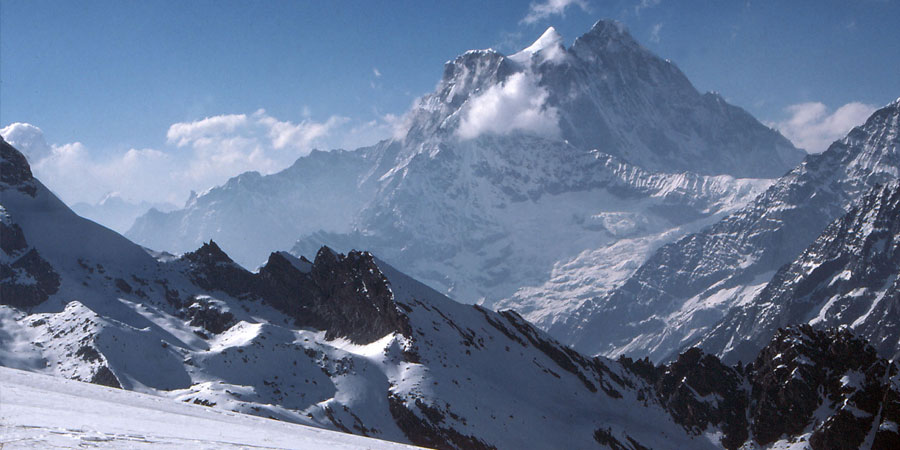
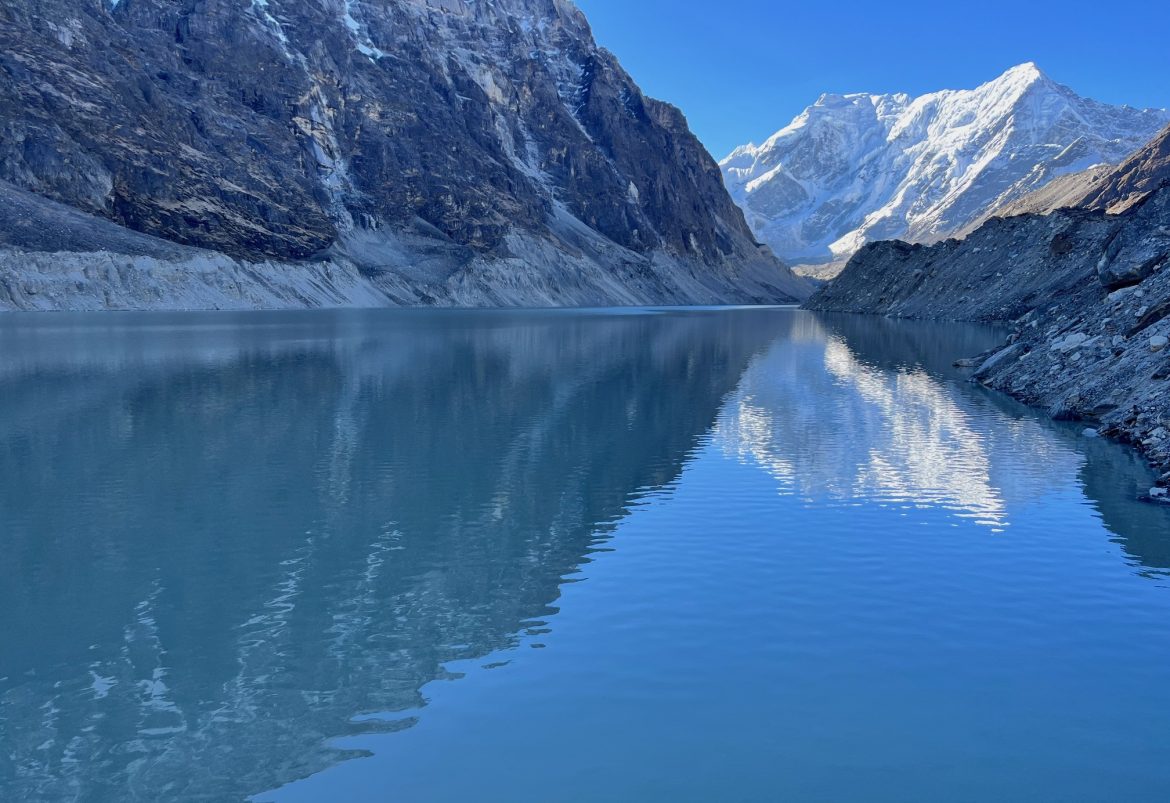
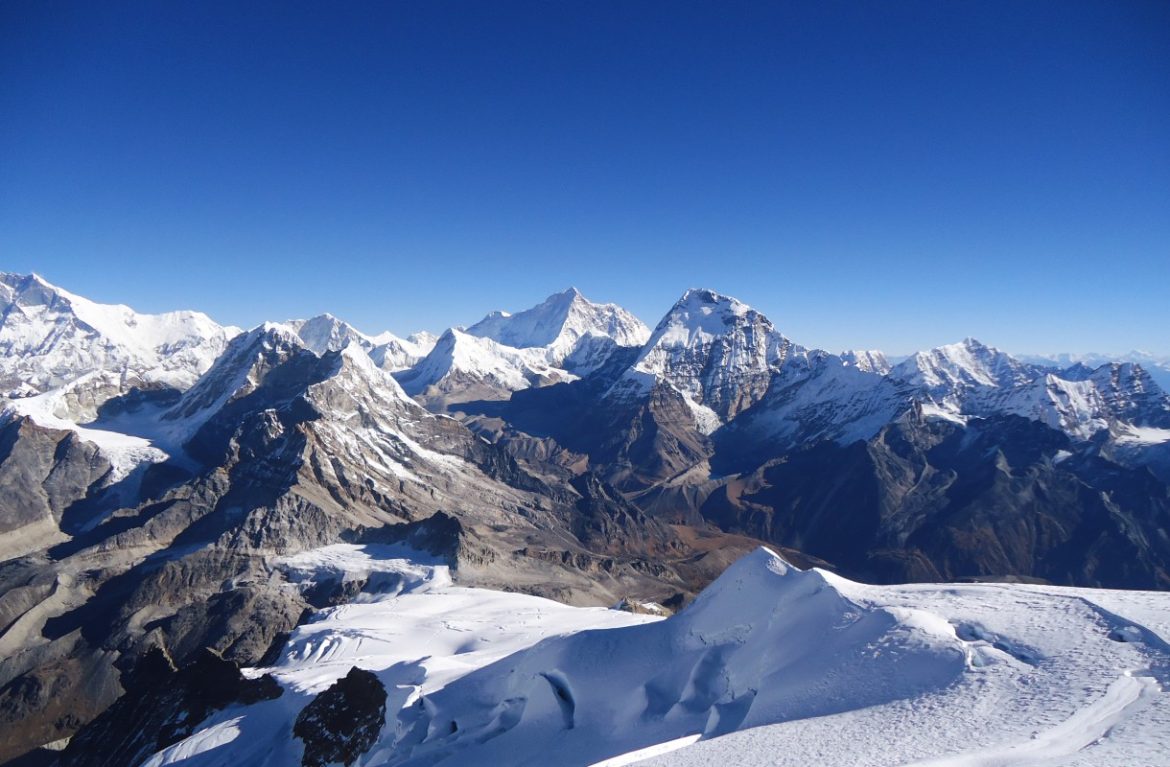
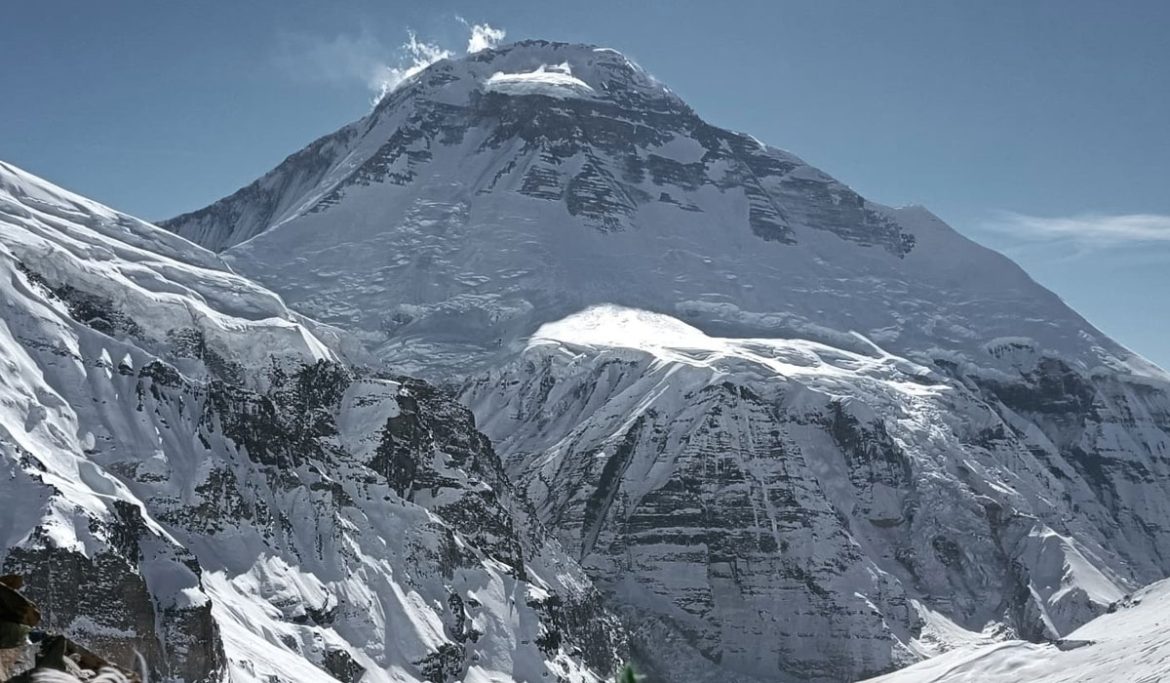
During the trek, you can enjoy spectacular views of Dhaulagiri, Tukuche Peak, Nilgiri, Annapurna, and other surrounding Himalayan mountains. The route also passes through impressive high-altitude landscapes, including glaciers, rocky valleys, and the beautiful Hidden Valley area. Dhampus Peak is an attractive destination for experienced trekkers seeking a challenging Himalayan climbing expedition with professional mountain support.
The expedition requires good physical fitness, proper acclimatization, suitable equipment, and guidance from qualified climbing professionals. AlpineTrav Treks & Expeditions organizes the journey with experienced local guides, camping support, accommodation, meals, transportation, and necessary permits according to the confirmed itinerary. The overall experience offers an opportunity to explore one of Nepal’s remote mountain regions while discovering its natural beauty and traditional culture.
Highlights
- Climb Dhampus Peak (6,012m), also known as Thapa Peak, in Nepal’s Dhaulagiri region.
- Explore the remote and beautiful Dhaulagiri mountain region.
- Enjoy spectacular views of Dhaulagiri, Annapurna, Tukuche Peak, and Nilgiri.
- Trek through traditional villages, forests, rivers, and terraced farmland.
- Experience the peaceful wilderness of the Myagdi region.
- Discover the dramatic landscapes of Hidden Valley.
- Enjoy the natural beauty of glaciers, rocky valleys, and snow-covered mountains.
- Experience local culture and traditional mountain lifestyles.
- Enjoy a fully organized trekking and expedition experience with local support.
- Create unforgettable memories in one of Nepal’s remarkable Himalayan regions.
Dhampus Peak Climbing is a challenging Himalayan adventure that combines remote trekking, mountain scenery, and a high-altitude expedition. The journey offers an opportunity to explore the beautiful Dhaulagiri region and experience the spectacular landscapes of western Nepal.
Customize Your Dhampus Peak Climb
- Dhampus Peak Climbing (6,012m) expedition according to your travel dates, group size, trekking experience, and budget. AlpineTrav can help arrange a personalized itinerary, accommodation, transportation, and expedition support to suit your travel plans. Contact our team for a customized trip proposal and quotation.
Dhampus Peak Climbing (6,012m) – Itinerary
Upon arrival at Tribhuvan International Airport, our representative will welcome you and transfer you to your hotel. After checking in, you can rest and recover from your journey. Later, you will meet the AlpineTrav team for an introduction to the expedition, itinerary overview, and important travel information. Overnight at a hotel in Kathmandu.
Today is reserved for expedition preparation and final travel arrangements. You can explore Kathmandu's cultural heritage sites if time permits. The team will review the required documents, permits, and general equipment arrangements. This is also an opportunity to discuss the journey with your guide and clarify any questions before leaving the city. Overnight at a hotel.
After breakfast, you will transfer to the airport for a scenic flight to Pokhara. During the flight, you may enjoy beautiful views of the Himalayan foothills and surrounding mountain landscapes. After arriving in Pokhara, transfer to your hotel and enjoy some free time near Lakeside. The city provides a comfortable starting point before travelling towards the remote Dhaulagiri region. Overnight at a hotel.
Today, you begin the journey towards Darbang by road. The drive passes through beautiful countryside, rivers, terraced farmland, and traditional settlements. From Darbang, the trekking section begins along the established trail towards Dharapani. Enjoy the peaceful surroundings and experience the rural lifestyle of the region. Overnight at a local lodge or campsite, depending on available facilities.
Continue trekking through green hills, forested trails, and traditional villages. The route offers opportunities to observe local farming practices and enjoy views of the surrounding valleys. As you move further into the Dhaulagiri region, the landscape becomes quieter and more remote. Overnight at the designated accommodation or campsite.
Today's journey continues through remote mountain settlements, forest paths, and terraced fields. You will experience the natural beauty and traditional lifestyle of the local communities. The trail gradually enters a more isolated section of the valley, where accommodation facilities are basic. Overnight at a local lodge or campsite.
Continue you along the trekking route through forested hills and beautiful natural surroundings. The journey follows the valley, with views of waterfalls, rivers, and mountain landscapes along the way. As the route becomes more remote, camping arrangements may be required. Overnight at the designated campsite.
Today, you will continue through a peaceful mountain environment surrounded by forests and rugged hills. The trail gradually leads towards higher elevations, offering a different perspective of the Dhaulagiri landscape. Enjoy the natural surroundings and take time to rest at the campsite after the day's journey.
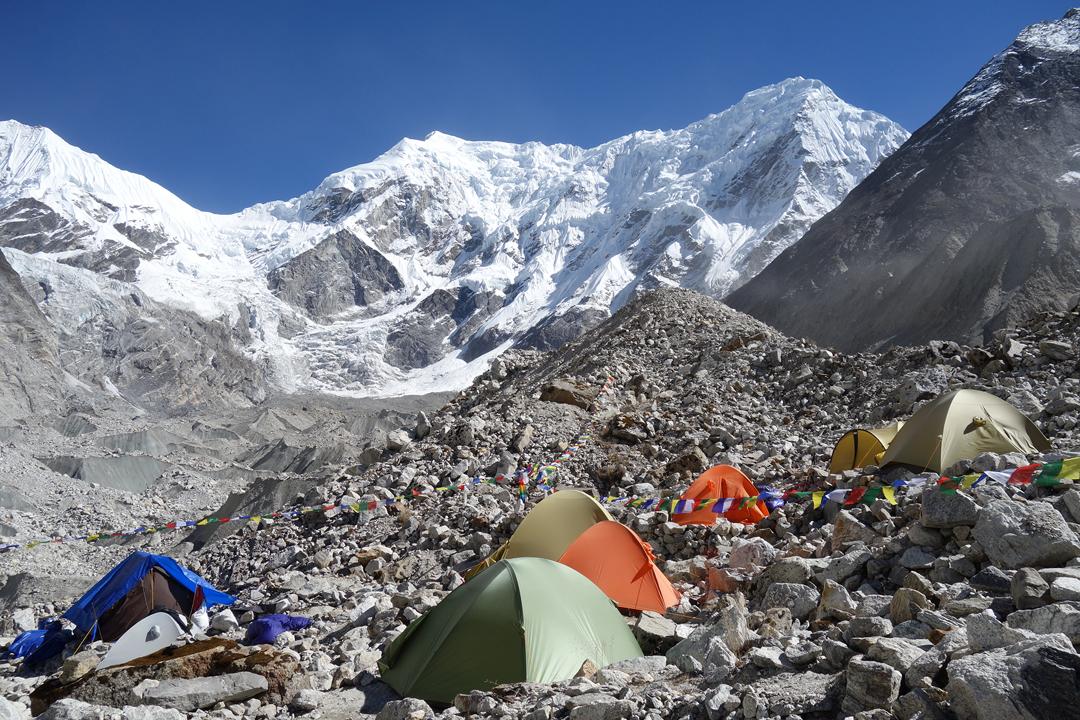
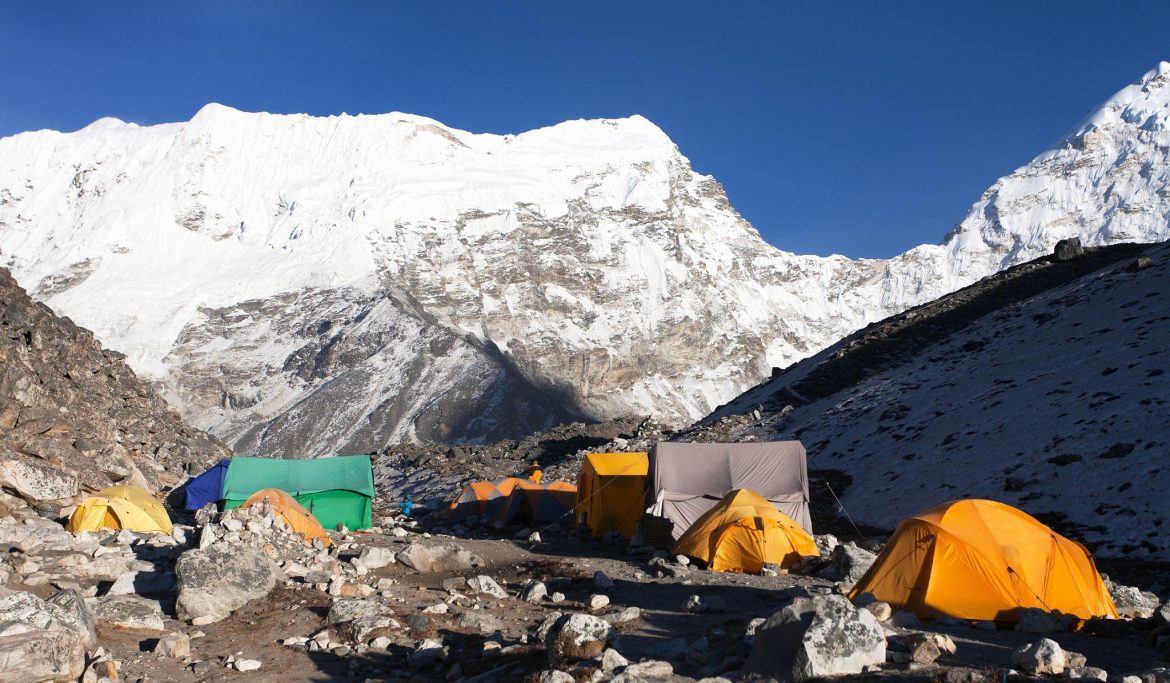
After breakfast, you continue towards Italian Base Camp, entering a more dramatic high-mountain environment. The surrounding scenery includes impressive mountain slopes, glaciers, and snow-covered peaks. As the elevation increases, proper acclimatization and regular health assessments become increasingly important. Overnight at Italian Base Camp in a camping arrangement.
Continue towards Dhaulagiri Base Camp through the remote glacial landscape. The scenery becomes more rugged, with impressive views of the surrounding mountains and ice-covered terrain. On arrival, take time to rest and follow the expedition team's guidance regarding altitude and health. Overnight at Dhaulagiri Base Camp.
Today's journey continues towards the high mountain region of French Pass and Hidden Valley, following the route and schedule confirmed by the expedition team. The landscape offers spectacular views of the surrounding Himalayan peaks and remote valleys. Weather and trail conditions are important considerations in this section. Overnight at the designated campsite.
Spend the day resting and allowing your body time to adjust to the high altitude. The expedition team will monitor the group's general condition and review weather and route conditions. Adequate rest and careful attention to altitude-related symptoms are essential before continuing the journey. Overnight at camp.
This day is reserved for final expedition preparation and a review of the climbing arrangements. The qualified climbing team will assess weather conditions, equipment, and the group's readiness. Any decision about continuing towards the summit will depend on professional assessment and current mountain conditions. Overnight at the designated camp.
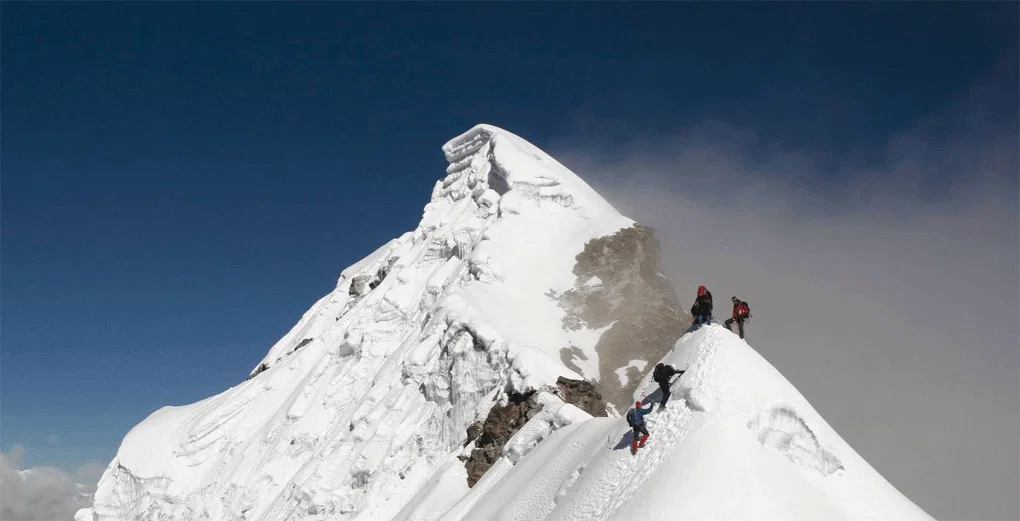
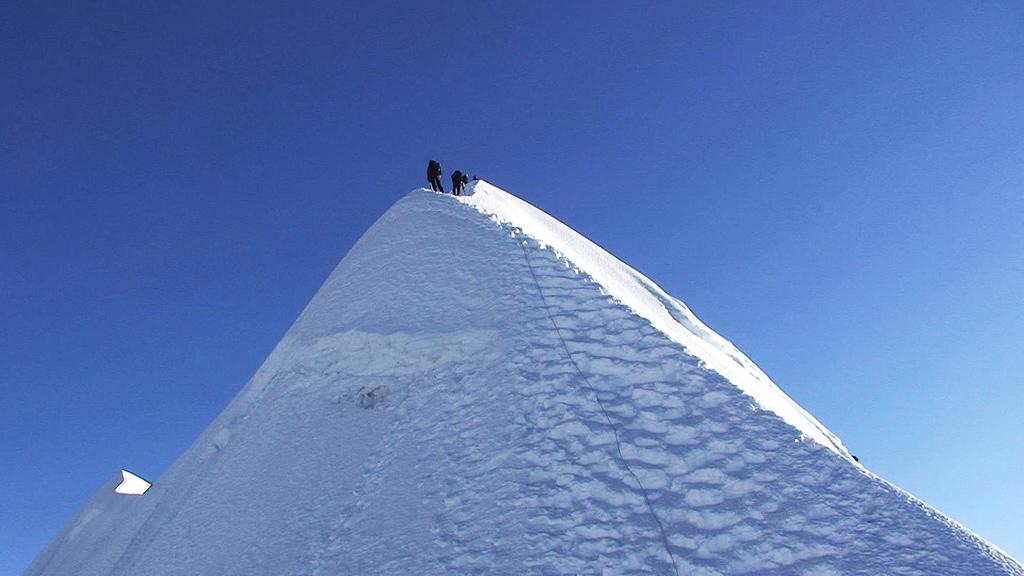
The summit attempt is the main objective of the expedition. Dhampus Peak offers impressive views across the Dhaulagiri range and surrounding Himalayan mountains. The timing and feasibility of the summit attempt depend on weather, route conditions, and the qualified climbing team's assessment. After the expedition phase, return to the designated camp according to the team's plan.
A reserve day is included to provide flexibility in case of unsuitable weather or other unexpected delays. High-altitude mountain conditions can change, so keeping an additional day in the itinerary helps the expedition team make responsible decisions. The team will decide whether conditions are suitable for continuing.
After breakfast, begin the return journey through the beautiful mountain landscape towards Yak Kharka, following the route confirmed by the expedition team. Enjoy the changing scenery as you gradually leave the high-altitude environment behind. Overnight at the designated campsite or available accommodation.
Continue trekking towards the lower Mustang region, enjoying views of dry mountain landscapes, traditional villages, and the surrounding Himalayan scenery. The route gradually leads towards the Kali Gandaki Valley. Overnight at a local lodge in the Marpha area, subject to the confirmed route.
After breakfast, you leave Marpha and drive towards Pokhara, following the scenic route through Tatopani, beautiful river valleys. Enjoy the changing landscapes of the Mustang region, traditional villages, and mountain scenery along the journey. Upon arrival in Pokhara, transfer to your hotel and enjoy a relaxing evening after completing the Dhaulagiri Circuit Trek.
After breakfast, you take a flight back to Kathmandu. Upon arrival, transfer to your hotel and enjoy free time for shopping, sightseeing, or relaxation. In the evening, you can celebrate the completion of your Himalayan journey with the team. Overnight at a hotel in Kathmandu.
Your expedition concludes today. In accordance with your flight schedule, our representative will take you to Tribhuvan International Airport for your onward journey. You will depart from Nepal carrying fond memories of the Dhaulagiri region and its breathtaking mountain vistas.
What's Included and What's Excluded
Services Included
- Airport pickup and drop-off in Kathmandu by private vehicle.
- Hotel accommodation in Kathmandu and Pokhara with breakfast, on a twin-sharing basis.
- Domestic flights between Kathmandu and Pokhara, if included in the confirmed itinerary.
- Ground transportation between Pokhara, Darbang, and other scheduled destinations.
- Accommodation in local lodges and camping arrangements during the trek and expedition.
- Three meals a day (breakfast, lunch, and dinner) during the trekking and camping periods.
- Experienced, English-speaking trekking guide and qualified climbing guide.
- Assistant guide and support staff according to group size and expedition requirements.
- Porter services for shared trekking baggage, according to the agreed baggage allowance.
- Required trekking and climbing permits, including applicable conservation area or national park fees.
- Camping equipment and kitchen support during remote sections of the expedition.
- Group climbing equipment and safety arrangements as specified in the confirmed package.
- First-aid supplies for general trekking support.
- Staff wages, meals, accommodation, transportation, and insurance.
- Government taxes and applicable service charges.
Services Excluded
- International flights to and from Nepal.
- Nepal entry visa fees.
- Travel insurance covering high-altitude mountaineering and emergency evacuation.
- Personal trekking and climbing equipment.
- Lunch and dinner in Kathmandu and Pokhara unless mentioned in the itinerary.
- Extra hotel nights caused by early arrival, late departure, or itinerary changes.
- Personal expenses such as Wi-Fi, phone calls, laundry, charging, and hot showers.
- Bottled drinks, alcoholic beverages, snacks, and additional refreshments.
- Additional porter services or baggage costs beyond the agreed allowance.
- Tips for guides, porters, and other support staff.
- Personal medical expenses, hospital treatment, and emergency evacuation costs.
- Additional accommodation, meals, or transportation caused by flight delays, bad weather, or unforeseen circumstances.
- Any services not specifically mentioned under the Cost Includes section.
Note:
The final inclusions and exclusions may vary according to the confirmed itinerary and expedition arrangements. AlpineTrav Treks & Expeditions will provide a detailed cost breakdown before the trip.
Useful Information – Dhampus Peak Climbing (6,012m)
Dhampus Peak Climbing is a challenging Himalayan expedition in the Dhaulagiri region of western Nepal. The journey combines remote trekking, camping, and high-altitude mountaineering. Before travelling, it is important to understand the weather, accommodation, meals, permits, travel arrangements, and general safety considerations. The following information will help you prepare for your journey.
Best Seasons for Dhampus Peak Climbing
Spring (March to May) and autumn (September to November) are generally the preferred seasons for trekking and climbing in the Dhaulagiri region. These periods often offer more favourable weather and clearer mountain views. Conditions at high altitude can still change quickly, so the expedition schedule should remain flexible.
Weather and Temperature
The weather varies significantly with altitude and season. Lower sections may be relatively mild, while higher camps can experience freezing temperatures, strong winds, snowfall, and rapidly changing conditions. Prepare with suitable warm clothing and follow the expedition team’s weather updates throughout the journey.
Trekking Difficulty and Fitness
Dhampus Peak Climbing is a challenging expedition involving remote trails, long trekking days, and high-altitude conditions. Good physical fitness, previous trekking experience, and proper preparation are important. The journey is best suited to well-prepared trekkers who understand the demands of remote mountain travel.
Altitude and Acclimatization
The expedition reaches approximately 6,012m at the summit. Spending adequate time adjusting to altitude is important. The itinerary should include suitable acclimatization and rest periods. Inform your guide immediately if you feel unwell at altitude, and follow professional medical advice. Do not continue higher when experiencing concerning symptoms.
Accommodation and Camping
Accommodation varies throughout the journey. Hotels are generally arranged in Kathmandu and Pokhara, while local lodges may be available in some lower villages. In remote sections, camping is necessary, with support from the expedition staff. Facilities become increasingly basic as you travel farther into the mountains.
Meals and Drinking Water
During the trekking and camping sections, meals generally include breakfast, lunch, and dinner. Food options may include traditional Nepali dishes, rice, vegetables, noodles, soups, and other simple meals. Safe drinking water is important throughout the journey. Follow your guide’s advice about treated, boiled, or properly filtered water.
Permits and Documentation
Dhampus Peak Climbing requires the applicable trekking and climbing permits for the confirmed route. Permit requirements and fees may vary according to current regulations. AlpineTrav Treks & Expeditions can help arrange the required documentation. Carry a valid passport and keep copies of important travel documents.
Guides and Expedition Support
The journey should be organized with experienced local trekking staff and qualified climbing professionals. The team is responsible for coordinating the expedition, monitoring general conditions, and making decisions based on weather and safety assessments. Follow the instructions of your guide and climbing team throughout the journey.
Transportation and Domestic Flights
The journey generally involves travel between Kathmandu, Pokhara, and the Dhaulagiri region by domestic flight and road transportation, depending on the confirmed itinerary. Domestic flights and mountain roads can be affected by weather and other operational conditions. Allow flexibility for possible delays.
Travel Insurance and Emergency Arrangements
Travel insurance is essential for this type of expedition. Check that your policy specifically covers high-altitude mountaineering up to the planned elevation and emergency helicopter evacuation. Standard travel insurance may not cover technical climbing or high-altitude activities. Discuss emergency arrangements with the expedition organizer before departure.
Communication and Electricity
Mobile network coverage and internet access are limited in remote sections of the Dhaulagiri region. Electricity and charging facilities may not be available at every overnight stop. Carry suitable charging equipment and keep important communication arrangements organized before leaving the lower villages.
Responsible Tourism
Respect local customs, traditions, and communities throughout the journey. Avoid leaving rubbish on trekking trails and camping areas, use local resources responsibly, and follow the environmental guidelines of the region. Responsible travel helps protect the natural beauty of the Dhaulagiri area.
Personal Expenses
Carry enough Nepalese currency for personal expenses during the journey. You may need extra money for snacks, drinks, charging, showers, tips, and other services not included in your package. ATMs and banking facilities are generally unavailable in remote mountain areas.
Itinerary Flexibility and Reserve Days
Mountain weather, trail conditions, and transportation delays can affect the planned schedule. A reserve day is useful for unexpected changes, particularly during the high-altitude expedition. The final itinerary should be confirmed with the expedition team before departure.
Equipment Checklist
Climbing Dhampus Peak requires appropriate trekking attire, personal gear, and equipment essential for high-altitude mountaineering. There can be a significant temperature difference between the villages in the lower regions and the high-altitude base camps; therefore, it is crucial to be well-prepared for cold weather, strong winds, and ever-changing mountain conditions. The list provided below offers a general overview of the necessary equipment.
Clothing
- Warm base layers and thermal underwear
- Fleece or insulated mid-layers
- Warm down jacket
- Waterproof and windproof jacket
- Waterproof trekking trousers
- Comfortable trekking shirts and trousers
- Warm hat and sun hat
- Neck warmer or buff
- Warm gloves and waterproof outer gloves
- Several pairs of trekking socks
- Comfortable underwear
Footwear
- Comfortable, well-fitting trekking boots
- Warm trekking socks
- Suitable mountaineering boots, as advised by the climbing team
- Comfortable camp shoes or sandals
Personal Trekking Equipment
- Daypack for daily personal belongings
- Duffel bag for luggage carried by porters
- Sleeping bag suitable for the expected temperatures
- Trekking poles
- UV-protection sunglasses
- Headlamp
- Reusable water bottles
- Sunscreen and lip balm
- Quick-drying towel
- Personal toiletries
- Camera or mobile phone with charging accessories
Mountaineering Equipment
- Climbing harness
- Climbing helmet
- Crampons compatible with mountaineering boots
- Ice axe
- Suitable climbing gloves
- Mountaineering goggles
- Other personal safety equipment specified by the qualified climbing team
Personal Medical and Hygiene Items
- Personal medication
- Small personal first-aid kit
- Hand sanitiser
- Wet wipes and tissues
- Basic personal hygiene supplies
- Any prescribed medication recommended by your healthcare professional
Important Documents and Accessories
- Valid passport
- Nepal visa, where required
- Travel insurance documents covering high-altitude mountaineering and emergency evacuation
- Copies of important travel documents
- Emergency contact details
- Some Nepalese cash for personal expenses
- Waterproof bags for protecting important belongings
FAQs of Chulu Far East Peak Climb
Dhampus Peak, also known as Thapa Peak, is located in the Dhaulagiri region of western Nepal. It lies near the Dhaulagiri mountain range and offers impressive views of surrounding Himalayan peaks. The journey takes you through remote valleys, traditional villages, glaciers, and high mountain landscapes.
Dhampus Peak stands at approximately 6,012 metres (19,724 feet) above sea level. Reaching this elevation is a challenging high-altitude mountaineering experience that requires proper preparation, suitable acclimatization, and professional climbing support.
The expedition generally takes around 20 days, including arrival and departure, trekking, acclimatization, climbing arrangements, and return travel. The exact duration depends on the confirmed route, weather conditions, and transportation schedule.
Dhampus Peak is considered a challenging high-altitude mountaineering expedition. The journey involves remote trekking, long walking days, camping, and cold mountain conditions. Good physical fitness, previous mountain experience, and qualified professional support are important.
Spring (March to May) and autumn (September to November) are generally preferred for trekking and climbing in the Dhaulagiri region. These seasons often provide better visibility and more favourable conditions. However, high-altitude weather can change unexpectedly.
Previous high-altitude trekking and mountaineering experience is strongly recommended. This is not a suitable destination for an unprepared beginner. Discuss your previous mountain experience with a qualified expedition organizer before considering the journey.
The expedition requires the applicable climbing permit and other trekking or conservation permits according to the confirmed route and current Nepal regulations. AlpineTrav Treks & Expeditions can help coordinate the necessary permits and documentation.
Accommodation varies depending on the location. In Kathmandu and Pokhara, the package generally includes hotel accommodation. During lower trekking sections, local teahouses or lodges may be available. In remote mountain areas, camping is necessary, with expedition staff arranging tents and basic camp facilities.
The package generally includes breakfast, lunch, and dinner during the trekking and camping sections. Meals may include traditional Nepali dishes, rice, lentils, vegetables, noodles, soups, and other simple food options. Choices become more limited in remote areas.
You should prepare suitable trekking clothing, warm layers, waterproof outerwear, comfortable footwear, a sleeping bag, sunglasses, and personal items. The qualified climbing team will confirm technical equipment requirements and clarify which group equipment is provided.
Yes. The expedition reaches approximately 6,012 metres, where altitude-related illness is a serious concern. The itinerary should allow adequate acclimatization and rest. Inform your guide immediately if you feel unwell, and follow professional medical advice.
Yes. The package can include an experienced trekking guide, qualified climbing professionals, porters, and camping support staff according to the group size and confirmed arrangements. The team helps coordinate accommodation, meals, transportation, and general expedition services.
The Dhaulagiri region offers impressive Himalayan scenery. Depending on the route and weather, you may enjoy views of Dhaulagiri, Tukuche Peak, Nilgiri, Annapurna, and other surrounding mountains. The landscape also includes remote valleys, glaciers, and the beautiful Hidden Valley area.
Yes. Comprehensive travel insurance is essential. Your policy should specifically cover high-altitude mountaineering up to at least the planned elevation and emergency helicopter evacuation. Check the coverage limits and exclusions carefully before travelling.
Mobile network and internet access are limited in remote parts of the Dhaulagiri region. Some lower villages may have basic communication facilities, but reliable connectivity should not be expected throughout the journey. Inform family members about possible communication gaps before starting the trek.
Yes. The itinerary can be discussed according to your travel dates, group size, previous mountain experience, and available time. Additional days may be considered for acclimatization or schedule flexibility, subject to approval by a qualified local expedition team.
Weather conditions in the high Himalayas can change quickly and may affect the planned schedule. The climbing team will assess conditions before making any summit-related decisions. Safety must always come before reaching the summit, and the team may postpone or cancel the attempt if conditions are unsuitable.
Dhampus Peak Climbing is not generally recommended for beginners without relevant high-altitude trekking and mountaineering experience. The expedition involves remote mountain travel, demanding conditions, and a summit at approximately 6,012 metres. Anyone considering this journey should discuss their experience and preparation with a qualified expedition professional.
The package can include airport transfers, hotel accommodation, domestic transportation, trekking and camping accommodation, meals, permits, guides, porters, and expedition support, depending on the confirmed itinerary. Personal climbing equipment, international flights, travel insurance, and personal expenses are generally excluded unless specifically stated.
Yes. Flight disruptions, changing weather, trail conditions, and other unexpected circumstances may affect the planned itinerary. Additional accommodation, meals, transportation, or staff services may create extra costs if the journey is extended. Keeping some flexibility in your travel arrangements is recommended.
 Nepal