

Island Peak Climbing – 17-Day
-
Everest Region, Nepal
-
Challenging / Technical
-
March–May and September–November
-
6,189 m (20,305 ft)
-
17 Days (11 Days of Trek/climb)
-
Private vehicle / Flights
-
Hotel/ Lodge/ Tent
-
Breakfast, Lunch, and Dinner During the Trek/climb
<strong>Who we are</strong> Our website address is: <a href="http://www.alpinetrav.com" target="_new" rel="noopener">http://www.alpinetrav.com</a>. <hr /> <strong>What personal data we collect and why we collect it</strong> <h3>Plugin Data Collection and Compliance</h3> This website uses plugins that may store personal information. These plugins comply with GDPR regulations and are designed to manage and protect your data securely. Below are details on what data may be collected and why: <ol> <li><strong>Contact Forms</strong> <ul> <li>When you use contact forms, the plugin may collect your name, email, and other necessary details to provide responses to your inquiries.</li> <li>This data is stored to enable us to respond to your messages effectively and is retained only as long as necessary for communication.</li> </ul> </li> <li><strong>Comments and Spam Detection</strong> <ul> <li>Comments on the site collect data shown in the form, as well as the visitor’s IP address and browser user agent string to assist in spam detection.</li> <li>This data may also be shared with an automated spam detection service.</li> </ul> </li> <li><strong>Cookies and Data Storage</strong> <ul> <li>Some plugins may set cookies to improve user experience, such as storing login information or remembering preferences. These cookies comply with GDPR standards and expire after a set period or upon logging out.</li> <li>Cookies specifically used by these plugins do not collect personal data unless explicitly mentioned.</li> </ul> </li> <li><strong>Embedded Content</strong> <ul> <li>Embedded content from third-party websites may behave as if the visitor has visited those external websites. These third-party sites might collect data and track your interaction as per their policies.</li> </ul> </li> <li><strong>Analytics</strong> <ul> <li>Some plugins may collect anonymous analytics to improve site performance. However, no personal information is stored unless explicitly noted, and all data complies with GDPR standards.</li> </ul> </li> </ol> <h3>How Long We Retain Your Data</h3> The collected data is stored only as long as necessary for the intended purposes, such as for communication or to improve the site experience. This may vary based on the plugin and specific regulatory requirements. <h3>What Rights You Have Over Your Data</h3> Under GDPR, you have the right to: <ul> <li>Access: Request a copy of the personal data we hold.</li> <li>Rectification: Correct any data we hold about you that is incorrect.</li> <li>Erasure: Request the deletion of your data, provided it is no longer necessary for regulatory or operational purposes.</li> </ul> For requests, please contact us using the information in our Contact section below. <hr /> <strong>Where We Send Your Data</strong> Visitor comments may be checked through an automated spam detection service. Some plugins may also send anonymized data to third parties as part of analytics or performance monitoring. <strong>How We Protect Your Data</strong> All data managed by this website and its plugins is stored securely. We ensure our plugins meet industry standards for encryption and data protection. We also regularly update our website to prevent unauthorized access.
Everest Region Island Peak Climbing (6,189 m) – 17 Days
Island Peak (6,189 m), also known as Imja Tse, is one of the most popular trekking peaks in Nepal’s Everest region. Located in the heart of the Khumbu Himalayas, near the Imja Glacier and surrounded by spectacular mountain scenery, Island Peak offers an exciting opportunity to experience Himalayan mountaineering. The peak is an excellent choice for adventurous trekkers who wish to take their high-altitude experience to the next level and challenge themselves with a technical Himalayan summit.
The Island Peak climbing journey combines the classic Everest Base Camp trekking route with an unforgettable mountaineering experience. The adventure begins with a scenic flight to Lukla and continues through beautiful Sherpa villages, lush forests, suspension bridges and traditional Buddhist monasteries. Along the way, trekkers explore famous destinations such as Namche Bazaar, Tengboche, Dingboche and Chhukung while enjoying breathtaking views of Mount Everest, Lhotse, Nuptse, Ama Dablam and other Himalayan giants.
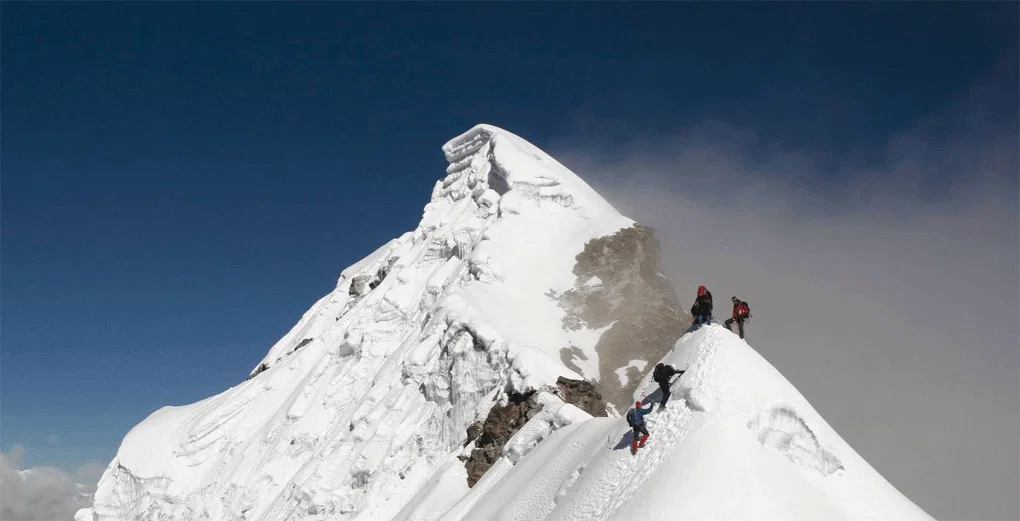
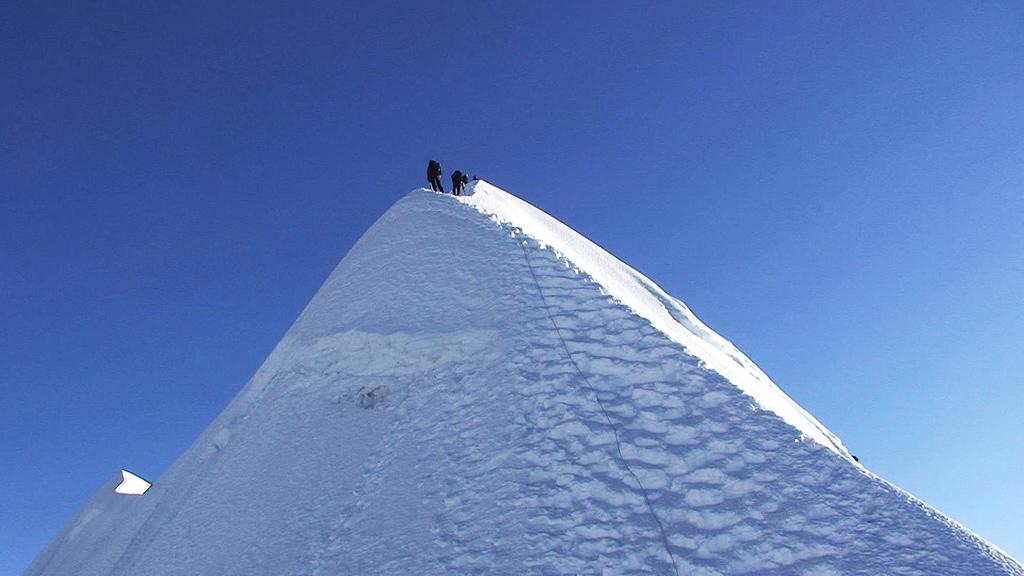
Before attempting the summit, climbers spend time acclimatizing and preparing at Chhukung and Island Peak Base Camp. The summit climb involves glacier travel, the use of crampons, ice axes, harnesses and fixed ropes, as well as a steep final ascent towards the summit ridge. Reaching the top of Island Peak at 6,189 metres rewards climbers with spectacular panoramic views of the surrounding Himalayan peaks and an unforgettable sense of achievement.
Island Peak climbing is a challenging but rewarding adventure suitable for physically fit trekkers with previous high-altitude trekking experience and appropriate preparation. With professional climbing guides, proper acclimatization, technical equipment and careful planning, this expedition offers an incredible opportunity to experience the beauty, culture and adventure of the Everest region.
Highlights
- Reach the summit of Island Peak (6,189 m), one of Nepal’s most popular trekking peaks.
- Enjoy spectacular panoramic views of Mount Everest, Lhotse, Nuptse, Makalu and Ama Dablam.
- Experience an exciting combination of high-altitude trekking and technical mountaineering.
- Explore the beautiful Khumbu Valley and traditional Sherpa villages.
- Visit the famous Namche Bazaar, the cultural heart of the Everest region.
- Explore Tengboche Monastery, one of the most important Buddhist monasteries in the Khumbu region.
- Enjoy breathtaking views of glaciers, icefalls and dramatic Himalayan landscapes.
- Acclimatize in Dingboche and Chhukung before the summit attempt.
- Experience glacier climbing using crampons, ice axes, harnesses and fixed ropes.
- Discover the unique Sherpa culture, traditions and mountain lifestyle.
- Trek through Sagarmatha National Park, a UNESCO World Heritage Site.
- Celebrate the unforgettable achievement of reaching a 6,000-metre Himalayan summit.
Why Choose Island Peak Climbing?
Island Peak Climbing (6,189 m) is an exciting Himalayan adventure that combines scenic trekking, Sherpa culture and technical mountaineering. Located in the beautiful Everest region, the journey offers breathtaking views of Everest, Lhotse, Nuptse and Ama Dablam. Along the way, you will explore traditional Sherpa villages, ancient monasteries and the stunning Khumbu Valley. It is an excellent opportunity for adventure lovers to experience high-altitude climbing, challenge themselves and enjoy the unforgettable achievement of reaching a Himalayan summit.
Customize Your Island Peak Climbing
- Make your Island Peak Climbing adventure truly personal with a flexible itinerary tailored to your schedule, experience and preferences. You can customize the trip duration, trekking pace, accommodation and additional activities to suit your needs. Our team will help you create a comfortable, safe and memorable Himalayan climbing experience.
Island Peak Climbing (6,189 m) - Itinerary
Upon your arrival at Tribhuvan International Airport, our representative will welcome you and transfer you to your hotel. After checking in, you can relax and recover from your journey. In the evening, you will meet your trekking and climbing guide for a briefing about the Island Peak climbing adventure, including the itinerary, safety information and necessary preparations.
Accommodation: Hotel
Meals: Not included
Today is dedicated to final preparations for the expedition. You will complete the necessary permit arrangements, check your climbing equipment and purchase or rent any remaining gear. Your guide will review the trekking route, climbing procedures and safety precautions to ensure that everything is ready for the journey.
Accommodation: Hotel
Meals: Breakfast
After an early breakfast, transfer to the airport for a scenic flight to Lukla, offering beautiful views of the Himalayan mountains. Upon arrival, meet the remaining trekking crew and begin your trek towards Phakding. The trail gradually descends through traditional Sherpa villages, pine forests and suspension bridges, following the beautiful Dudh Koshi River. After approximately three to four hours of walking, you will reach Phakding, where you will spend the night.
Walking time: 3-4 hours
Accommodation: Teahouse/Lodge
Meals: Breakfast, lunch and dinner
After breakfast, continue trekking along the Dudh Koshi River, crossing several suspension bridges decorated with colourful prayer flags. The trail passes through Monjo, where you enter Sagarmatha National Park, before continuing towards the famous Hillary Suspension Bridge. From here, a steady uphill climb takes you through beautiful forests to Namche Bazaar, the main trading centre of the Khumbu region. Enjoy spectacular mountain scenery along the way before settling into your lodge.
Walking time: 6-7 hours
Accommodation: Teahouse/Lodge
Meals: Breakfast, lunch and dinner
Today is an important acclimatization day to help your body adjust to the increasing altitude. After breakfast, take a short hike towards Everest View Hotel or nearby viewpoints, where you can enjoy magnificent views of Mount Everest, Ama Dablam, Thamserku and other Himalayan peaks. You can also explore Namche Bazaar, visit local shops and museums, and experience the traditional Sherpa culture. Return to your lodge for an overnight stay.
Walking time: 2-3 hours
Accommodation: Teahouse/Lodge
Meals: Breakfast, lunch and dinner
After breakfast, you leave Namche Bazaar and follow a beautiful mountain trail with breathtaking views of Everest, Lhotse, Nuptse and Ama Dablam. The route gradually descends through forests before crossing the Dudh Koshi River and climbing towards Tengboche. This beautiful village is famous for its historic Buddhist monastery and spectacular Himalayan surroundings. Upon arrival, explore the monastery if open and enjoy the peaceful mountain atmosphere.
Walking time: 5-6 hours
Accommodation: Teahouse/Lodge
Meals: Breakfast, lunch and dinner
After breakfast; Today, continue your journey towards Dingboche, passing through beautiful alpine forests and traditional Sherpa settlements. The trail descends towards Debuche before crossing the Imja Khola and continuing through Pangboche village. Along the way, enjoy impressive views of Ama Dablam and the surrounding mountains. After a gradual uphill walk, you will reach Dingboche, a beautiful settlement surrounded by stone-walled fields and dramatic Himalayan landscapes.
Walking time: 5-6 hours
Accommodation: Teahouse/Lodge
Meals: Breakfast, lunch and dinner
Spend another important day acclimatizing to the higher altitude. After breakfast, take a gradual acclimatization hike towards Nagarjun Hill or another suitable nearby viewpoint. From the higher elevations, you can enjoy outstanding views of Makalu, Lhotse, Island Peak and the surrounding Himalayan mountains. After the hike, return to Dingboche, relax and prepare for the next stage of the expedition.
Walking time: 3-4 hours
Accommodation: Teahouse/Lodge
Meals: Breakfast, lunch and dinner
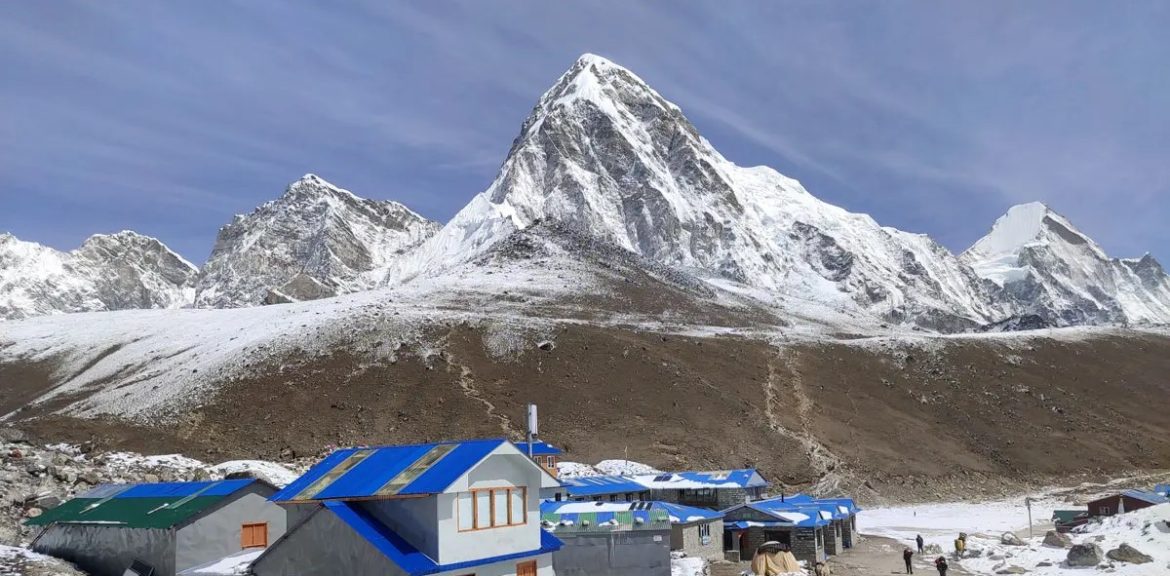
Today, you continue towards Chhukung through the beautiful Imja Valley. The trail gradually ascends across open alpine landscapes, surrounded by impressive Himalayan peaks, glaciers and rocky hillsides. As you approach Chhukung, the scenery becomes increasingly dramatic, with spectacular views of Island Peak and the surrounding mountains. Upon arrival, settle into your lodge and rest in preparation for the climbing section.
Walking time: 3-4 hours
Accommodation: Teahouse/Lodge
Meals: Breakfast, lunch and dinner
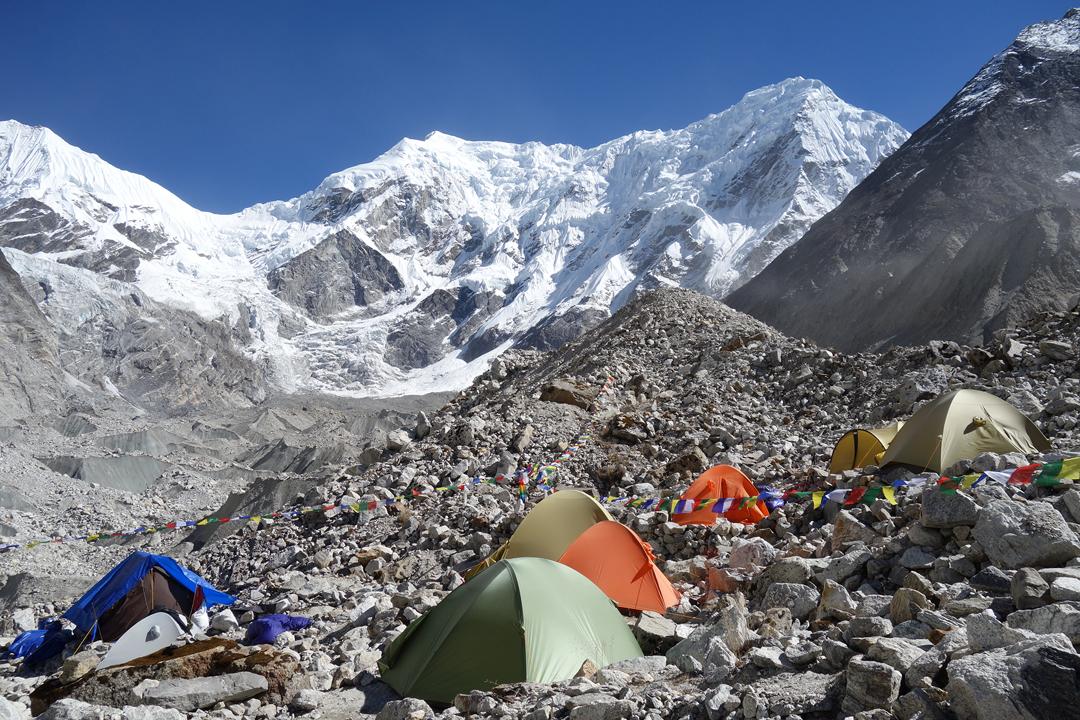
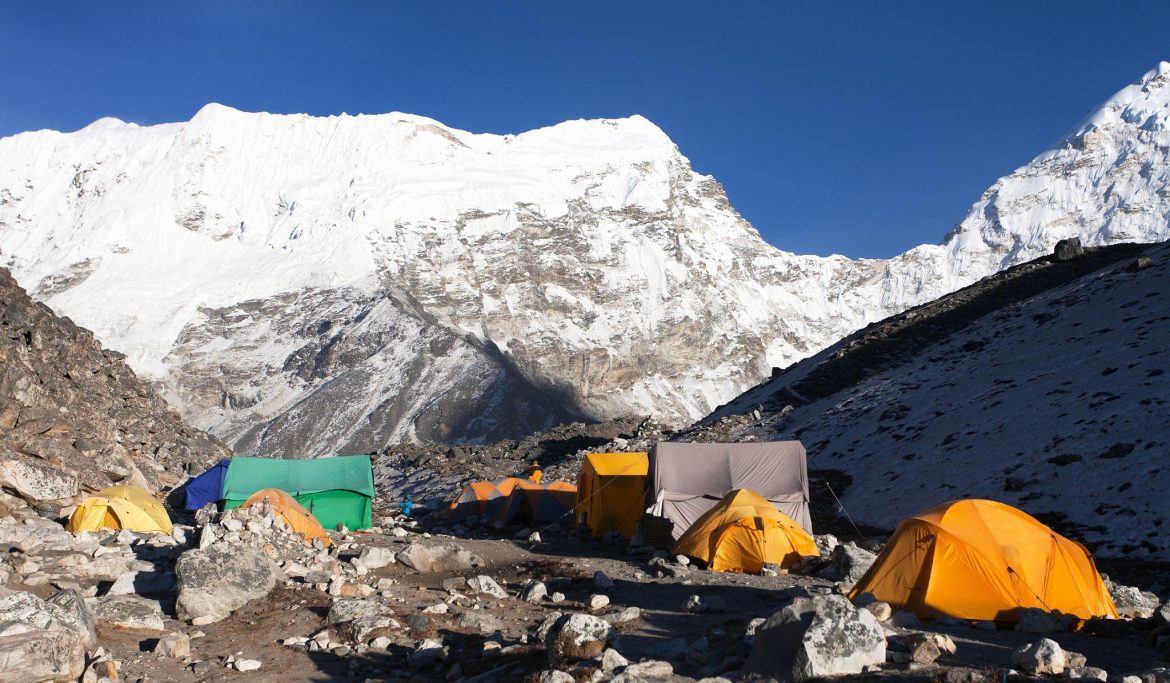
Today, leave Chhukung and trek towards Island Peak Base Camp. The route follows the Imja Valley and crosses rugged mountain terrain with impressive views of the surrounding glaciers and peaks. After reaching Base Camp, you will meet your climbing guide and prepare for the summit attempt. Your guide will provide a briefing on climbing techniques, rope systems, glacier travel and safety procedures. Spend the evening resting and preparing your equipment for the following day's climb.
Walking time: 3-4 hours
Accommodation: Tent Camp
Meals: Breakfast, lunch and dinner
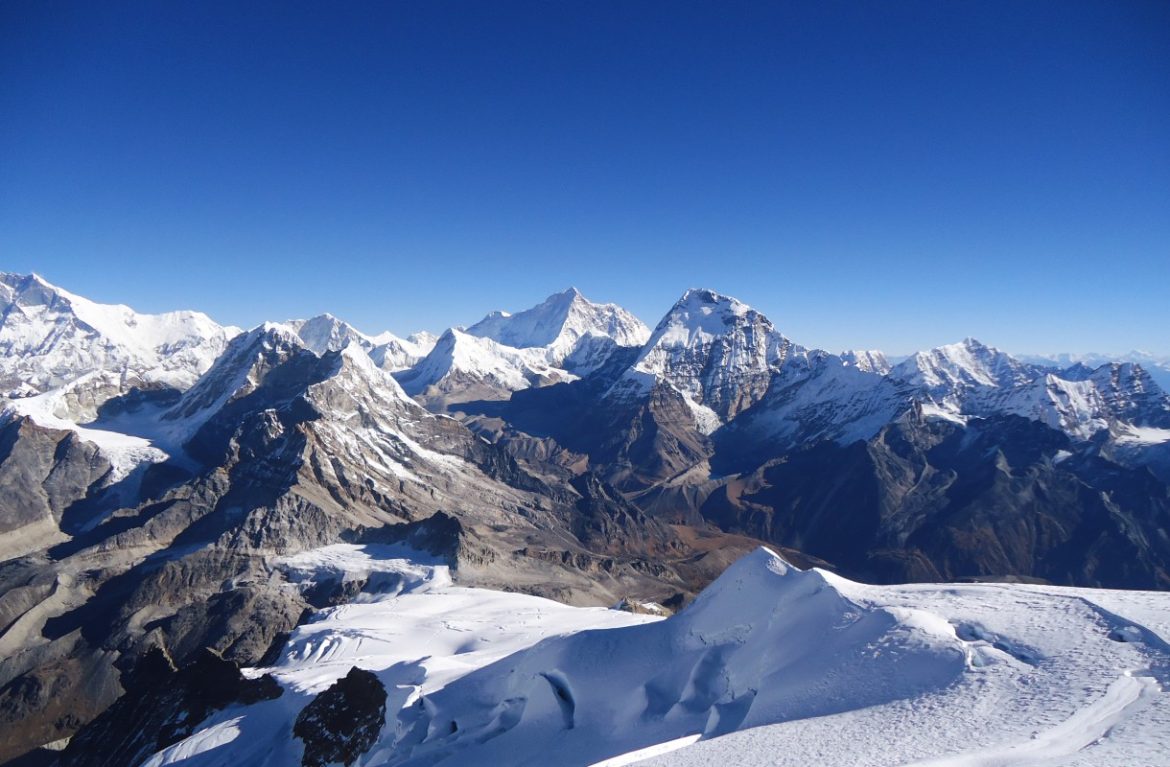
Today is the most challenging and rewarding day of the expedition. You will start the climb very early in the morning, following your climbing guide through rocky slopes and glacial terrain. As you approach the glacier, you will use appropriate technical climbing equipment, including crampons, harnesses and fixed ropes where required. The final ascent involves a steep section leading to the summit ridge. Upon reaching the summit of Island Peak at 6,189 metres, enjoy spectacular panoramic views of Everest, Lhotse, Makalu, Ama Dablam and the surrounding Himalayan giants. After celebrating your achievement and taking photographs, carefully descend to Base Camp for an overnight stay.
Climbing time: 10-12 hours
Accommodation: Tent Camp
Meals: Breakfast, lunch and dinner
This your additional day is reserved as a contingency in case of unfavourable weather, difficult climbing conditions or the need for another summit attempt. If the summit has already been successfully completed and conditions allow, you may descend towards Chhukung or spend additional time resting before continuing the return journey. The final decision will depend on weather conditions, your physical condition and your climbing guide's assessment.
Accommodation: Tent Camp
Meals: Breakfast, lunch and dinner
After breakfast, begin descending through the beautiful Imja Valley, passing Dingboche and Pangboche villages. Enjoy the changing mountain scenery as you gradually lose elevation and return towards the greener landscapes of the lower Khumbu region. Continue through traditional Sherpa settlements and forested trails before reaching Tengboche. Enjoy your final evening surrounded by the spectacular Himalayan mountains.
Walking time: 6-7 hours
Accommodation: Teahouse/Lodge
Meals: Breakfast, lunch and dinner
Today, retrace your steps through the beautiful forests and traditional villages of the Khumbu region. The trail descends towards the Dudh Koshi River before gradually climbing back to Namche Bazaar. Along the way, enjoy your final close-up views of Ama Dablam, Everest and other magnificent Himalayan peaks. Upon reaching Namche, relax at your lodge and celebrate the successful completion of your Island Peak climbing adventure.
Walking time: 5-6 hours
Accommodation: Teahouse/Lodge
Meals: Breakfast, lunch and dinner
After breakfast, begin your final trekking day towards Lukla. The trail descends through Monjo, Phakding and several traditional Sherpa villages, crossing suspension bridges and following the Dudh Koshi River. Although the route involves several uphill and downhill sections, you can enjoy the beautiful scenery and reflect on the memorable experiences of your Himalayan journey. Upon arrival in Lukla, celebrate the completion of your trek with your guide and trekking crew.
Walking time: 6-7 hours
Accommodation: Teahouse/Lodge
Meals: Breakfast, lunch and dinner
After breakfast, you take an early morning flight from Lukla to Kathmandu, enjoying your final aerial views of the Himalayan mountains. Upon arrival, transfer to your hotel and enjoy the rest of the day at leisure. Your unforgettable Island Peak climbing adventure comes to an end with wonderful memories of the Everest region, its beautiful landscapes and the achievement of reaching a Himalayan summit.
Accommodation: Hotel
Meals: Breakfast
Your Island Peak Climbing (6,189 m) adventure concludes today. Our representative will transfer you to Tribhuvan International Airport for your onward flight. We hope you leave Nepal with wonderful memories of your Himalayan climbing experience.
Meals: Breakfast
What's Included and What's Excluded
Services Included
- Airport pick-up and drop-off services by private vehicle.
- Three nights' accommodation in Kathmandu on a bed-and-breakfast basis.
- Domestic flights between Kathmandu and Lukla, including return flights.
- All necessary Island Peak climbing permits and government fees, including the applicable climbing permit.
- Sagarmatha National Park entry permit and Khumbu Pasang Lhamu rural municipality fee.
- Experienced, English-speaking trekking and climbing guides.
- Required climbing Sherpa support as per the group arrangement.
- Trekking and climbing crew salaries, insurance, accommodation, meals and necessary equipment.
- Accommodation in comfortable teahouses and lodges during the trek.
- Full-board meals (breakfast, lunch and dinner) during the trek and climbing period.
- Island Peak climbing equipment and group gear, including ropes and other technical equipment required for the expedition.
- To carry trekking luggage, according to the agreed porter-to-client ratio.
- Guide and porter transportation, meals, accommodation and allowances.
- First-aid medical kit and basic safety equipment.
- Farewell dinner in Kathmandu after the successful completion of the trip.
- Government taxes and applicable service charges.
Services Excluded
- International airfare to and from Nepal.
- Nepal entry visa fees.
- Lunch and dinner in Kathmandu.
- Personal expenses such as beverages, bottled water, snacks, chocolates and additional food items.
- Personal trekking and climbing equipment, including boots, sleeping bags, down jackets, crampons, harnesses, ice axes and climbing clothing, unless specifically provided in the package.
- Travel insurance covering high-altitude trekking, mountaineering and emergency helicopter evacuation.
- Emergency rescue and evacuation costs.
- Tips and gratuities for guides, climbing Sherpas and porters.
- Additional hotel accommodation in Kathmandu due to early arrival, late departure or unforeseen circumstances.
- Extra accommodation and meals caused by flight delays, cancellations or itinerary changes beyond the company's control.
- Hot showers, Wi-Fi, battery charging and laundry services during the trek.
- Additional costs arising from natural disasters, bad weather, political disturbances or other unforeseen circumstances.
- Personal medical expenses and medications.
- Any services or expenses not specifically mentioned in the cost-includes section.
Note:
The exact inclusions may vary depending on the selected package, group size and service arrangements. Personal climbing equipment, insurance and emergency evacuation coverage should be confirmed before departure.
Useful Information – Island Peak Climbing
Island Peak Climbing (6,189 m) is a challenging Himalayan adventure that requires proper planning, physical fitness and suitable mountaineering equipment. Before starting the expedition, it is important to understand the climbing difficulty, best seasons, permits, acclimatization, accommodation, meals, transportation and safety arrangements. Good preparation, experienced climbing guides and comprehensive travel insurance will help make your journey safer, more comfortable and enjoyable. The following useful information will help you prepare for a successful Island Peak climbing adventure.
Best Time for Island Peak Climbing
The best seasons for Island Peak Climbing are spring (March to May) and autumn (September to November). During these periods, the weather is generally more stable, mountain visibility is better and climbing conditions are more favourable. Spring offers warmer temperatures and beautiful Himalayan scenery, while autumn provides clear skies and excellent mountain views.
Climbing Difficulty
Island Peak is a challenging trekking peak that requires physical fitness, endurance and basic mountaineering skills. The expedition involves long trekking days, high-altitude walking, glacier crossings and a technical summit section using fixed ropes. Previous high-altitude trekking experience is highly recommended, and basic climbing knowledge will be an advantage.
Physical Fitness and Preparation
Good physical fitness is essential for a successful Island Peak expedition. Climbers should prepare themselves with regular hiking, running, cycling, stair climbing and strength training at least two to three months before departure. Building stamina and leg strength will help you manage long walking days, steep ascents and the demanding summit climb.
Acclimatization and Altitude Sickness
Acclimatization is one of the most important aspects of Island Peak Climbing because the expedition reaches 6,189 metres above sea level. The itinerary includes acclimatization days in Namche Bazaar and Dingboche to help your body gradually adjust to increasing altitude. Walk slowly, stay hydrated and follow your guide’s instructions. If you experience headaches, nausea, dizziness or unusual fatigue, inform your guide immediately.
Required Climbing Permits
Island Peak Climbing requires an official climbing permit issued by the relevant Nepalese authorities. Trekkers must also obtain the Sagarmatha National Park entry permit and Khumbu Pasang Lhamu rural municipality fee. These permits are essential for accessing the Everest region and climbing Island Peak. Your trekking company normally arranges the necessary permits before the expedition begins.
Accommodation and Meals
During the trekking journey, accommodation is generally provided in local teahouses and mountain lodges. Rooms are usually simple and comfortable, with shared bathroom facilities in many locations. Meals include traditional Nepali dishes, rice, noodles, soups, vegetables, pasta, potatoes and other available options. At Island Peak Base Camp, camping arrangements may be required depending on the climbing package.
Required Climbing Equipment
Proper climbing equipment is essential for the Island Peak summit attempt. Important personal equipment includes mountaineering boots, crampons, an ice axe, climbing harness, helmet, carabiners, ascender, warm gloves and suitable technical clothing. Your climbing guide will provide instructions on how to use the equipment safely. Confirm with your trekking company which technical equipment is included in the package and which items you must bring yourself.
Travel Insurance
Comprehensive travel insurance is mandatory for this adventure. Your insurance policy must specifically cover high-altitude mountaineering up to at least 6,189 metres, emergency helicopter evacuation and medical expenses. Before travelling to Nepal, carefully check the policy exclusions and ensure that Island Peak climbing activities are covered.
Experienced Climbing Guide and Support Team
An experienced climbing guide is essential for a safe and well-organized expedition. Your guide will provide technical climbing instructions, explain the use of climbing equipment, monitor weather and route conditions, and assist during the summit attempt. A reliable support team also helps with logistics, accommodation, meals and overall expedition arrangements.
Weather and Temperature
Weather conditions in the Everest region can change quickly, particularly at higher elevations. During spring and autumn, daytime temperatures are generally more comfortable at lower elevations, while nights at Base Camp and higher altitudes can be extremely cold. Strong winds, snowfall and poor visibility may affect the summit schedule. Carry appropriate warm clothing and allow an extra contingency day for unexpected weather conditions.
Packing List
Packing the right equipment is important for comfort, safety and successful climbing. Essential items include thermal base layers, fleece jackets, a down jacket, waterproof trousers and jacket, mountaineering boots, trekking shoes, gloves, sunglasses, sunscreen, a sleeping bag, trekking poles and personal medication. Pack carefully to avoid unnecessary weight while ensuring that all essential trekking and climbing equipment is available.
Drinking Water and Personal Hygiene
Staying hydrated is very important during high-altitude trekking and climbing. Drink sufficient water throughout the day and use boiled, filtered or treated drinking water. Carry a reusable water bottle and water purification tablets if necessary. Personal hygiene items such as hand sanitiser, wet wipes, toilet paper and basic toiletries are also useful, particularly at higher elevations where facilities are limited.
Mobile Network and Internet
Mobile network and internet services are available in some villages along the Everest trekking route, including Namche Bazaar and Dingboche. However, connectivity becomes limited and less reliable as you approach Island Peak Base Camp. Wi-Fi and battery-charging facilities may be available at teahouses for an additional fee. Carry a power bank and keep your electronic devices protected from cold temperatures.
Flight to and from Lukla
Flights between Kathmandu or Ramechhap and Lukla are an important part of the Island Peak expedition. Flight operations depend on weather conditions, visibility and seasonal regulations. During busy trekking seasons, flights may operate from Ramechhap instead of Kathmandu. Delays and cancellations are possible, so keeping additional days in your travel schedule is highly recommended.
Emergency and Contingency Arrangements
Safety should always be the first priority during Island Peak Climbing. Weather changes, altitude sickness, injuries or unexpected mountain conditions may require adjustments to the itinerary. An additional contingency day is recommended for a possible summit delay. Make sure your guide has appropriate emergency communication arrangements and that your travel insurance covers helicopter evacuation.
Responsible Tourism and Local Culture
The Everest region is home to the Sherpa community, with rich Buddhist traditions and unique mountain lifestyles. Respect local customs, monasteries, prayer flags and religious sites throughout the journey. Support local businesses, minimize plastic waste and avoid leaving rubbish along the trekking trails. Responsible tourism helps preserve the natural beauty and cultural heritage of the Khumbu region.
Note:
Island Peak Climbing is a demanding high-altitude mountaineering adventure that requires proper physical preparation, acclimatization, technical equipment and professional climbing support. Always follow your climbing guide’s instructions, prioritize your health and safety, and remain flexible with the itinerary. Reaching the summit is never guaranteed, as weather, route conditions and individual health determine whether a summit attempt is safe.
Island Peak Climbing – Equipment Checklist
Proper equipment is essential for a safe, comfortable and successful Island Peak Climbing expedition (6,189 m). Since the journey involves high-altitude trekking, cold temperatures, glacier travel and technical climbing, you need suitable trekking clothing, mountaineering equipment and personal accessories. The following checklist will help you prepare for your adventure in the Everest region.
Clothing and Personal Wear
- Moisture-wicking thermal base layers (top and bottom)
- Fleece jacket or warm mid-layer
- Insulated down jacket
- Waterproof and windproof jacket
- Waterproof trekking trousers
- Thermal trousers
- Comfortable trekking shirts
- Warm trekking trousers
- Lightweight and warm underwear
- Warm hat or woollen beanie
- Neck gaiter or buff
- Sun hat or cap
- Warm inner gloves
- Insulated waterproof climbing gloves
- Warm socks and trekking socks
Footwear
- Comfortable trekking boots
- Technical mountaineering boots suitable for crampons
- Lightweight camp shoes or sandals
- Thermal and woollen socks
- Gaiters
- Spare shoelaces
Technical Climbing Equipment
- Mountaineering helmet
- Climbing harness
- Crampons compatible with your mountaineering boots
- Ice axe
- Ascender (Jumar)
- Figure-eight or approved belay/rappel device, as required
- Locking and non-locking carabiners
- Climbing slings
- Prusik loops, if required
- Climbing headlamp with extra batteries
Sleeping Equipment
- Four-season sleeping bag suitable for temperatures around -20°C
- Sleeping bag liner
- Insulated sleeping mat, if camping arrangements require one
- Inflatable or compact travel pillow
- Earplugs
Bags and Backpacks
- Main trekking duffel bag (approximately 70–80 litres)
- Daypack (approximately 25–35 litres)
- Waterproof backpack cover
- Dry bags for clothing and valuables
- Small personal waist pouch
Personal Accessories
- UV-protection sunglasses
- Ski goggles for windy or snowy conditions
- Sunscreen (SPF 50+)
- Lip balm with sun protection
- Water bottles or hydration bladder
- Water purification tablets or filter
- Trekking poles
- Headlamp
- Power bank
- Camera and spare batteries
- Travel adapter
- Personal toiletries
- Quick-drying towel
- Hand sanitiser
- Wet wipes
- Toilet paper
- Small repair kit
Personal Medical and First-Aid Kit
- Personal prescription medications
- Basic pain relief medication
- Blister treatment and blister plasters
- Adhesive bandages
- Antiseptic wipes
- Oral rehydration salts
- Personal altitude-related medication, if prescribed
- Basic first-aid supplies
- High-SPF sunscreen and lip protection
Important Documents
- Valid passport
- Nepal visa
- Island Peak climbing permit
- Sagarmatha National Park entry permit
- Khumbu Pasang Lhamu rural municipality permit or fee documentation
- Travel insurance covering mountaineering up to 6,189 metres
- Emergency contact details
- Copies of important travel documents
- Flight tickets and hotel confirmations
Snacks and Energy Food
- Energy bars
- Chocolate
- Nuts and dried fruits
- Electrolyte supplements
- Favourite lightweight snacks
- Instant energy foods
Important Equipment Tips
- Choose high-quality, lightweight and comfortable equipment suitable for extreme mountain conditions.
- Make sure your mountaineering boots fit properly and are compatible with your crampons.
- Test your climbing equipment and trekking boots before arriving in Nepal.
- Keep essential personal items, medicines and valuables in your daypack.
- Protect electronic devices and batteries from freezing temperatures.
- Rent or purchase technical climbing equipment in Kathmandu if you do not want to carry everything from home.
- Confirm which climbing equipment, sleeping gear and group supplies are provided by your trekking company.
Important Note: Island Peak climbing equipment is essential for your safety and summit success. Your final packing list should be checked with your climbing guide before departure to ensure that all personal and technical equipment is suitable for the season, weather conditions and climbing arrangements.
FAQs About Island Peak Climbing (6,189m)
Island Peak, also known as Imja Tse, is located in the Everest region of Nepal, near the Imja Valley and surrounded by the spectacular Himalayan peaks. It lies within Sagarmatha National Park and is commonly climbed as an extension of the Everest Base Camp or Everest Three Passes trekking route.
Island Peak stands at 6,189 meters (20,305 feet) above sea level. It is a popular trekking peak in Nepal and offers an exciting high-altitude climbing experience with beautiful views of Everest, Lhotse, Nuptse, Ama Dablam, and other Himalayan mountains.
Island Peak is considered a challenging trekking peak that requires good physical fitness, stamina, and basic mountaineering skills. The climb involves glacier travel, snow and ice sections, fixed ropes, and a steep summit ridge. Previous trekking experience at high altitude is highly recommended.
Previous mountaineering experience is helpful but not always essential. However, climbers should be comfortable with strenuous trekking and prepared to learn basic mountaineering techniques. Our climbing guides provide training and guidance on using crampons, ice axes, harnesses, and fixed ropes before the summit attempt.
A typical Island Peak Climbing package takes approximately 16–20 days, depending on the itinerary, acclimatization schedule, and travel arrangements. Additional days may be included for rest, climbing preparation, and weather delays.
The best seasons are spring (March to May) and autumn (September to November). Spring generally offers more stable climbing conditions and warmer temperatures, while autumn provides clear mountain views and excellent visibility. Winter and monsoon climbing are more challenging due to weather conditions.
Yes. Climbers need an Island Peak climbing permit issued by the Nepal Mountaineering Association, along with the required Sagarmatha National Park entry permit and local administrative fees where applicable. AlpineTrav Treks & Expeditions arranges the necessary permits as part of the climbing package.
Accommodation is generally provided in hotels in Kathmandu and teahouses or mountain lodges during the trekking section. At Island Peak Base Camp, camping accommodation is arranged with the necessary climbing support. Meals during the trek and climbing period generally include breakfast, lunch, and dinner, according to the package arrangements.
You need suitable mountaineering equipment, including climbing boots, crampons, an ice axe, a climbing harness, a helmet, a headlamp, suitable clothing, gloves, and other personal gear. AlpineTrav Treks & Expeditions provides or arranges essential group climbing equipment, while personal equipment requirements are explained before departure.
Yes. The route reaches high altitudes, so altitude sickness is an important consideration. Proper acclimatization, gradual ascent, sufficient hydration, and following your guide’s instructions help reduce the risk. Inform your guide immediately if you experience symptoms such as headaches, dizziness, nausea, or unusual fatigue. Descending may be necessary if symptoms worsen.
The summit day usually takes around 10–12 hours for the round trip from Island Peak Base Camp, depending on weather, snow conditions, and individual fitness. Climbers generally begin early in the morning to make the summit attempt under the best available conditions.
Mountain weather can change quickly, and summit attempts may need to be delayed or cancelled for safety reasons. AlpineTrav Treks & Expeditions includes flexibility in the itinerary where possible to allow for suitable weather conditions. Additional days may be useful, but reaching the summit cannot be guaranteed.
AlpineTrav Treks & Expeditions provides an experienced, qualified lead climbing guide and assistant climbing support according to the group size and climbing conditions. The guide-to-climber ratio is arranged to ensure proper supervision, safety, and support throughout the expedition.
Yes, beginners with good physical fitness and suitable high-altitude trekking experience may join. However, Island Peak is not an easy beginner climb. Participants should be prepared for long trekking days, cold temperatures, and basic technical climbing sections. Pre-trip preparation and proper acclimatization are essential.
Yes. AlpineTrav Treks & Expeditions can customize the itinerary according to your travel dates, climbing experience, group size, fitness level, and budget. You can also request additional acclimatization days, Everest Base Camp visits, private climbing guides, or extra accommodation nights to make your expedition more comfortable and suitable for your plans.
 Nepal