Jomolhari Trek and Bhutan Cultural Tour - 14 days
-
Min 2 – Max 12 Trekkers
-
Moderate to Challenging
-
March–May and September–November
-
4,950 m/16,236 ft (at Yeli La Pass)
-
14 Days (8 Days of Trekking)
-
Private touris vehicle
-
Hotels and Tented Camp
-
Including (B,L,D)
<strong>Who we are</strong> Our website address is: <a href="http://www.alpinetrav.com" target="_new" rel="noopener">http://www.alpinetrav.com</a>. <hr /> <strong>What personal data we collect and why we collect it</strong> <h3>Plugin Data Collection and Compliance</h3> This website uses plugins that may store personal information. These plugins comply with GDPR regulations and are designed to manage and protect your data securely. Below are details on what data may be collected and why: <ol> <li><strong>Contact Forms</strong> <ul> <li>When you use contact forms, the plugin may collect your name, email, and other necessary details to provide responses to your inquiries.</li> <li>This data is stored to enable us to respond to your messages effectively and is retained only as long as necessary for communication.</li> </ul> </li> <li><strong>Comments and Spam Detection</strong> <ul> <li>Comments on the site collect data shown in the form, as well as the visitor’s IP address and browser user agent string to assist in spam detection.</li> <li>This data may also be shared with an automated spam detection service.</li> </ul> </li> <li><strong>Cookies and Data Storage</strong> <ul> <li>Some plugins may set cookies to improve user experience, such as storing login information or remembering preferences. These cookies comply with GDPR standards and expire after a set period or upon logging out.</li> <li>Cookies specifically used by these plugins do not collect personal data unless explicitly mentioned.</li> </ul> </li> <li><strong>Embedded Content</strong> <ul> <li>Embedded content from third-party websites may behave as if the visitor has visited those external websites. These third-party sites might collect data and track your interaction as per their policies.</li> </ul> </li> <li><strong>Analytics</strong> <ul> <li>Some plugins may collect anonymous analytics to improve site performance. However, no personal information is stored unless explicitly noted, and all data complies with GDPR standards.</li> </ul> </li> </ol> <h3>How Long We Retain Your Data</h3> The collected data is stored only as long as necessary for the intended purposes, such as for communication or to improve the site experience. This may vary based on the plugin and specific regulatory requirements. <h3>What Rights You Have Over Your Data</h3> Under GDPR, you have the right to: <ul> <li>Access: Request a copy of the personal data we hold.</li> <li>Rectification: Correct any data we hold about you that is incorrect.</li> <li>Erasure: Request the deletion of your data, provided it is no longer necessary for regulatory or operational purposes.</li> </ul> For requests, please contact us using the information in our Contact section below. <hr /> <strong>Where We Send Your Data</strong> Visitor comments may be checked through an automated spam detection service. Some plugins may also send anonymized data to third parties as part of analytics or performance monitoring. <strong>How We Protect Your Data</strong> All data managed by this website and its plugins is stored securely. We ensure our plugins meet industry standards for encryption and data protection. We also regularly update our website to prevent unauthorized access.
Combined Jomolhari trekking and Bhutan cultural tour
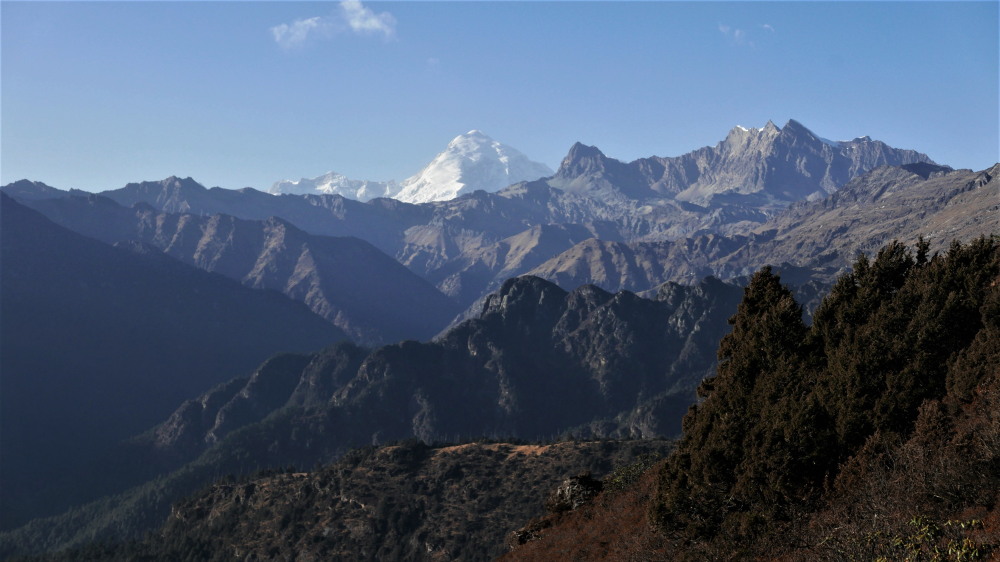
The Jomolhari Trek and Bhutan Cultural Tour is an unforgettable journey combining a challenging Himalayan trekking adventure with the rich cultural heritage and natural beauty of Bhutan. This tour offers an excellent opportunity to explore remote mountain valleys, traditional Bhutanese villages, ancient monasteries, historic fortresses, and spectacular Himalayan landscapes. The journey takes you through the beautiful Paro Valley, the cultural capital of Thimphu, and the scenic Punakha Valley, while the trekking section leads into the remote wilderness beneath Mount Jomolhari (7,326m), one of Bhutan’s most impressive Himalayan peaks.
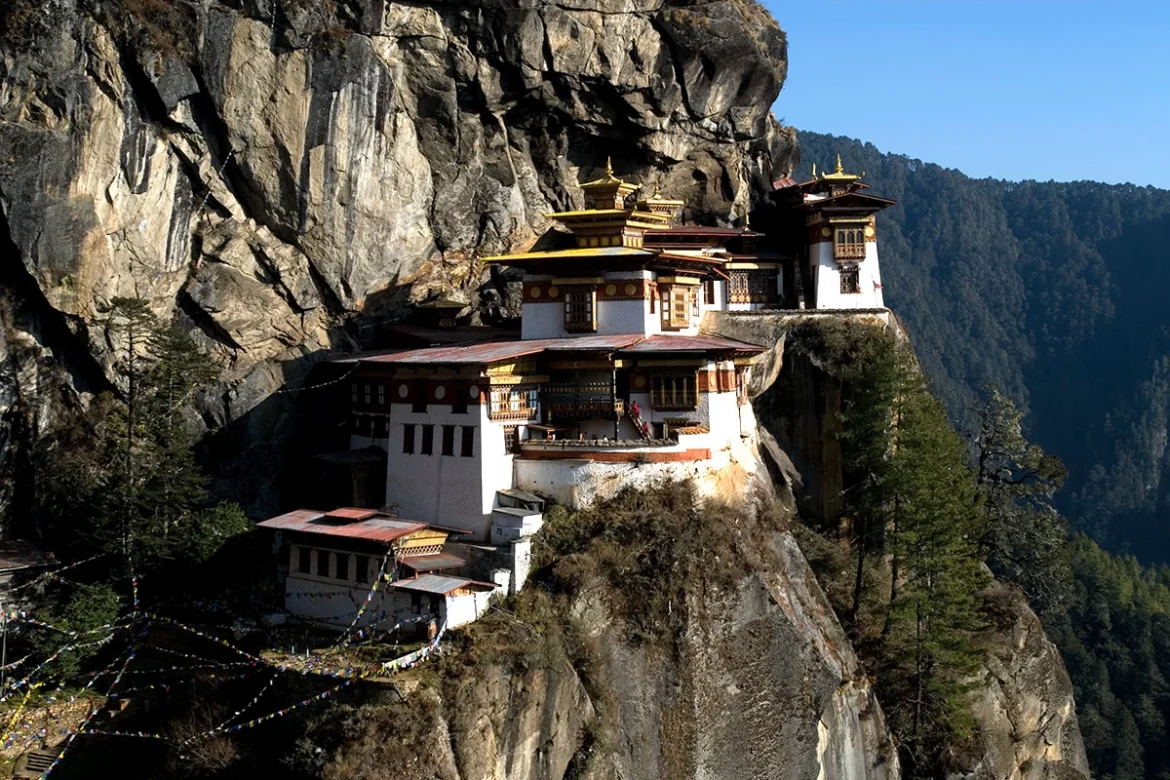
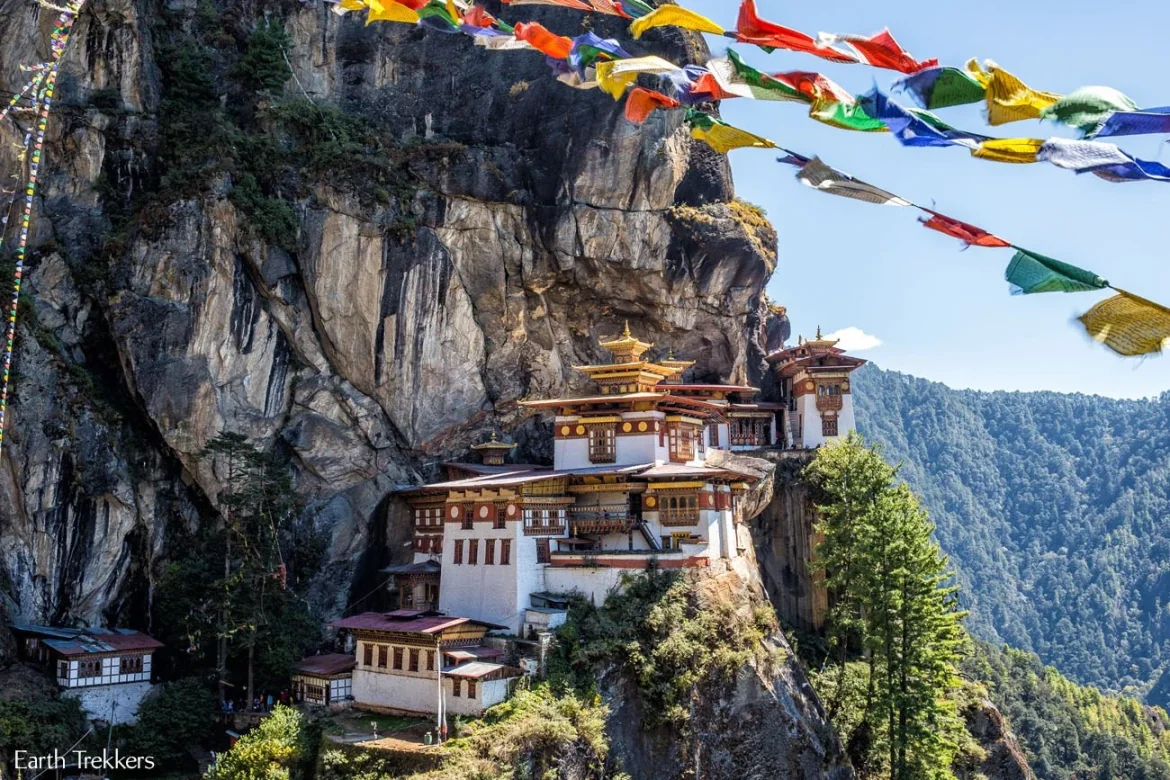
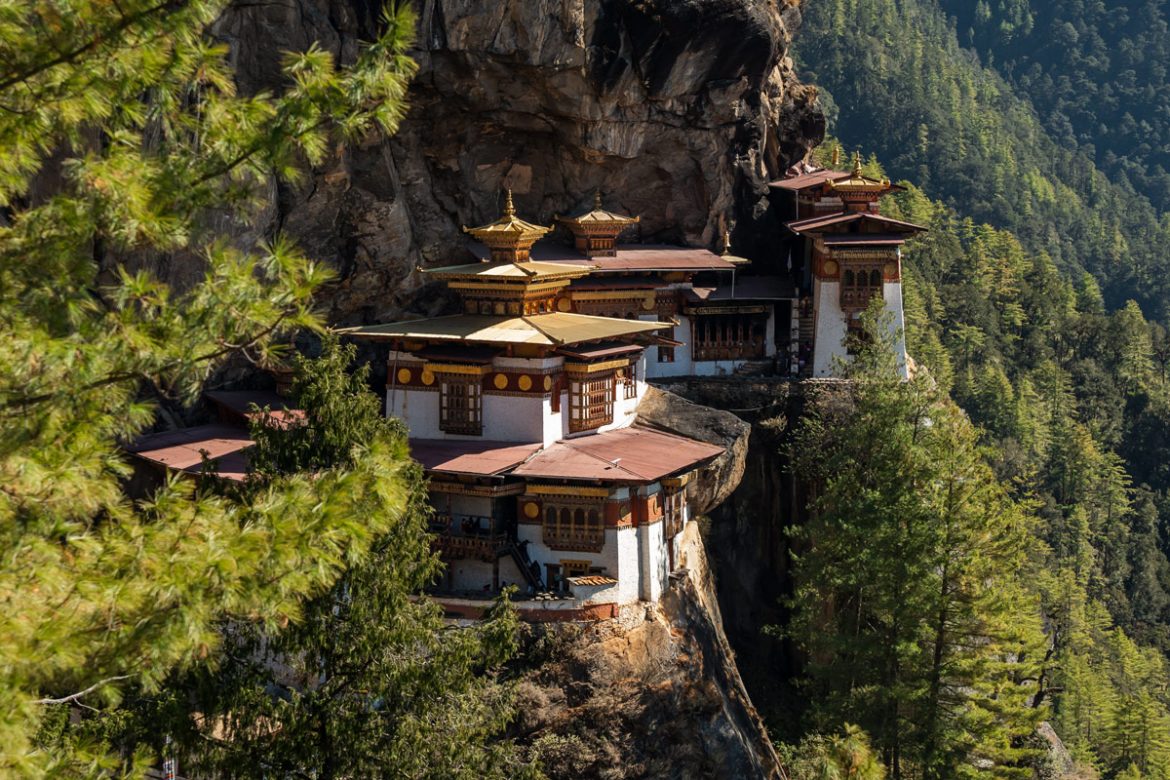
Your adventure begins in Paro, where you can explore traditional Bhutanese architecture and visit the famous Tiger’s Nest Monastery (Taktsang), dramatically positioned on a mountainside overlooking the valley. You will then begin the Jumolhari Trek, following beautiful mountain trails through pine and rhododendron forests, traditional settlements, alpine meadows, and remote valleys. Along the route, you will enjoy magnificent views of Mount Jomolhari, Jichu Drake, and other surrounding Himalayan peaks. The trek also crosses challenging high mountain passes, including Nyile La and Yeli La, offering spectacular scenery and a rewarding wilderness experience. Supported by an experienced local trekking guide, camping crew, cooks, and essential trekking arrangements, you can enjoy this remote adventure with proper logistical support.
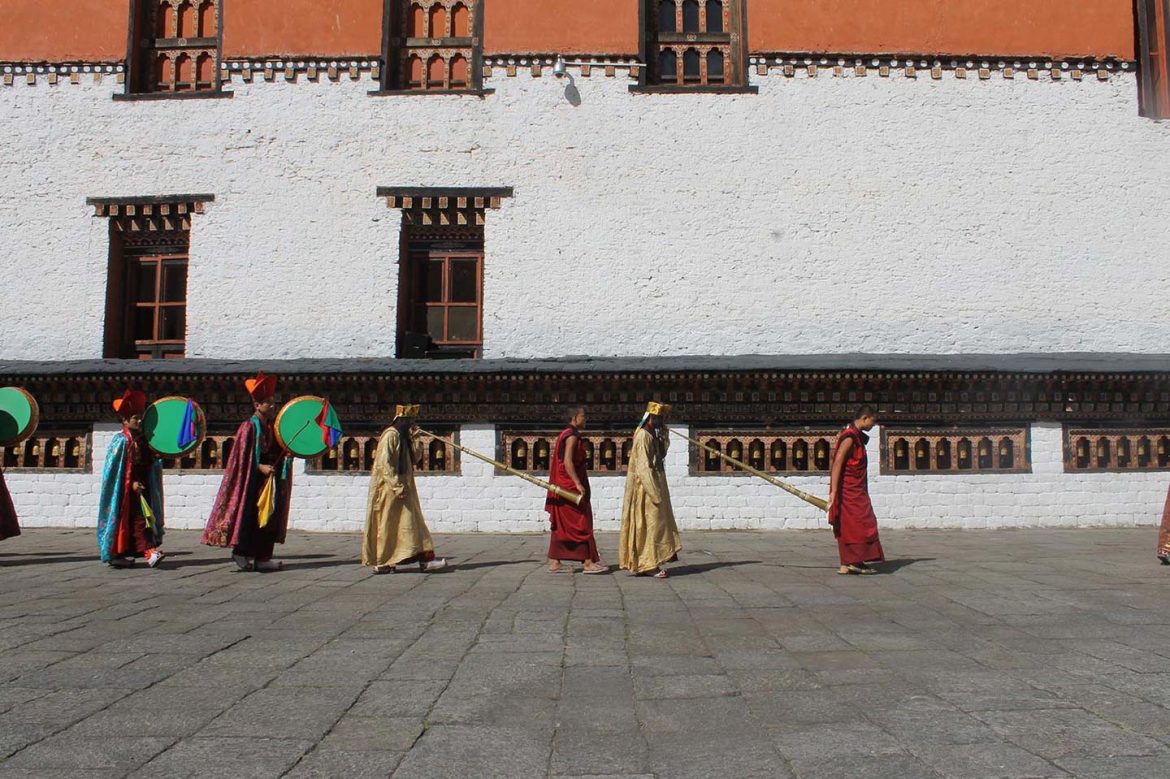
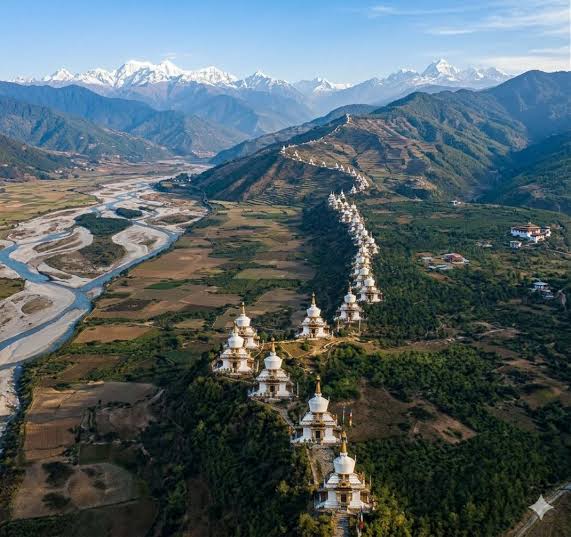
After completing the trek, continue your cultural exploration in Thimphu and Punakha. Discover important landmarks such as Buddha Dordenma, Tashichho Dzong, Punakha Dzong, and the beautiful Dochula Pass, famous for its 108 memorial chortens and panoramic mountain views. Throughout the journey, you will experience Bhutanese Buddhist traditions, local lifestyles, traditional architecture, and the warm hospitality of the Bhutanese people. Combining high-altitude trekking with cultural sightseeing, the Jomolhari Trek and Bhutan Cultural Tour offers a rewarding experience for travellers seeking both Himalayan adventure and authentic cultural discovery.
Trek & Tour Highlights
- Explore the beautiful Paro Valley and its traditional Bhutanese architecture.
- Visit the famous Tiger’s Nest Monastery (Taktsang), perched dramatically above Paro Valley.
- Experience the spectacular Jomolhari Trek beneath Mount Jomolhari (7,326m).
- Enjoy breathtaking Himalayan views of Jomolhari, Jichu Drake, and surrounding snow-covered peaks.
- Trek through remote valleys, alpine meadows, pine forests, and traditional yak-herding settlements.
- Cross the challenging Nyile La and Yeli La high mountain passes.
- Experience the peaceful wilderness and natural beauty of Bhutan’s remote Himalayan region.
- Enjoy fully supported camping arrangements with an experienced local trekking team.
- Explore Thimphu’s cultural attractions, traditional markets, monasteries, and historic landmarks.
- Visit the impressive Buddha Dordenma Statue and Tashichho Dzong.
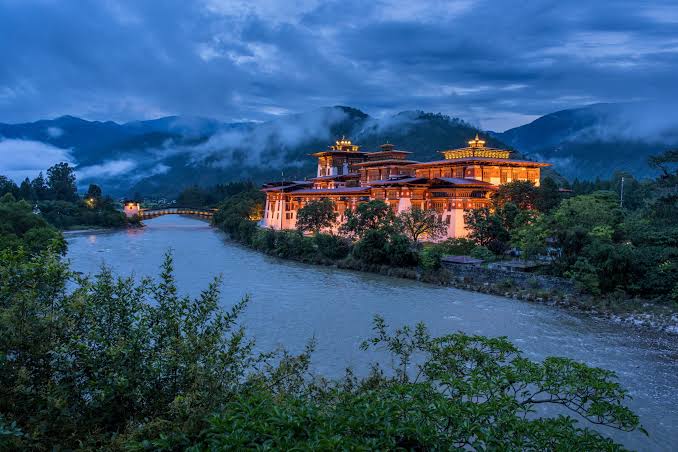
- Discover the magnificent Punakha Dzong, located at the meeting point of two rivers.
- Drive across Dochula Pass (3,100m) and enjoy spectacular Himalayan mountain views.
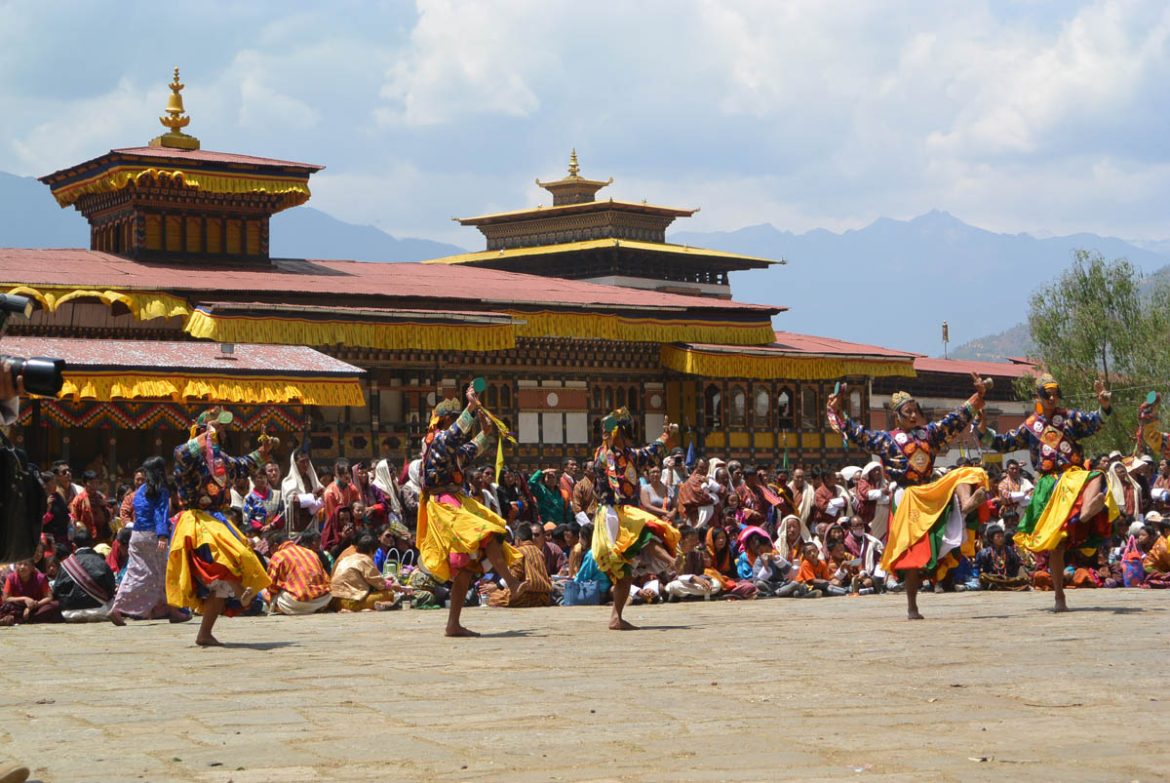
- Experience Bhutanese Buddhist traditions, local customs, traditional villages, and cultural heritage.
- Enjoy a unique combination of challenging mountain trekking and relaxing cultural sightseeing.
Trekking Package Cost:
- The trip price listed above is an estimate and may vary depending on your group size, preferred services, and travel requirements. We offer special discounts for larger groups and customized prices for private departures. Contact AlpineTrav with your travel dates and group size for a personalized quotation.
Standard 14-Day Itinerary
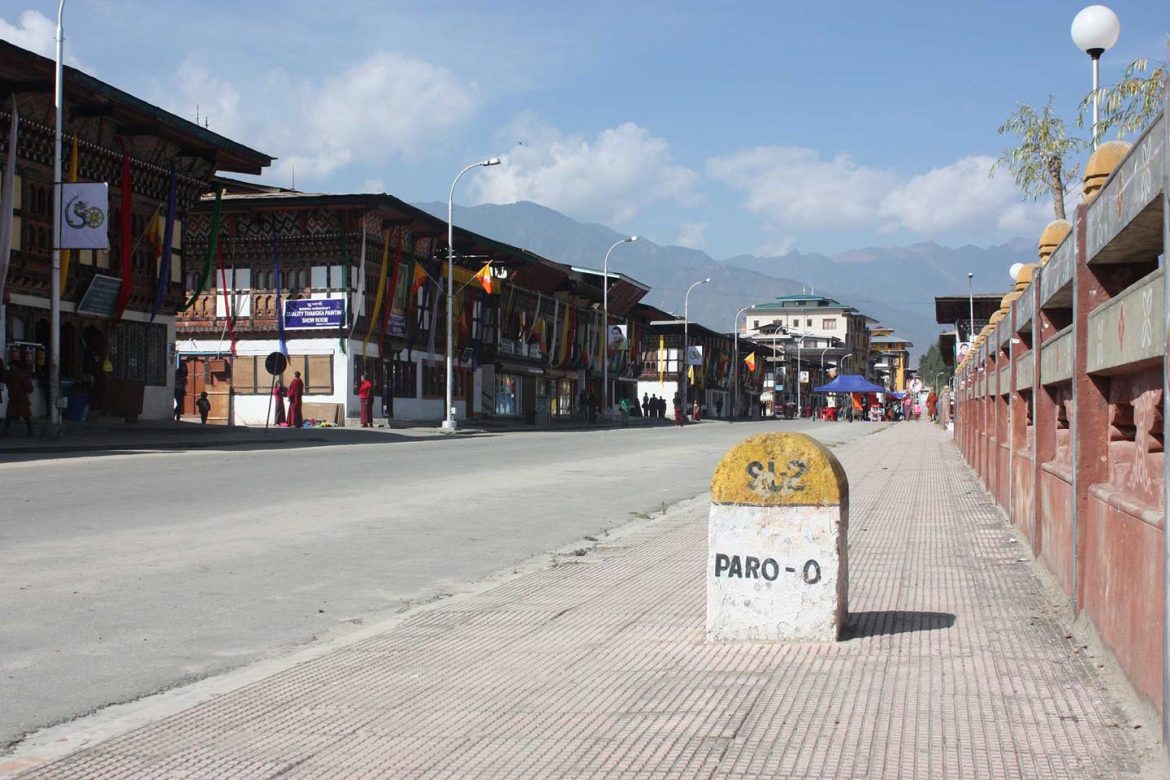
Upon arrival at Paro International Airport, our local representative will welcome you and transfer you to your hotel. After check-in, take some time to relax and adjust to the altitude. Depending on your arrival time, you can enjoy a gentle walk around Paro town and explore its traditional Bhutanese architecture. Overnight stay in Paro.
After breakfast, you will enjoy a hike to the famous Tiger's Nest Monastery (Taktsang), dramatically located on a cliff overlooking Paro Valley. The round-trip hike generally takes around 4–6 hours, depending on your pace and rest stops. This excursion also provides an opportunity to become familiar with walking at higher elevations before starting the trek. Return to Paro and enjoy the evening at your hotel. Overnight stay in Paro.
Today, you will drive from Paro to Shana, passing the historic Drukgyel Dzong and beautiful countryside. From Shana, begin trekking along the Paro Chhu River through pine, oak, and rhododendron forests. The trail gradually ascends through traditional settlements, suspension bridges, and peaceful woodland. Continue towards Soi Thangthangkha, where you will set up camp in a beautiful mountain setting. Overnight camping at Soi Thangthangkha.
Walking: approximately 20–22 km | 7–8 hours | Camp altitude: 3,610m
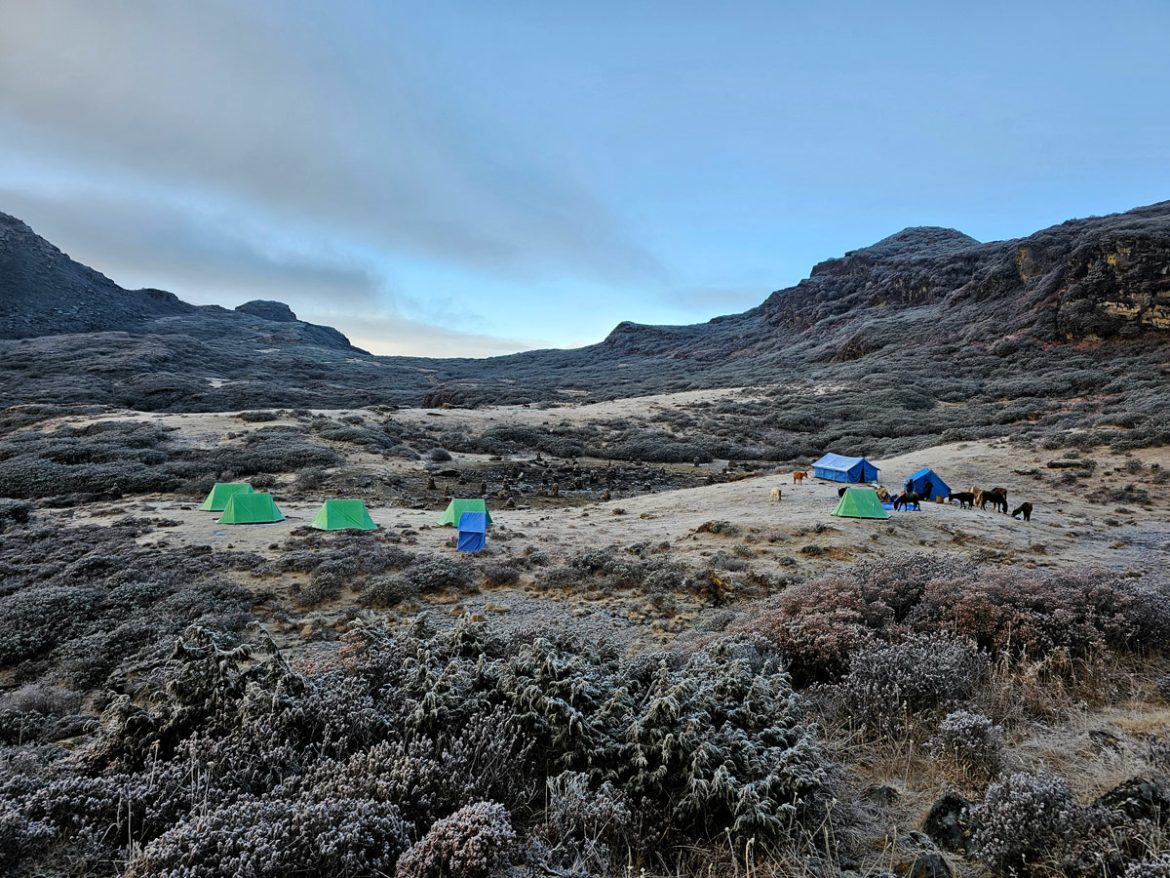
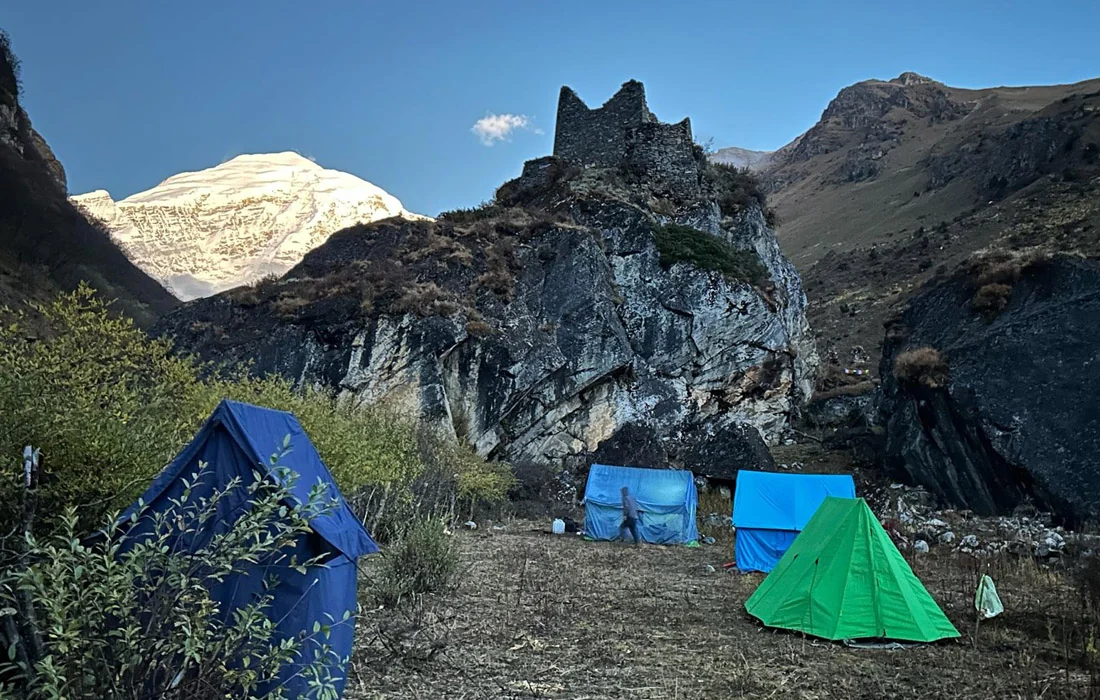
After breakfast, you continue trekking through the beautiful upper Paro Chhu Valley. The trail gradually climbs past yak herders' settlements, traditional stone houses, and open alpine meadows. As you gain elevation, the landscape becomes more rugged, with spectacular views of surrounding mountains. After reaching Jangothang, the famous Jomolhari Base Camp, enjoy magnificent views of Mount Jomolhari and nearby Himalayan peaks. Overnight camping at Jangothang.
Walking: approximately 19 km | 6–7 hours | Camp altitude: 4,080m
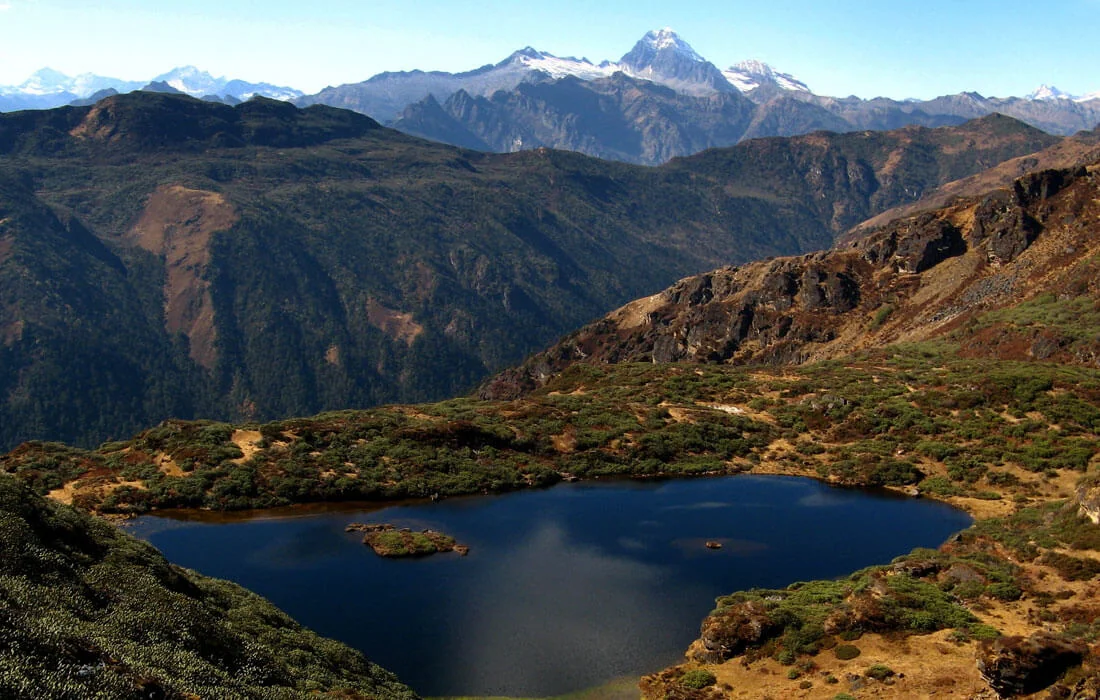
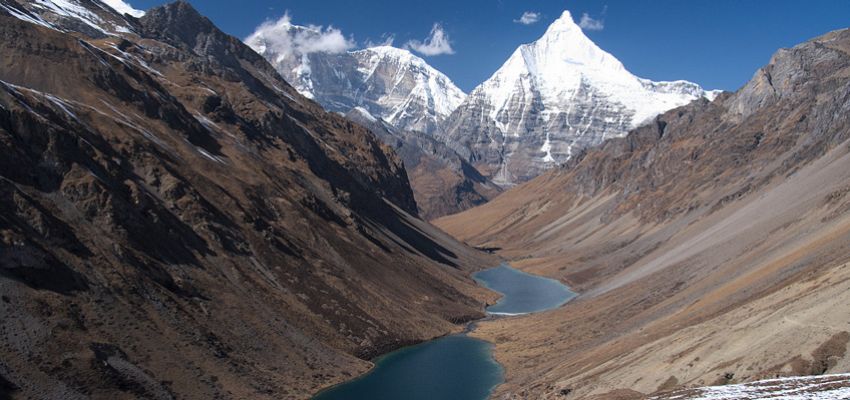
Spend the day at Jangothang to rest and allow your body to adjust to the higher elevation. You can enjoy optional short hikes towards nearby alpine lakes and mountain viewpoints, with beautiful views of Mount Jomolhari and Jichu Drake. The surrounding valley is also known for its yak pastures, dramatic mountain scenery, and opportunities to observe Himalayan wildlife. Return to camp and enjoy a relaxing evening. Overnight camping at Jangothang.
Walking: 2–4 hours for an optional hike | Camp altitude: 4,080m
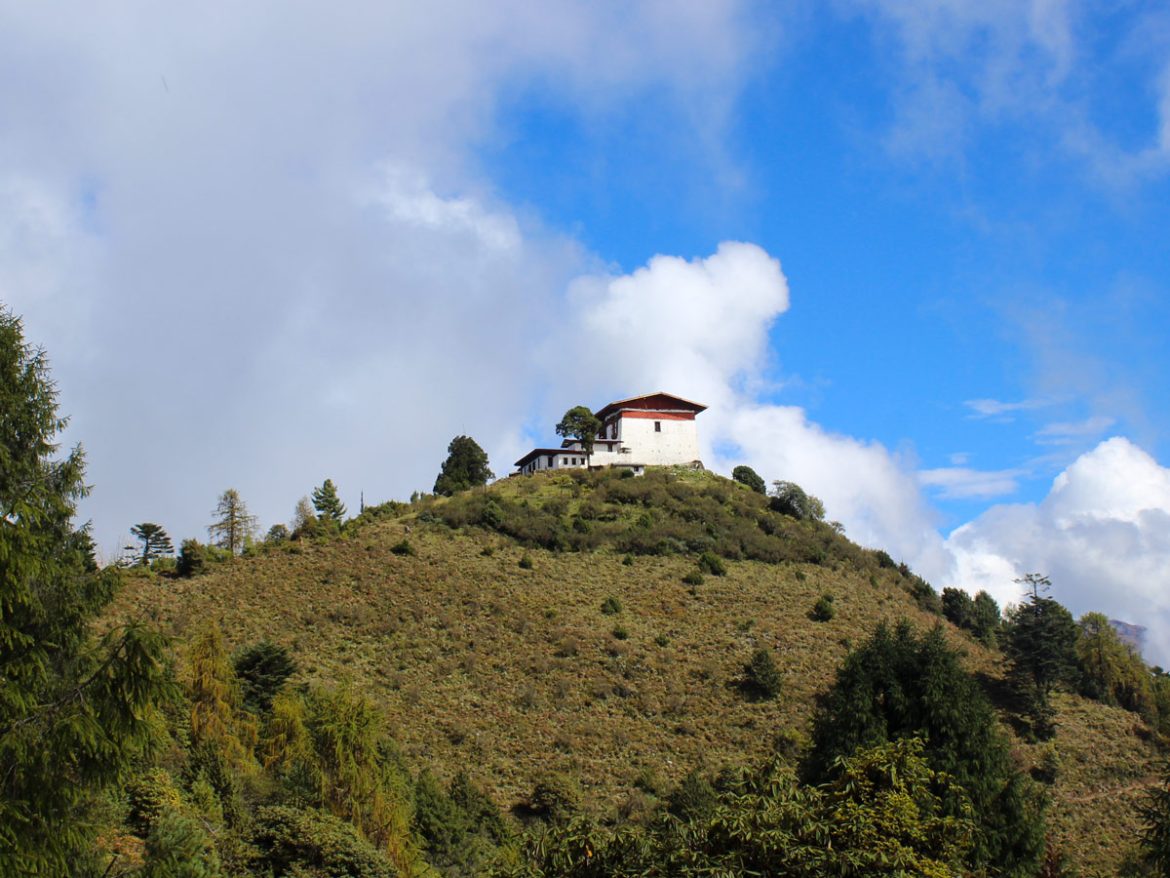
After breakfast, you begin a challenging trekking day towards Nyile La Pass, one of the major high points of the Jomolhari Trek. The trail climbs steadily through alpine terrain, offering impressive views of Jomolhari, Jichu Drake, and surrounding snow-covered peaks. After crossing the pass, descend through open mountain landscapes towards Lingshi Valley. You will also see the historic Lingshi Dzong overlooking the surrounding countryside. Overnight camping at Lingshi.
Walking: approximately 18 km | 6–8 hours | Highest point: 4,890m | Camp altitude: 4,010m
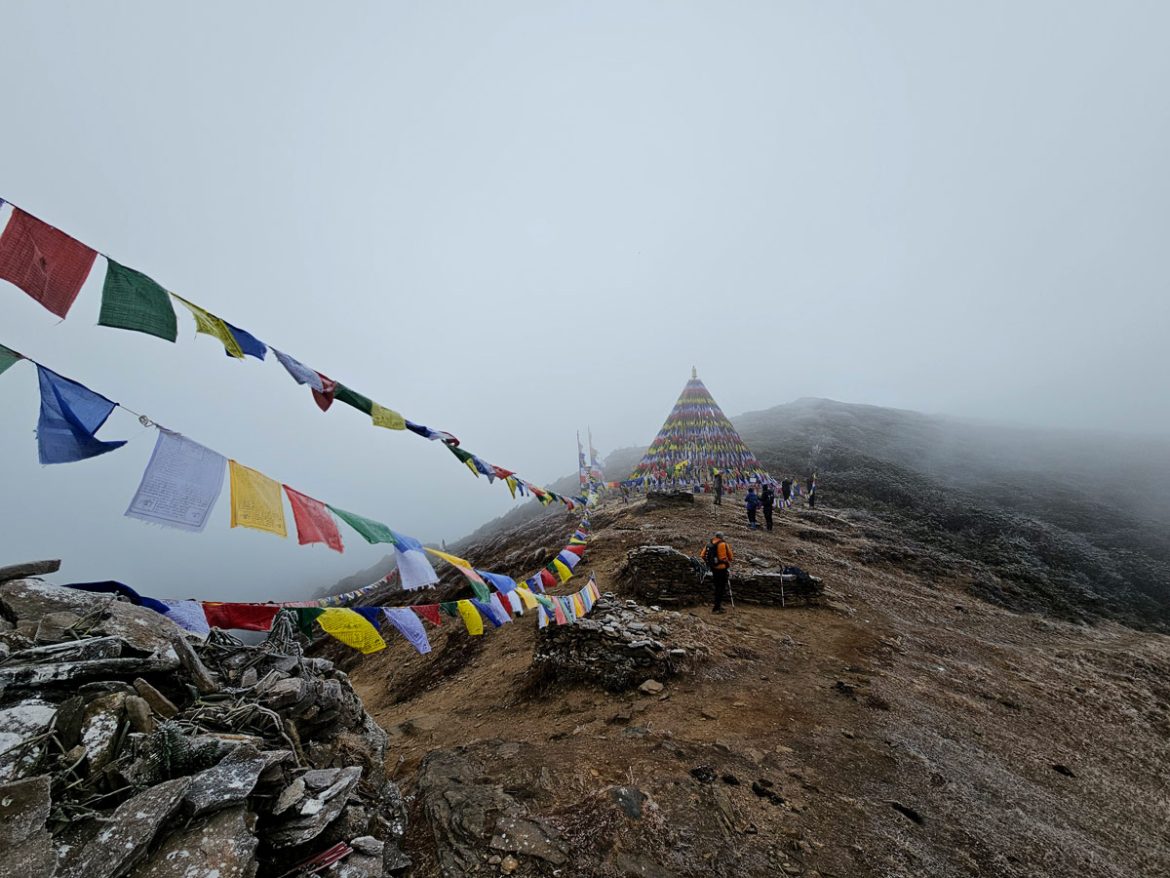
After breakfast, continue towards Yeli La Pass, the highest point of the classic Jomolhari Trek. The trail passes through remote valleys, alpine meadows, and rocky mountain terrain before reaching the pass. From the top, enjoy panoramic views of Jomolhari, Tserim Kang, and other impressive Himalayan peaks, weather permitting. After crossing Yeli La, descend towards Shodu, a scenic campsite surrounded by beautiful mountain landscapes. Overnight camping at Shodu.
Walking: approximately 20 km | 7–9 hours | Highest point: 4,930m | Camp altitude: 4,080m
After breakfast, you will descend along the Thimphu Chhu River through a beautiful valley surrounded by cliffs, waterfalls, and forested landscapes. The trail follows the river through changing mountain scenery, with several stream crossings along the way. As you continue, the landscape becomes greener, with more vegetation and woodland. Reach Barshong and settle into your campsite for the night. Overnight camping at Barshong.
Walking: approximately 14 km | 5–7 hours | Camp altitude: 3,720m
After breakfast, you eill continue trekking through a mixture of forested trails, rolling hills, and river valleys. The route includes gradual ascents and descents, passing through peaceful woodland and small streams. Enjoy the changing scenery as you gradually descend towards Dolam Kencho. After reaching the campsite, relax and enjoy the natural surroundings. Overnight camping at Dolam Kencho.
Walking: approximately 15 km | 4–6 hours | Camp altitude: 3,290m
After breakfast, your complete the final section of the trek through forested trails and along the river valley towards Dodena. Once you reach the roadhead, meet your vehicle and drive to Thimphu, Bhutan's capital city. After checking in at your hotel, enjoy some time to relax following the trekking adventure. Overnight stay in Thimphu.
Walking: approximately 7 km | 3–4 hours | Drive to Thimphu: approximately 30–45 minutes | Overnight altitude: 2,320m
After breakfast, you will enjoy a full day exploring the cultural and historical attractions of Thimphu. Visit the impressive Buddha Dordenma Statue, Memorial Chorten, Tashichho Dzong, and National Folk Heritage Museum. You can also explore local markets and traditional handicraft shops to discover Bhutanese arts, textiles, and souvenirs. In the evening, return to your hotel and enjoy a relaxing stay in the capital. Overnight stay in Thimphu.
Sightseeing: approximately 4–6 hours | Overnight altitude: 2,320m
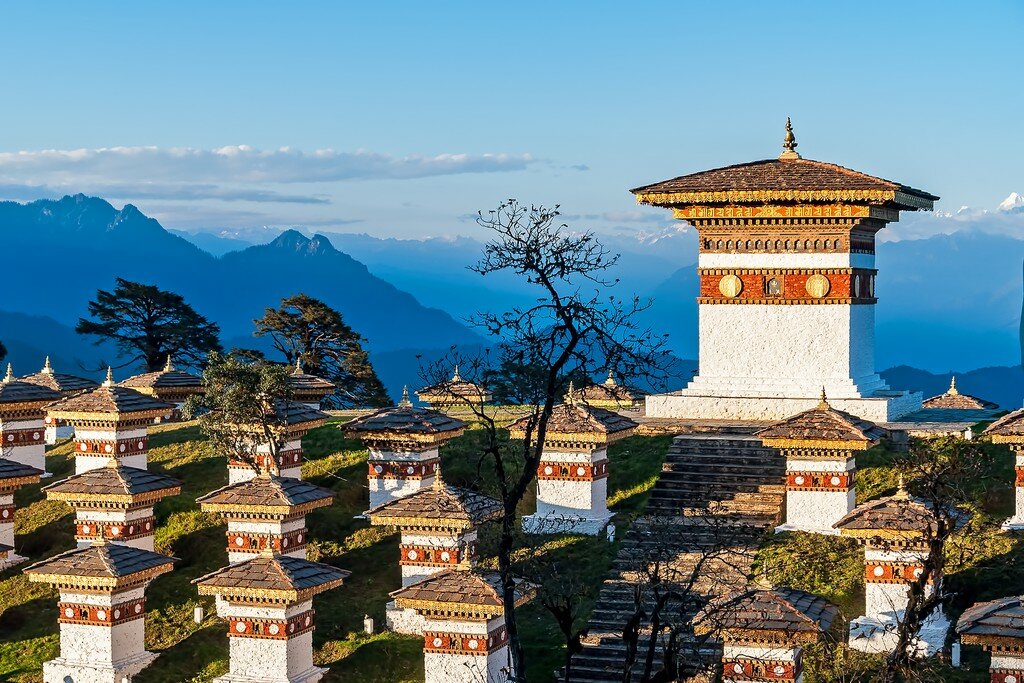
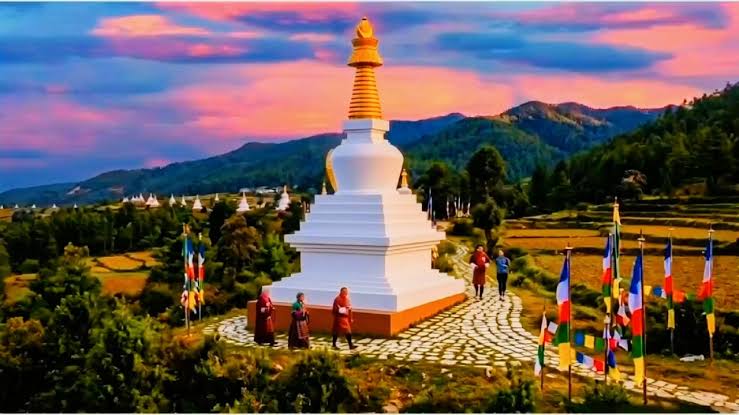
After breakfast, you drive towards Punakha, crossing the beautiful Dochula Pass at approximately 3,100m. The pass is famous for its 108 memorial chortens, colourful prayer flags, and spectacular Himalayan mountain views on clear days. Continue through forests and traditional villages before descending into the warmer Punakha Valley. Upon arrival, visit the magnificent Punakha Dzong, located at the confluence of the Pho Chhu and Mo Chhu rivers. You can also visit Chimi Lhakhang and enjoy the surrounding countryside. Overnight stay in Punakha.
Driving: approximately 75 km | 2.5–3 hours, excluding sightseeing stops | Dochula Pass: 3,100m | Punakha: 1,300m
After breakfast, you enjoy the beautiful scenery of Punakha Valley before driving back to Paro via Dochula Pass. Along the way, admire the mountain landscapes, traditional villages, and forested hillsides. Upon reaching Paro, visit Rinpung Dzong and the National Museum, depending on available time. Later, explore Paro town and enjoy your final evening in Bhutan. Overnight stay in Paro.
Driving: approximately 125 km | 4–5 hours, excluding sightseeing stops | Overnight altitude: 2,280m
Today is your final day in Bhutan. After breakfast, our representative will transfer you to Paro International Airport for your onward flight. Depart with wonderful memories of the Jomolhari Trek, breathtaking Himalayan landscapes, traditional Bhutanese villages, ancient monasteries, and the warm hospitality of the Bhutanese people. We hope you have enjoyed an unforgettable journey through the beautiful Kingdom of Bhutan.
What's Included and What's Excluded
Services Included
- Airport pickup and drop-off at Paro International Airport.
- 3-star hotel accommodation on a twin-sharing basis in Paro, Thimphu, and Punakha.
- Fully supported camping accommodation during the Jumolhari Trek.
- Daily breakfast, lunch, and dinner throughout the tour.
- Three meals a day during trekking, prepared by the trekking cook and support team.
- Tea, coffee, and drinking water during trekking days.
- Experienced, English-speaking, licensed Bhutanese cultural tour guide.
- Professional local trekking guide for the Jomolhari Trek.
- Trekking cooks, camping assistants, and necessary support staff.
- Tents, sleeping mats, dining tent, kitchen tent, and other essential camping equipment.
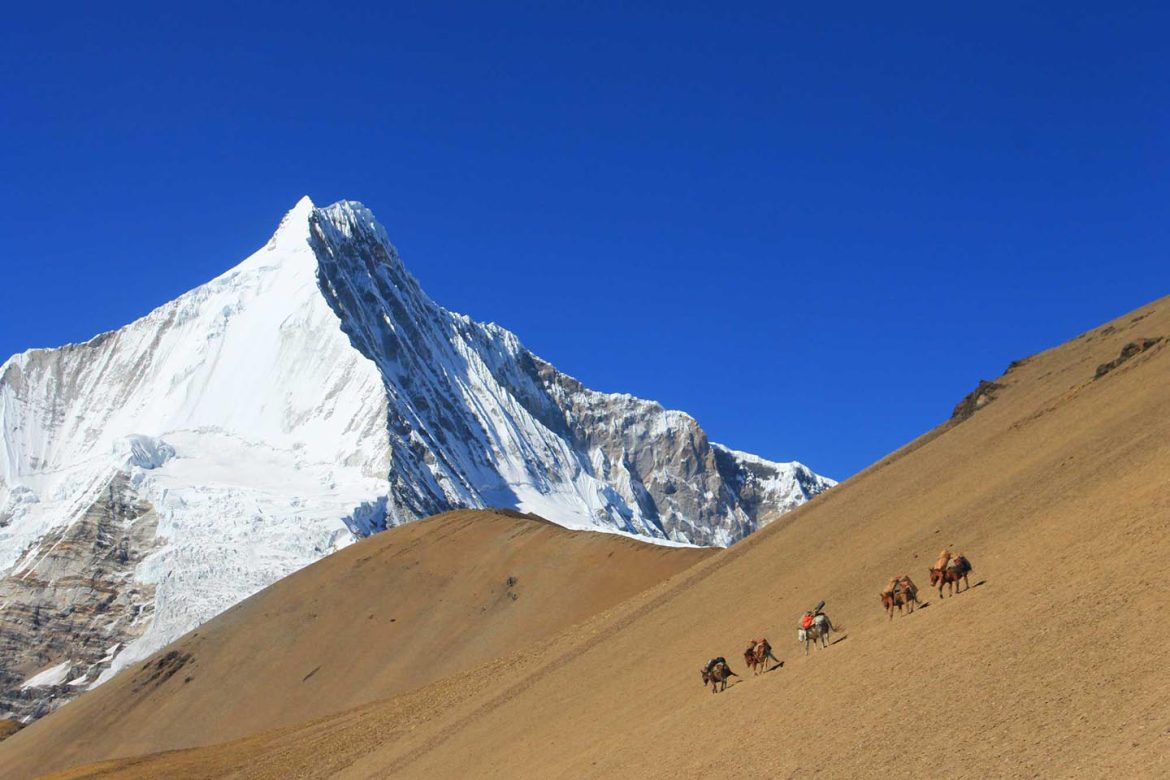
- Pack animals and handlers for transporting trekking equipment and group baggage, according to the confirmed arrangements.
- Private transportation for airport transfers, sightseeing, and scheduled road journeys.
- Sightseeing and entrance fees for museums, monasteries, temples, dzongs, and attractions mentioned in the itinerary.
- Bhutan tourist visa arrangements and applicable visa fees.
- Sustainable Development Fee (SDF) for the confirmed tour duration.
- Trekking route arrangements and applicable permits.
- Staff wages, meals, accommodation, transportation, and insurance as required by the tour arrangements.
- First-aid supplies and basic medical support during the trek.
- Government taxes and applicable service charges.
- Necessary local assistance throughout the tour.
Services Excluded
- International airfare to and from Bhutan.
- Personal travel insurance, including high-altitude trekking coverage, medical expenses, and emergency helicopter evacuation.
- Personal trekking clothing, footwear, sleeping bags, and other individual equipment.
- Personal expenses such as laundry, telephone calls, internet, and additional hotel services.
- Alcoholic beverages, bottled drinks, and additional snacks.
- Tips for trekking guides, cultural guides, drivers, cooks, and support staff.
- Additional accommodation and meals caused by flight delays, cancellations, or personal itinerary changes.
- Additional porter or pack-animal services beyond the confirmed arrangements.
- Optional activities and sightseeing not mentioned in the itinerary.
- Horse rental during the Tiger's Nest Monastery hike, if required.
- Personal medications and additional medical expenses.
- Any expenses not specifically mentioned in the included services.
Note:
The trip cost depends on your group size, preferred accommodation category, and required services. The itinerary and Include/Exclude sections are standard guidelines and can be customized to suit your schedule, budget, and preferences. Any additions or reductions in services will be reflected in the final price through mutual agreement before trip confirmation. Please feel free to contact AlpineTrav Treks & Expeditions for a personalized quotation or further information.
Fully Supported Camping Trek
The Camping Trekking is organized as a fully supported camping adventure with an experienced mountain guide and a dedicated support team. We arrange camping tents, sleeping equipment, meals, drinking water, kitchen facilities, and all necessary camping supplies. Our cook and trekking assistants manage meal preparation and campsite arrangements throughout the journey. We also organize luggage transportation, required trekking permits, camping logistics, and private ground transportation according to the itinerary. This full support allows you to enjoy the trekking experience while our local team takes care of the essential arrangements. Let’s look at more details below.
Best Time to Visit
The best seasons for the Jomolhari Trek are spring (April–May) and autumn (September–October). Spring offers blooming rhododendrons, fresh mountain scenery, and generally pleasant trekking conditions. Autumn is popular for clear skies, excellent mountain views, and stable weather. Winter can bring very cold temperatures and snow at higher elevations, while the summer monsoon may cause heavy rainfall and difficult trail conditions.
Trekking Difficulty and Fitness
The Jomolhari Trek is considered challenging because of its long walking days, steep ascents and descents, remote mountain terrain, and high-altitude passes. Trekkers should be comfortable walking for approximately 5–9 hours on several consecutive days while carrying a light daypack. Good cardiovascular fitness, leg strength, and previous multi-day hiking experience are recommended. Preparing with regular walking, hiking, and endurance activities before departure will help you enjoy the trek.
Altitude and Acclimatization
The trek reaches elevations of approximately 4,900 metres at Yeli La Pass, depending on the selected route. Spending time at Jangothang (approximately 4,080m) is important for acclimatization before continuing towards the higher passes. Walk gradually, maintain a comfortable pace, drink sufficient water, and follow your guide’s instructions. Headaches, dizziness, nausea, unusual tiredness, and breathing difficulties can be signs of altitude-related illness. Inform your guide immediately if you experience these symptoms. Do not continue ascending if you feel unwell; descent and medical assessment may be necessary.
Accommodation During the Tour
Accommodation is arranged in 3 star hotels during the cultural sightseeing portions of the journey in Paro, Thimphu, and Punakha. During the Jomolhari Trek, you will stay in fully supported tented camps. The trekking team generally provides sleeping tents, dining tents, kitchen facilities, and sleeping mats. Camping facilities are more basic than hotel accommodation, particularly in remote mountain areas.
Meals and Drinking Water
During the cultural tour, meals are generally provided at hotels and local restaurants. During trekking, the cook and kitchen team prepare breakfast, lunch, and dinner. Meals usually include rice, vegetables, potatoes, noodles, soups, eggs, and other suitable dishes. Tea and coffee are also generally available at camp. Carry a reusable water bottle and use properly treated, filtered, or boiled drinking water throughout the trek.
Weather and Temperature
Weather conditions vary considerably between the lower valleys and high mountain camps. Paro, Thimphu, and Punakha generally have milder conditions, while Jangothang and higher mountain passes can be cold, windy, and unpredictable. Temperatures may drop below freezing at higher camps, particularly overnight. Carry warm layers, a waterproof jacket, gloves, and suitable trekking clothing to prepare for changing conditions.
Trekking Guides and Support Team
The Jomolhari Trek is a remote camping expedition and requires an organized local trekking team. An experienced Bhutanese trekking guide leads the group and manages the daily walking schedule, campsite arrangements, and route coordination. Cooks, camping assistants, and pack-animal handlers provide logistical support, including meal preparation and transportation of camping equipment and baggage. Follow your guide’s instructions throughout the journey, particularly when crossing high mountain passes.
Transportation and Road Conditions
Private transportation is arranged for airport transfers, sightseeing, and road journeys between Paro, Thimphu, and Punakha. The drive from Thimphu to Punakha crosses Dochula Pass at approximately 3,100 metres, offering beautiful Himalayan views on clear days. Mountain roads are often winding, and driving times may vary depending on weather, road conditions, and traffic.
Bhutan Visa and Sustainable Development Fee
International visitors generally require a Bhutan tourist visa, although entry arrangements differ for eligible nationalities. The Bhutan Sustainable Development Fee (SDF) is also applicable to many international visitors. Visa requirements, fees, and travel documentation should be checked and confirmed before departure. AlpineTrav Treks & Expeditions can assist with the necessary arrangements according to your nationality and tour package.
Travel Insurance and Emergency Evacuation
Comprehensive travel insurance is essential for the Jomolhari Trek. Your policy should cover high-altitude trekking, medical treatment, emergency helicopter evacuation, and unexpected trip interruptions. Since the trek passes through remote mountain regions, access to medical facilities may be limited. Carry your insurance details and emergency contact information throughout the journey.
Equipment and Packing Requirements
Proper trekking equipment is important for comfort and safety in the high mountains. Bring sturdy trekking boots, warm clothing, thermal layers, a down jacket, waterproof jacket and trousers, gloves, a warm hat, and comfortable trekking socks. A good sleeping bag suitable for below-freezing temperatures is essential. Other useful items include a headlamp, trekking poles, sunglasses, sunscreen, a water bottle, and a personal first-aid kit.
Physical Preparation
Prepare for the trek by following a regular fitness routine before travelling. Walking, hiking, cycling, and other endurance activities can help improve your stamina. If possible, practise walking on uneven trails and uphill terrain while carrying a light backpack. Allow enough time for rest and recovery during the journey.
Culture and Local Customs
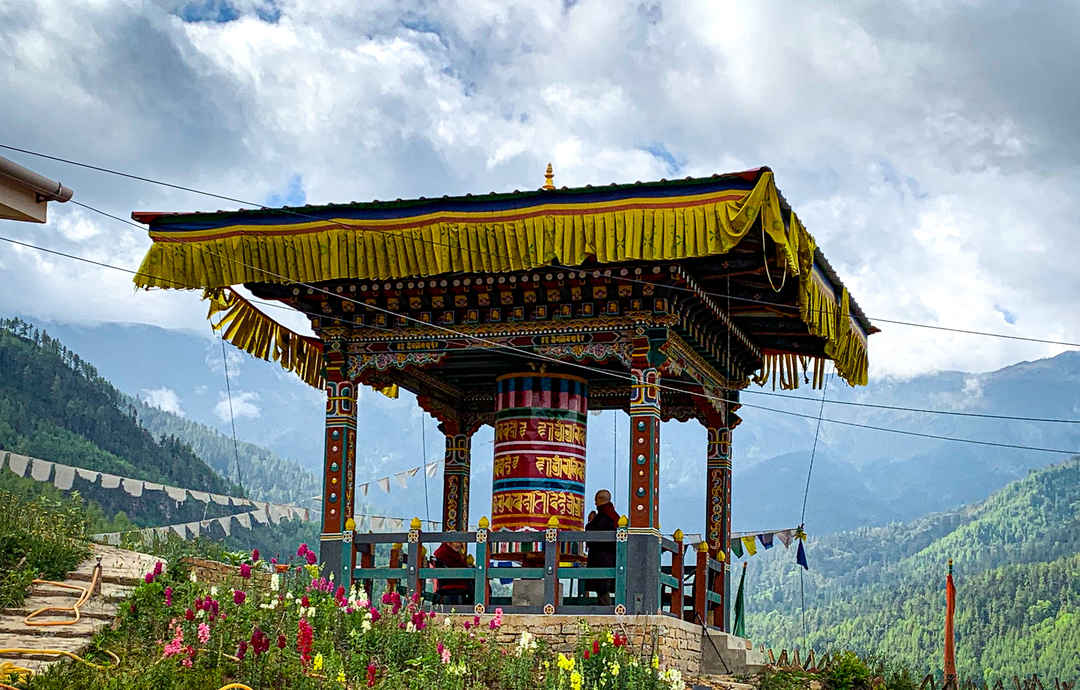
Bhutan has a rich Buddhist heritage, and visitors should respect local traditions and religious practices. When visiting monasteries, temples, and dzongs, wear modest clothing and remove your shoes where required. Always follow your guide’s instructions and ask permission before photographing religious ceremonies or local people. Respecting Bhutanese customs helps create a positive cultural experience.
Currency and Personal Expenses
The official currency of Bhutan is the Bhutanese Ngultrum (BTN), which has the same value as the Indian Rupee. Indian Rupees are also commonly accepted, although certain denominations may have restrictions. Carry some local cash for souvenirs, snacks, drinks, and other personal purchases. Card payment facilities are available in some towns but may be limited in remote areas.
Communication and Internet
Mobile network coverage and internet access are available in major towns such as Paro, Thimphu, and Punakha. However, mobile signals and internet connections may be limited or unavailable during the remote sections of the Jomolhari Trek. Most hotels provide Wi-Fi, while a local SIM card can be arranged for communication in areas with network coverage.
Photography and Natural Environment
The Jomolhari region offers excellent opportunities for mountain photography, wildlife observation, and landscape exploration. You can capture beautiful views of snow-covered peaks, alpine valleys, forests, and traditional settlements. Respect wildlife, avoid disturbing animals, and follow responsible trekking practices. Carry your rubbish back to designated disposal points and help preserve Bhutan’s clean mountain environment.
Weather and Trail Conditions
Mountain weather can change quickly, especially around high passes and exposed sections of the trail. Rain, snow, strong winds, and low temperatures may affect walking conditions and daily schedules. Your trekking guide will monitor local conditions and adjust the route or walking plan when necessary. Always carry suitable waterproof and warm clothing.
Electricity and Charging Facilities
Electricity and charging facilities are generally available in hotels in Paro, Thimphu, and Punakha. However, charging opportunities may be limited during the camping section of the trek. Carry a power bank, spare camera batteries, and a suitable travel adapter. Bhutan generally uses a 230V electrical supply with a frequency of 50Hz.
Responsible Trekking and Environmental Protection
Bhutan is known for its natural environment and commitment to conservation. During the Jomolhari Trek, help protect the mountain landscape by avoiding littering, respecting wildlife, and following established trails. Use reusable water bottles, minimize plastic waste, and respect local communities and their traditional lifestyles. Responsible travel helps preserve Bhutan’s natural and cultural heritage for future generations.
Important Travel Documents
Before departure, make sure you have a valid passport, Bhutan visa confirmation, flight tickets, travel insurance documents, and tour booking confirmation. Keep copies of important documents both digitally and in printed form. Confirm your travel arrangements and applicable government fees before starting the journey.
Final Travel Advice: The Jomolhari Trek and Bhutan Cultural Tour is a rewarding but physically demanding adventure. Proper fitness preparation, suitable equipment, adequate acclimatization, and comprehensive travel insurance are important for a successful journey. With an experienced local guide and a well-organized support team, you can enjoy Bhutan’s spectacular Himalayan scenery, remote mountain landscapes, ancient monasteries, and distinctive cultural heritage.
Equipment Checklist – Bhutan Jomolhari Trek Tour
The Bhutan Jomolhari Trek combines high-altitude mountain trekking with cultural sightseeing in Paro, Thimphu, and Punakha. Since the trekking route reaches elevations of approximately 4,900 metres and includes cold mountain camps, proper clothing, footwear, and personal equipment are essential. The following checklist will help you prepare for both the trekking and cultural sightseeing sections.
Clothing and Trekking Wear
- Moisture-wicking base layers (thermal tops and bottoms)
- Lightweight trekking shirts and trousers
- Warm fleece jacket or sweater
- Insulated down jacket
- Waterproof and windproof jacket
- Waterproof trekking trousers
- Comfortable trekking underwear
- Warm trekking socks
- Lightweight gloves and insulated winter gloves
- Warm hat or beanie
- Sun hat or cap
- Neck warmer or scarf
- Comfortable casual clothes for sightseeing
- Sleepwear and extra clothing
Trekking Footwear
- Waterproof and comfortable trekking boots
- Lightweight camp shoes or sandals
- Spare trekking socks
- Comfortable walking shoes for cultural sightseeing
- Gaiters for snowy or muddy conditions
Sleeping and Camping Equipment
- Four-season sleeping bag suitable for temperatures around -10°C to -15°C
- Sleeping bag liner
- Inflatable or foam sleeping mat, if not provided
- Small camping pillow
- Headlamp with spare batteries
- Earplugs
- Lightweight travel towel
Backpacks and Travel Bags
- Comfortable trekking backpack (25–35 litres)
- Duffel bag for trekking baggage
- Waterproof backpack cover
- Dry bags or waterproof packing bags
- Small daypack for cultural sightseeing
- Packing cubes or separate clothing bags
Trekking Accessories
- Adjustable trekking poles
- UV-protection sunglasses
- Sunscreen (SPF 30–50)
- Lip balm with sun protection
- Reusable water bottles or hydration system
- Water purification tablets or filter
- Personal trekking towel
- Camera and spare batteries
- Power bank
- Binoculars (optional)
Personal Toiletries
- Toothbrush and toothpaste
- Shampoo and conditioner
- Soap or body wash
- Face wash and moisturizer
- Hand sanitizer
- Wet wipes and tissues
- Toilet paper
- Quick-drying towel
- Personal hygiene products
- Small biodegradable toiletries
First-Aid and Personal Medication
- Personal prescription medications
- Basic first-aid kit
- Blister treatment and adhesive bandages
- Antiseptic wipes
- Pain relief medication
- Rehydration salts
- Personal medical supplies
- Insect repellent
- Altitude-related medication only as advised by a healthcare professional
Travel Documents and Money
- Valid passport
- Bhutan visa confirmation
- International flight tickets
- Travel insurance covering high-altitude trekking and emergency evacuation
- Tour booking confirmation
- Emergency contact details
- Travel wallet
- Bhutanese Ngultrum or accepted local currency
- Copies of important travel documents
Electronics and Charging Accessories
- Mobile phone and charger
- Universal travel adapter
- Power bank
- Camera and memory cards
- Spare batteries
- Charging cables
- Headphones
Optional Items
- Lightweight book or travel journal
- Small notebook and pen
- Snacks and energy bars
- Playing cards
- Lightweight umbrella for cultural sightseeing
- Extra reusable shopping bag
Important Packing Advice: AlpineTrav Treks & Expeditions generally arranges the main camping equipment, including sleeping tents, dining tents, kitchen facilities, and sleeping mats, according to the confirmed package. However, trekkers should bring their own suitable sleeping bag, personal clothing, trekking boots, and essential accessories. Pack warm layers and waterproof clothing because temperatures can drop below freezing at higher camps, even during the main trekking seasons.
FAQs About The Bhutan Jomolhari Trek and Culture Tour
The Bhutan Jomolhari Trek is considered a challenging high-altitude trekking adventure. The route involves long walking days, steep ascents and descents, remote mountain trails, and high passes reaching approximately 4,900 metres. Good physical fitness, previous hiking experience, and proper preparation are recommended. Trekkers should be comfortable walking for around 5–9 hours on several consecutive days.
The best seasons are spring (April–May) and autumn (September–October). Spring offers beautiful rhododendron forests, fresh mountain landscapes, and pleasant trekking conditions. Autumn is particularly popular for clear skies, stable weather, and excellent views of Mount Jomolhari and the surrounding Himalayan peaks. These seasons are also suitable for cultural sightseeing in Paro, Thimphu, and Punakha.
A 14-day itinerary provides a good combination of trekking and cultural sightseeing. It includes time to explore Paro, visit Tiger’s Nest Monastery, complete the Jomolhari Trek, and discover the cultural attractions of Thimphu and Punakha. The duration can be extended depending on your travel preferences and additional sightseeing requirements.
The highest point of the classic Jomolhari Trek is Yeli La Pass, at approximately 4,930 metres. The route also passes through Nyile La Pass at approximately 4,890 metres. These high mountain crossings offer spectacular views of Jomolhari, Jichu Drake, and surrounding Himalayan peaks.
Previous trekking experience is highly recommended because this is a challenging high-altitude adventure. Although professional guides and camping support are provided, trekkers should have good stamina and confidence walking on uneven mountain trails. Regular physical preparation before departure will make the journey more comfortable.
Accommodation is arranged in 3 star hotels during the cultural sightseeing sections in Paro, Thimphu, and Punakha. During the Jomolhari Trek, you will stay in fully supported tented camps. The trekking team generally provides sleeping tents, dining tents, kitchen facilities, and sleeping mats. You should bring your own suitable sleeping bag.
Breakfast, lunch, and dinner are provided throughout the trekking section. An experienced trekking cook prepares meals using fresh ingredients and suitable food supplies carried by the support team. Typical meals include rice, vegetables, potatoes, noodles, soups, eggs, and other nutritious dishes. Tea and coffee are also generally available at camp.
Yes, altitude sickness is a potential concern because the route reaches elevations above 4,800 metres. Proper acclimatization, gradual walking, adequate hydration, and sufficient rest are important. The itinerary includes an acclimatization day at Jangothang. Inform your guide immediately if you experience headaches, dizziness, nausea, unusual tiredness, or breathing difficulties. Never continue ascending when experiencing possible altitude sickness symptoms.
The Jomolhari Trek is organized with an experienced local trekking guide, cooks, camping assistants, and pack-animal handlers according to the confirmed arrangements. The support team manages camping equipment, baggage transportation, meal preparation, and campsite organization. This allows trekkers to concentrate on the mountain journey while receiving essential logistical support.
Yes, bringing a good-quality sleeping bag is essential. Mountain temperatures can fall below freezing, especially at higher camps such as Jangothang. A four-season sleeping bag rated around -10°C to -15°C is a suitable option, depending on the season and your personal cold tolerance. A sleeping bag liner can provide additional warmth.
Yes, the itinerary includes an opportunity to visit the famous Tiger’s Nest Monastery (Taktsang), located approximately 3,120 metres above sea level. The round-trip hike generally takes around 4–6 hours, depending on your walking pace and rest stops. The monastery offers spectacular views of Paro Valley and is one of Bhutan’s most important cultural and religious landmarks.
During the cultural sightseeing section, you can explore the beautiful Paro Valley, Thimphu, and Punakha. Important attractions include Tiger’s Nest Monastery, Rinpung Dzong, Buddha Dordenma, Tashichho Dzong, Punakha Dzong, and Dochula Pass. These destinations provide insight into Bhutanese Buddhist traditions, architecture, history, and local lifestyles.
Yes, comprehensive travel insurance is essential. Your policy should specifically cover high-altitude trekking, medical treatment, emergency helicopter evacuation, and unexpected trip interruptions. Since the trekking route passes through remote mountain regions, access to medical facilities can be limited. Check your insurance coverage carefully before departure.
International visitors generally require a Bhutan tourist visa, subject to nationality and applicable entry arrangements. The Sustainable Development Fee (SDF) is also applicable to many international visitors. Necessary trekking permissions and travel arrangements must be confirmed before departure. AlpineTrav Treks & Expeditions can assist with the required documentation according to your package and nationality.
You should bring waterproof trekking boots, thermal clothing, a warm down jacket, waterproof outerwear, gloves, a warm hat, trekking trousers, and suitable trekking socks. A four-season sleeping bag, headlamp, trekking poles, sunglasses, sunscreen, reusable water bottle, personal toiletries, and basic medical supplies are also important. Pack additional comfortable clothing for hotel stays and cultural sightseeing.
Yes, the itinerary can be customized according to your travel dates, fitness level, group size, accommodation preferences, and sightseeing interests. You can request additional acclimatization days, extra hotel nights, or other cultural experiences. AlpineTrav Treks & Expeditions can help arrange a suitable private or group departure.
The package price depends on group size, travel season, hotel category, trekking support arrangements, transportation, and applicable Bhutan government fees. International airfare and personal expenses are generally additional costs. Contact AlpineTrav Treks & Expeditions for a detailed quotation based on your preferred travel dates and group size.
Yes, solo travellers can join the Jomolhari Trek through an appropriately organized private or group tour. However, the trek requires proper local guide support, camping arrangements, and necessary permissions. The overall package cost may be higher for a solo traveller because transportation, guide, and support expenses cannot always be shared.
Mountain weather can change quickly, particularly around high passes and exposed trails. Rain, snow, strong winds, or poor visibility may affect the trekking schedule. Your local guide will monitor conditions and may adjust the daily route, delay a pass crossing, or arrange an alternative plan when necessary. Safety will always take priority over the original itinerary.
AlpineTrav Treks & Expeditions focuses on providing well-organized trekking and cultural travel experiences with experienced local guides, reliable camping support, comfortable accommodation, and carefully arranged transportation. From the remote Himalayan trails beneath Mount Jomolhari to the cultural landmarks of Paro, Thimphu, and Punakha, we aim to make your journey comfortable, rewarding, and memorable. Our team can also customize the itinerary according to your interests, available time, and travel requirements.
 Nepal