Note:
The trip cost depends on your group size, preferred accommodation category, and required services. The itinerary and Include/Exclude sections are standard guidelines and can be customized to suit your schedule, budget, and preferences. Any additions or reductions in services will be reflected in the final price through mutual agreement before trip confirmation. Please feel free to contact AlpineTrav Treks & Expeditions for a personalized quotation or further information.
Best Time to Visit Bhutan
The best seasons for the Bhutan Vistas Tour are spring (March to May) and autumn (September to November). These months generally offer pleasant weather, clear skies, beautiful landscapes, and excellent conditions for sightseeing. April and October are particularly good choices for exploring Paro, Thimphu, and Punakha.
Bhutan Visa and Travel Permits
Most international visitors require a visa to enter Bhutan, except nationals of countries eligible for different entry arrangements. Visa arrangements and the applicable Sustainable Development Fee (SDF) should be confirmed before travelling. Your tour operator can assist with the necessary visa arrangements and travel documentation.
Weather and Temperature
Bhutan’s weather varies according to altitude, season, and location. Paro and Thimphu can be cool, especially in the mornings and evenings, while Punakha generally has a warmer climate. Spring and autumn are comfortable for sightseeing, whereas summer brings monsoon rainfall and winter can be quite cold in higher valleys.
Accommodation and Meals
During the Bhutan Vistas Tour, you will stay in comfortable hotels selected according to your package category. Accommodation is generally arranged on a twin-sharing basis, with private bathroom facilities. Meals usually include traditional Bhutanese dishes alongside Indian, Continental, and other international options. Breakfast, lunch, and dinner are provided according to the confirmed package.
Transportation and Road Conditions
Private transportation is arranged for airport transfers, sightseeing, and journeys between destinations. Bhutan’s roads pass through mountain valleys, forests, and winding hillsides. Travel times may vary depending on road conditions, weather, traffic, and sightseeing stops. Comfortable clothing and patience are recommended during longer drives.
Culture and Local Customs
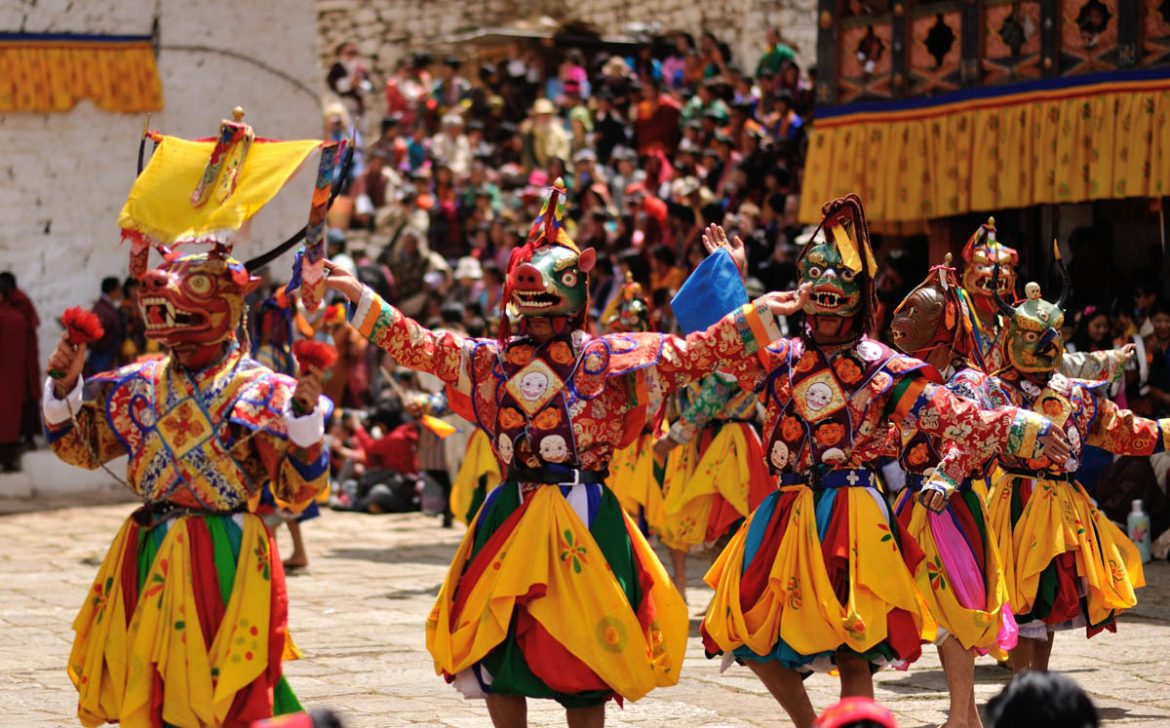
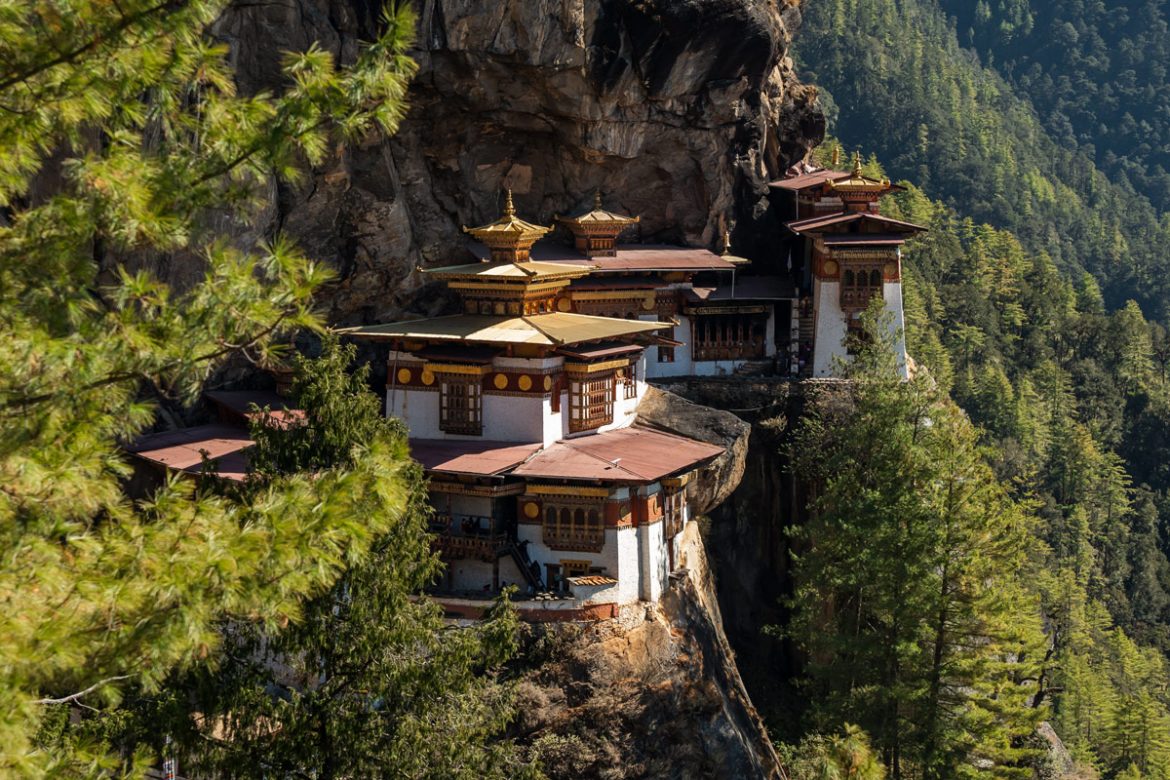
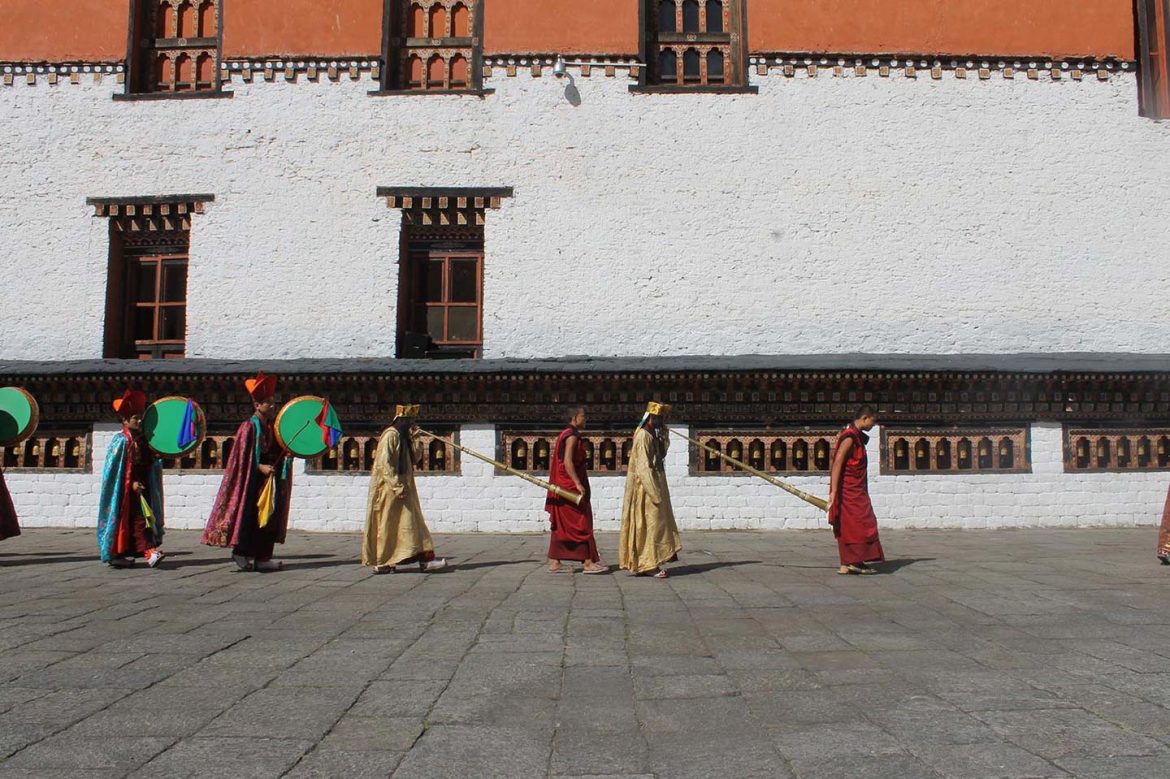
Bhutan has a strong Buddhist heritage and traditional way of life. Visitors should respect local customs, religious practices, and cultural traditions. When visiting monasteries, temples, and dzongs, dress modestly, remove your shoes where required, and follow your guide’s instructions. Always ask permission before photographing local people or religious ceremonies.
Currency and Payments
The official currency of Bhutan is the Bhutanese Ngultrum (BTN), which has the same value as the Indian Rupee. Indian Rupee notes are also commonly accepted, although certain denominations may have restrictions. It is advisable to carry some local cash for small purchases, souvenirs, and personal expenses. Card acceptance may vary between hotels, shops, and restaurants.
Communication and Internet
Mobile networks and internet services are available in major towns and tourist areas, although coverage can be limited in remote locations. Hotels generally provide Wi-Fi, but connection speed and availability may vary. You can arrange a local SIM card after arrival if you need regular mobile communication.
Packing and Clothing
Pack comfortable clothing suitable for changing weather conditions. Light clothing is useful during warmer daytime temperatures, while warm layers are recommended for mornings and evenings. Comfortable walking shoes, a waterproof jacket, sunglasses, sunscreen, and personal medications are also useful. Modest clothing is particularly important when visiting religious sites.
Health and Travel Insurance
Bhutan is generally a comfortable destination for cultural sightseeing, but travelling through mountain roads and higher-altitude areas may require some adjustment. Drink sufficient water, eat regularly, and allow time to rest during the journey. Comprehensive travel insurance covering medical expenses, trip interruptions, and emergency assistance is strongly recommended.
Photography and Responsible Tourism
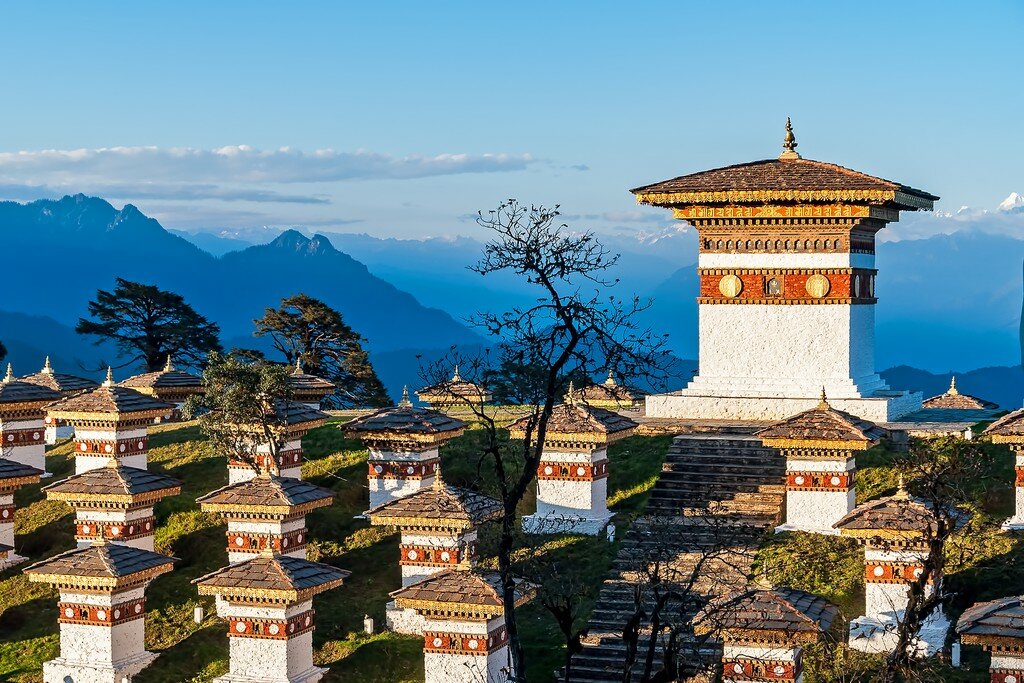
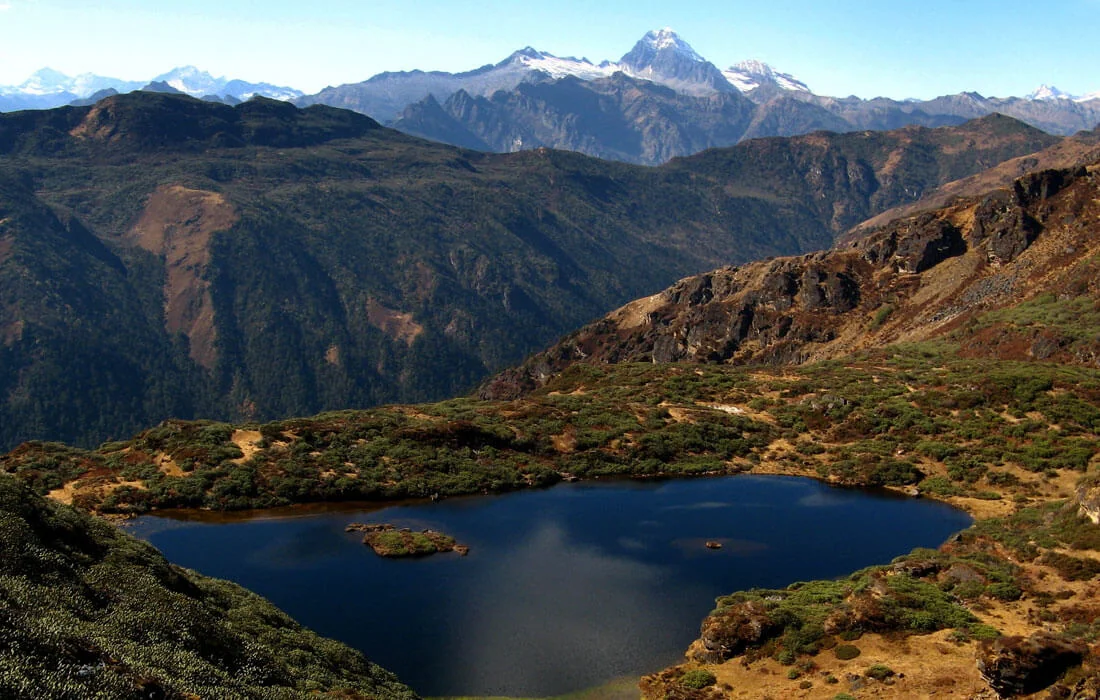
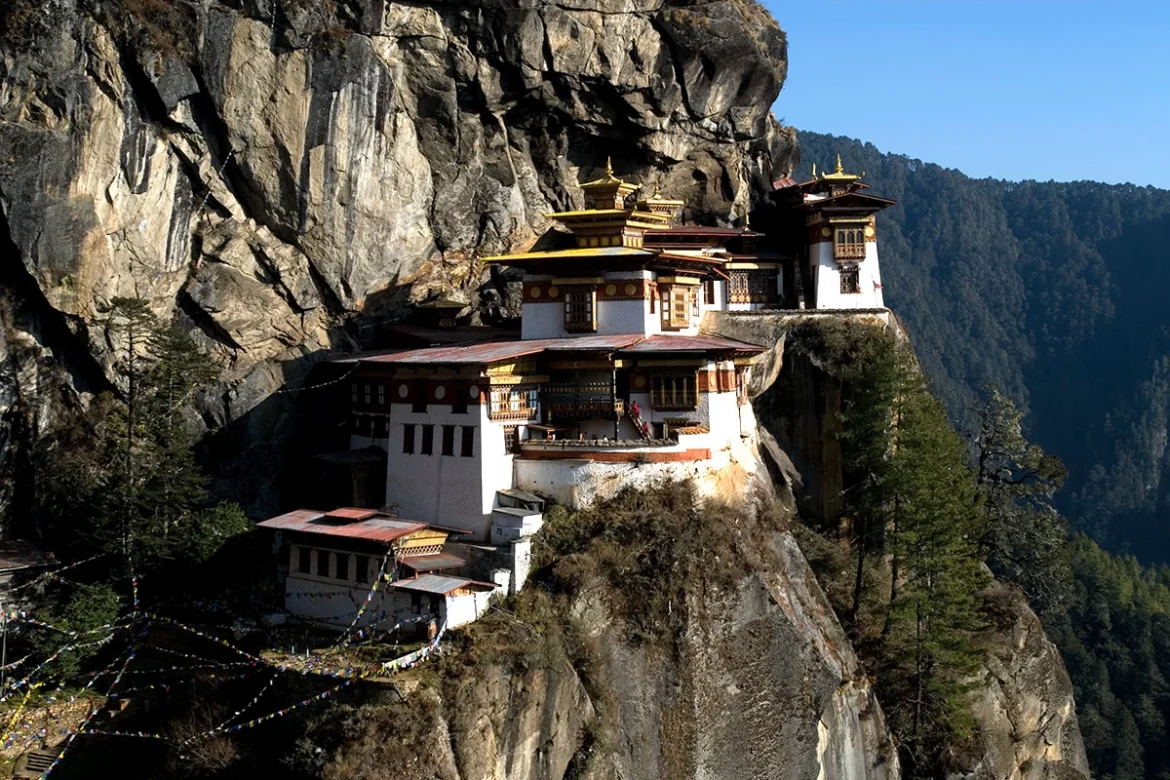
Bhutan offers beautiful opportunities for photography, from traditional architecture and monasteries to mountain landscapes and local villages. Photography may be restricted inside certain temples, monasteries, and religious buildings. Respect local instructions, avoid disturbing religious activities, and help protect Bhutan’s clean environment by reducing plastic waste and disposing of rubbish responsibly.
Electricity and Charging Facilities
Bhutan generally uses Type D, F, and G electrical sockets, with a standard voltage of approximately 230V and a frequency of 50Hz. Socket availability can vary between hotels. Carry a suitable universal travel adapter and charging equipment for your electronic devices.
Tipping and Personal Expenses
Tipping is not compulsory in Bhutan, but it is appreciated for good service. You may provide tips to your guide and driver according to your satisfaction and group arrangements. Keep some additional money for souvenirs, snacks, beverages, laundry, and other personal expenses not included in your tour package.
Important Travel Documents
Carry your valid passport, Bhutan visa confirmation, flight tickets, travel insurance details, and hotel or tour booking confirmation. Keep digital and printed copies of important documents for convenience. Check that your passport meets Bhutan’s entry requirements before departure.
Final Travel Advice: Prepare for changing weather, respect Bhutanese traditions, and keep your travel schedule flexible. With proper preparation and an experienced local guide, the Bhutan Vistas Tour will offer a comfortable and rewarding introduction to Bhutan’s culture, history, and beautiful Himalayan landscapes.
Equipment Checklist – Bhutan Vistas Tour
Packing the right essentials will make your Bhutan Vistas Tour more comfortable and enjoyable. Bhutan’s weather can vary between Paro, Thimphu, and Punakha, so it is best to bring comfortable clothing, suitable walking shoes, personal essentials, and basic travel accessories. The following checklist will help you prepare for your journey.
Clothing
- Comfortable T-shirts and casual shirts
- Long-sleeved shirts
- Comfortable trousers and walking pants
- Warm sweater or fleece jacket
- Lightweight down jacket
- Waterproof jacket or raincoat
- Comfortable walking shoes
- Sandals or casual shoes
- Socks and undergarments
- Sleepwear
- Hat or cap
- Scarf or shawl
- Modest clothing for visiting monasteries and religious sites
Travel Essentials
- Valid passport
- Bhutan visa confirmation
- Flight tickets and travel documents
- Travel insurance documents
- Hotel and tour booking confirmation
- Small daypack or backpack
- Travel wallet and some local currency
- Reusable water bottle
- Sunglasses
- Sunscreen and lip balm
- Universal travel adapter
- Mobile phone and charger
- Power bank
- Camera and spare batteries
Personal Toiletries
- Toothbrush and toothpaste
- Shampoo and conditioner
- Soap or body wash
- Face wash and moisturizer
- Hand sanitizer
- Wet wipes and tissues
- Personal hygiene products
- Small towel
- Comb or hairbrush
Health and First-Aid Essentials
- Personal prescription medications
- Basic first-aid kit
- Pain relief medication
- Motion sickness medication, if needed
- Bandages and antiseptic wipes
- Insect repellent
- Personal medical supplies
- Hand sanitizer
Optional Items
- Binoculars for mountain views and wildlife observation
- Travel journal and pen
- Reading materials
- Extra camera memory card
- Small umbrella
- Lightweight snacks
- Extra reusable shopping bag
Packing Advice: You do not need heavy trekking equipment for the Bhutan Vistas Tour. Comfortable walking shoes, layered clothing, and essential travel documents are generally sufficient. Pack according to the season of your visit, as spring and autumn are usually pleasant while winter requires warmer clothing.

 Nepal