Ama Dablam Expedition (6,812 m) - 30 days
-
Min 1 Max 10
-
Challenging to Strenuous
-
April-May and October-November
-
6,812 m / 22,343 ft (Summit)
-
30 Days / 29 Night
-
Private tourist vehicle & Flights
-
Hotel / Lodge / Tent
-
Meals included
<strong>Who we are</strong> Our website address is: <a href="http://www.alpinetrav.com" target="_new" rel="noopener">http://www.alpinetrav.com</a>. <hr /> <strong>What personal data we collect and why we collect it</strong> <h3>Plugin Data Collection and Compliance</h3> This website uses plugins that may store personal information. These plugins comply with GDPR regulations and are designed to manage and protect your data securely. Below are details on what data may be collected and why: <ol> <li><strong>Contact Forms</strong> <ul> <li>When you use contact forms, the plugin may collect your name, email, and other necessary details to provide responses to your inquiries.</li> <li>This data is stored to enable us to respond to your messages effectively and is retained only as long as necessary for communication.</li> </ul> </li> <li><strong>Comments and Spam Detection</strong> <ul> <li>Comments on the site collect data shown in the form, as well as the visitor’s IP address and browser user agent string to assist in spam detection.</li> <li>This data may also be shared with an automated spam detection service.</li> </ul> </li> <li><strong>Cookies and Data Storage</strong> <ul> <li>Some plugins may set cookies to improve user experience, such as storing login information or remembering preferences. These cookies comply with GDPR standards and expire after a set period or upon logging out.</li> <li>Cookies specifically used by these plugins do not collect personal data unless explicitly mentioned.</li> </ul> </li> <li><strong>Embedded Content</strong> <ul> <li>Embedded content from third-party websites may behave as if the visitor has visited those external websites. These third-party sites might collect data and track your interaction as per their policies.</li> </ul> </li> <li><strong>Analytics</strong> <ul> <li>Some plugins may collect anonymous analytics to improve site performance. However, no personal information is stored unless explicitly noted, and all data complies with GDPR standards.</li> </ul> </li> </ol> <h3>How Long We Retain Your Data</h3> The collected data is stored only as long as necessary for the intended purposes, such as for communication or to improve the site experience. This may vary based on the plugin and specific regulatory requirements. <h3>What Rights You Have Over Your Data</h3> Under GDPR, you have the right to: <ul> <li>Access: Request a copy of the personal data we hold.</li> <li>Rectification: Correct any data we hold about you that is incorrect.</li> <li>Erasure: Request the deletion of your data, provided it is no longer necessary for regulatory or operational purposes.</li> </ul> For requests, please contact us using the information in our Contact section below. <hr /> <strong>Where We Send Your Data</strong> Visitor comments may be checked through an automated spam detection service. Some plugins may also send anonymized data to third parties as part of analytics or performance monitoring. <strong>How We Protect Your Data</strong> All data managed by this website and its plugins is stored securely. We ensure our plugins meet industry standards for encryption and data protection. We also regularly update our website to prevent unauthorized access.
Climbing a prestigious mountain in the Himalayas
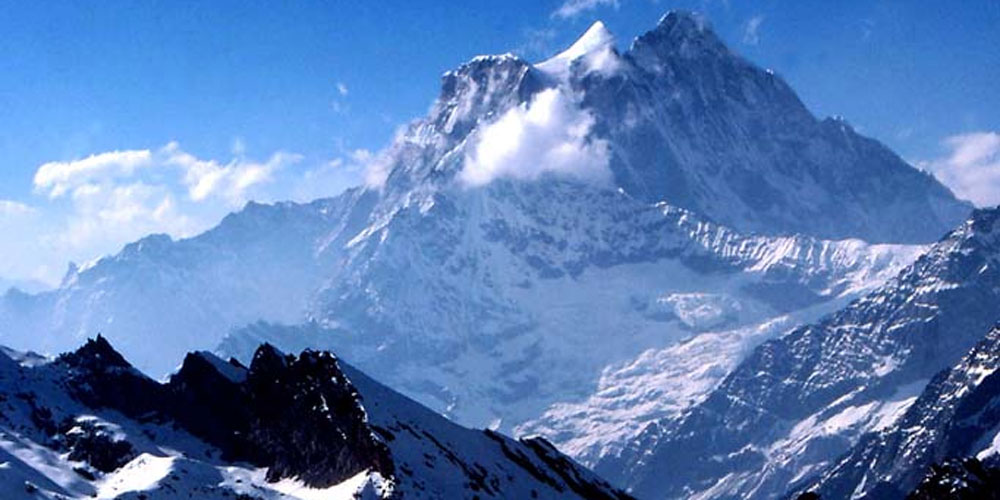
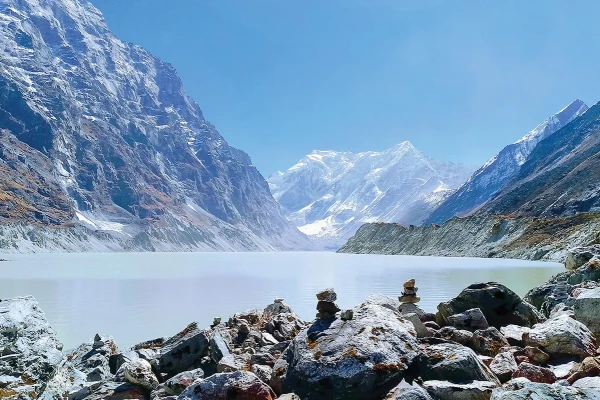
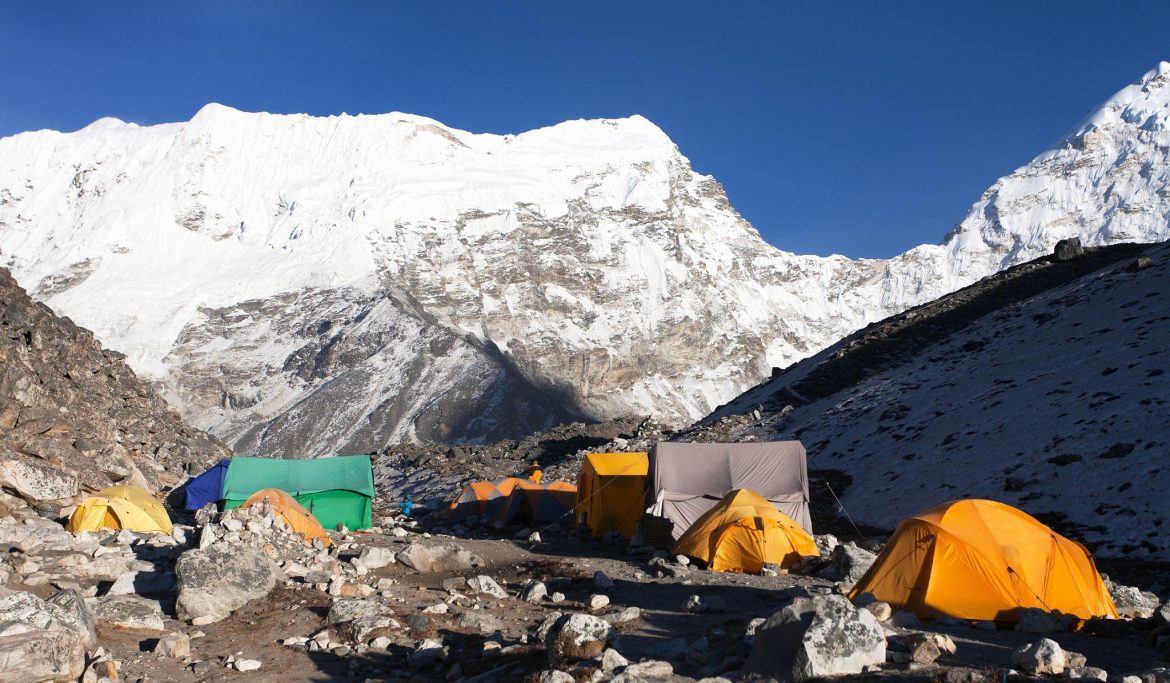
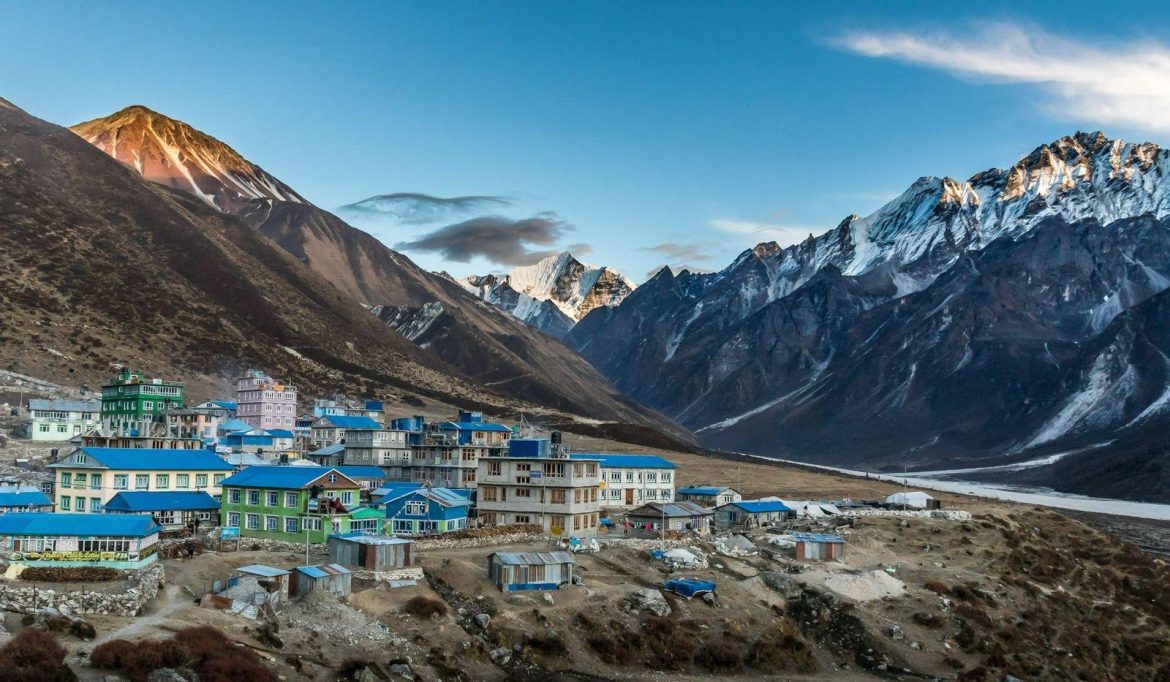
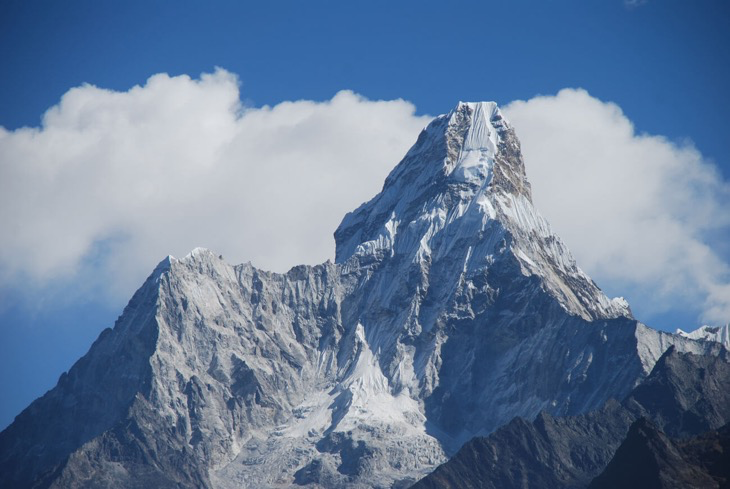
The Ama Dablam Expedition (6,812 m) is a challenging and technical mountaineering adventure in Nepal’s Khumbu region, within the Everest Himalayas. Known for its distinctive pyramid-shaped summit and hanging glacier, Ama Dablam is one of the most beautiful and recognizable mountains in the world. The expedition begins with a scenic trek through traditional Sherpa villages, Buddhist monasteries and spectacular Himalayan landscapes before reaching Ama Dablam Base Camp (approximately 4,600 m).
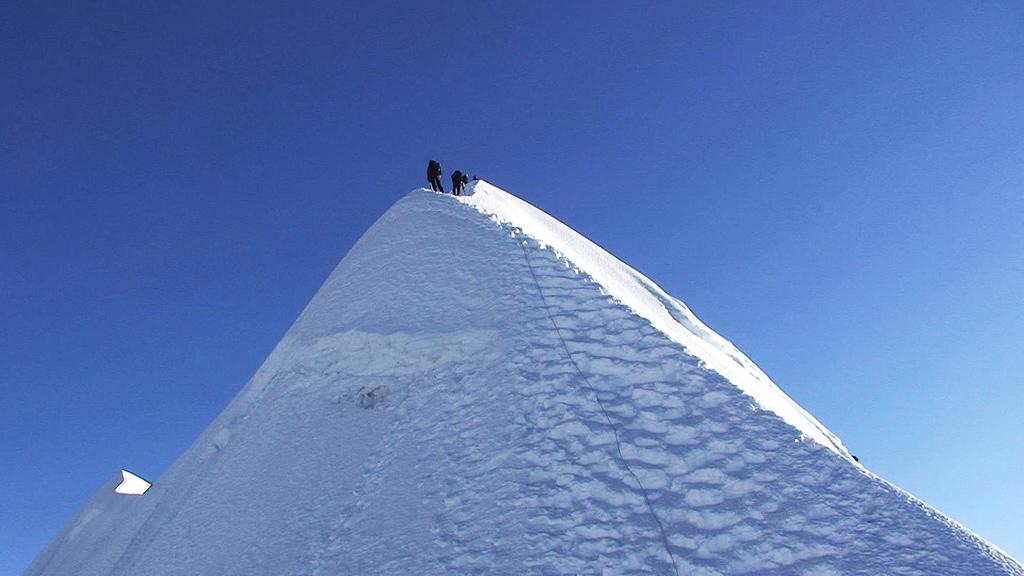
During the climbing period, climbers are supported by experienced expedition leaders, qualified climbing guides, Sherpa climbing staff and dedicated Base Camp support personnel. The Base Camp team coordinates accommodation, meals, communication, equipment arrangements and general expedition logistics throughout the climbing period. Above Base Camp, the mountain has three additional camps: Camp 1 (5,600 m), Camp 2 (5,900 m) and Camp 3 (6,200 m), before the final ascent towards the summit at 6,812 m. The expedition schedule and climbing arrangements depend on weather, acclimatization and professional safety assessments.
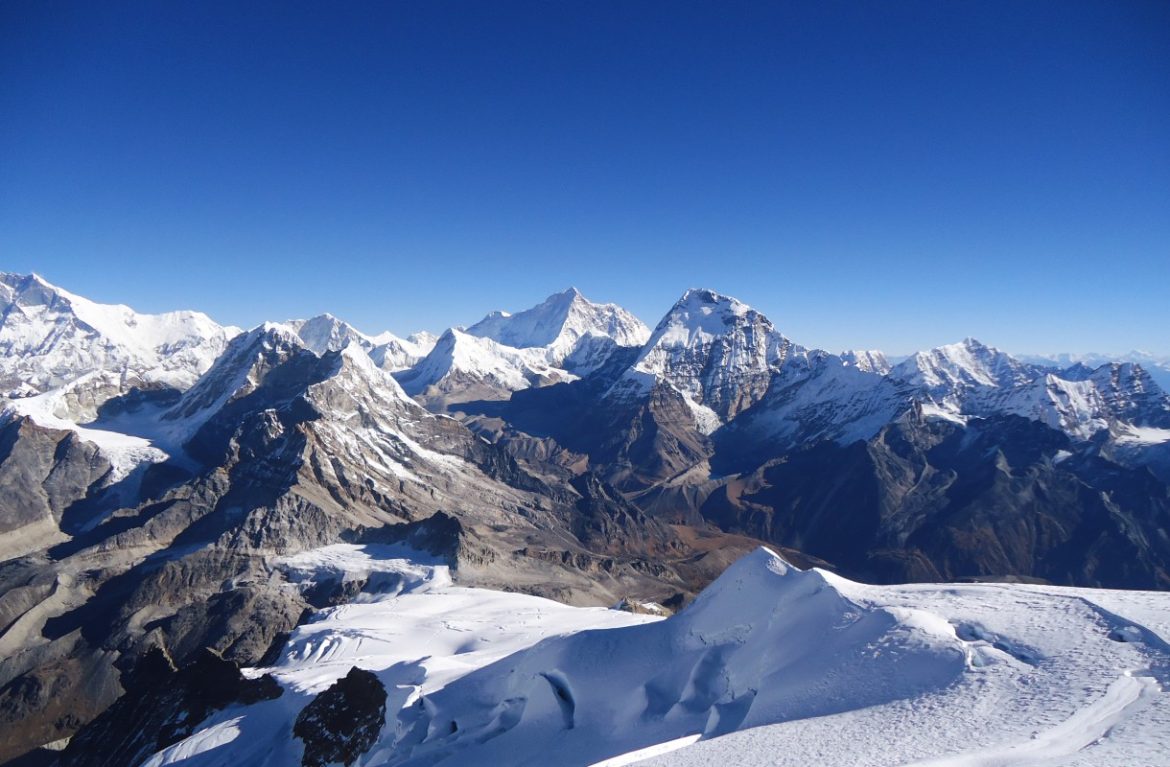
Throughout the journey, climbers can enjoy magnificent views of Mount Everest (8,848.86 m), Lhotse (8,516 m), Makalu (8,485 m), Cho Oyu (8,188 m), Nuptse (7,861 m) and other surrounding Himalayan peaks. With professional expedition support, experienced climbing guides, suitable preparation and carefully managed acclimatization arrangements, Ama Dablam offers a memorable high-altitude mountaineering experience for suitably experienced climbers.
Trip Highlights
- Climb the iconic Ama Dablam (6,812 m) in Nepal’s Khumbu region.
- Experience a spectacular trek through the Everest region.
- Explore traditional Sherpa villages and Buddhist monasteries.
- Enjoy magnificent views of Everest, Lhotse, Makalu and Cho Oyu.
- Stay at Ama Dablam Base Camp (approximately 4,600 m).
- Experience the expedition’s three higher camps: Camp 1, Camp 2 and Camp 3.
- Receive professional support from experienced climbing guides and Sherpa staff.
- Experience a fully supported Himalayan mountaineering expedition.
- Discover the natural beauty and cultural heritage of Sagarmatha National Park.
- Enjoy an unforgettable high-altitude climbing adventure.
Climbing Package Cost:
- The trip price listed above is an estimate and may vary depending on your group size, preferred services, and travel requirements. We offer special discounts for larger groups and customized prices for private departures. Contact AlpineTrav with your travel dates and group size for a personalized quotation.
Standard 30-Day Itinerary
Arrive at Tribhuvan International Airport in Kathmandu, where our representative will welcome you and transfer you to your hotel. After checking in, you can relax and recover from your journey. In the evening, enjoy your first experience of Nepal's capital city.
Spend the day preparing for the expedition, checking personal equipment and completing necessary documentation. you will meet your expedition team for a general briefing about the journey, travel arrangements and mountain conditions.
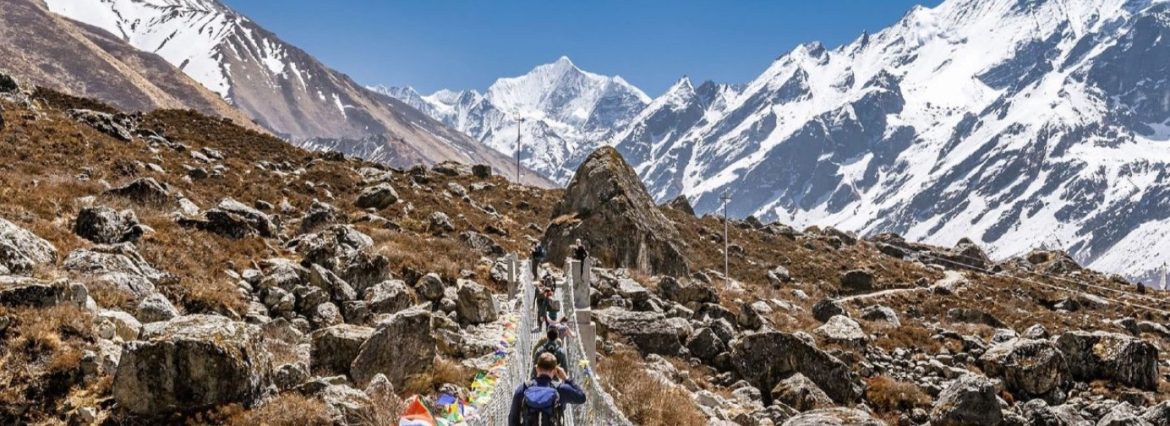
Travel to Lukla by flight, enjoying spectacular views of the Himalayan mountains. After arriving, begin trekking through the beautiful Dudh Koshi Valley, passing small Sherpa settlements, suspension bridges and prayer wheels before reaching Phakding. Walking time: approximately 3–4 hours.
Continue along the Dudh Koshi River, crossing several suspension bridges and entering Sagarmatha National Park. The trail passes through Monjo and Jorsale before climbing towards Namche Bazaar, the main trading centre of the Khumbu region. Walking time: approximately 5–6 hours.
Spend the day in Namche Bazaar to support gradual altitude adjustment. Explore the traditional Sherpa town, local shops, museums and surrounding viewpoints. Enjoy beautiful views of Everest, Lhotse and Ama Dablam when the weather is clear.
Continue through beautiful rhododendron forests and traditional mountain settlements towards Tengboche. Visit the famous Tengboche Monastery, an important Buddhist spiritual centre in the Everest region. Enjoy magnificent views of Ama Dablam, Everest and surrounding Himalayan peaks. Walking time: approximately 5–6 hours.
Continue along the scenic trail towards Pangboche, passing traditional Sherpa villages, mani walls and Buddhist prayer flags. Pangboche is one of the oldest settlements in the Khumbu region and offers impressive views of Ama Dablam. Walking time: approximately 3–4 hours.
Continue towards the Ama Dablam Base Camp area, surrounded by spectacular Himalayan landscapes. The general expedition preparation and support arrangements are coordinated by the professional expedition team.
This period is reserved for the professionally managed expedition. It includes the Base Camp stay, acclimatization arrangements and the climbing programme coordinated by the qualified expedition leadership. Camp arrangements, higher-altitude activities and summit attempts are determined by the professional team according to weather, mountain conditions and individual acclimatization.
After the expedition period, begin the return journey towards the lower Khumbu region, depending on the expedition team's assessment and the condition of the participants.
Continue descending through the beautiful Khumbu Valley towards Namche Bazaar. Enjoy the familiar Sherpa villages, mountain scenery and local hospitality along the way.
Continue trekking through Monjo, Phakding and the Dudh Koshi Valley towards Lukla. This is the final trekking section of the expedition. Walking time: approximately 6–7 hours.
Take a return flight from Lukla to Kathmandu, subject to weather and flight availability. After arriving, transfer to your hotel and enjoy some free time in the city.
Your Ama Dablam expedition concludes today. Our representative will transfer you to Tribhuvan International Airport for your international departure.
What's Included and What's Excluded
Services Included
- Airport pick-up and drop-off by private vehicle, including arrival and departure transfers.
- Hotel accommodation in Kathmandu for the scheduled nights, including breakfast.
- Domestic flights between Kathmandu and Lukla, according to the itinerary and flight arrangements.
- Airport transfers and necessary ground transportation in Kathmandu.
- Teahouse or lodge accommodation during the trekking period on a twin-sharing basis.
- Three meals a day (breakfast, lunch and dinner) during the trekking and expedition periods.
- Tea, coffee and drinking water arrangements during the trekking period, as specified in the package.
- Experienced, English-speaking trekking guide and qualified Ama Dablam climbing guide.
- Experienced Sherpa climbing support and necessary expedition staff.
- Required assistant guides and porters according to group size.
- Porter service for personal trekking baggage, according to the package allowance.
- Ama Dablam climbing permit and applicable Sagarmatha National Park entry permit.
- Khumbu Pasang Lhamu rural municipality fee and other applicable local charges.
- Ama Dablam Base Camp accommodation, including dining and kitchen facilities.
- Base Camp support staff, including cooks, kitchen helpers and expedition assistants.
- Meals, accommodation and necessary arrangements for the climbing team during the expedition period.
- Group climbing equipment and expedition logistics, as specified in the package.
- Necessary communication facilities and general Base Camp support arrangements.
- Fixed ropes and other shared climbing support equipment, where included in the expedition arrangements.
- First-aid supplies and basic medical support at Base Camp.
- Staff wages, meals, accommodation, transportation, equipment and insurance.
- Government taxes and applicable service charges.
- Expedition coordination and support from AlpineTrav Treks & Expeditions.
Services Excluded
- International airfare to and from Nepal.
- Nepal entry visa fees.
- Personal travel insurance covering technical mountaineering above 6,000 m and emergency helicopter evacuation.
- Personal mountaineering equipment, including climbing boots, clothing, sleeping bags, harnesses, helmets and other individual gear, unless specifically included.
- Personal climbing Sherpa or additional high-altitude support beyond the package arrangement.
- Extra hotel accommodation and meals in Kathmandu beyond the included itinerary.
- Additional accommodation or meals caused by flight delays, bad weather or itinerary extensions.
- Personal expenses such as Wi-Fi, telephone calls, laundry, hot showers and battery charging.
- Bottled drinks, alcoholic beverages, soft drinks, snacks and additional refreshments.
- Tips for climbing guides, Sherpa staff, trekking guides, porters and drivers.
- Additional baggage and excess luggage charges.
- Emergency rescue, helicopter evacuation and medical expenses.
- Personal medical consultations, medicines and treatment beyond the included basic support.
- Summit bonuses or additional staff payments, if applicable and not included in the package.
- Costs resulting from unexpected weather conditions, route changes or extended expedition periods.
- Any services not specifically mentioned in the cost-includes section.
Note:
Ama Dablam climbing is a technical high-altitude expedition requiring specialized equipment, experienced climbing Sherpa support and professional expedition management. Before departure, AlpineTrav Treks & Expeditions should clearly confirm the climbing staff ratio, personal climbing Sherpa arrangements, Base Camp facilities, higher-camp support, oxygen provisions (if applicable), summit bonus policy and emergency arrangements. Personal insurance must specifically cover technical mountaineering above 6,000 m and helicopter evacuation.
Useful Information
This contains important information regarding the optimal climbing season, the difficulty of the expedition, Base Camp facilities, higher camps, climbing guides, Sherpa support, food, accommodation, weather, permits, travel insurance, and the necessary mountaineering equipment. For this challenging Himalayan expedition, proper preparation, experience in technical climbing, professional support, and a careful acclimatization process are essential. Please continue reading below.
Location and Geography
Ama Dablam (6,812 m) is located in the Khumbu region of northeastern Nepal, within Sagarmatha National Park. It is famous for its distinctive pyramid-shaped summit, steep ridges and hanging glacier. The mountain offers spectacular views of Mount Everest, Lhotse, Nuptse, Makalu and other Himalayan peaks.
Best Season for Climbing
The main climbing seasons for Ama Dablam are spring (April–May) and autumn (October–November). These periods generally offer more favourable weather and mountain visibility. However, climbing conditions can change quickly, and the final expedition schedule depends on professional weather assessments.
Expedition Difficulty
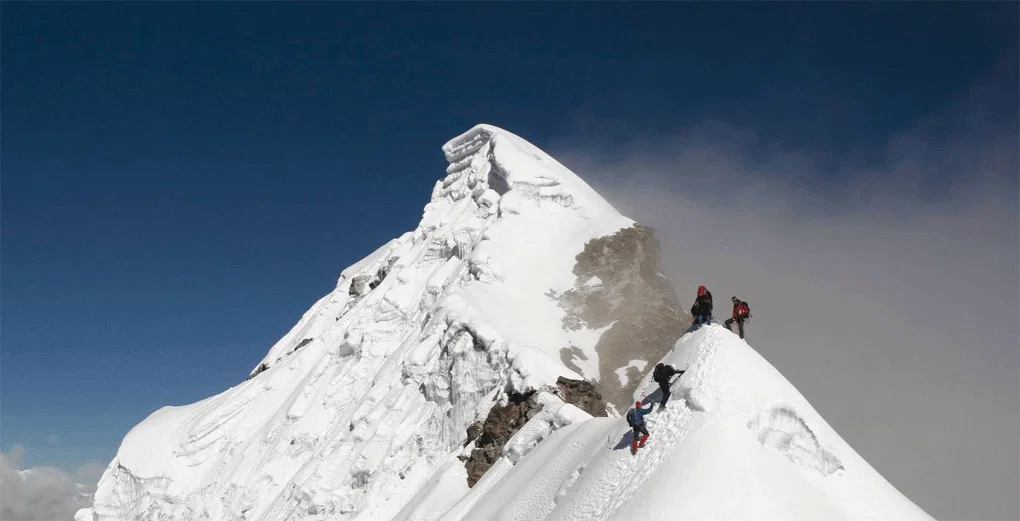
Ama Dablam is considered a highly technical and challenging mountaineering expedition. The climb involves exposed mountain terrain, steep rock and ice sections, glaciers and high-altitude conditions. Previous technical mountaineering experience, suitable preparation and professional climbing support are essential.
Base Camp Facilities
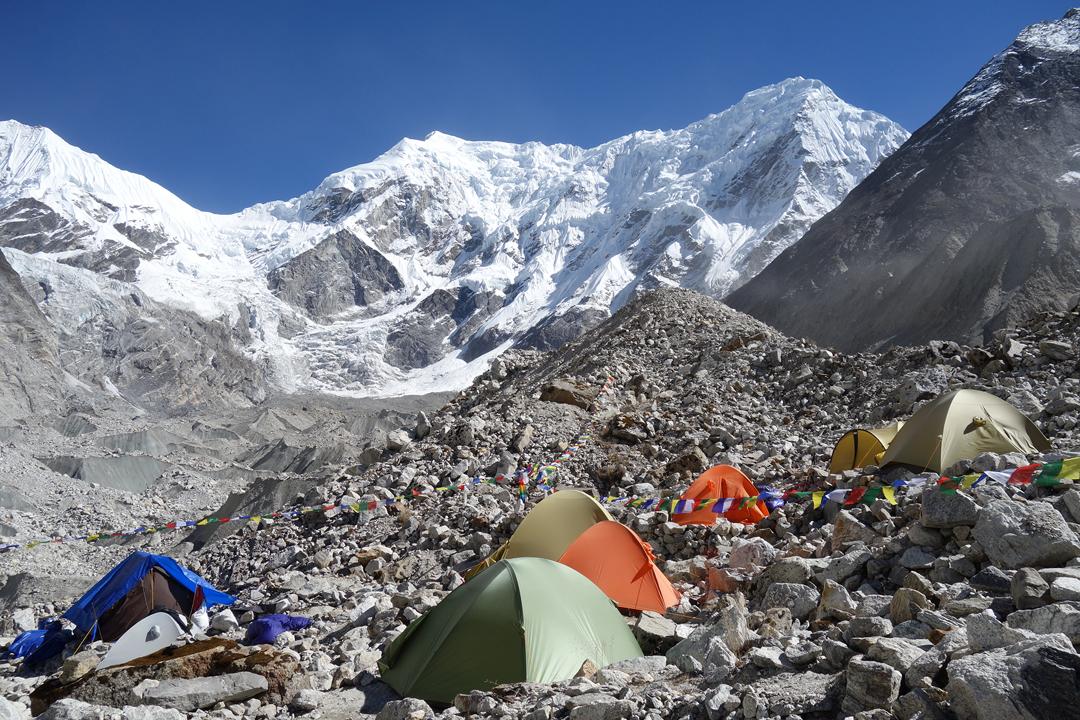
Ama Dablam Base Camp is generally established at approximately 4,600 m. Facilities may include sleeping tents, dining tents, kitchen arrangements, toilets, communication equipment, power supply and medical support. Experienced Base Camp staff coordinate daily services, meals and general expedition logistics.
Higher Camps
The mountain has three main camps above Base Camp: Camp 1 (5,600 m), Camp 2 (5,900 m) and Camp 3 (6,200 m). These camps provide accommodation and expedition support during the climbing period. Their facilities and arrangements are managed by the professional climbing team according to current mountain conditions.
Climbing Period
The expedition includes a dedicated climbing period for acclimatization, preparation and mountain activities. The duration can vary depending on weather, route conditions, individual acclimatization and the expedition team’s assessment. Additional time may be necessary if conditions are unsuitable.
Climbing Guides and Sherpa Support
A qualified expedition leader, experienced climbing guides and professional Sherpa staff provide essential support throughout the expedition. Their responsibilities include general climbing supervision, camp coordination, communication and expedition logistics. The climbing team and support ratio should be confirmed before departure.
Base Camp Staff and Kitchen Team
A dedicated Base Camp team generally includes cooks, kitchen assistants, camp helpers and expedition support personnel. They coordinate meals, accommodation, drinking water, dining facilities and general camp services. Their support helps climbers maintain a comfortable Base Camp routine throughout the expedition.
Food and Drinking Water
During the trekking section, meals are generally available at local teahouses and lodges. At Base Camp, professional kitchen staff prepare breakfast, lunch and dinner according to the expedition arrangements. Safe drinking water is provided through suitable treatment and purification facilities.
Weather and Temperature
Weather on Ama Dablam can change rapidly, particularly at higher elevations. Temperatures are generally more comfortable during the daytime at Base Camp but can become extremely cold at higher camps and overnight. Strong winds, snowfall and poor visibility may affect expedition arrangements.
Physical Fitness and Mountaineering Experience
Participants should have excellent physical fitness, endurance and previous technical mountaineering experience. Experience with high-altitude climbing, glacier travel, rock climbing and ice climbing is particularly beneficial. Proper preparation before arriving in Nepal is important.
Permits and Documentation
Ama Dablam climbing requires the applicable Nepal mountaineering permit, Sagarmatha National Park entry permit and other necessary administrative documentation. A valid passport, travel documents and required permit information should be prepared before departure. AlpineTrav Treks & Expeditions can assist with the necessary arrangements.
Travel Insurance and Emergency Support
Comprehensive travel insurance is essential and must specifically cover technical mountaineering above 6,000 m, emergency medical treatment and helicopter evacuation. Climbers should carefully check policy exclusions, altitude limits and rescue coverage before travelling to Nepal.
Communication and Electricity
Communication facilities at Base Camp may include radio sets, satellite communication and other suitable systems. Electricity may be supplied through generator or solar power arrangements, depending on the expedition setup. Mobile network coverage and internet access are limited in remote mountain areas.
Responsible Tourism and Local Culture
The Khumbu region is home to Sherpa communities with a rich Buddhist cultural heritage. Visitors should respect local traditions, monasteries, prayer flags and religious sites. Responsible waste management and environmental protection are important throughout the expedition.
Itinerary Flexibility and Safety
The expedition schedule may change because of weather conditions, climbing conditions, acclimatization requirements or other unexpected circumstances. Additional rest days or an extended Base Camp stay may be necessary. The expedition leader’s safety decisions should always take priority over the planned schedule or summit objective.
Ama Dablam Expedition – Equipment Checklist
A successful Ama Dablam expedition requires appropriate personal clothing, essential travel items and specialist equipment arranged by the professional expedition team. The following is a general checklist to help participants understand the main equipment categories.
Head
- Warm hat X 2: Synthetic or wool hat, should cover the head & ear comfortably
- Sun Hat X 1: Baseball Cap or other sun hat to protect yourself from the sun
- Thermal Balaclava X 1: Protects your face, neck, and head from winds and cold
- Buff X 3: Versatile & lightweight, multi-use neck and face cover for sun, wind, dust, and mild cold.
- Sunglasses/Glacier Glasses X 1: High-quality, UV-blocking sunglasses with good all-around protection
- Ski Goggles: Anti-fog and good ventilation
- Headlight X 2: 200-300 lumens output with spare batteries (Lithium)
Handwear
- Liner Gloves X 2: Light gloves for warmth, dexterity, and moisture control. Used during trekking, camp work, and layering
- Mid-weight Gloves: Primary gloves for cold trekking days and general climbing in moderate conditions
- Heavyweight Gloves( Leather Palm): For cold, technical sections. Provides insulation, durability, and grip on fixed ropes
- Down Mittens / Summit Gloves: Large enough to fit a liner glove inside
Upper Body
- Thermal or Base layers top X 3: Worn next to skin for warmth, moisture control, and temperature regulation.
- Trekking Shirts X 4: Breathable short and long sleeve shirts for daily trekking comfort and sun protection.
- Mid Weight Top X 2: Insulating layer for cooler conditions during trekking and at camp.
- Soft shell Jacket / Fleece Jacket X 2: Flexible insulation for cold, windy days. Used while moving and resting.
- Primaloft or light down jacket: Lightweight insulation for cold mornings, evenings, and rest stops.
- Hardshell Jacket with hood: Waterproof and windproof outer layer for protection against snow, rain, and strong wind.
- Down Jacket with hood (800m fill): High insulation layer for very cold conditions at base camp and higher camps.
- Down Suit: Lightweight, comfortable fit, and 800m fill. Maximum insulation for extreme cold. Used only during the summit climb.
Lower Body
- Thermal or Base Layer Bottom X 3: Worn next to skin for warmth, moisture control, and comfort in cold conditions.
- Trekking trousers/pants X 3: Main pants for daily use and approach. Breathable, durable, and comfortable.
- Mid-weight trousers/pants X 2: Added insulation for colder days and higher camps.
- Hardshell Gore-Tex pants X 1: Non-insulated, waterproof, and windproof outer layer for snow, wind, and wet conditions.
- Insulated down pant X 1: High insulation layer for very cold temperatures. Used at high camps and during rest periods.
Inner Wear
- Underwear: Synthetic or wool fabrics for moisture-wicking, quick drying, and comfort during long days.
- Sports Bras for women: Supportive, moisture-wicking, and comfortable for trekking and high activity.
Footwear
- Hiking Boots: Sturdy, comfortable, Gore-Tex, ankle support boots for trekking on trails and rough terrain.
- Camp Shoe: Lightweight shoes or sneakers for comfort at base and high camps.
- 8000m Mountaineering Boot: Insulated, rigid boots for high altitude climbing and extreme cold (Eg: La Sportiva Olympus Mons Cube or Scarpa 8000)
- Hiking Socks X 5 pairs: Medium to heavy synthetic or wool socks for daily trekking comfort and blister prevention.
- Liner Socks X 2: Thin socks worn under hiking or mountaineering boots for moisture control and reduced friction.
- Summit Socks X 2: Extra warm, high insulation socks for summit day and extreme cold.
- Gaiters X 1: Protect legs and boots from snow, mud, and debris
- Flip flop / Sandal X 1: Lightweight footwear for comfort around base camp or lodges.
Climbing Gears
- Climbing Helmet: Must be able to fit over your warm hat
- Alpine Climbing Harness: Must fit over all your clothing with adjustable leg loops.
- Ascender/Jumar: Right or left hand with a large handle
- Belay Device: Figure 8 & ATC Guide
- Carabiners: 3 lock and 3 unlock
- Safety Cord: 8mm climbing cord of 3 meters in length
- Ice Axe: General Mountaineering Ice Axe
- Crampons: 12-point steel mountaineering crampons with anti-balling plates
- Accessory / Prussik Cord
General Gear
- Backpack: Lightweight backpack for both trekking and climbing (45-55 litres)
- Inflatable sleeping mattress: Compact, insulated, for comfortable sleeping on uneven ground.
- Sleeping bag – 20C: Base camp sleeping bag, suitable for moderately cold nights.
- Sleeping bag – 40C: High camp sleeping bag, designed for extreme cold at altitude.
- Duffel Bags: 120 litres, waterproof, for packing expedition gear and luggage safely.
- Trekking poles: Adjustable, with snow baskets for stability on snow and rough terrain.
- Water bottle X 1: Nalgene 1 ltr, include insulated covers to prevent freezing.
- Thermos: For hot drinks at camp or on summit day.
- Pee bottle: For high camps to avoid long trips in extreme cold. Include a funnel for women for easier use.
- Snack foods: Energy gels and high-calorie snacks, especially for summit days.
- Garmin InReach Mini: Satellite communication device for safety and tracking
Miscellaneous:
- Laundry bag to keep dirty clothes
- Large plastic bags to keep the clothes dry
- Padlock
- Binoculars
- Sewing kit
- Duct tape
- Multi-tool knife
- Reading materials, notebooks, and pens
- City clothes
- Chargers and adaptors
- Camera with charger or spare batteries
- Handwarmers
Toiletries and Hygiene
- Quick-drying towel
- Small face towel
- Toothbrush & Toothpaste
- Deodorants, Soap, and Shampoo (Smaller bottle)
- Face and body moisturizer
- Sun screen SPF50+ and Lip balm SPF 50+
- Hand sanitiser/Antiseptic wipes
- Hygiene products
- Basic first aid kit
Documents
- Passport with visa and validity of 6 months after your trip completion
- 4 copies of passport-size photos for permits and official formalities
- Travel Insurance (Please refer to the general information page for more details about it)
- Flight tickets
- Credit cards in case of emergencies
- Driving ID or any other ID in case of loss of your passport.
FAQs About The Ama Dablam Expedition (6,812 m)
The Ama Dablam Expedition is a challenging Himalayan mountaineering adventure in Nepal’s Everest region. It combines a scenic journey through traditional Sherpa villages with spectacular mountain landscapes and an expedition to one of Nepal’s most recognisable peaks. The mountain is well known for its distinctive shape and dramatic surroundings.
Ama Dablam is located in the Khumbu region of eastern Nepal, within Sagarmatha National Park. It lies near the popular Everest trekking route and is surrounded by impressive Himalayan peaks, traditional Sherpa settlements and beautiful alpine landscapes.
Ama Dablam stands at approximately 6,812 metres (22,349 feet) above sea level. Its impressive height, distinctive pyramid-shaped summit and dramatic ridges make it one of the most recognisable mountains in the Everest region.
Ama Dablam is famous for its beautiful appearance, steep mountain ridges and striking pyramid-shaped summit. It is often considered one of the most visually impressive mountains in the Himalayas. Its location near Mount Everest also provides spectacular views of the surrounding mountain range.
The main expedition seasons are spring (April–May) and autumn (September–November). These periods generally offer more favourable weather conditions and better mountain visibility. However, weather in the Himalayas can change quickly, so the final expedition schedule depends on professional assessments and current mountain conditions.
Ama Dablam is considered a very challenging technical mountaineering expedition. It involves high-altitude conditions, steep mountain terrain and demanding weather. It is intended for experienced mountaineers with suitable previous experience, preparation and professional expedition support.
The complete expedition commonly takes around 25–35 days, depending on the itinerary and overall arrangements. This period generally includes arrival in Kathmandu, preparation, trekking through the Everest region, acclimatization, Base Camp arrangements, the expedition period and the return journey.
Ama Dablam Base Camp is situated at approximately 4,600 metres above sea level. It serves as the main expedition support area, where accommodation, meals, communication facilities and other essential services are arranged for the expedition team.
The expedition generally includes three higher camps above Base Camp, commonly known as Camp 1, Camp 2 and Camp 3. Their approximate elevations are 5,600 metres, 5,900 metres and 6,200 metres respectively. Exact locations and arrangements may vary according to mountain conditions and the expedition team’s plans.
The Ama Dablam region offers beautiful views of some of the world’s highest Himalayan peaks, including Mount Everest, Lhotse, Makalu, Cho Oyu, Nuptse and Thamserku. The surrounding landscape features glaciers, rocky ridges, deep valleys and traditional mountain villages.
The expedition requires the appropriate Ama Dablam climbing permit and relevant entry permits for Sagarmatha National Park. Permit requirements, fees and documentation may change, so these arrangements should be confirmed with the expedition operator and the relevant Nepalese authorities before departure.
Accommodation generally includes hotels in Kathmandu, teahouses or mountain lodges during the trekking journey, and expedition tents at Base Camp. Facilities become more basic at higher elevations, where accommodation and other arrangements depend on the expedition team’s support.
Meals are generally arranged throughout the trekking and expedition periods. During the trek, visitors can enjoy local Nepali, Tibetan and international dishes at mountain teahouses. At Base Camp, a dedicated kitchen team usually prepares meals and provides food supplies according to the expedition arrangements.
Professional expedition packages generally include qualified climbing guides, experienced Sherpa support and Base Camp staff. The support team also helps coordinate accommodation, meals, communication and general expedition logistics. The exact staffing arrangements and included services should be confirmed before booking.
Participants should prepare suitable cold-weather clothing, waterproof layers, warm gloves, insulated jackets, sleeping bags, personal toiletries, sunglasses, sunscreen and other travel essentials. Specialist mountaineering equipment and safety arrangements should be confirmed through the qualified expedition operator before departure.
Yes. Comprehensive travel and mountaineering insurance is essential. The policy should specifically cover high-altitude mountaineering up to the required elevation, emergency medical treatment, helicopter evacuation and other relevant rescue services. Participants should carefully check the policy limits and exclusions before travelling.
Yes. The expedition reaches high elevations where altitude-related illness can be a serious concern. Proper acclimatization, professional supervision and careful attention to health are important throughout the journey. Participants should follow their expedition leader’s safety guidance and seek medical attention if they feel unwell.
Yes. Weather conditions in the Himalayas can be unpredictable and may affect flights, trekking arrangements and the overall expedition schedule. The itinerary may need to change because of snow, strong winds, poor visibility, health concerns or other unexpected circumstances. Allowing additional time and remaining flexible are important.
The Ama Dablam Expedition offers a memorable experience in the beautiful Everest region, combining traditional Sherpa culture, peaceful mountain villages, spectacular Himalayan scenery and a challenging mountaineering environment. Its distinctive mountain shape and impressive surroundings make it a remarkable destination for experienced mountaineers.
AlpineTrav Treks & Expeditions provides expedition planning and support services designed to make the journey well organised and comfortable. Services may include experienced local guides, Sherpa support, accommodation, meals, permits, transportation, Base Camp facilities and expedition logistics. Our team focuses on responsible tourism, clear communication and professional support throughout the journey.
 Nepal