Note:
The Lhasa Overland Tour depends on the availability of the Nepal–Tibet border crossing at Rasuwagadhi–Gyirong and approval of the required travel permits. If the land border is unavailable, the itinerary may need to be changed to a flight-based tour. Flight tickets, visa arrangements, permit fees, and included services will be clearly confirmed before booking.
Useful Information
The Lhasa Overland Tour from Kathmandu takes you across the Himalayan region into the high-altitude Tibetan Plateau. Proper preparation is important for a comfortable journey, especially because of the altitude, changing weather, travel permits, and border formalities. Please review the following information before travelling.
Travel Permits and Chinese Group Visa
Foreign travelers entering Tibet from Nepal require the necessary Tibet Travel Permit and a Chinese Group Visa. These documents must be arranged through an authorized travel agency in coordination with the relevant authorities. Travelers should provide valid passport details and required documents well in advance. Visa and permit requirements may vary according to nationality and current regulations.
Border Crossing and Transportation
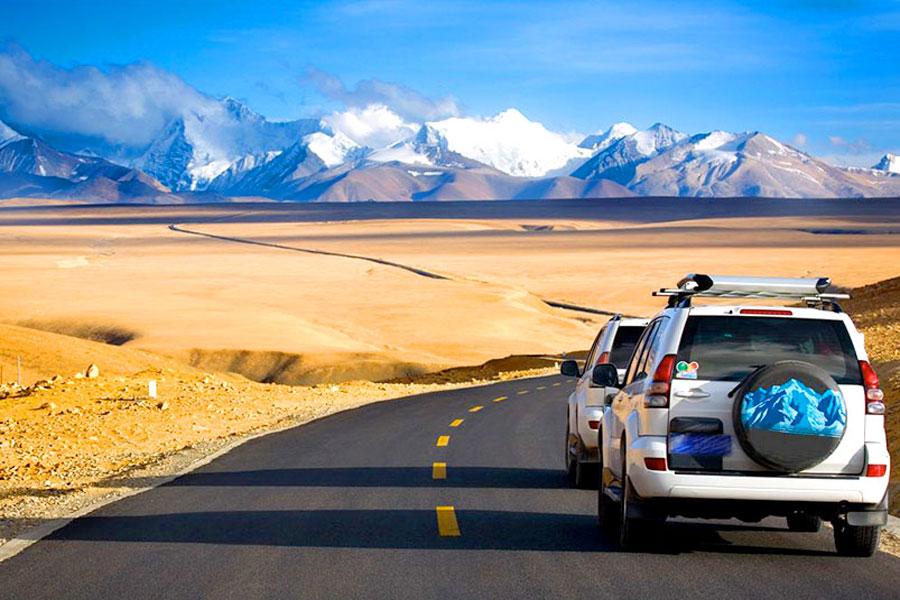
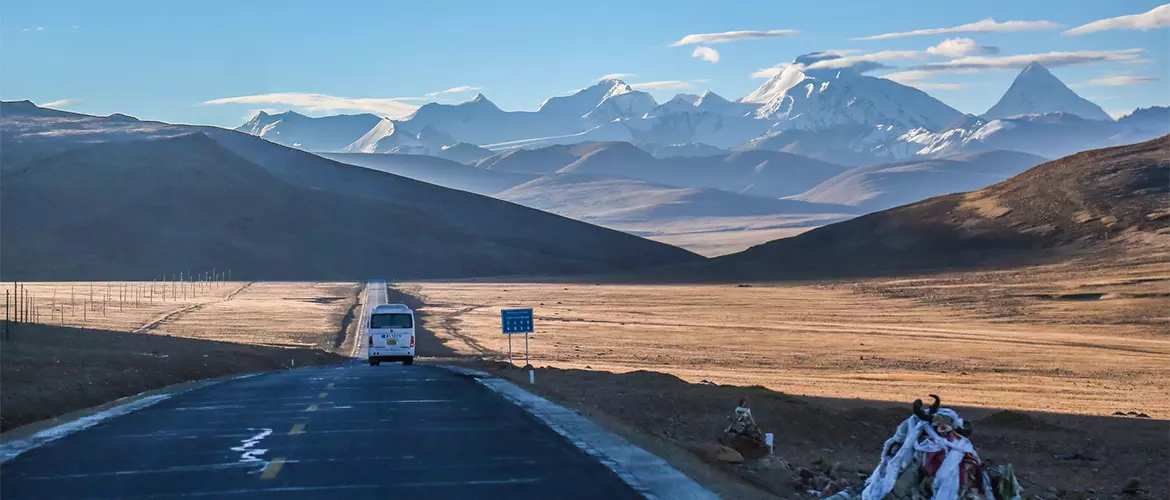
The traditional overland route passes through Rasuwagadhi in Nepal and Gyirong in Tibet, continuing towards Saga, Shigatse, and Lhasa. However, the border crossing is subject to official opening status and permission for foreign tourists. If overland travel is unavailable, the tour may be arranged with flights between Kathmandu and Lhasa. All transportation and travel arrangements must be confirmed before departure.
Best Time to Visit Tibet
The best seasons for the Lhasa Overland Tour are generally spring (April to May) and autumn (September to October). These months usually offer pleasant daytime temperatures, clearer skies, and good mountain views. Summer is also possible, although some areas may experience rain. Winter is colder, particularly in high-altitude regions.
Altitude and Acclimatization
Lhasa is situated at approximately 3,650 metres above sea level, while some places along the overland route are considerably higher. Travelers should allow enough time to adjust to the altitude, walk slowly, drink sufficient water, and avoid strenuous activity during the first few days. If you experience a headache, dizziness, nausea, unusual tiredness, or breathing difficulties, inform your guide promptly and seek medical advice. Anyone with health concerns should consult a healthcare professional before travelling.
Accommodation and Meals
Accommodation is generally arranged in comfortable hotels and guesthouses on a twin-sharing basis. Hotel standards and facilities may vary between cities and remote areas. Breakfast is usually included, while lunch and dinner can be enjoyed at local restaurants offering Tibetan, Chinese, Nepali, and other regional dishes.
Weather and Clothing
Weather conditions in Tibet can change quickly, with warm sunshine during the day and cold temperatures in the morning and evening. Pack warm clothing, a windproof and waterproof jacket, comfortable trousers, thermal layers, gloves, and a warm hat. Good walking shoes are recommended for sightseeing and visiting monasteries.
Money and Personal Expenses
The official currency in Tibet is the Chinese Yuan (CNY). Carry enough cash for personal expenses, snacks, drinks, and meals not included in the package. Card and mobile payment facilities may be available in larger cities, but cash is useful in smaller towns and remote areas.
Communication and Internet
Mobile networks and internet services are available in major towns and cities, although connectivity may be limited in remote areas. Internet access and some international websites or applications may be restricted in China. Check your mobile roaming arrangements and communication options before departure.
Food and Drinking Water
Drink safe, boiled, or bottled water throughout the journey. Avoid drinking untreated water, and take care when choosing food, particularly in remote locations. Carry a reusable water bottle and any personal snacks you may need during long driving days.
Travel Insurance and Safety
Comprehensive travel insurance is strongly recommended. Your policy should cover high-altitude travel, emergency medical treatment, and evacuation where available. Keep essential medicines and personal medical supplies with you, and inform your guide if you feel unwell during the journey.
Culture and Responsible Travel
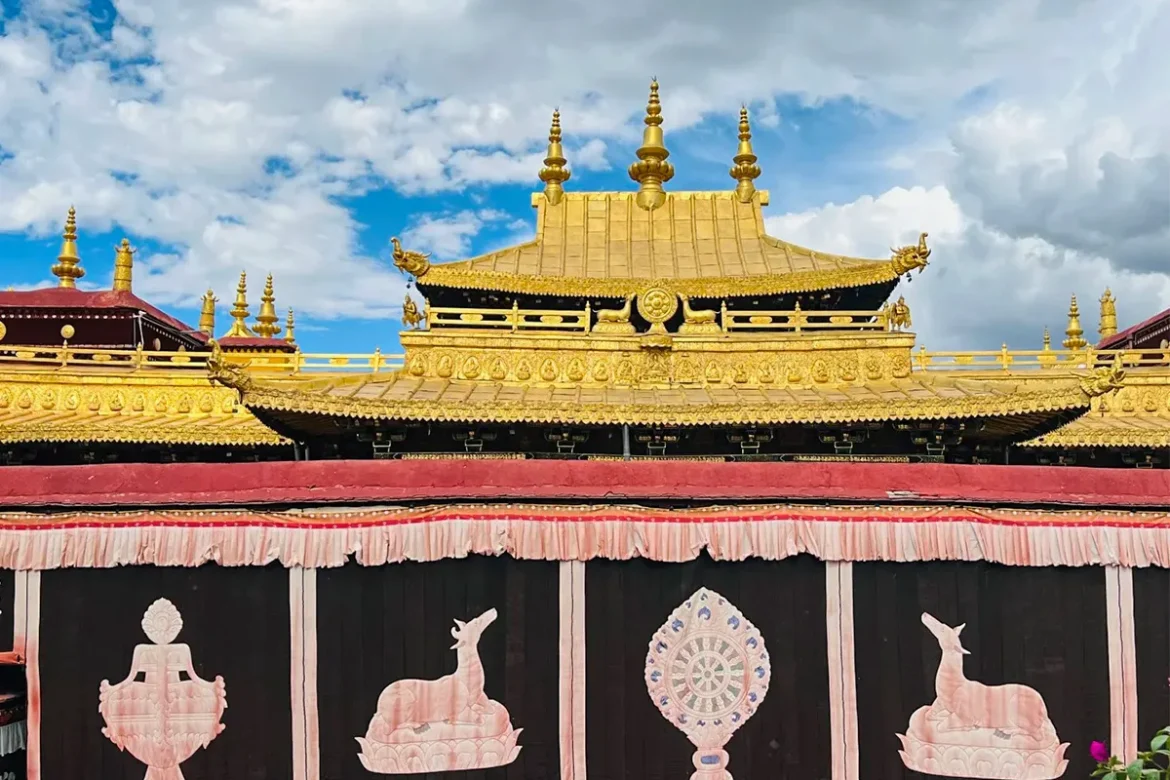
Tibet has a rich Buddhist heritage and strong local traditions. Dress respectfully when visiting monasteries and religious sites, follow local instructions, and ask permission before photographing people or religious ceremonies. Respect local customs, protect the natural environment, and avoid disturbing religious objects or wildlife.
Important Travel Arrangements
The overland route, border crossing, permits, visa, accommodation, and transportation must be reconfirmed before booking. If the Rasuwagadhi–Gyirong border is closed or tourist crossing is not permitted, the itinerary may need to be changed to a flight-based Kathmandu–Lhasa tour. Return flights from Lhasa to Kathmandu are subject to airline schedules and availability.
Equipment Checklist – Lhasa Overland Tour from Kathmandu
The Lhasa Overland Tour takes you through high-altitude landscapes with changing weather conditions. We recommend bringing comfortable clothing, personal essentials, and suitable travel equipment to make your journey safe and enjoyable.
Clothing
- Warm down jacket or insulated jacket
- Fleece jacket or warm sweater
- Waterproof and windproof jacket
- Thermal innerwear
- Comfortable trousers and travel pants
- Long-sleeved shirts and T-shirts
- Warm socks and comfortable underwear
- Warm hat, sun hat, and scarf
- Gloves and neck warmer
Footwear
- Comfortable walking shoes or hiking shoes
- Lightweight casual shoes
- Extra pairs of warm socks
Personal Accessories
- Sunglasses with UV protection
- Sunscreen and SPF lip balm
- Reusable water bottle
- Small daypack for daily sightseeing
- Toiletries and personal hygiene items
- Quick-drying towel
- Hand sanitizer and wet wipes
- Small personal first-aid kit
Health and Personal Medicines
- Personal prescription medicines
- Basic medicines recommended by your healthcare professional
- Altitude-related medication, if prescribed
- Motion sickness tablets, if needed
- Personal medical supplies
Travel Documents
- Valid passport
- Chinese Group Visa and Tibet Travel Permit, as required
- Flight tickets and travel confirmation
- Travel insurance documents
- Passport-sized photographs, if required
- Emergency contact details
- Copies of important travel documents
Electronics and Accessories
- Mobile phone and charger
- Camera and spare batteries
- Power bank
- Universal travel adapter
- Headphones
- Charging cables
Money and Other Essentials
- Chinese Yuan (CNY) cash
- Credit or debit cards
- Small notebook and pen
- Lightweight snacks
- Books or entertainment for long driving days
- Small luggage lock
Important Note: Temperatures can vary significantly between daytime and nighttime, especially at higher elevations. Pack warm layers, sun protection, and comfortable walking shoes. Keep your passport, permits, medicines, valuables, and essential travel documents in your hand luggage. Adjust your packing according to the season and the confirmed travel itinerary.

 Nepal