Annapurna region - Annapurna South Hidden Lake Trek
-
Minimum 2 – Maximum 12 Trekkers
-
Moderate to Challenging
-
March–May and September–November
-
4,380m /14,370ft (Hidden Lake)
-
13 Days (9 Days of Trekking)
-
Private or Tourist Vehicle
-
Hotels, Teahouses, Lodges
-
Breakfast, Lunch, and Dinner During the Trek
<strong>Who we are</strong> Our website address is: <a href="http://www.alpinetrav.com" target="_new" rel="noopener">http://www.alpinetrav.com</a>. <hr /> <strong>What personal data we collect and why we collect it</strong> <h3>Plugin Data Collection and Compliance</h3> This website uses plugins that may store personal information. These plugins comply with GDPR regulations and are designed to manage and protect your data securely. Below are details on what data may be collected and why: <ol> <li><strong>Contact Forms</strong> <ul> <li>When you use contact forms, the plugin may collect your name, email, and other necessary details to provide responses to your inquiries.</li> <li>This data is stored to enable us to respond to your messages effectively and is retained only as long as necessary for communication.</li> </ul> </li> <li><strong>Comments and Spam Detection</strong> <ul> <li>Comments on the site collect data shown in the form, as well as the visitor’s IP address and browser user agent string to assist in spam detection.</li> <li>This data may also be shared with an automated spam detection service.</li> </ul> </li> <li><strong>Cookies and Data Storage</strong> <ul> <li>Some plugins may set cookies to improve user experience, such as storing login information or remembering preferences. These cookies comply with GDPR standards and expire after a set period or upon logging out.</li> <li>Cookies specifically used by these plugins do not collect personal data unless explicitly mentioned.</li> </ul> </li> <li><strong>Embedded Content</strong> <ul> <li>Embedded content from third-party websites may behave as if the visitor has visited those external websites. These third-party sites might collect data and track your interaction as per their policies.</li> </ul> </li> <li><strong>Analytics</strong> <ul> <li>Some plugins may collect anonymous analytics to improve site performance. However, no personal information is stored unless explicitly noted, and all data complies with GDPR standards.</li> </ul> </li> </ol> <h3>How Long We Retain Your Data</h3> The collected data is stored only as long as necessary for the intended purposes, such as for communication or to improve the site experience. This may vary based on the plugin and specific regulatory requirements. <h3>What Rights You Have Over Your Data</h3> Under GDPR, you have the right to: <ul> <li>Access: Request a copy of the personal data we hold.</li> <li>Rectification: Correct any data we hold about you that is incorrect.</li> <li>Erasure: Request the deletion of your data, provided it is no longer necessary for regulatory or operational purposes.</li> </ul> For requests, please contact us using the information in our Contact section below. <hr /> <strong>Where We Send Your Data</strong> Visitor comments may be checked through an automated spam detection service. Some plugins may also send anonymized data to third parties as part of analytics or performance monitoring. <strong>How We Protect Your Data</strong> All data managed by this website and its plugins is stored securely. We ensure our plugins meet industry standards for encryption and data protection. We also regularly update our website to prevent unauthorized access.
The Hidden Lake is a remote, less-traveled Himalayan adventure featuring a secluded high-altitude lake
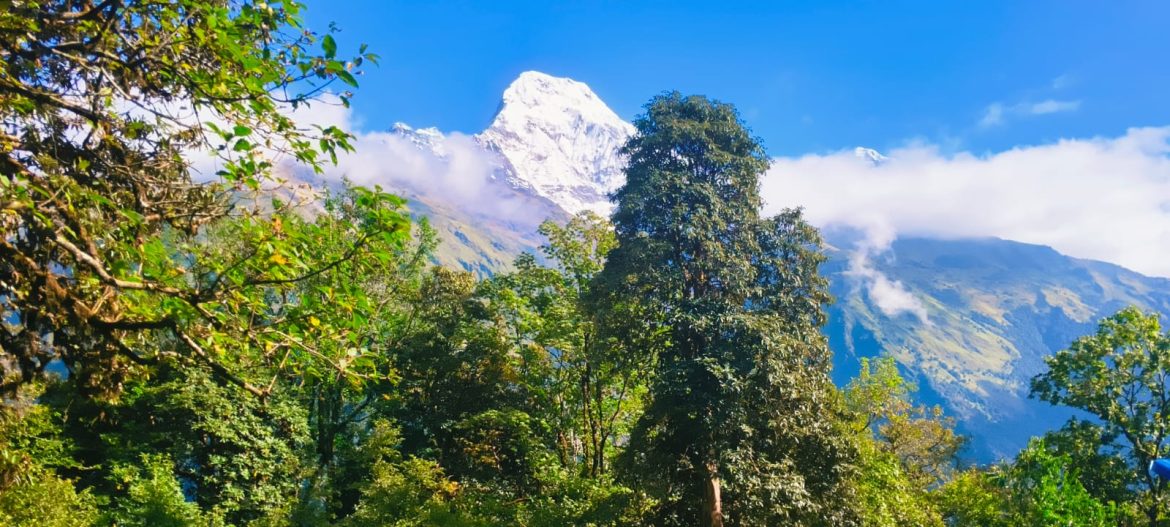
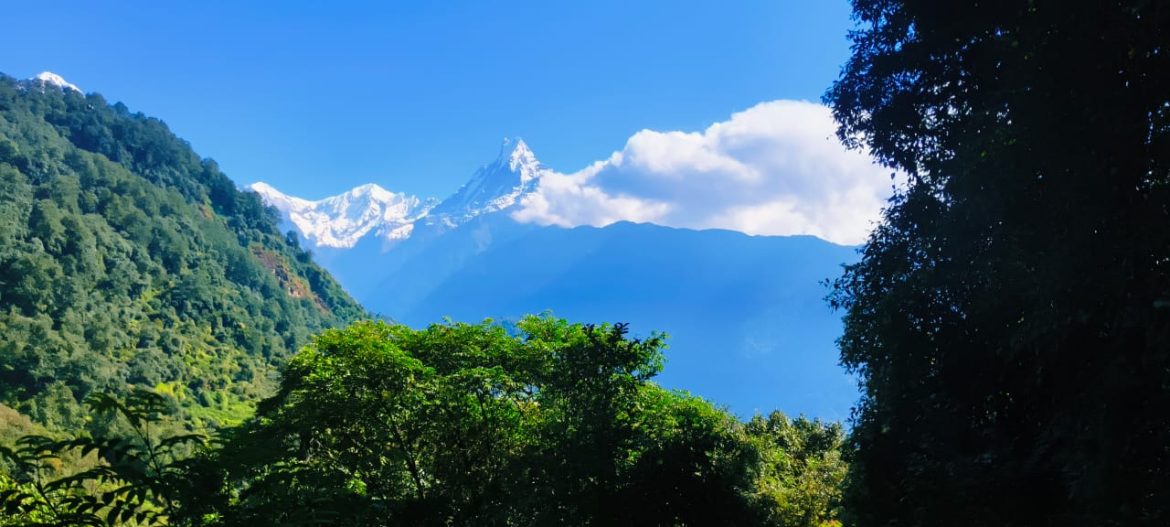
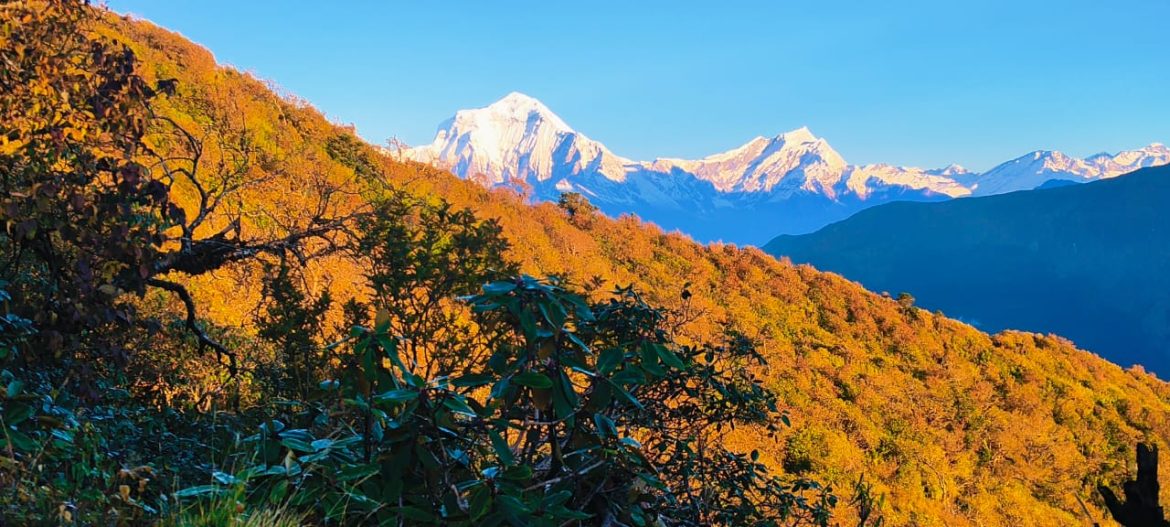
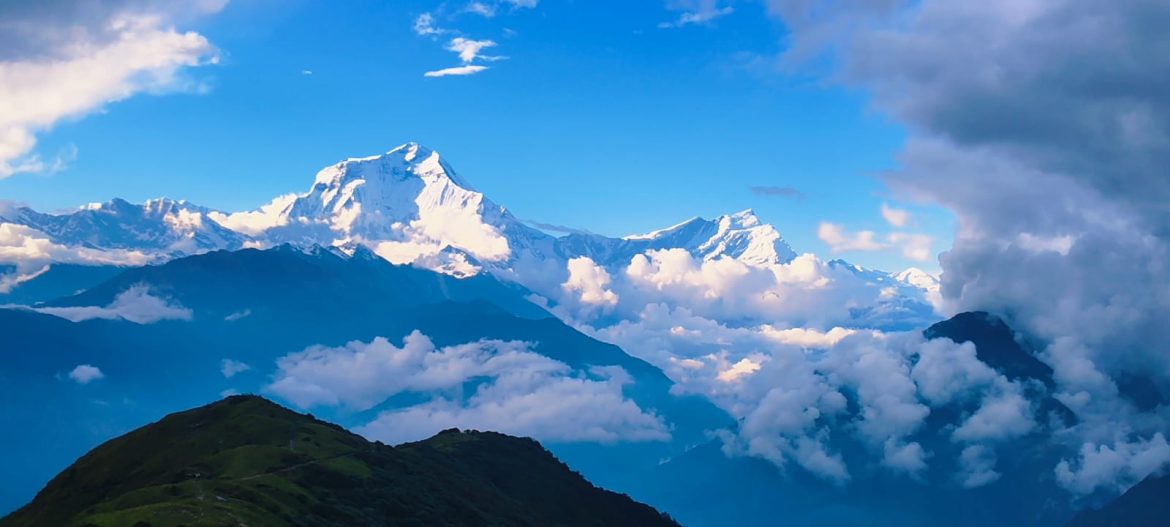
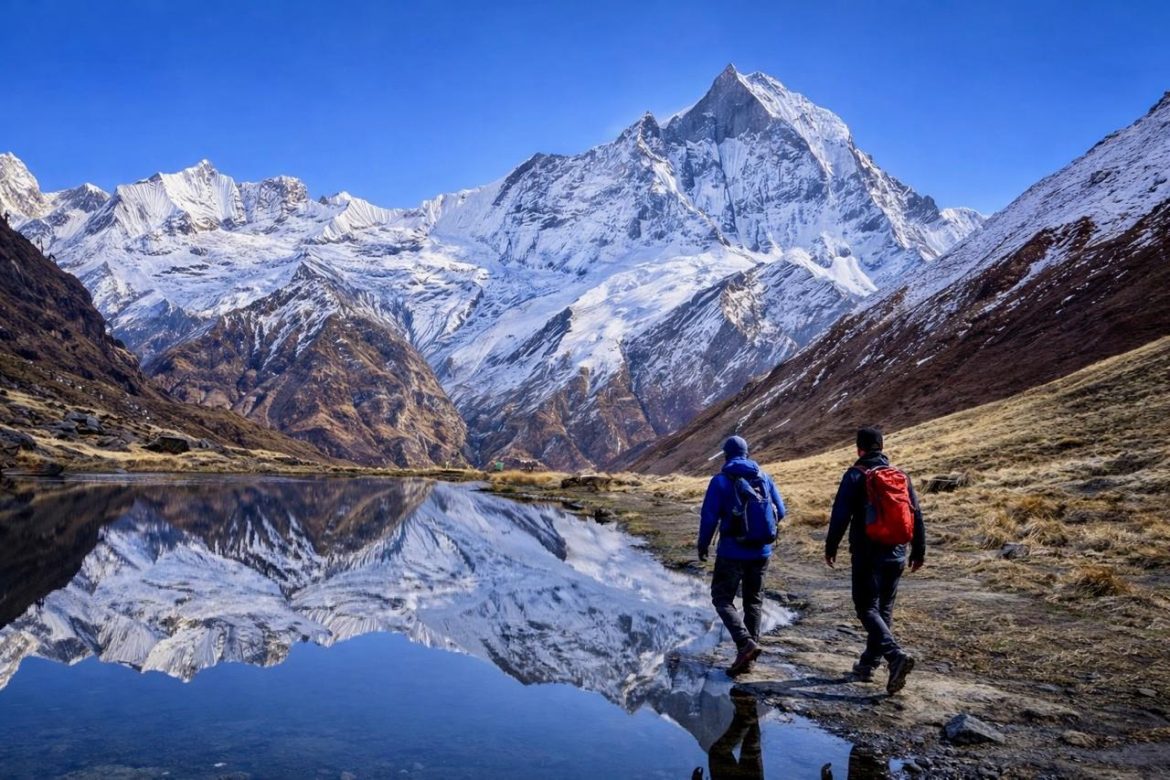
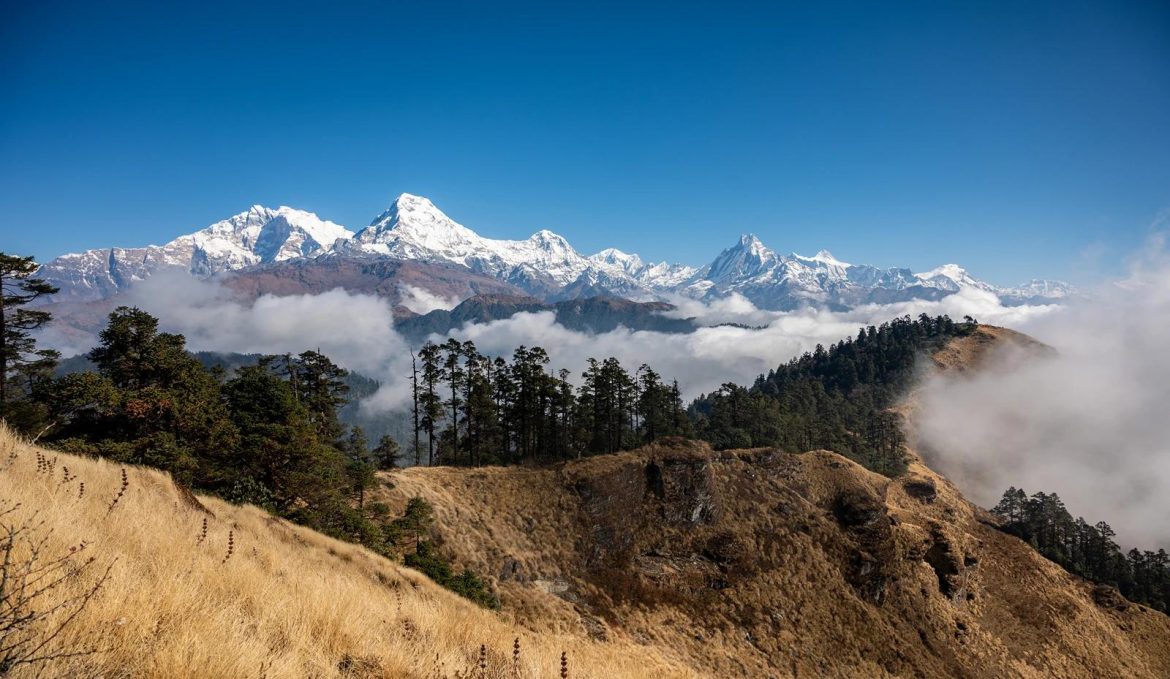
The Annapurna South Hidden Lake Trek is a beautiful Himalayan adventure in Nepal’s Annapurna region, offering a perfect blend of mountain scenery, traditional culture, and peaceful wilderness. The journey takes you through charming villages, terraced farmlands, lush rhododendron and oak forests, and scenic mountain trails with breathtaking views of Annapurna South, Hiunchuli, Machhapuchhre (Fishtail), Dhaulagiri, and Nilgiri.
Starting from Pokhara, the trek follows a scenic route through beautiful villages such as Ghandruk, Tadapani, Landruk, Pothana, and Dhampus, with a memorable visit to the stunning Mulde Viewpoint. Along the way, you can experience the traditional lifestyle, warm hospitality, and rich cultural heritage of the local Gurung and Magar communities.
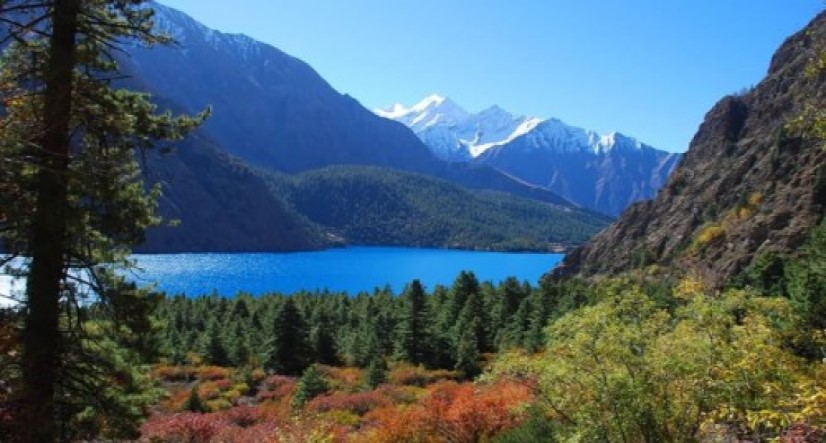
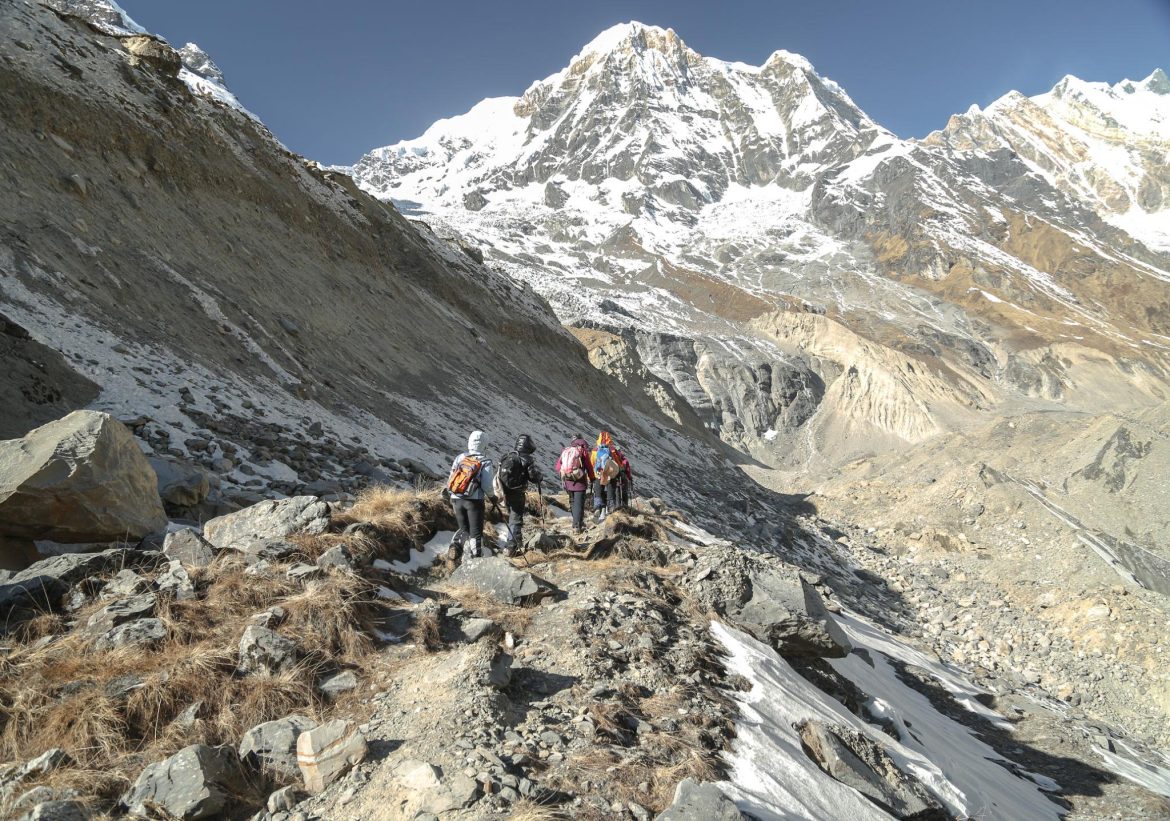
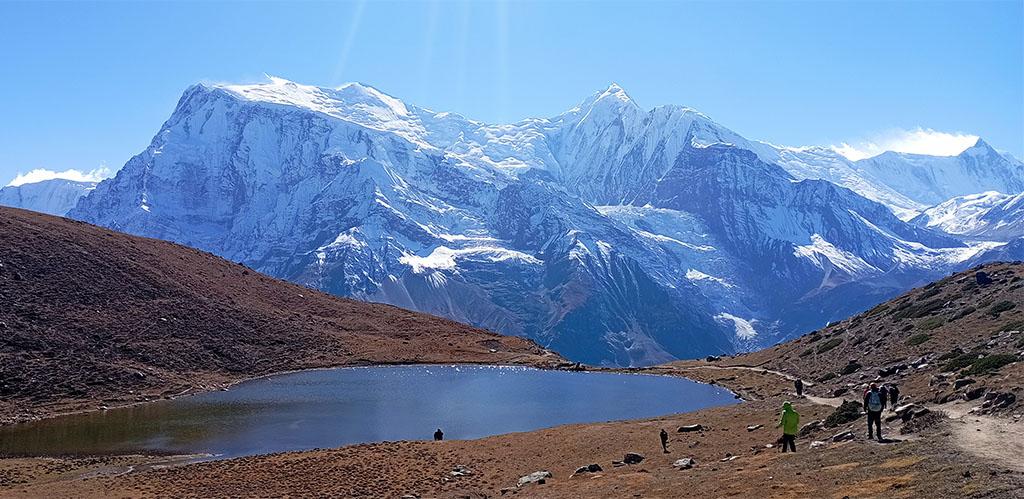
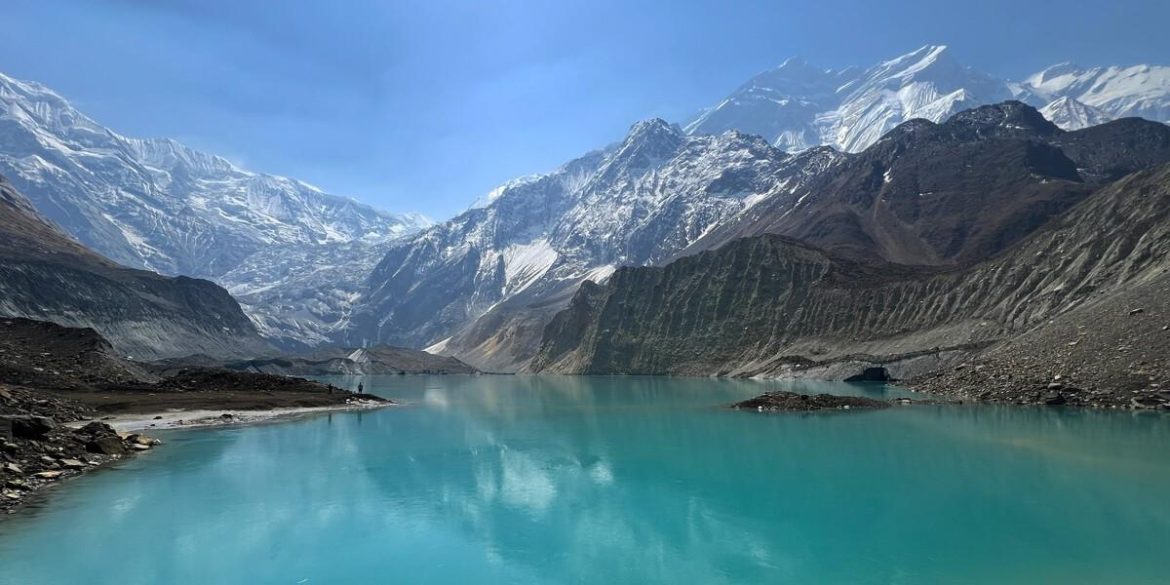
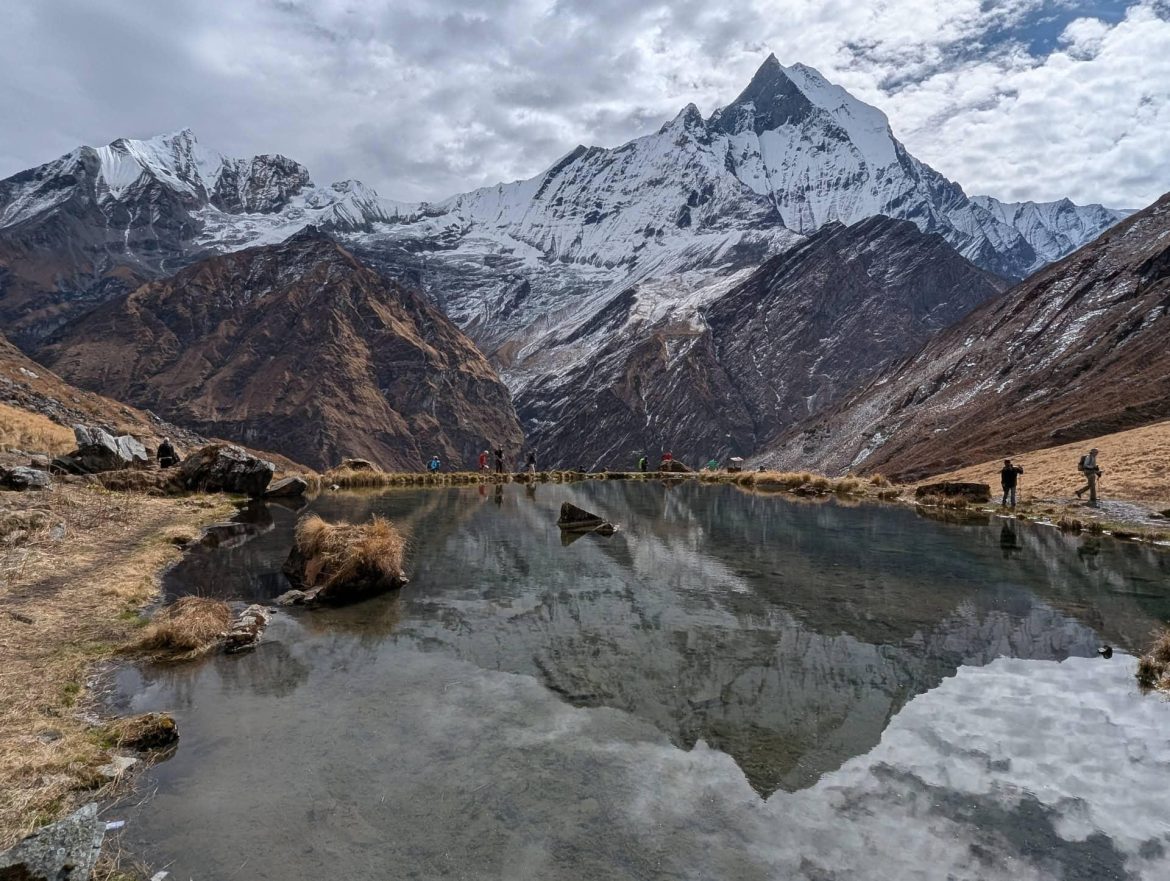
The main attraction of this adventure is the remote Hidden Lake beneath Annapurna South, surrounded by spectacular mountain landscapes and peaceful natural beauty. The trek offers an opportunity to explore less-crowded trails, enjoy diverse landscapes, and experience the unique charm of the Himalayas.
Annapurna South Hidden Lake Trek Highlights
- Explore the beautiful Annapurna region and its peaceful mountain trails.
- Visit traditional Gurung villages, including Ghandruk and Landruk.
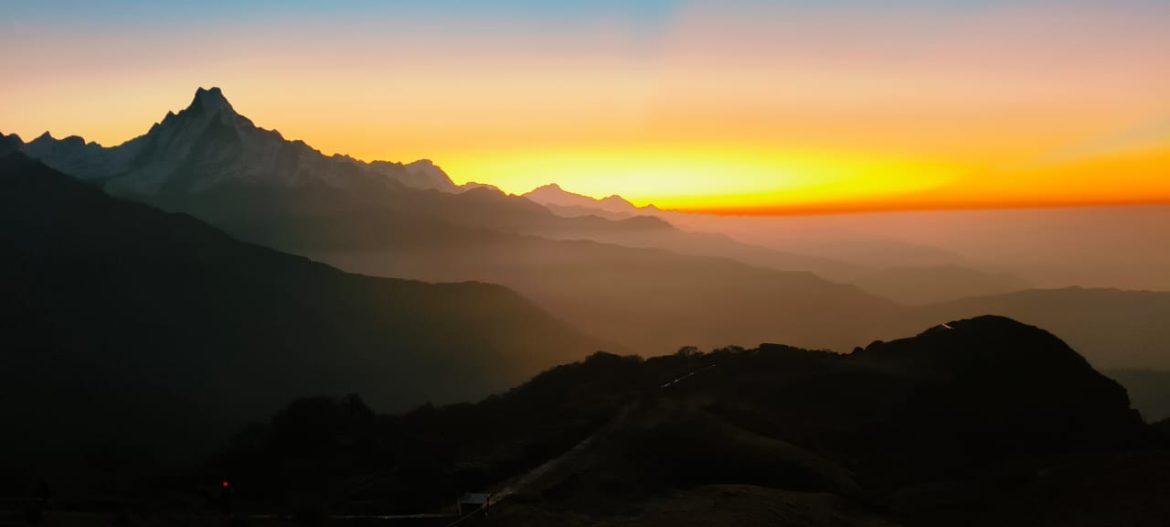
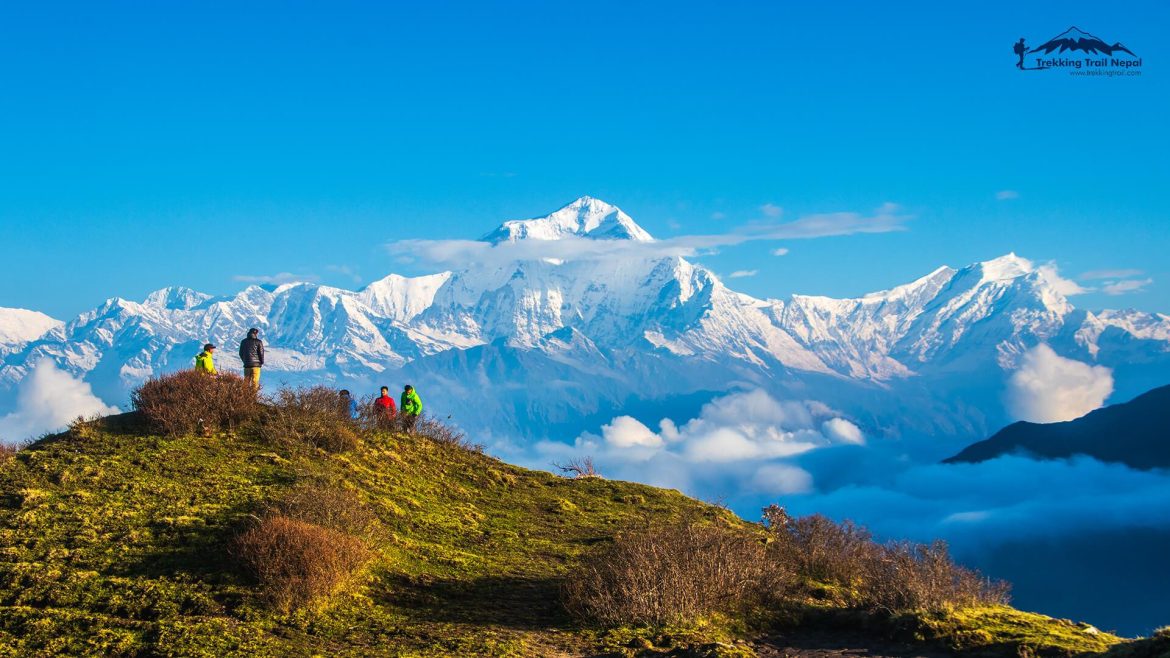
- Enjoy spectacular sunrise views from Mulde Viewpoint (3,637m).
- Discover the hidden alpine lake surrounded by stunning mountain landscapes.
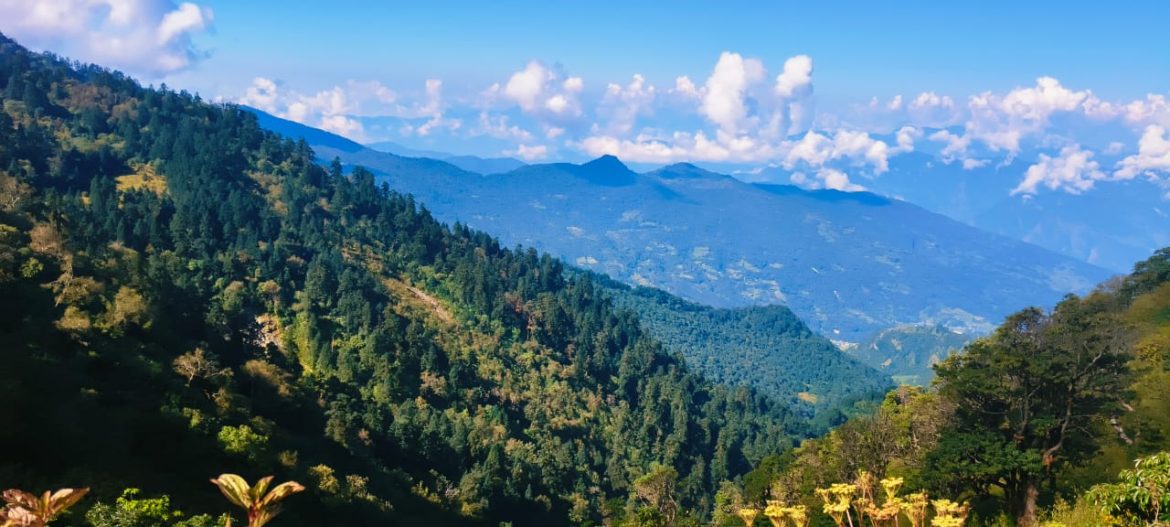
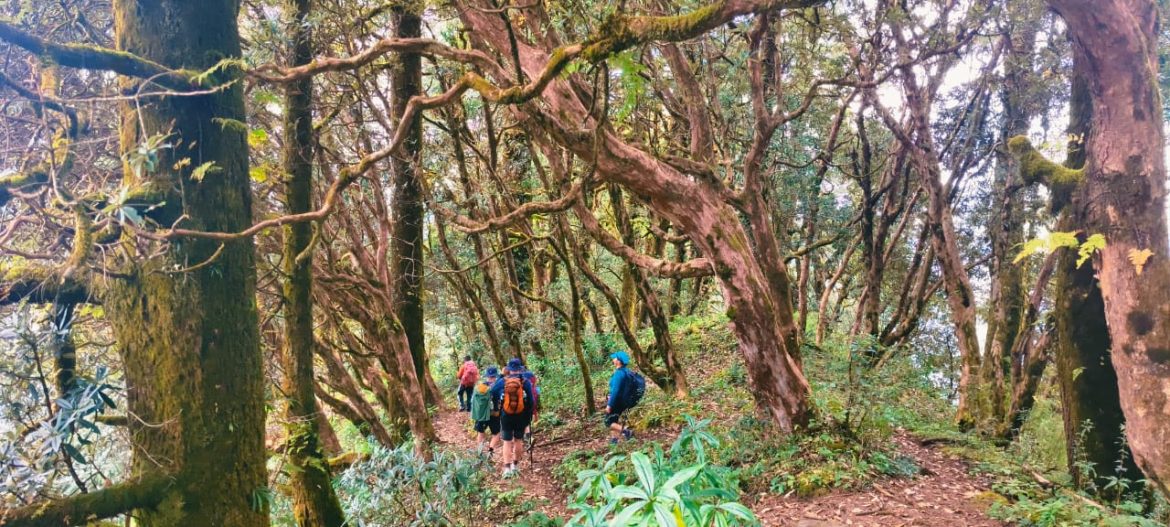
- Trek through beautiful rhododendron, oak, and bamboo forests.
- Enjoy panoramic views of Annapurna South, Machhapuchhre, Hiunchuli, and Dhaulagiri.
- Experience traditional village life, local culture, and warm Gurung hospitality.
- Walk along scenic mountain ridges, green hills, and alpine pastures.
- Explore the peaceful settlements of Tadapani, Dobato, and Pode Kharka.
- Enjoy a relaxing visit to the natural hot springs at Jhinu Danda.
- Experience a quieter trekking route away from some of the busier Annapurna trails.
- Capture beautiful Himalayan landscapes, sunrise views, and unforgettable mountain memories.
CUSTOMIZE YOUR TRIP
- Make your Annapurna South Hidden Lake Trek special with a personalized itinerary that suits your schedule, budget, fitness level, and interests. You can adjust the trek duration, explore local villages, or spend extra time enjoying the mountains. AlpineTrav will help arrange your journey with experienced local guides, ensuring a flexible, comfortable, and memorable Himalayan adventure.
13-day itinerary of Hidden Lake Trek
Upon arrival at Tribhuvan International Airport in Kathmandu, our AlpineTrav representative will welcome you and transfer you to your hotel by private vehicle. After check-in, you can relax and enjoy your free time. In the evening, you will receive a trek briefing and meet your guide to discuss the journey.
Max Elevation: 1,350m / 4,429ft
Accommodation: Hotel Vajra in Kathmandu
After breakfast, you drive from Kathmandu to Pokhara by tourist bus or private vehicle, enjoying scenic views of rivers, green hills, terraced fields, and traditional villages along the Prithvi Highway. Upon arrival in Pokhara, transfer to your hotel and enjoy the rest of the day at leisure.
Max Elevation: 822m / 2,697ft
Accommodation: Hotel in Pokhara
Meals: Breakfast included
After breakfast, drive from Pokhara to Kimche by private vehicle, enjoying beautiful views of green hills, terraced fields, and traditional villages. From Kimche, begin a short trek to Ghandruk, a beautiful Gurung village known for its traditional houses and spectacular views of Annapurna South and Machhapuchhre (Fishtail).
Max Elevation: 1,940m / 6,365ft
Walking Hours: 1–2 hours
Accommodation: Lodge in Ghandruk
Meals: Breakfast, lunch, and dinner
After breakfast, you begin your trek from Ghandruk to Tadapani, following beautiful forest trails through rhododendron, oak, and bamboo forests. The trail gradually climbs uphill, offering stunning views of Annapurna South, Hiunchuli, and Machhapuchhre (Fishtail). After several hours of walking, reach Tadapani, a peaceful mountain village surrounded by lush forests and spectacular Himalayan scenery.
Max Elevation: 2,630m / 8,628ft
Walking Hours: 4–5 hours
Accommodation: Teahouse in Tadapani
Meals: Breakfast, lunch, and dinner
After breakfast, begin your trek from Tadapani to Dobato, following scenic forest trails through beautiful rhododendron and oak forests. The route gradually climbs through peaceful woodland, with occasional openings offering magnificent views of the Annapurna and Dhaulagiri mountain ranges. After several hours of walking, arrive at Dobato, a quiet mountain stop surrounded by forests and Himalayan scenery, and enjoy the peaceful surroundings.
Max Elevation: 3,350m / 10,991ft
Walking Hours: 5–6 hours
Accommodation: Teahouse in Dobato
Meals: Breakfast, lunch, and dinner
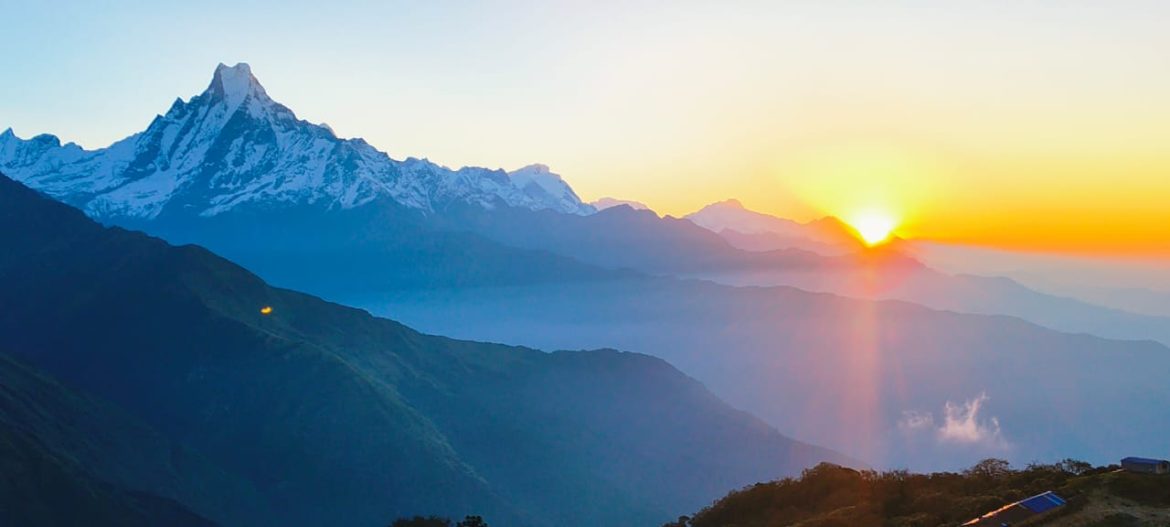
Wake up early in the morning and hike to Mulde Viewpoint to enjoy a spectacular sunrise over the Annapurna and Dhaulagiri mountain ranges. From the viewpoint, admire breathtaking panoramic views of the surrounding Himalayan peaks. After enjoying the sunrise, return to the lodge for breakfast and continue your trek towards Pode Kharka through beautiful forests and scenic mountain trails. Upon arrival, check in at the teahouse and enjoy the peaceful surroundings.
Max Elevation: 3,637m / 11,932ft (Mulde Viewpoint)
Walking Hours: 5–6 hours
Accommodation: Teahouse or lodge
Meals: Breakfast, lunch, and dinner
After breakfast, you begin your trek towards the beautiful Hidden Lake, following quiet mountain trails through open pastures and scenic landscapes. Enjoy the peaceful surroundings and impressive views of the Annapurna and Dhaulagiri ranges. After exploring the lake, continue descending towards Tiribhu through forested paths and traditional grazing areas. Upon arrival, check in at the teahouse and enjoy a relaxing evening.
Max Elevation: 3,500m / 11,483ft
Walking Hours: 5–7 hours
Accommodation: Teahouse or lodge
Meals: Breakfast, lunch, and dinner
After breakfast, you begin your trek from Tiribhu towards Jhinu Danda, following scenic mountain trails through beautiful forests, traditional villages, and terraced farmland. The route includes gradual descents and uphill sections, offering lovely views of the surrounding hills and mountains. Upon reaching Jhinu Danda, and enjoy some relaxing time. You can also visit the natural hot springs near the Modi Khola River.
Max Elevation: 1,780m / 5,840ft
Walking Hours: 5–7 hours
Accommodation: Teahouse in Jhinu Danda
Meals: Breakfast, lunch, and dinner
After breakfast, begin your trek from Jhinu Danda towards Landruk, crossing the suspension bridge over the Modi Khola River. The trail gradually climbs through beautiful forests, terraced fields, and traditional Gurung villages. Enjoy scenic views of the surrounding hills and the Annapurna mountain range along the way. Upon arrival in Landruk, and enjoy the peaceful village atmosphere.
Max Elevation: 1,565m / 5,135ft
Walking Hours: 3–4 hours
Accommodation: Teahouse or lodge
Meals: Breakfast, lunch, and dinner
After breakfast, begin your trek from Landruk to Pothana, following scenic trails through traditional villages, terraced farmland, and beautiful forests. The route passes through Tolka and Deurali, with gradual uphill and downhill sections. Along the way, enjoy stunning views of the Annapurna mountain range and surrounding green hills. Upon arrival in Pothana, at your teahouse and relax for the evening.
Max Elevation: 2,100m / 6,890ft (Deurali)
Walking Hours: 5–6 hours
Accommodation: Teahouse or lodge
Meals: Breakfast, lunch, and dinner
After breakfast, you begin your final trekking day from Pothana towards Dhampus Phedi, following beautiful downhill trails through traditional villages, terraced fields, and lush forests. Enjoy the last views of the Annapurna and Machhapuchhre mountain ranges along the way. Upon reaching Dhampus Phedi, meet your vehicle and drive to Pokhara. After arriving, transfer to your hotel and enjoy a relaxing evening.
Max Elevation: 822m / 2,697ft
Walking Hours: 3–4 hours
Accommodation: Hotel in Pokhara
Meals: Breakfast and lunch included
After breakfast, drive from Pokhara to Kathmandu by tourist bus or private vehicle, enjoying scenic views of rivers, green hills, terraced fields, and traditional villages along the Prithvi Highway. Upon arrival in Kathmandu, transfer to your hotel and enjoy the rest of the day at leisure.
Max Elevation: 1,350m / 4,429ft
Accommodation: Hotel in Kathmandu
Meals: Breakfast included
After breakfast, our AlpineTrav representative will transfer you to Tribhuvan International Airport by private vehicle for your international departure. We hope you have enjoyed your Annapurna South Hidden Lake Trek and had a wonderful experience exploring Nepal's beautiful mountains, villages, and landscapes. We wish you a safe and pleasant journey home.
Max Elevation: 1,350m / 4,429ft
Meals: Breakfast included.
What's Included and Excluded in the Standard Service
Standard Services Included in the Package
- All private ground transportation, including airport transfers.
- 2 nights at Hotel Vajra, Kathmandu, with breakfast.
- 2 nights at Hotel Mount View, Pokhara, with breakfast.
- All meals (breakfast, lunch, and dinner) during the trek.
- Tea and coffee three times daily on trekking days.
- Accommodation in local teahouses or lodges during the trek.
- Experienced, government-licensed trekking guide.
- 1:6 assistant guide to client ratio for attention and support
- Porter service (1 porter for every 2 trekkers, up to 15 kg per trekker).
- Guide and porter salaries, insurance, meals, and accommodation.
- Annapurna Conservation Area Permit (ACAP).
- Basic first aid kit, trekking map, and water purification tablets.
- All government taxes and company service charges.
- Full trekking itinerary coordination and support throughout the journey.
Standard Services Not Included in the Package
- Nepal entry visa fees & International airfare to and from Nepal.
- Personal snacks, chocolates, energy bars, and drinks.
- Entrance fees to monasteries, temples, museums, and other attractions.
- Lunch and dinner in Kathmandu and Pokhara
- Travel insurance covering high-altitude and emergency evacuation.
- Helicopter rescue, evacuation, medical treatment, hospital expenses, and additional medicines.
- Extra tea, coffee, bottled water, and alcoholic beverages.
- Hot showers, Wi-Fi, internet, laundry, and device charging.
- Personal toiletries and necessities, extra porters, and horse rental.
- Tips for guides, assistant guides, and porters.
- Extra nights due to early arrival, late departure, delays, or itinerary cost.
- Any services or expenses not mentioned under What's Included.
Trek – Cost and Package Information
The cost of the Hidden Lake Trek depends on your group size, itinerary, accommodation, transportation, permits, and included services. The AlpineTrav package generally covers trekking permits, an experienced licensed guide, porters, accommodation, meals during the trek, and ground transportation. We also offer customized itineraries, private departures, and special group discounts. Contact AlpineTrav with your preferred travel dates and group size to receive a detailed package price quotation.
Accommodation in Kathmandu – Hotel Vajra (3 Nights)
During your stay in Kathmandu, you will enjoy three nights at Hotel Vajra, a comfortable hotel offering a peaceful environment before and after your Trekking. The hotel provides a relaxing place to rest, prepare for your mountain adventure, and recover after completing the trek. Your stay includes a deluxe room on a twin-sharing basis, with breakfast served each morning. You can enjoy the hotel’s comfortable facilities and traditional atmosphere while exploring Kathmandu or relaxing between your trekking arrangements.
- Hotel: Hotel Vajra, Kathmandu
- Duration: 2 nights (before and/or after the trek, as per itinerary)
- Room Type: Deluxe room
- Room Sharing: Twin-sharing basis
- Meals: Daily breakfast included
- Single Room: Available on request at an additional cost.
Starting and Ending Points of the Trek
The Annapurna Hidden Lake Trek starts with a drive from Kathmandu to Pokhara, followed by a drive to Kimche, where the trekking journey begins. The route passes through Ghandruk, Tadapani, Dobato, Mulde Viewpoint, Hidden Lake, Tiribhu, Jhinu Danda, Landruk, and Pothana before reaching Dhampus Phedi. From there, drive back to Pokhara and Kathmandu.
Max Elevation: 3,637m / 11,932ft (Mulde Viewpoint)
Walking Hours: 4–6 hours per trekking day
Accommodation: Hotels in Kathmandu and Pokhara; teahouses during the trek
Meals: Breakfast in cities; breakfast, lunch, and dinner during the trek.
Food and Accommodation During the Trek
The Annapurna South Hidden Lake Trek offers basic but comfortable accommodation in local teahouses and family-run lodges. Meals include traditional Nepali dishes such as dal bhat, noodles, thukpa, soups, Tibetan bread, and simple Western options like pasta, pancakes, and fried rice. Accommodation is generally provided in twin-sharing rooms with basic beds and blankets, while bathroom facilities are mostly shared. Hot showers, electricity, and internet access may be limited, particularly at higher elevations, and may cost extra. Trekkers are advised to carry personal snacks, a reusable water bottle, and water purification tablets for convenience.
Physical Fitness for the Trek
The Annapurna South Hidden Lake Trek requires a moderate level of physical fitness, as the route includes uphill and downhill trails, stone steps, forest paths, and some steep sections. Trekkers should be comfortable walking for approximately 4–6 hours a day with a light backpack. Regular walking, hiking, cycling, or other endurance activities before the trip can help improve stamina and prepare you for the journey. Previous trekking experience is helpful but not essential.
Altitude and Acclimatization
The Annapurna South Hidden Lake Trek reaches a maximum elevation of approximately 3,637m (11,932ft) at Mulde Viewpoint. As the route involves walking at higher elevations, it is important to maintain a comfortable pace, stay hydrated, and allow your body enough time to adjust to the altitude. Follow your guide’s advice and inform them immediately if you experience symptoms such as headaches, dizziness, nausea, or unusual tiredness. Proper acclimatization and careful pacing help make the trek safer and more enjoyable.
Travel Insurance
Travel insurance is strongly recommended for the Annapurna South Hidden Lake Trek. Your policy should cover trekking at elevations up to 3,637m (11,932ft), medical expenses, emergency helicopter evacuation, and trip cancellation. Make sure your insurance provides adequate coverage for trekking in remote mountain areas of Nepal before starting your journey.
Trekking Guide and Support Team
The is led by an experienced trekking guide, supported by assistant guides at a ratio of one assistant guide for every four trekkers. We also provide one porter for every two trekkers to carry shared luggage. This team arrangement ensures proper support and assistance throughout the journey, even if someone becomes unwell or needs to stop trekking. We organize groups of different sizes, but a maximum of 12 trekkers is ideal for a comfortable, safe, and well-managed experience.
Local Culture and Traditions
The Annapurna South Hidden Lake Trek passes through traditional Gurung villages, where you can experience local culture, customs, and mountain lifestyles. The region is known for its warm hospitality, traditional houses, Buddhist influences, and unique cultural traditions. Trekkers are encouraged to respect local customs, dress modestly when visiting religious sites, and ask permission before photographing local people.
Flora and Fauna
The Annapurna South Hidden Lake Trek passes through beautiful forests of rhododendron, oak, bamboo, and pine, along with alpine meadows and mountain vegetation. The region is home to wildlife such as Himalayan thar, musk deer, langurs, and various bird species, including pheasants and Himalayan monals. During spring, blooming rhododendrons add vibrant colours to the trails, making the trek especially beautiful.
Weather and Temperature
The weather during the Annapurna South Hidden Lake Trek changes according to the season and altitude. Lower villages generally have mild temperatures, while higher areas such as Dobato, Mulde Viewpoint, and Hidden Lake can be much colder, especially in the early morning and at night. Spring and autumn are the best seasons for trekking, offering relatively stable weather, clear mountain views, and comfortable walking conditions.
- Spring (March–May): Pleasant daytime temperatures, clear mountain views, and blooming rhododendron forests. Nights can still be cold at higher elevations.
- Summer/Monsoon (June–August): Frequent rainfall, cloudy skies, humid conditions, and slippery trails. Mountain views may be limited.
- Autumn (September–November): One of the best trekking seasons, with clear skies, fresh mountain air, and generally stable weather.
- Winter (December–February): Cold temperatures, freezing mornings and nights, and possible snowfall around Dobato, Mulde Viewpoint, and Hidden Lake.
Weather Highlights:
- Pleasant trekking conditions during spring and autumn.
- Beautiful rhododendron forests in bloom during spring.
- Clear Himalayan views during the autumn season.
- Cold mornings and nights at higher elevations.
- Possible snowfall and icy trails during winter.
- Rain, clouds, and slippery paths during the monsoon.
Packing Recommendation: Carry warm layers, thermal clothing, a down jacket, waterproof jacket and trousers, gloves, a warm hat, and suitable trekking boots to stay comfortable in changing mountain weather.
Health and Personal Safety
Your health and safety are important throughout the Annapurna South Hidden Lake Trek. Walk at a comfortable pace, stay hydrated, eat regular meals, and get enough rest each day. Carry personal medications, a basic first-aid kit, sunscreen, and necessary toiletries. Follow your guide’s instructions, stay on marked trails, and inform your guide immediately if you feel unwell or experience any altitude-related symptoms. Proper preparation and careful attention to your health will help ensure a safe and enjoyable trekking experience.
Mobile Network and Internet
Mobile network coverage and internet access are available in some villages along the Annapurna South Hidden Lake Trek, but connections may be weak or unavailable in remote areas such as Dobato and Hidden Lake. Some teahouses offer Wi-Fi for an additional charge, although the connection may be slow or unreliable. Trekkers are advised to inform family and friends about limited connectivity during the journey.
Electricity and Battery Charging
Electricity is available at most teahouses and lodges along the Annapurna South Hidden Lake Trek, but charging facilities may be limited in remote areas such as Dobato and Hidden Lake. Some lodges may charge an additional fee for charging electronic devices. Trekkers are advised to carry a power bank, spare batteries, and a suitable charging adapter to keep their devices powered throughout the journey.
Money and Personal Expenses
The Nepalese Rupee (NPR) is the local currency used throughout the Annapurna South Hidden Lake Trek. ATMs and money exchange facilities are available in Kathmandu and Pokhara, but banking services are limited along the trekking route. We recommend carrying enough Nepalese cash to cover personal expenses such as hot showers, Wi-Fi, device charging, snacks, drinks, and tips. It is best to exchange money or withdraw cash before starting the trek.
Tipping Guidelines for Guides, Porters, and Trekking Staff
In Nepal, tipping is a common way to show appreciation for the hard work and services of guides, porters, and trekking staff, it is appreciated when you are satisfied with the service provided. The amount is entirely at your discretion and may depend on the trip duration, group size, and quality of service. Tips are usually given at the end of the trek, and group members can combine their contributions and distribute them fairly among the trekking staff.
Porter Services and Baggage Allowance
AlpineTrav provides experienced porters to carry shared trekking luggage, making your Annapurna South Hidden Lake Trek more comfortable. Generally, one porter is assigned to every two trekkers, with a maximum combined baggage allowance of approximately 25–30 kg per porter. Trekkers should carry a small daypack with personal essentials, water, snacks, valuables, and necessary clothing. We recommend packing light and using a duffel bag for the main trekking luggage.
Environmental Responsibility and Sustainable Trekking
AlpineTrav encourages all trekkers to help protect the natural beauty of the Annapurna region by following responsible trekking practices. Avoid littering, minimize plastic waste, use reusable water bottles, respect wildlife, and stay on designated trails. Respect local communities, forests, and natural water sources throughout the journey. By following these simple practices, we can help preserve the environment and keep the Annapurna region clean and beautiful for future generations.
Itinerary Flexibility and Changes
The Annapurna South Hidden Lake Trek itinerary may be adjusted depending on weather conditions, trail conditions, group fitness, and other unforeseen circumstances. AlpineTrav reserves the flexibility to make necessary changes to ensure the safety and comfort of trekkers. Our experienced guide will make appropriate decisions during the journey, while keeping the main trekking objectives and overall experience in mind.
Packing and Trekking Gear
Proper packing is important for a comfortable and enjoyable trekking experience. We recommend bringing the following essential clothing, equipment, and personal items:
- Trekking boots with good ankle support
- Comfortable trekking trousers and shirts
- Warm fleece jacket and insulated down jacket
- Waterproof jacket and trousers
- Thermal base layers
- Warm hat, gloves, and neck warmer
- Comfortable trekking socks
- Sleeping bag suitable for cold temperatures
- Backpack and waterproof rain cover
- Sunglasses and sunscreen
- Sun hat or cap
- Headlamp with spare batteries
- Trekking poles
- Reusable water bottle or hydration system
- Water purification tablets or filter
- Personal toiletries and quick-drying towel
- Personal medications and basic first-aid kit
- Lip balm and moisturizer
- Power bank and charging adapter
- Personal snacks and energy bars
- Camera or mobile phone
- Passport, permits, and travel insurance documents
Note: Pack only essential items and keep your main trekking luggage within the porter baggage allowance.
FAQs About the Annapurna South Hidden Lake Trek?
The Annapurna South Hidden Lake Trek is located in the Annapurna region of Nepal, within the Annapurna Conservation Area. The route passes through traditional Gurung villages, beautiful forests, alpine landscapes, and scenic mountain viewpoints.
The trek generally takes around 10–12 days, including arrival in Kathmandu, transportation, trekking days, and departure. The exact duration depends on the selected itinerary.
The highest point is Mulde Viewpoint at approximately 3,637m (11,932ft), offering panoramic views of the Annapurna and Dhaulagiri mountain ranges.
The trek is considered moderate to challenging. It includes uphill and downhill trails, forest paths, stone steps, and some steep sections. Good physical fitness and regular walking practice are recommended.
Spring (March to May) and autumn (September to November) are the best seasons. These months generally offer clear mountain views, pleasant temperatures, and favourable trekking conditions.
Previous trekking experience is helpful but not essential. Beginners with good physical fitness, proper preparation, and an experienced guide can also complete the trek.
Trekkers generally need an Annapurna Conservation Area Permit (ACAP). Permit requirements should be checked with AlpineTrav before departure according to current regulations.
Accommodation is mainly provided in local teahouses and mountain lodges. Most rooms have basic beds and blankets, with twin-sharing arrangements and shared bathroom facilities.
Teahouses serve traditional Nepali meals such as dal bhat, noodles, soups, thukpa, Tibetan bread, pancakes, pasta, and fried rice. Breakfast, lunch, and dinner are generally included in the trekking package.
Trekking with a licensed local guide is recommended for safety, navigation, and cultural understanding. AlpineTrav provides experienced guides to support trekkers throughout the journey.
Yes. AlpineTrav can arrange experienced porters to carry shared trekking luggage. Generally, one porter is assigned to every two trekkers, with a combined baggage allowance of approximately 25–30 kg.
Altitude sickness is possible because the trek reaches 3,637m. Walk slowly, stay hydrated, take sufficient rest, and inform your guide immediately if you experience headaches, dizziness, nausea, or unusual tiredness.
Access depends on weather and trail conditions. During winter, snowfall may make the route difficult, while monsoon rainfall can create slippery trails. Spring and autumn generally offer better trekking conditions.
Mobile network and Wi-Fi are available in some villages, but coverage can be limited or unreliable around Dobato and Hidden Lake. Some teahouses provide Wi-Fi for an additional fee.
Most teahouses provide basic electricity and charging facilities. However, availability may be limited in remote areas, and additional charging fees may apply. Carrying a power bank is recommended.
Essential items include trekking boots, warm clothing, a down jacket, waterproof layers, gloves, a sleeping bag, trekking poles, sunglasses, sunscreen, a headlamp, personal medication, and a reusable water bottle.
Yes. Travel insurance is strongly recommended. Your policy should cover trekking up to 3,637m, medical expenses, and emergency helicopter evacuation in remote mountain areas.
Yes. AlpineTrav offers customized itineraries, private departures, and flexible trekking arrangements according to your available time, interests, group size, and fitness level.
The cost depends on group size, itinerary, accommodation, transportation, permits, and included services. Contact AlpineTrav with your preferred travel dates and group size for a detailed quotation.
AlpineTrav offers experienced local guides, reliable trekking arrangements, comfortable accommodation, and personalized services. Our team takes care of essential logistics so you can enjoy the natural beauty, local culture, and Himalayan scenery throughout your journey.
Proper trekking equipment is essential for a safe and comfortable journey through the Annapurna region. The trek reaches approximately 3,637m (11,932ft), where temperatures can drop significantly, especially in the mornings and evenings. We recommend bringing the following essential clothing, equipment, and personal items.
1. Clothing and Layers
- Moisture-wicking base layers (thermal tops and bottoms).
- Comfortable trekking shirts and trousers.
- Warm fleece jacket or sweater.
- Insulated down jacket for cold conditions.
- Waterproof and windproof jacket.
- Waterproof trekking trousers.
- Comfortable underwear and extra clothing.
- Warm trekking socks and spare pairs.
2. Footwear
- Comfortable trekking boots with good ankle support.
- Lightweight camp shoes or sandals.
- Warm socks suitable for cold weather.
- Gaiters for muddy, snowy, or wet trails.
3. Head and Hand Protection
- Warm woollen hat or beanie.
- Sun hat or trekking cap.
- Warm insulated gloves.
- Lightweight inner gloves.
- Neck warmer or buff.
4. Backpack and Bags
- Comfortable daypack (20–30 litres).
- Duffel bag for main trekking luggage.
- Waterproof backpack cover.
- Waterproof packing bags or dry bags.
- Small personal pouch for valuables.
5. Sleeping Equipment
- Warm sleeping bag suitable for cold mountain nights.
- Sleeping bag liner for additional warmth.
- Small travel pillow (optional).
6. Personal Accessories
- UV-protection sunglasses.
- Sunscreen (SPF 30–50).
- Lip balm with sun protection.
- Quick-drying towel.
- Personal toiletries and hand sanitiser.
- Wet wipes and tissues.
- Headlamp with spare batteries.
- Trekking poles for uphill and downhill trails.
7. Drinking Water and Food
- Reusable water bottle or hydration bladder.
- Water purification tablets or filter.
- Personal snacks, energy bars, and chocolates.
- Electrolyte powder or hydration supplements.
8. Medical and First-Aid Supplies
- Personal prescription medicines.
- Basic first-aid kit.
- Blister plasters and adhesive bandages.
- Antiseptic wipes and basic wound-care supplies.
- Personal health and emergency contact information.
9. Electronics and Accessories
- Mobile phone.
- Power bank.
- Charging cables and adapter.
- Camera and spare batteries (optional).
- Portable charger or solar charger (optional).
10. Documents and Money
- Valid passport.
- Required trekking permits.
- Travel insurance documents.
- Emergency contact details.
- Nepalese cash for personal expenses and additional services.
Packing Note: Pack only essential items and keep your main luggage within the porter baggage allowance. AlpineTrav recommends using a comfortable daypack for daily essentials and a duffel bag for the remaining trekking equipment.
 Nepal