Trip Info
-
Min 1 Max 12
-
Grade: Moderate
-
Sept-Nov, Mar-May
-
Max. 2,850m /9,350 ft.
-
Duration: 15 Days
-
Hotel/ Teahouse/ Lodge
-
Meals Included (B,L,D)
-
Private A/C Vehicle, Flights
<strong>Who we are</strong> Our website address is: <a href="http://www.alpinetrav.com" target="_new" rel="noopener">http://www.alpinetrav.com</a>. <hr /> <strong>What personal data we collect and why we collect it</strong> <h3>Plugin Data Collection and Compliance</h3> This website uses plugins that may store personal information. These plugins comply with GDPR regulations and are designed to manage and protect your data securely. Below are details on what data may be collected and why: <ol> <li><strong>Contact Forms</strong> <ul> <li>When you use contact forms, the plugin may collect your name, email, and other necessary details to provide responses to your inquiries.</li> <li>This data is stored to enable us to respond to your messages effectively and is retained only as long as necessary for communication.</li> </ul> </li> <li><strong>Comments and Spam Detection</strong> <ul> <li>Comments on the site collect data shown in the form, as well as the visitor’s IP address and browser user agent string to assist in spam detection.</li> <li>This data may also be shared with an automated spam detection service.</li> </ul> </li> <li><strong>Cookies and Data Storage</strong> <ul> <li>Some plugins may set cookies to improve user experience, such as storing login information or remembering preferences. These cookies comply with GDPR standards and expire after a set period or upon logging out.</li> <li>Cookies specifically used by these plugins do not collect personal data unless explicitly mentioned.</li> </ul> </li> <li><strong>Embedded Content</strong> <ul> <li>Embedded content from third-party websites may behave as if the visitor has visited those external websites. These third-party sites might collect data and track your interaction as per their policies.</li> </ul> </li> <li><strong>Analytics</strong> <ul> <li>Some plugins may collect anonymous analytics to improve site performance. However, no personal information is stored unless explicitly noted, and all data complies with GDPR standards.</li> </ul> </li> </ol> <h3>How Long We Retain Your Data</h3> The collected data is stored only as long as necessary for the intended purposes, such as for communication or to improve the site experience. This may vary based on the plugin and specific regulatory requirements. <h3>What Rights You Have Over Your Data</h3> Under GDPR, you have the right to: <ul> <li>Access: Request a copy of the personal data we hold.</li> <li>Rectification: Correct any data we hold about you that is incorrect.</li> <li>Erasure: Request the deletion of your data, provided it is no longer necessary for regulatory or operational purposes.</li> </ul> For requests, please contact us using the information in our Contact section below. <hr /> <strong>Where We Send Your Data</strong> Visitor comments may be checked through an automated spam detection service. Some plugins may also send anonymized data to third parties as part of analytics or performance monitoring. <strong>How We Protect Your Data</strong> All data managed by this website and its plugins is stored securely. We ensure our plugins meet industry standards for encryption and data protection. We also regularly update our website to prevent unauthorized access.
Makalu Arun Valley Trek Highlights
- A halfday of sightseeing at the UNESCO World Heritage Sites in Kathmandu.
- Thrilling flight from Kathmandu to Tumlingtar and back to Kathmandu from Lukla.
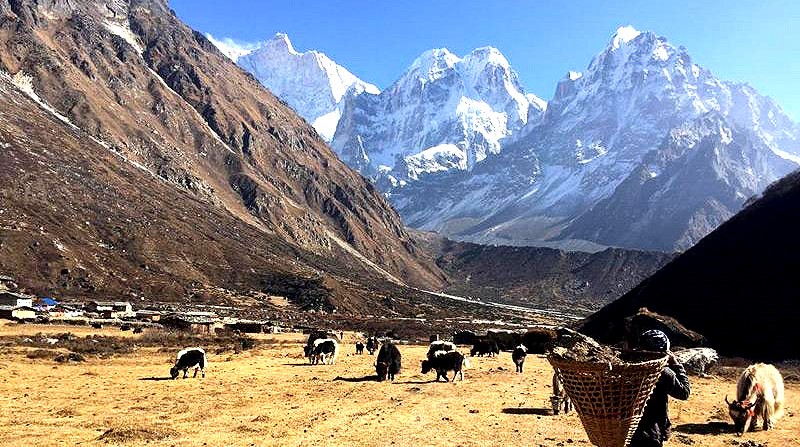
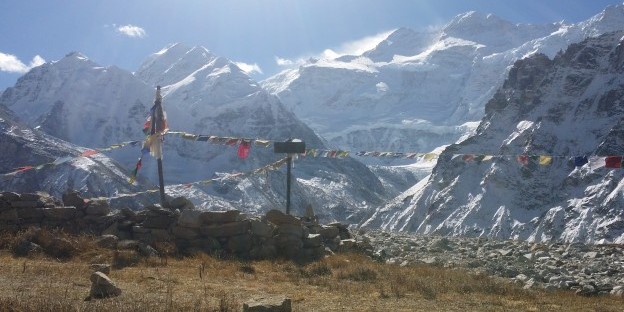
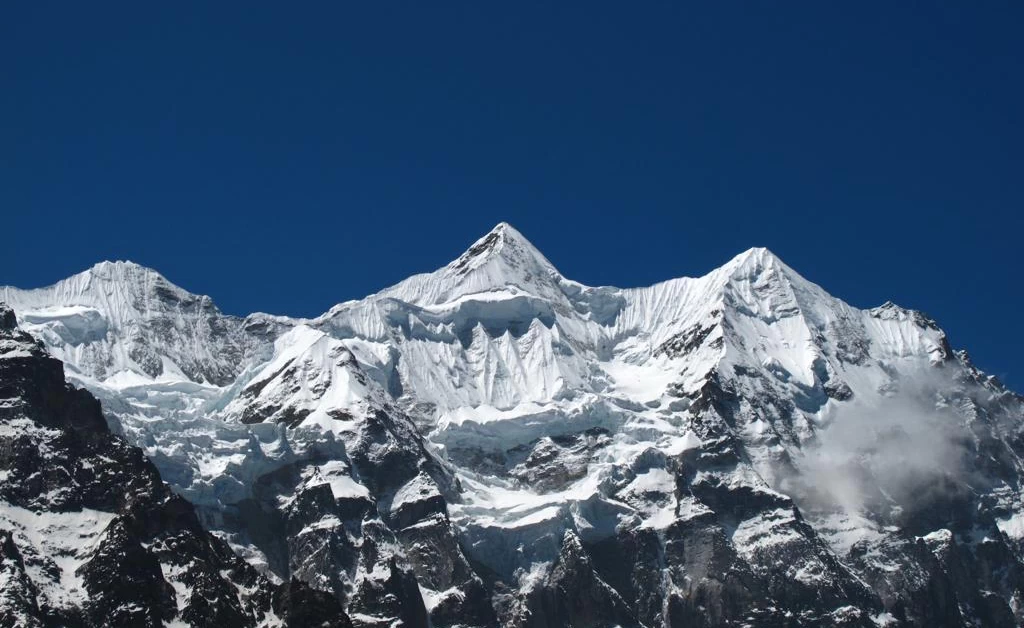
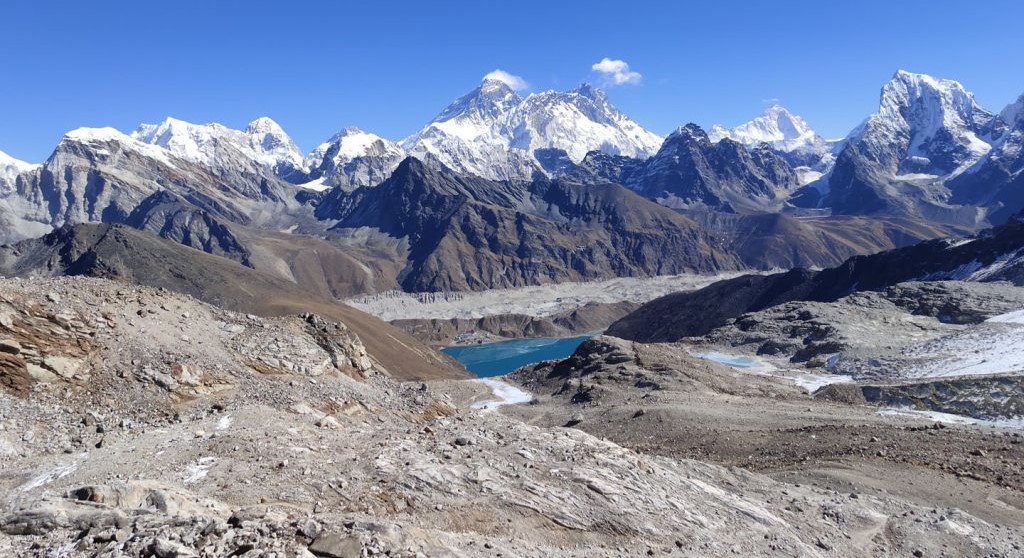
- An opportunity to get closer to the awe-inspiring Himalayas of Nepal, including Mt. Everest, Mera Peak, Makalu, Ama Dablam, Thamserku, and other snow-capped ranges.
- Get through the authentic cultures of the various indigenous communities of the Himalayas, including their lifestyle, traditions, and customs.
- Trek through the most pristine isolated valleys and woodlands of pink and red rhododendrons, pines, oak, and others.
- Take blessings at the holy Salpa Pokhari (3,443 m).
- Marvel at the unmatchable beauty of Arun Valley and Makalu-Barun National Park.
- Discover the unique biodiversity under the careful watch of Mt. Kanchenjunga, Kumbhakarna, Makalu, etc.
The Makalu Arun Valley Trek is a fantastic adventure between the top of the world, Mt. Everest (Sagarmathna) and Makalu Barun National Park in the eastern Himalayan region of Nepal, following the glacial Arun River. Originating straight from the Tibet autonomous region, the Arun River fosters diverse landscapes, cultures, flora, and fauna, including the Makalu Arun Valley Civilization, while you meander around the peaceful trekking trail in comparison to some other widely popular Himalayan. The trekking to the Makalu Arun Valley is through the alluring Himalayan scenery predominated by the spell-binding views of Mt. Everest, Mt. Makalu, Mt. Baruntse, Lhotse, Ama Dablam, Thamserku, and others, sheltering not less than 650 species of birds and 800 species of butterflies, and home to some of the elusive Himalayan wildlife such as red panda, snow leopard, Himalayan Tahr, and many more, away from the chaos of everyday modern life.
The thrilling route winds its way through the verdant Arun Valley with several remote Himalayan villages that meet up with the main Everest Trail, both blessed with rich biodiversity and remarkable landscapes. The common starting point for this trek to the Makalu Arun Valley is Tumlingtar, which is approximately 500 km (310 miles) by road and gives you access to the orchids and other flowers, dense forests teeming with wildlife, terraced farms, and fields cultivated by the local communities with the large population of the Rai and Sherpa ethnic groups.
The voyage then gradually ascends, revealing the panoramic views of the snow-capped giants observing the mixed vegetation showcasing the raw Himalayan wilderness, which blends well with the cultural heritage, including the sacred Salpa Pokhari, treasured by locals as the adobe of god and goddess. Therefore, the Makalu Arun Valley Trek is a unique golden chance to discover the hidden gems of the eastern region and its unspoiled glory.
Customize Your Arun Valley Trek:
- This is a general itinerary, which can always individually be “tailormade”. The Arun Valley trek package can be redesigned or redeveloped as per your taste, For more information please contact us.
15 Days Arun Valley Trek itinerary
We recommend that you schedule your arrival in Kathmandu in the morning or afternoon. This will give you enough time to relax and recover from jet lag before starting your adventure. Upon arrival at Kathmandu International Airport, our representative will meet you at the airport and transfer you to your hotel where you will be served welcome drinks. After you have freshened up, your trek guide will brief you about your trip in the lobby of your hotel in the evening.
Get familiar with your surroundings by taking a walk down the street. Visit to Thamel, the main tourist hub. Overnight at Kathmandu's in a Hotel.
Accommodation: Hotel Moonlight
In the morning, you visit two UNESCO World Heritage Sites, Boudhanath and Pashupatinath, as part of a guided sightseeing tour. The tour lasts approximately 3 to 4 hours. In the afternoon, you will be briefed about your upcoming adventure. If you have any doubts, check your equipment and visit the Swayambhunath Monkey Temple near your hotel. Spend the night in Kathmandu.
Accommodation: Hotel Moonlight
Meals: (B)
Today, we will begins to drive early in the morning to the Domestic Airport and take a flight to the hill town of Tumlingtar, the east of the Arun River, along the chain of the Himalayas. We will enjoy breakfast in the city while watching the heavenly view of Makalu and Chamlang Peaks in clear weather, then drive to the trailhead of Kumal Gaon, walking through the forested area. From there, we will head towards the eastern bank of the Arun River and cross the bridge that leads to Bheteni village. Walking Chewabesi, passing through bushes, and heading in the southern direction along the bank of the Arun River takes we get to Kartike, to call it a day.
Accommodation: Teahouse/ Lodge
Meals: (B,L,D)
The trek today begins after breakfast, heading forward to the small settlements of Baluwa Beesi through the grasslands and hanging bridges over the Arun River. Continuing the trail, we will ascend to Sal Forest and Marduwa village. Along the way, we can notice the beautiful landscapes and terraced fields cultivated with rice and other crops. Moving ahead of here and exploring some more of such beautiful settlements and farms, and walking along the Irkhuwa River, we will reach our destination, Gothey.
Accommodation: Teahouse/ Lodge
Meals: (B,L,D)
Today, we keep on hiking until you reach Salpa Phedi on this day. The path then leads through lovely rhododendron and oak woods, and cool air and quiet scenes. When we reach the higher elevations, it is possible to see snow-covered peaks lying far off in the trees. The climb is not a rush, not excessive, and pleasant to walk up. In between, we have little pauses to have a rest and enjoy the landscape.
The air grows cooler and fresher today as we go higher. The woods are less loud, and the vegetation varies, changing is not hard to observe. The trees of rhododendrons and oak provide a colourful surrounding, particularly during spring, and the gradual ascent contributes to the development of strength and confidence. Towards the afternoon, we come to Salpa Phedi, a little settlement on a ridge. It is a good viewpoint to see how much we have ascended into the valley. The night is silent and ideal to relax and set oneself to greater heights ahead.
Accommodation: Teahouse/ Lodge
Meals: (B,L,D)
The walk of this day is further up into the alpine. The initial stage begins at Salpa Phedi, above the tree line, and ascends steadily above it. The scenery gradually evolves into alpine open meadowlands. We approach Salpa Pokhari, a holy lake at approximately 3,030m, a significant pilgrimage place to the locals. We proceed to Gurase Bhanjyang at 2,500m. after spending some time in the serene region. The higher we get, the more the scenery expands, and so we can see mountains such as Makalu and Baruntse in the distance.
It is rewarding to get to Gurase Bhanjyang, 2,500m, above sea level. The low air and chill make you slow down and hydrate yourself. It is where the mountain views are brought nearer, and the landscape starts to really become Himalayan.
Accommodation: Teahouse/ Lodge
Meals: (B,L,D)
It is the most difficult and the most gratifying day of the Arun Valley Trek. Starting from Gurase Bhanjyang, 2,500m, we move up early in the course of the journey to Salpa La Pass, 3,350m, the highest point of the journey. The climb is not easy, but the views at the pass are amazing. Peaks such as Makalu, 8,463m, and Everest, 8,848m, can be seen from here. Once you have had your time with panorama, a lengthy downhill of approximately 500m. starts. Once across the pass, the long drop is good to relieve the breathing as you come back to greener pastures. Through forest trails, you are slowly brought to Sanam, 2,850m. At the time of arrival, the sense of achievement is high as you realise that you have passed the peak of the trip. The path passes through some fine alpine woods and into a lovely ravine. At noon, we arrive at Sanam 2,850m.
Accommodation: Teahouse/ Lodge
Meals: (B,L,D)
The trail is predominantly downhill, beginning in Sanam today at 2,850m. You pass by serene fir and pines, the air is fresher, and the environment is calm. The road gradually descends as one gets further into the valley. You also cross the Hinku River on a long suspension bridge on the way, which is a thrilling day out. Upon crossing the river, the path ascends towards an uphill direction. This part of the hike will give our body a moment to rest a little since you will have come down from a high level. A downhill walk-through forest is less difficult on the lungs, but still may not be pleasant on the knees. Pine and fir trees are cool in color thus making the stroll pleasant, and the presence of birds helps to enhance the quietness of the trail.
Then there is the Sherpa village of Bung, which is 1,900m. Bung is a very beautiful village with high cliffs and green hills. The village is cosy and peaceful, and it provides an opportunity to rest and see life in the village. Moreover; The Buddhist influence here is very strong, as evidenced by stone houses and mani walls as well as prayer flags. In case of a sunny day, you can have a sunset with reflections of cliffs around. Wander in the village or admire the serene mountainous environment.
Accommodation: Teahouse/ Lodge
Meals: (B,L,D)
At Bung at 1,900m, have your breakfast, and once more, begin to climb. The route passes through mixed forests and terraced farmland. The trail is going up and down through little ridges and down into the narrow ravines. The trail today is less of a forest and more open, with you passing by the villages and entering pastureland. The evolving landscapes create great remoteness that is among the exceptional characteristics of the Arun Valley Trek.
You go through the fields, the trees and the grazing grounds where the people keep the animals. The hike is not strenuous and provides scenery that is not the same all day long. The higher you are, the colder the air and the broader the views. In the afternoon, you arrive at Gai Kharka 2,300m. It is a grazing field, open pasture, and it is surrounded by hills and mountainous outcroppings in the background. It is a perfect place to be in to relax and enjoy nature, due to the open landscape. Since this region is seasonal grazing grounds, amenities are minimal, although calm. It is normally a quiet night with clear skies if the weather is clear. This environment makes the trekkers feel very close to nature.
Accommodation: Teahouse/ Lodge
Meals: (B,L,D)
This day’s trek is more strenuous and highly picturesque. The trail leaves Gai Kharka, 2,300m and ascends over ridges and rocky terrain along the Hinku River. The slope only increases in steepness as you reach Panggom La Pass at 3,174m. You can see spectacular views of Mera Peak and the Khumbu mountains from here. The attempt at passing Panggom La 3,174m is quite rewarding since the sight of the top justifies the tedious journey that led to it. It is a nice day to walk, not in a hurry, and take frequent breaks so that your body can adapt to the altitude.
When you have been up there a little, you get down the long one. The road goes down through woods and hilly tracks. By afternoon, you arrive at the Sherpa village of Panggom, which is 2,850m. It is a very vibrant and hospitable village that is surrounded by stone houses and mountainous scenery. The trip down to Panggom restores one to village life. The settlement itself is the bustling kind as compared to the open pastures above.
Accommodation: Teahouse/ Lodge
Meals: (B,L,D)
Beginning at Panggom, 2,850m, the current route gets you nearer to the Everest area. The trail ascends the slope gradually to Khatre at 2,830m. Then it is steeper and up you go to Khari La Pass with a height of 3,415m. It is not easy to reach the pass, but the views are breathtaking in the distance of the Everest region and other high mountains. When you have enjoyed the views, you go gradually down into the Paiyan valley. The path leading down is through wooded hills and more peaceful streets. This is the day with a good feeling of approaching the Everest territory as you proceed near popular trekking paths. The climb through Khari La Pass at 3, 415m is physically challenging and mentally satisfying, particularly when one can see the Himalayan mountains in the distance.
The way down to Paiyan is long, yet easy. The trails are forested, and the low altitude is useful to increase appetite and sleep. Paiyan is where one can relax and renew after one of the most difficult days in the Arun Valley Trek. Towards the end of the afternoon, you reach the height of 2,730m at Paiyan. You will spend the night in a lodge and have a good night’s rest after another hectic day of trekking.
Accommodation: Teahouse/ Lodge
Meals: (B,L,D)
Today, you leave Paiyan at 2,730m, where you pass through wooded hills and smooth trails. The road initially heads down to Surkhekhola, where you find small villages and flags of prayer. The road, crossing the river, again ascends toward Surke. The last part ascends to Lukla, 2,860m. Though it has a few uphill climbs, the day is less stressful and shorter than other days. Becoming part of the main Everest route will increase the number of trekkers, lodges, and activities. You can see the difference between the silent Arun Valley and the exciting Everest trail. The road gets broader, and the services are well-developed closer to Lukla.
It is the end of your long trekking path reaching Lukla, and this makes it a special moment. Arrival at Lukla is the successful end of a long, tedious journey. The night celebration is an opportunity to look back at the experience, exchange stories, and enjoy the distance that you have traversed in isolated Himalayan scenery. During the afternoon, one can have some rest, go shopping for souvenirs or enjoy at the lodge.
Accommodation: Teahouse/ Lodge
Meals: (B,L,D)
After an early breakfast, you’ll head to Lukla airport for your flight out of the mountains. Depending on seasonal flight operations and weather conditions, you’ll either fly directly to Kathmandu or to Ramechhap. If flying to Ramechhap, a vehicle will be waiting for the drive back to Kathmandu, which takes about 5 hours. After arriving at Kathmandu, check in to your hotel, and the rest of the day is free to relax, enjoy a hot shower, or explore more of Kathmandu at your own pace.
Accommodation: Hotel Moonlight
Meals: (B, L)
A free day in Kathmandu to rest, explore, and shop. There are no activities scheduled for today. In Lukla: This day also serves as a contingency day in case of any delays with the flights. If you would like to do any sightseeing today, please reach out to us, and we can assist you with arranging sightseeing tours around Kathmandu.
Accommodation: Hotel Moonlight
Meals: (B)
Today is your last day in Nepal. Your journey home begins after breakfast at your hotel in Kathmandu, where you will be assisted with final preparations according to your flight schedule. Our representative will drop you off at Tribhuvan International Airport three hours before your scheduled flight. Have a safe and enjoyable journey home. Safe travels!! We hope to see you again.
Meals: Breakfast
Arun Valley Trek - 15-Days Cost Details
Cost Includes
- All meals (Breakfast, Lunch and Dinner) during the trekking
- Tea, coffee with Hot boiled water for drinking purposes on the trek
- Accommodation at Hotel Moonlight in Kathmandu for 4 nights
- All private ground transportation including airport transfers
- Flight from Kathmandu to tumlingtar and back from Lukla to Kathmandu after trek
- Accommodation at clean and cozy teahouses/lodges during the trek
- All required permits for the trek permits & (TIMS) Card.
- Experienced English speaking local trekking guide
- Assistant guide to client ratio for personalized attention and support
- 1 porter for every 2 trekkers: Porterage of your duffel bag (15kgs)
- Duffle bag for porter use (1 duffel bag per trekker)
- Comprehensive first aid kit with high altitude medicine
- Trekking Area Map, and Water Purifications Tablet
- Staffs salary, food, equipment, and insurance, included on-trip cost
- Official expense, all local and government tax and VAT.
- Sleeping bag if needed (it is refundable)
- Farewell celebratory dinner in Kathmandu with trek team
Cost Excludes
- International flight tickets and Nepal entry visa fee
- Lunch and Dinner in Kathmandu during stay
- Disembarkation Airport Tax in Nepal - approx. US$ 24. al equipment
- Personal hiking equipment
- Personal expenses. Additional expenses due to unforeseen circumstances such as other events beyond control.
- Drinks except tea and coffee. (Bar Bill, laundry and telephone calls.)
- Travel Insurance: Liability of insurance against any kind of medical expenses etc.)
- Emergency rescue evacuation if needed
- Tips for treks guide and porter (it is appreciated)
15-Days Trip Cost Details
- The trip cost always depends on group size, hotel accommodation category and client’s desire budget
- The included itinerary is a guideline and standard pattern which AlpineTrav you. This trip itinerary can be modified according to your time and requirements
- The itinerary shall be changed after an understanding between both AlpineTrav and the client. Additional activities could be either added or reduced as per client’s request before the trip confirmation
- Price shall be adjusted in our mutual understanding, if the client intends to add some services we shall charge him/ her for those additional services and if he/she intends to lessen some services, we shall wave the charges accordingly
- The Makalu Arun Valley Trek itinerary has been published in 3-star hotel and tea house/lodge services for better understanding of the customers.
Please contact us on WhatsApp: +9779860751012 for any information about in your selected package.
Useful Info
Please take care to note: Every effort will be made to keep to the above itinerary; however, since this adventure entails traveling in remote mountainous regions, we cannot guarantee that we will not deviate from it. Weather, the health condition of a group member, unexpected natural disasters, etc., can all contribute to changes in the itinerary. The trek guide will try to ensure that the trip runs according to plan, but please be prepared to be flexible if required.
Accommodations at Makalu Arun Valley during the trek
You will be accommodated in 3-star hotels in Kathmandu. During the trek, we will be staying at lodges/ teahouses. You may find comfort and better quality teahouses – having the attached bathroom – in Lukla which is a thriving town seeing many more tourists and a greater range of accommodation. It should be noted that at higher elevations the quality of accommodation may not be as good, with more basic rooms with the bare necessities.
Meals at Makalu Arun Valley during the Trek
In Kathmandu, breakfast is included at your hotel, while all meals (breakfast, lunch and dinner) will be provided during the trek. The staple foods in the Khumbu region are potatoes, oats, buckwheat, Sherpa stew and Tibetan bread. The Sherpas began cultivating potatoes in the early 1990s after bringing the first seeds to the region. There are limited food options at high altitudes and apart from many potato dishes. Potatoes are high in carbohydrates – an excellent source of energy needed at high altitudes. etc.
- Breakfast and Dinner (On OPEN/CHOICE Menu) Served at the teahouse or lodge where you will spend the night.
- Lunch: Provided en route to the next destination, offering flexibility to enjoy the day’s journey.
- Special Touch: All breakfasts are provided throughout your stay in Kathmandu, and will also enjoy a specially prepared farewell dinner to celebrate the end of the trek
Explore one of the less traversed and remote trekking trails of the Nepalese Himalayas
Unlike the more popular Everest, Annapurna Hike, the trekking route to the Makalu Arun Valley sees only a handful of trekkers, offering a more secluded and peaceful experience, which means vastly untouched Himalayan landscapes, pristine natural environments, and unspoiled ecosystems in remote areas. The remoteness means that the Makalu Arun Valley Trekking Region still features untouched local traditions and lifestyles that have been transferred from generation to generation, while the less frequented nature of the trekking trail allows for a more personalized and flexible trekking experience miles away from the hustle and bustle of every day crowded other popular routes.
The rich biodiversity and breathtaking landscape of the Kanchenjunga and Makalu Conservation Area
The trek to the Makalu Arun Valley traverses through two of the natural havens of the country: the Kanchenjunga Conservation Area and Makalu Barun National Park, with their abundance of lush forests, river valleys, and swanky biodiversity, including rare plants, animals, and birds, along with diverse ecosystems ranging from subtropical to alpine forests. Bordering India’s Sikkim state and Tibet in the eastern part of Nepal is the Kanchenjunga Conservation Area, stretched around 2,035 km, ranging from 1,200 m to 8,586 m to the summit of Kanchenjunga, the third largest peak in the world.
The conservation area boasts some of the most thrilling hiking routes, including the Kanchenjunga North Base Camp and the Kanchenjunga South Base Camp. On the other hand, the Makalu Barun National Park adjoins the Makalu Arun Valley to the Sagarmatha National Park, encompassing an area of 1,500 km with buffer zones only spread around 830 square kilometers, ranging in altitude from 435 m to the summit of the fifth highest mountain peak in the globe, Mt. Makalu (8,481 m).
Therefore, both of these national parks and conservation sites are integral parts of the Makalu Arun Valley Trek, which has greater chances of you getting to spot endangered species like snow leopard, red panda, Himalayan, and Asian black bears in the dense woodland of rhododendrons, orchids, and other numbers of trees, herbs, and suburbs that are also home to various species of birds like the Satyr Tragopan and Impeyan pheasant.
What is the difficulty level of the Arun Valley trek?
The Arun Valley trek is considered a moderate to challenging trek. The trek involves climbing and descending through a variety of terrain, including forests, slopes, and river valleys. Some parts of the trek can be steep and require a good level of physical fitness. Previous trekking experience is recommended, but even beginners with a good level of fitness can do this trek with proper preparation and acclimatization.
Do I need previous experience to do this trek?
The Arun Valley trek is a challenging trek where you will be walking for 6-7 hours a day most of the time. You will need some previous experience of trekking or hiking but it is always a good idea if you have done any kind of trekking activity! We have met people from all walks of life, shapes and sizes who have completed the trek. The only difficult part is when altitude sickness strikes and the effect it can have on your body. It is best to prepare yourself physically by increasing your stamina and oxygen intake before heading to Nepal.
What is the best time to trek the Arun Valley?
The best time to trek the Arun Valley is during the spring (March to May) and autumn (September to November) seasons. These months have stable weather, clear skies, and moderate temperatures, making it ideal for trekking. However, with proper preparation and equipment, the trek can also be done during the winter and monsoon seasons.
How much does the Aru Valley Trekking Cost?
The Trek Cost USD 1,955 per person. It is a standard cost is all-include. The cost may differ if you choose to amend the itinerary and services of the package. Similarly, if you have a larger group, then we can provide group discounts. If you wish to upgrade the facilities and add more support etc on the Arun Valley Tek, then we can tailor your trip accordingly by getting a touch of luxury where possible.
What is the transportation facilities during the trip?
We use a private car for sightseeing and for the airport to hotel pick and drop off. We do not have to use public transportation or local buses during the trek. Our only flights are from Kathmandu to Tumlingtar and Lukla to Kathmandu return.
FAQs Related to Arun Valley Trek
The Arun Valley Trek is a scenic trekking route, that takes you through the beautiful Arun Valley, located in the eastern part of the country. This off-the-beaten-path trek offers stunning views of snow-capped mountains, diverse landscapes, and an opportunity to experience the rich local culture and traditions of the region.
The duration of the Arun Valley Trek may vary depending on the itinerary and your preferences. Typically, it takes about 14 to 18 days to complete the trek, which includes both the trek and the return to Kathmandu. However, the itinerary can be customized to suit your available time and fitness level.
The Arun Valley trek is considered a moderate to challenging trek. The trek involves climbing and descending through a variety of terrain, including forests, slopes, and river valleys. Some parts of the trek can be steep and require a good level of physical fitness. Previous trekking experience is recommended, but even beginners with a good level of fitness can do this trek with proper preparation and acclimatization.
- Spectacular views of the snow-capped peaks, including Makalu (8,481 meters), the fifth highest mountain in the world.
- Exploring the diverse landscapes, from lush forests to terraced fields and remote villages.
- Experiencing the unique local culture and traditions of the Sherpa and Rai communities.
- Crossing high mountain passes, such as the Salpa La Pass (3,350 meters) and Surkie La Pass (3,050 meters).
- Visiting the beautiful and sacred Salpa Lake.
- Enjoying the tranquility and peacefulness of the less crowded trails.
The best time to trek the Arun Valley is during the spring (March to May) and autumn (September to November) seasons. These months have stable weather, clear skies, and moderate temperatures, making it ideal for trekking. However, with proper preparation and equipment, trekking can also be done during the winter and monsoon seasons.
Yes, permits are required for trekking in the Arun Valley. You will need to obtain both a Makalu-Barun National Park permit and a special trekking permit for the restricted area. These permits can be obtained through a registered local agency in Nepal.
Yes, teahouses and guesthouses are available on the Arun Valley trek. However, the infrastructure may not be as developed as in popular trekking areas like Everest or the Annapurna region. Teahouses provide basic accommodation and food, but it is advisable to carry some essentials and snacks with you.
While it is not mandatory to have a guide for the Arun Valley trek, it is highly recommended, especially if you are unfamiliar with the area or have limited trekking experience. A guide can provide valuable assistance with navigation, cultural insights, and ensure your safety throughout the trek.
To reach the starting point of the Arun Valley Trek, you can take a scenic flight from Kathmandu to Tumlingtar, which is the nearest airport. From Tumlingtar, you can then start your trek. Alternatively, you can also opt for a long drive from Kathmandu to Tumlingtar, which takes about 10-12 hours.
Yes, the Makalu Arun Valley trek can be combined with other treks or activities in the region. For example, you can extend your trek to the nearby Makalu Base Camp or combine it with a visit to Namche Bazaar, a famous Sherpa village in the Everest region. Additionally, you can also explore the cultural and historical sites of Kathmandu before or after the trek.
The following information will give you some ideas on what to bring for a hike. It is important not to forget the essential items, as this will determine your comfort and safety on the hike. Equally important is that you do not burden yourself with unnecessary equipment on the trek.
For Body:
- Trekking long-sleeve top
- Waterproof pants and jackets
- Rapid-dry cotton pants and a Wool top
- Some undergarments
- Fleece pullovers and rain-proof hoodies
For Head and Face:
- Knit hat, wide-brimmed hat, and shawl
- Battery-powered headlight with spares
- Sunscreen and sunglasses for protection from harmful UV rays
- Wipes for body and face
For Hands and footwear:
- Flexible grip gloves
- Pair of thermal gloves
- Supportive, lightweight outdoor boots
- Several pairs of thick knitted socks
Toiletries:
- Medium bath towel
- Dental brush and paste
Other Essential gear and things
- Whether you are employing a porter or not, you may choose to use a daypack or a backpack
- Reusable bottle
- Water purification
- Sleeping bag
- Some Nepalese currency
- Watch and cell phone
- First aid kit and camera
- Passport photocopies and additional passport-size images
 Nepal
Nepal