Trek Cost and Package Information
The cost of the trekking depends on your group size, travel dates, and preferred services. Our package includes experienced guides, porters, accommodation, meals during the trek, required permits, and transportation. AlpineTrav offers reasonable prices, quality services, private trips, customized itineraries, and group discounts. Contact us via WhatsApp: +9779860751012 with your preferred dates and group size to receive a detailed price quotation. We aim to respond within 2 hours.
Difficulty of the Mohare Danda Trek
The Mohare Danda Trek is considered an easy to moderate trek and is suitable for beginners, families, and trekkers with a reasonable level of fitness. The trails pass through beautiful villages, forests, stone steps, and gentle mountain paths, with some steep uphill and downhill sections. Although the trek does not require technical climbing skills or previous high-altitude trekking experience, walking for several hours each day can be physically demanding. Good preparation, comfortable trekking shoes, and a steady walking pace will help you enjoy the journey.
Prerequisites for the Mohare Danda Trek
The Mohare Danda Trek does not require previous trekking experience or technical climbing skills. However, trekkers should have a reasonable level of fitness and be comfortable walking for 4–6 hours a day on mountain trails, including uphill and downhill sections. Regular walking, hiking, or light exercise before the trip will help you prepare. Bring comfortable trekking shoes, suitable clothing, and essential personal equipment. A positive attitude, basic preparation, and a willingness to enjoy local culture and mountain scenery will make your trek more comfortable and enjoyable.
Weather and Temperature of the Mohare Danda Trek
The weather during the Mohare Danda Trek varies depending on the season and altitude. Spring (March–May) and autumn (September–November) generally offer mild temperatures, clear skies, and excellent mountain views. Summer (June–August) brings monsoon rain, while winter (December–February) is colder, especially at higher elevations. Daytime temperatures are generally comfortable, but mornings and nights can be chilly. Warm clothing, a waterproof jacket, and suitable trekking layers are recommended.
Major Attractions of the Mohare Danda Trek
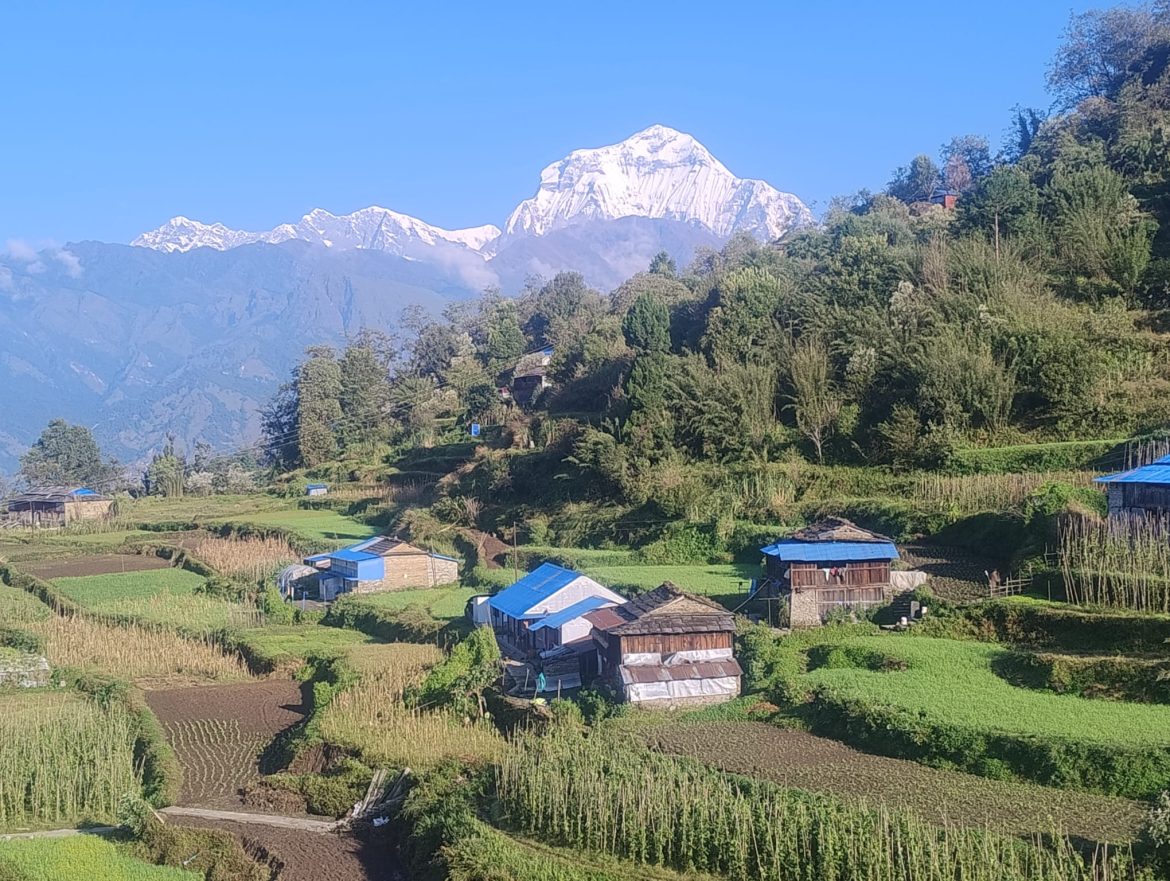
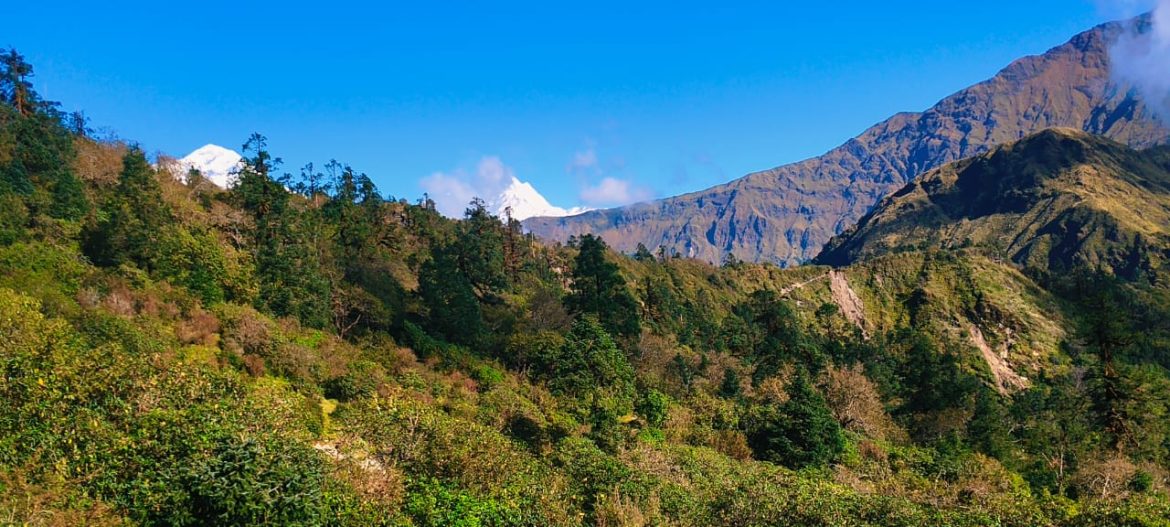
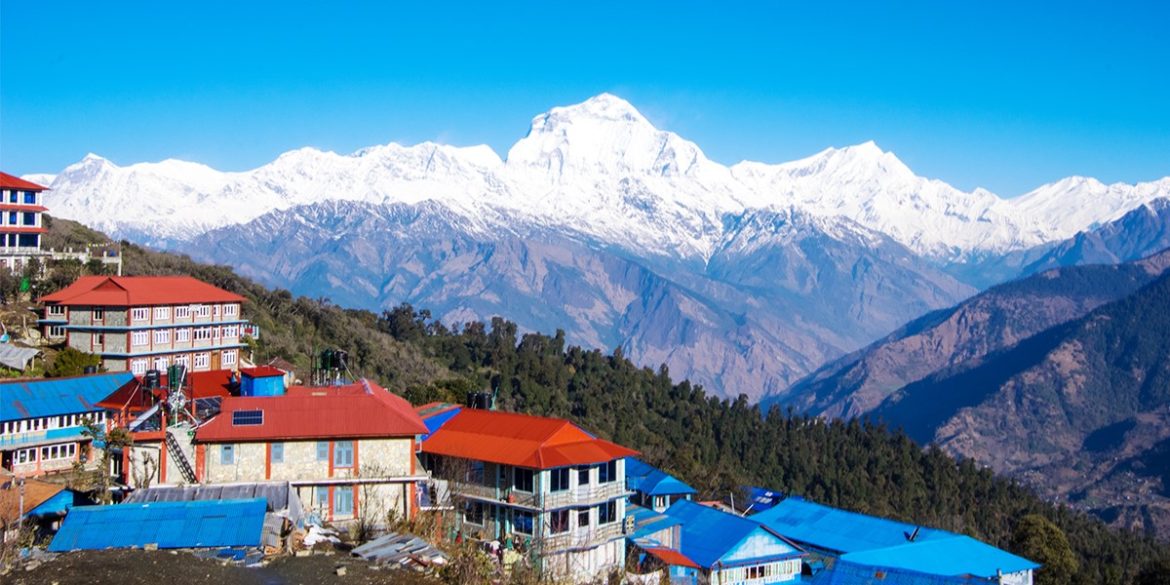
The Mohare Danda Trek offers beautiful mountain scenery, traditional villages, peaceful forest trails, and authentic local experiences. Its major attractions include breathtaking sunrise and sunset views over the Annapurna and Dhaulagiri mountain ranges, including Machhapuchhre (Fishtail), Nilgiri, and South Annapurna. The trek also takes you through beautiful rhododendron forests, terraced farmlands, and traditional Magar and Gurung villages. Along the way, you can experience local hospitality, traditional culture, and community-based eco-lodges. Mohare Danda is especially popular for its peaceful atmosphere, panoramic Himalayan views, and less-crowded trekking trails.
Mountain Views During the Mohare Danda Trek
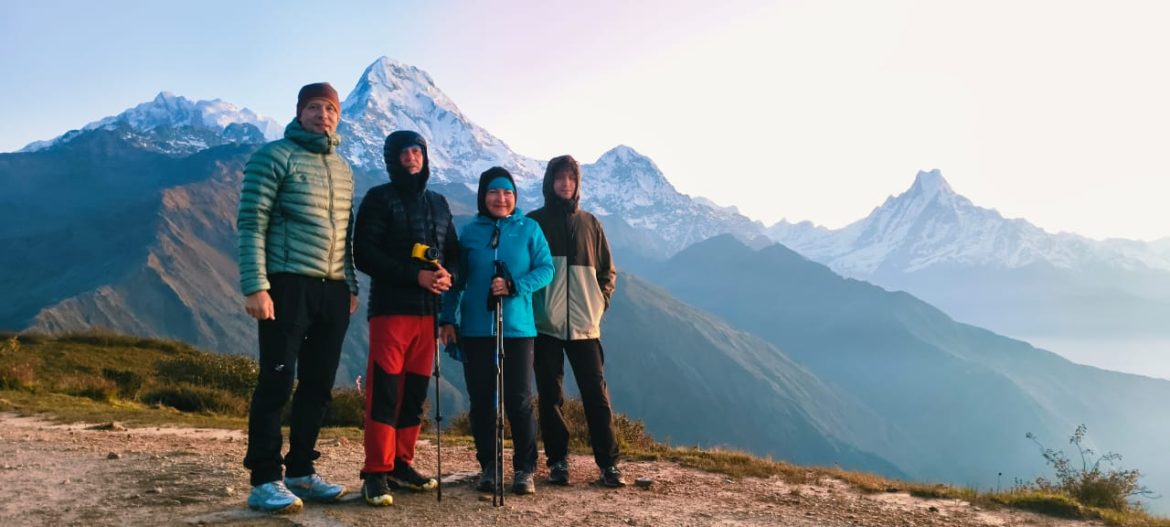
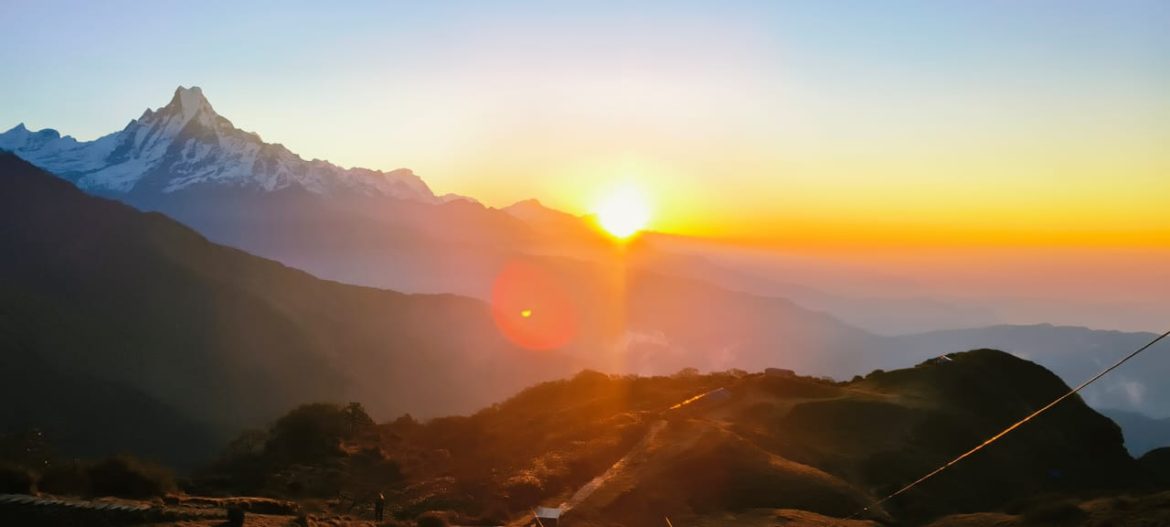
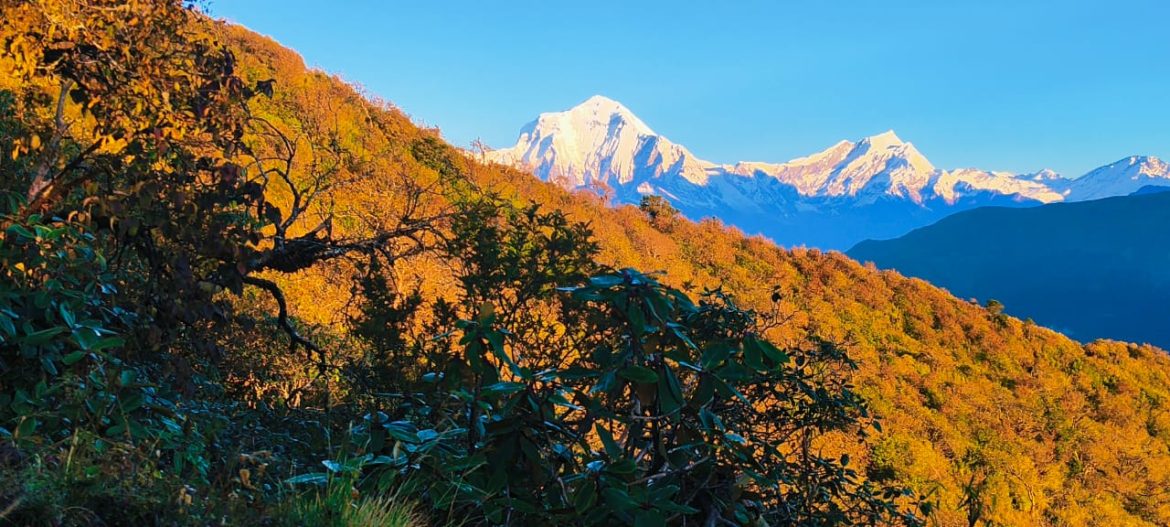
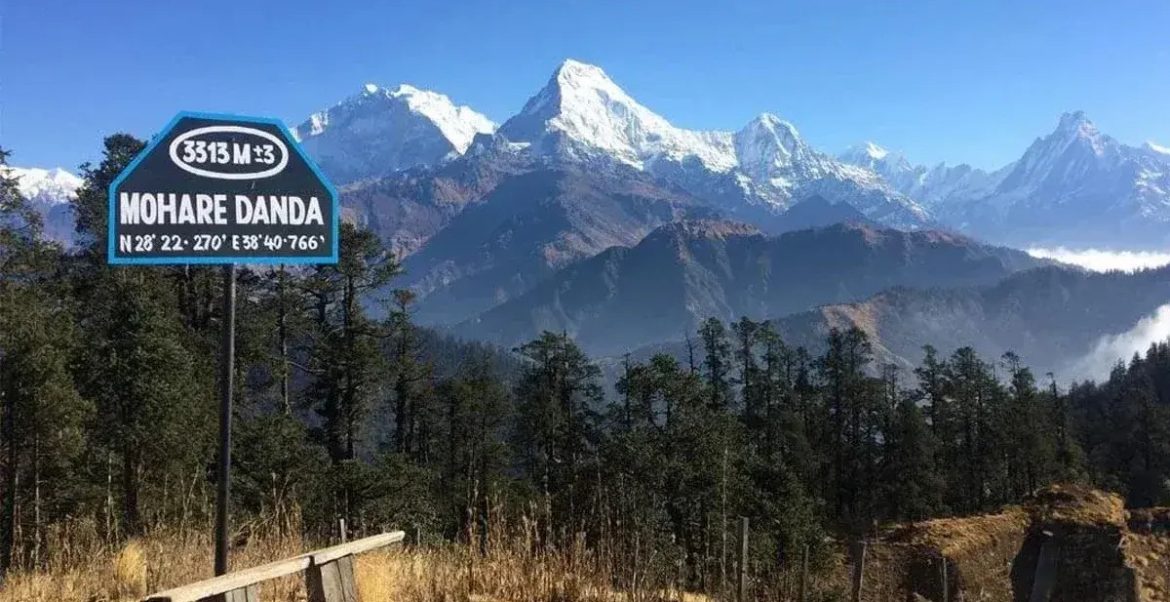
The Mohare Danda Trek offers spectacular panoramic views of the Annapurna and Dhaulagiri mountain ranges. From the Mohare Danda viewpoint, you can enjoy breathtaking sunrise and sunset views over snow-capped peaks, including Dhaulagiri, Annapurna South, Machhapuchhre (Fishtail), Nilgiri, and other surrounding Himalayan mountains. The changing mountain scenery, especially during clear mornings, makes this trek a memorable experience for nature and mountain lovers.
Altitude and Acclimatization During the Mohare Danda Trek
The Mohare Danda Trek reaches 3,300m (10,827ft), making altitude sickness less common than on higher Himalayan treks. A gradual walking pace, proper hydration, and adequate rest are recommended. A separate acclimatization day is generally not required, but trekkers should pay attention to their health and allow enough time to adjust to the increasing altitude.
Is the Mohare Danda Trek Suitable for Families?
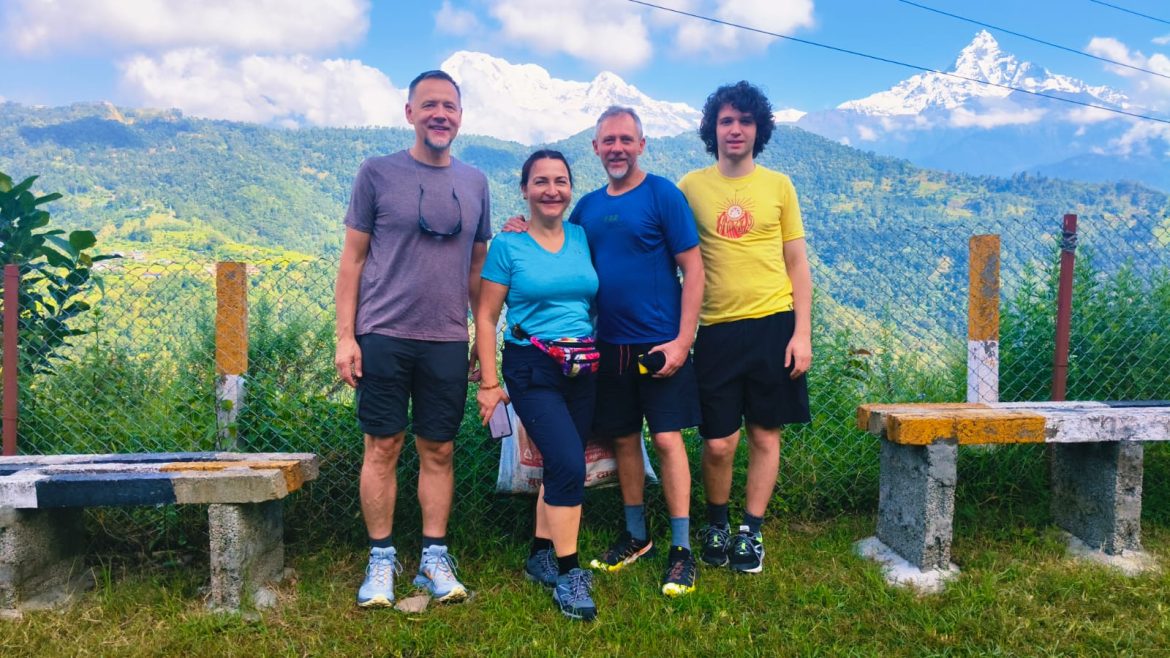
Yes, the Mohare Danda Trek is suitable for families with children and older adults who have a reasonable level of fitness. The trail offers a mix of gentle paths, village walks, and some uphill and downhill sections. Families can enjoy beautiful mountain views, peaceful forests, and traditional village experiences along the way. However, children and older trekkers should be comfortable walking several hours a day, with regular breaks and a suitable itinerary.
Do We Need Travel Insurance for the Mohare Danda Trek?
Yes, we recommend travel insurance for the Mohare Danda Trek. Your insurance should cover trekking activities at the maximum altitude of 3,300m (10,827ft), as well as medical expenses, emergency assistance, and helicopter evacuation if required. Please check your policy carefully to ensure it covers trekking in Nepal and any unexpected emergencies during the trip.
Health and Personal Safety During the Mohare Danda Trek
Your health and safety are important throughout the Mohare Danda Trek. Walk at a comfortable pace, drink enough water, eat regular meals, and get adequate rest each day. Carry personal medications, basic first-aid supplies, and any essential health items. Follow your guide’s instructions, wear suitable trekking shoes, and take extra care on steep, slippery, or uneven trails. Inform your guide immediately if you feel unwell or experience any health concerns during the trek.
Local Culture and Traditions During the Mohare Danda Trek
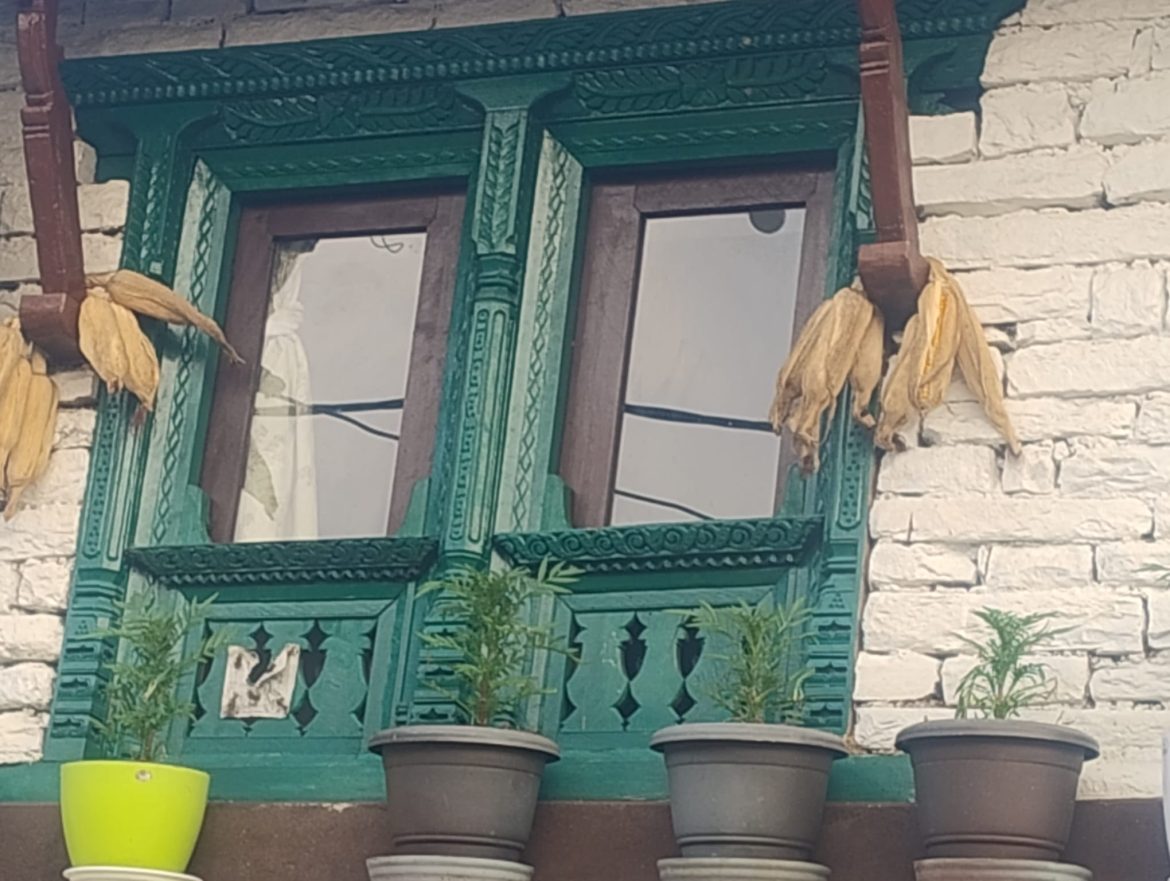
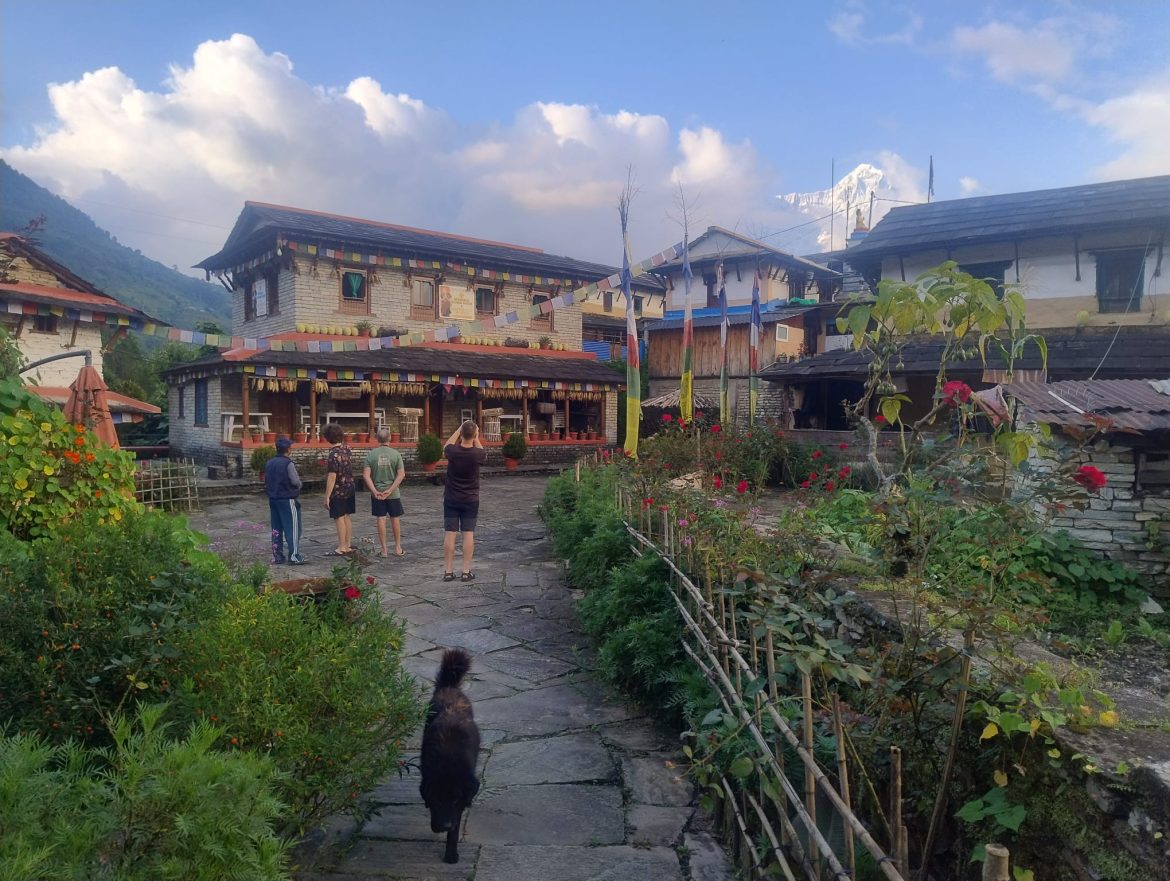
The Mohare Danda Trek offers a wonderful opportunity to experience the traditional culture and lifestyle of the Magar and Gurung communities. Along the trail, you will visit traditional villages, interact with local people, and learn about their customs, festivals, food, and daily activities. You can also enjoy traditional hospitality and stay in community-based eco-lodges. Respecting local customs, traditions, religious sites, and cultural practices will help make your trekking experience more meaningful.
Flora and Fauna of the Mohare Danda Trek
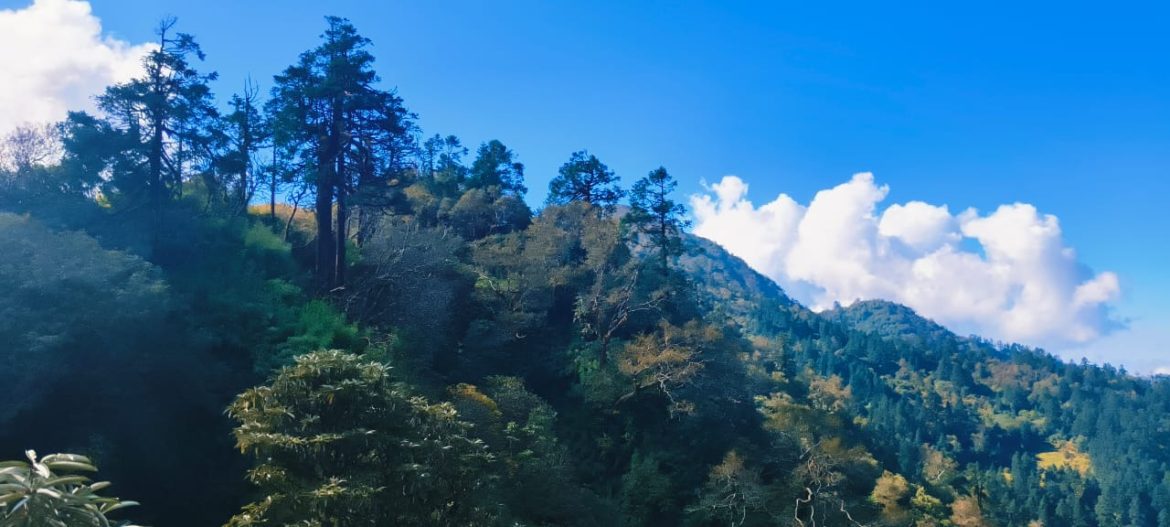
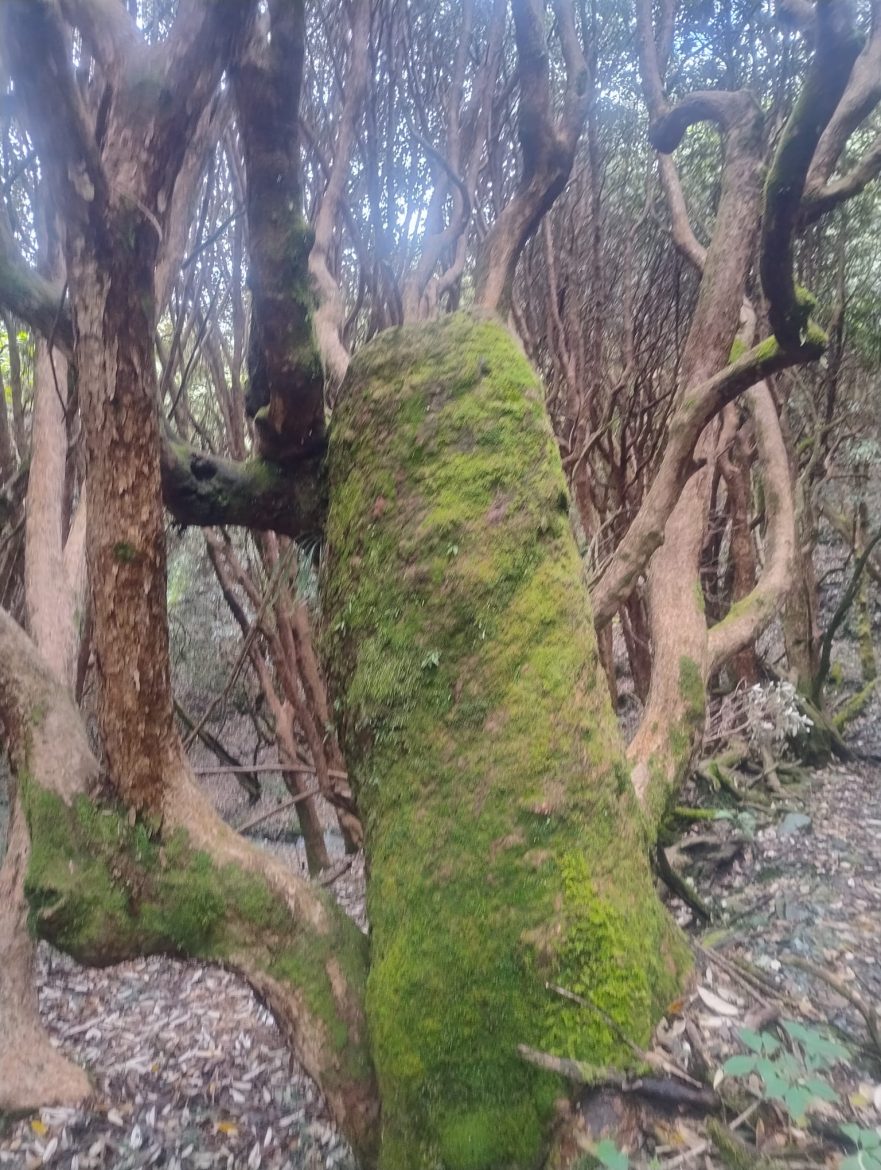
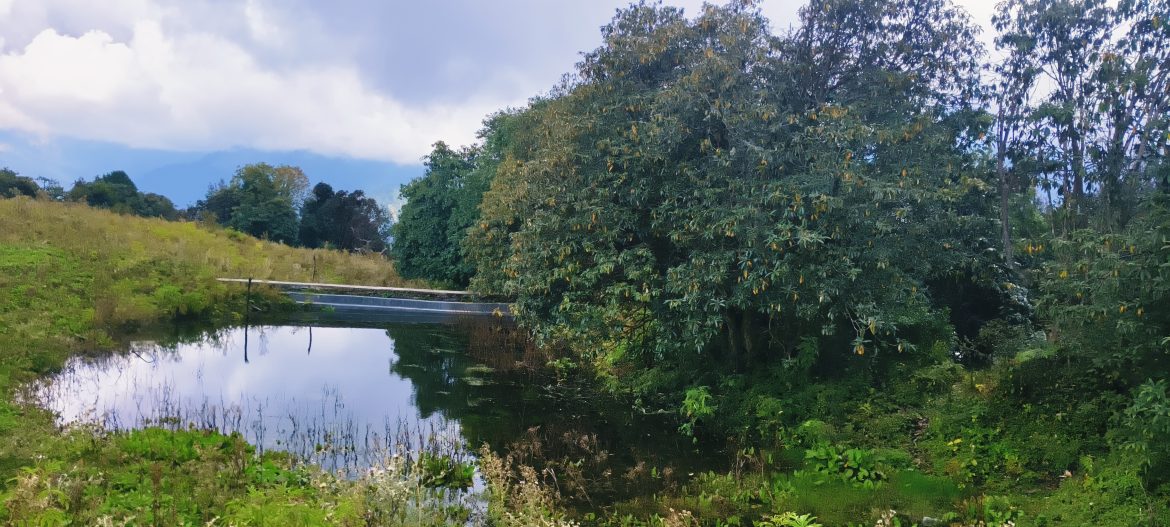
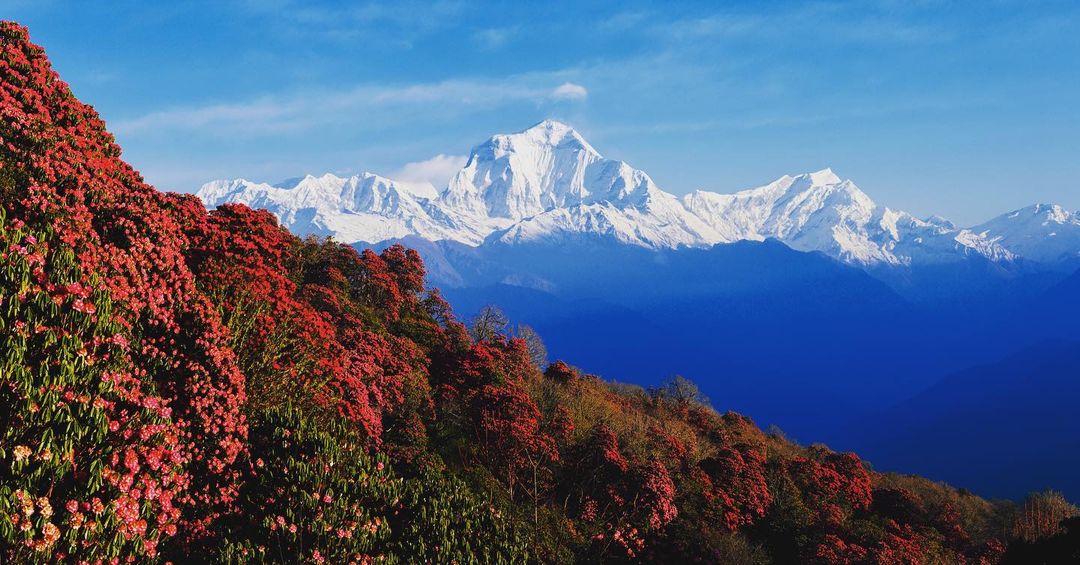
The Mohare Danda Trek takes you through beautiful forests of rhododendron, oak, pine, and other native Himalayan trees. During spring (March to May), the hillsides become colourful with blooming rhododendrons and wildflowers. The forest areas are also home to various bird species, butterflies, and wildlife, including Himalayan monkeys and other small mammals. Nature lovers can enjoy the peaceful forest trails, fresh mountain air, and rich biodiversity throughout the journey.
Environmental Responsibility During the Trek
We encourage all trekkers to protect the natural environment and keep the Mohare Danda trails clean. Avoid littering, use reusable water bottles, minimize plastic waste, and dispose of rubbish responsibly. Respect local wildlife, forests, and natural resources, and avoid disturbing plants or animals. Support local communities by using community-based lodges and local services. By following responsible trekking practices, we can help preserve the beautiful landscapes and natural environment of the Mohare Danda region for future generations.
Accommodation and Meals During the Mohare Danda Trek
During the Mohare Danda Trek, you will stay in comfortable hotels in Kathmandu and Pokhara, with breakfast included as per the package. Along the trekking route, accommodation is provided in local teahouses, community lodges, and homestays with basic facilities. During the trek, meals include breakfast, lunch, and dinner from the available local menus, offering a variety of traditional Nepali and simple international dishes.
Drinking Water During the Mohare Danda Trek
We recommend drinking boiled, filtered, or purified water throughout the trek to stay hydrated and reduce plastic waste. You can refill your reusable water bottle at local teahouses and lodges. Carry water-purification tablets or a personal filter for additional safety. Bottled water may also be available for an extra cost.
A Typical Day During the Mohare Danda Trek
Your day usually begins with breakfast at the lodge, followed by 4-6 hours of walking through villages, forests, and scenic mountain trails. You will stop for lunch along the way and enjoy regular breaks to rest and take photographs. After reaching your overnight lodge, you can relax, explore the village, enjoy dinner, and prepare for the next day’s walk.
Mobile Network and Internet During the Trek
Mobile network coverage is available in some villages along the Mohare Danda Trek, but the signal may be weak or unreliable in remote areas. Nepal Telecom (NTC) and Ncell may work in certain locations, depending on the village and weather conditions. Some community lodges offer Wi-Fi, but availability and connection speed can vary. We recommend informing your family before starting the trek and enjoying the opportunity to disconnect from daily digital activities.
Electricity and Battery Charging During the Trek
Electricity is available in most villages and community lodges along the Mohare Danda Trek, but charging facilities may be limited in remote areas. Some lodges may provide battery-charging services for an additional fee. We recommend carrying a power bank, spare batteries, and suitable charging cables to keep your mobile phone, camera, and other electronic devices powered throughout the trek.
Money and Personal Expenses During the Trek
We recommend carrying enough Nepalese cash (NPR) for personal expenses during the trek, as ATMs and card payment facilities are not available in most villages along the route. You may need extra money for snacks, drinks, hot showers, Wi-Fi, battery charging, and other personal purchases not included in your package. It is best to exchange money or withdraw sufficient cash in Kathmandu or Pokhara before starting the trek.
How Much Extra Money Do You Need for the Trek?
We recommend carrying approximately NPR 2,000–3,000 (USD 15–25) per person per day for personal expenses during the trek. This amount can cover extra snacks, drinks, hot showers, Wi-Fi, battery charging, and other personal purchases not included in your package. Your actual expenses will depend on your spending habits and the services available at each lodge. Carry enough Nepalese cash before leaving Kathmandu or Pokhara, as ATMs are not available along most parts of the trekking route.
Guidelines for Guides, Porters, and Trek Staff During the Trek
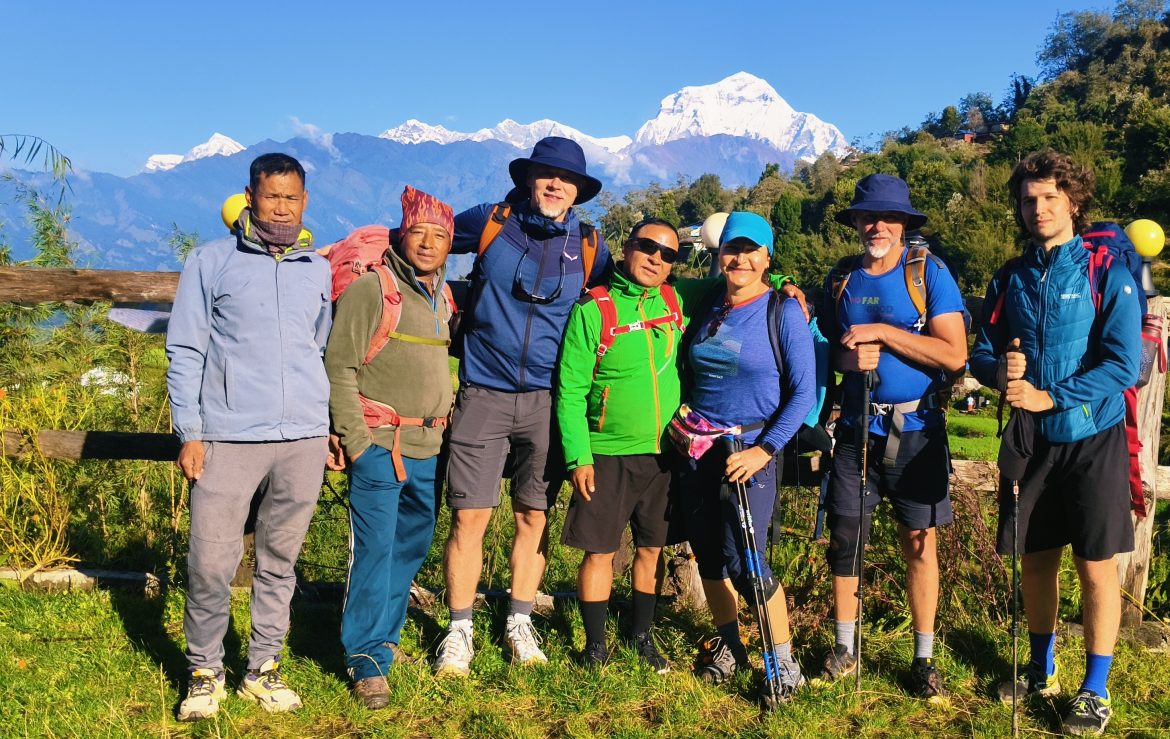
Our guides, porters, and trekking staff work hard to make your journey safe, comfortable, and enjoyable. We encourage all trekkers to treat them with kindness, respect, and appreciation. Follow your guide’s instructions, communicate your needs clearly, and respect local customs and working conditions. Porters should always carry loads within the agreed weight limits, and staff members should receive fair treatment throughout the journey. Tipping is customary in Nepal and is a personal way to show appreciation for their service at the end of the trek.
Trek Equipment Checklist
- Clothing: Thermal base layers, trekking shirts, trousers, fleece jacket, down jacket, and waterproof jacket.
- Footwear: Comfortable trekking boots, camp shoes, and trekking socks.
- Headwear: Warm hat, sun hat, neck gaiter, and sunglasses.
- Hand Protection: Warm gloves and lightweight inner gloves.
- Backpack: 25–35-litre daypack, rain cover, and packing bags.
- Sleeping Gear: Sleeping bag suitable for cold mountain temperatures.
- Personal Items: Towel, toiletries, sunscreen, lip balm, and hand sanitizer.
- Water Supplies: Reusable water bottles, thermos, and water purification tablets.
- Medical Kit: Basic first-aid supplies and personal medications.
- Trekking Accessories: Trekking poles, headlamp, spare batteries, and power bank.
- Documents: Passport, travel insurance details, permits, and cash.
- Optional Items: Camera, binoculars, snacks, and a book.




 Nepal