

Trip Info
-
Min 2 Max 12
-
Grade: Challenging
-
Mar-May and Sept-Nov
-
Max. 5,143m/16,870ft
-
Duration: 17 Days
-
Private Jeep & Flights
-
Hotels & Teahouse
-
All meals are included
<strong>Who we are</strong> Our website address is: <a href="http://www.alpinetrav.com" target="_new" rel="noopener">http://www.alpinetrav.com</a>. <hr /> <strong>What personal data we collect and why we collect it</strong> <h3>Plugin Data Collection and Compliance</h3> This website uses plugins that may store personal information. These plugins comply with GDPR regulations and are designed to manage and protect your data securely. Below are details on what data may be collected and why: <ol> <li><strong>Contact Forms</strong> <ul> <li>When you use contact forms, the plugin may collect your name, email, and other necessary details to provide responses to your inquiries.</li> <li>This data is stored to enable us to respond to your messages effectively and is retained only as long as necessary for communication.</li> </ul> </li> <li><strong>Comments and Spam Detection</strong> <ul> <li>Comments on the site collect data shown in the form, as well as the visitor’s IP address and browser user agent string to assist in spam detection.</li> <li>This data may also be shared with an automated spam detection service.</li> </ul> </li> <li><strong>Cookies and Data Storage</strong> <ul> <li>Some plugins may set cookies to improve user experience, such as storing login information or remembering preferences. These cookies comply with GDPR standards and expire after a set period or upon logging out.</li> <li>Cookies specifically used by these plugins do not collect personal data unless explicitly mentioned.</li> </ul> </li> <li><strong>Embedded Content</strong> <ul> <li>Embedded content from third-party websites may behave as if the visitor has visited those external websites. These third-party sites might collect data and track your interaction as per their policies.</li> </ul> </li> <li><strong>Analytics</strong> <ul> <li>Some plugins may collect anonymous analytics to improve site performance. However, no personal information is stored unless explicitly noted, and all data complies with GDPR standards.</li> </ul> </li> </ol> <h3>How Long We Retain Your Data</h3> The collected data is stored only as long as necessary for the intended purposes, such as for communication or to improve the site experience. This may vary based on the plugin and specific regulatory requirements. <h3>What Rights You Have Over Your Data</h3> Under GDPR, you have the right to: <ul> <li>Access: Request a copy of the personal data we hold.</li> <li>Rectification: Correct any data we hold about you that is incorrect.</li> <li>Erasure: Request the deletion of your data, provided it is no longer necessary for regulatory or operational purposes.</li> </ul> For requests, please contact us using the information in our Contact section below. <hr /> <strong>Where We Send Your Data</strong> Visitor comments may be checked through an automated spam detection service. Some plugins may also send anonymized data to third parties as part of analytics or performance monitoring. <strong>How We Protect Your Data</strong> All data managed by this website and its plugins is stored securely. We ensure our plugins meet industry standards for encryption and data protection. We also regularly update our website to prevent unauthorized access.
Kanchenjunga North Base Camp Trek of Highlights
- Trek in the Conservation Area (KCAP) and explore around the third highest mountain in the world
- Enjoy adventurous, off-the-beaten Conservation Area trekking
- Less crowded trekking route in the peak trekking season
- A budget-friendly alternative in one of the restricted areas in Nepal and slow itinerary
- If you are lucky, you may come across rare wildlife and birds
- Witness stunning mountain views and landscapes and get to unique mountain lifestyle of the locals
Kanchenjunga North Base Camp Overview
The Kanchenjunga North Base Camp trek is suitable for those who want to spend a long time in the mountains. Unlike the Kanchenjunga Circuit trek, it is more on the affordable side. This trek is led by expert guides, so your journey will be safe. The Kanchenjunga North Base Camp trek is also recommended for the elderly who are able to walk for at least 5-6 hours a day. If you are looking for the best budget-friendly off-the-beaten trek in Nepal, then Kanchenjunga north base camp trek 17-days is the ideal package for you. You will explore the far eastern part of the Himalayas and get to see jaw-dropping mountain panorama during the trek.
Kanchenjunga region is a restricted area that houses the third highest mountain in the world, Mt. Kanchenjunga. It is also home to some of the most exclusive wildlife & flora. Protected under Kanchenjunga Conservation Area, the trekking route has different climatic zones and ascends through sub-tropical lowlands to lush rhododendron forests that further go to alpine forests and open up to glaciers.
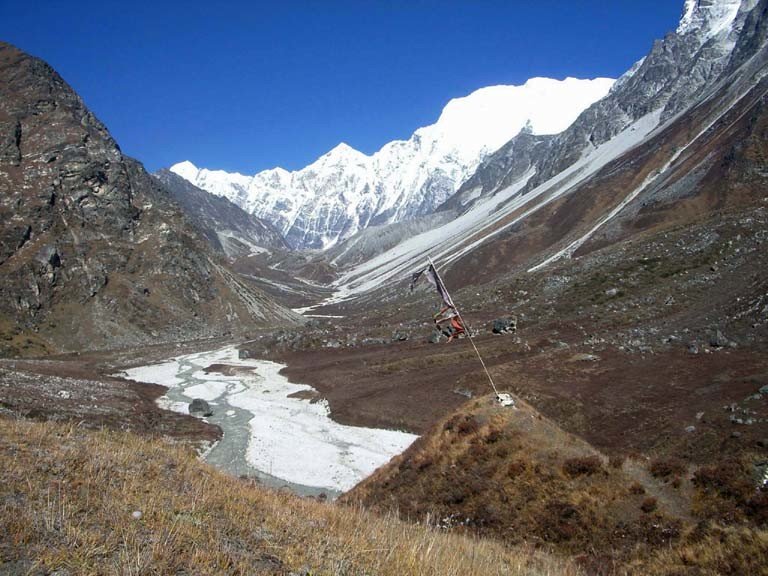
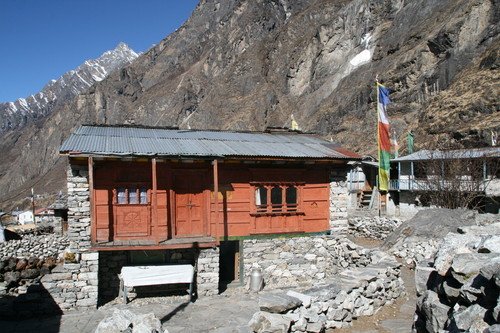
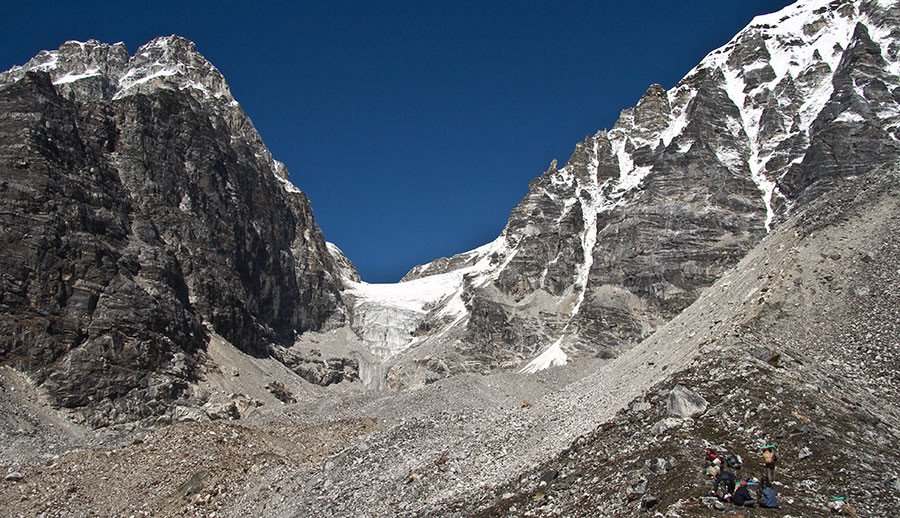
The Kanchenjunga North Base Camp Trek ascends to Pangpema (5,100m), following the moraine of Kanchenjunga Glacier. You pass by beautiful remote villages resided by welcoming locals living a simple lifestyle. The off-beat trail and isolation of this region from other famous trails around the Himalayas have successfully preserved the essence of true wilderness trekking.
Mountains views during the trekking
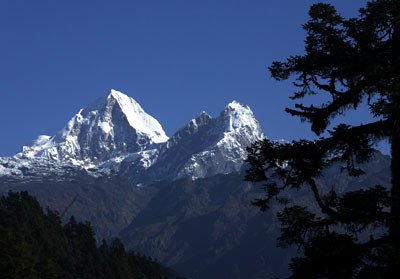
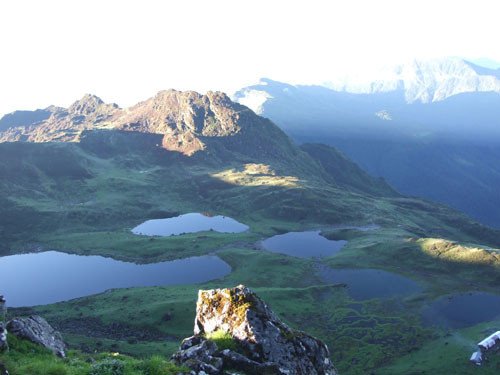
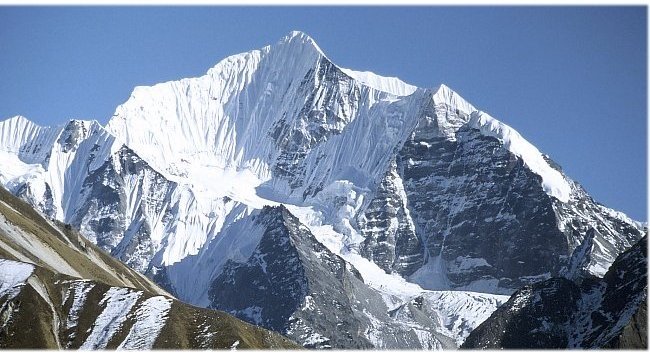
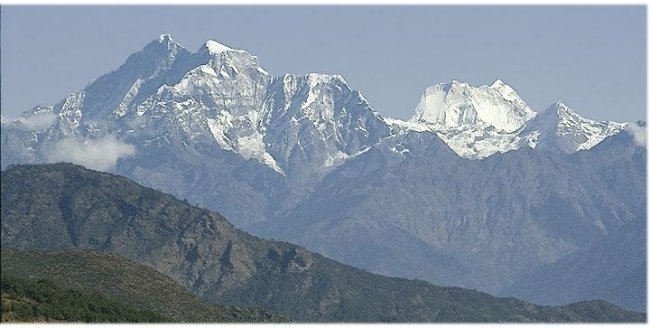
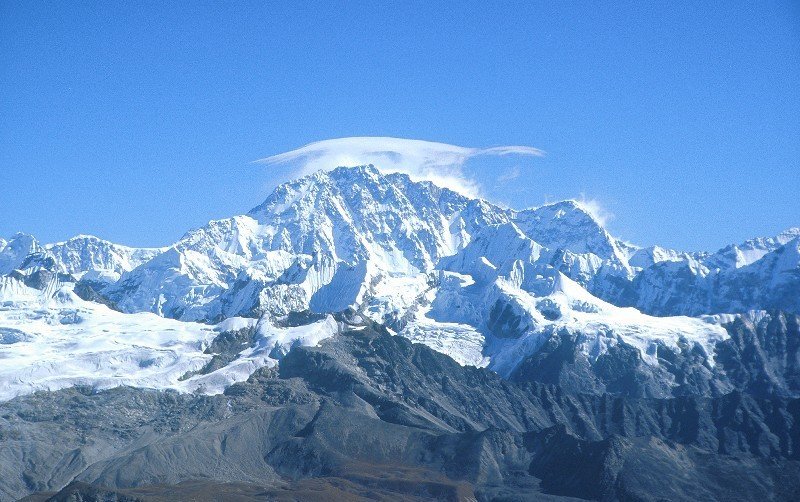
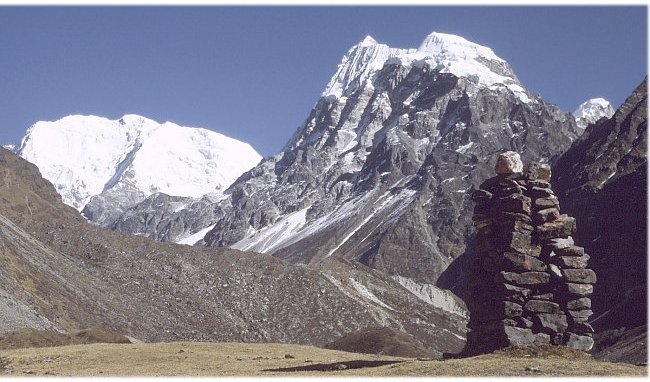
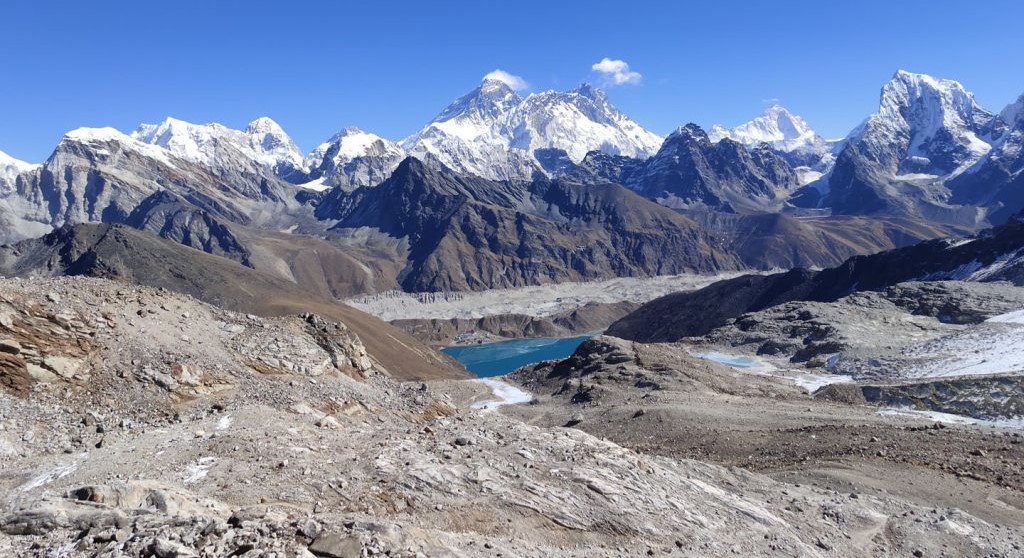
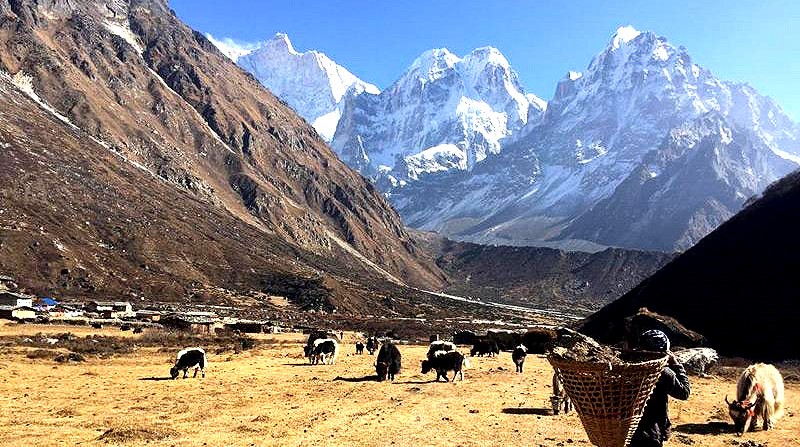
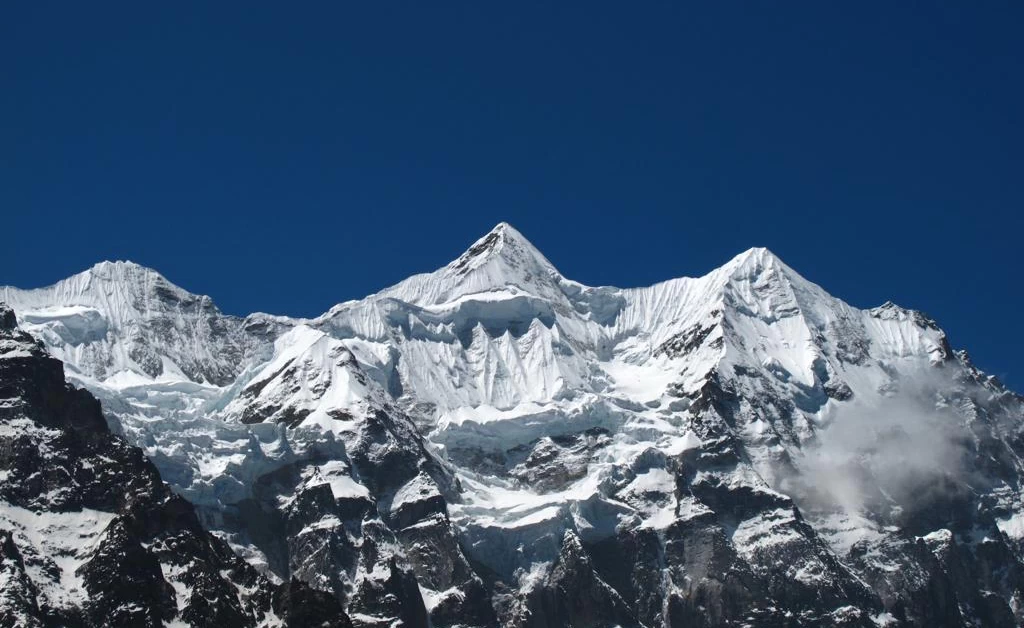
Kanchenjunga north base camp trek offers the best mountain views of Mt. Kanchenjunga (8,586m/28,169ft), Janu Himal (7,710m/25,300ft), Everest (8,849m/29,032ft), Makalu (8,463m/26,247ft), Tharpu Chuli (5,695m/18,684ft), Kabru (7,412m/24,318ft), etc. Likewise, along the way, you get to see gorgeous landscapes. There are pastures and rivers with yaks grazing on them, backed by snow-capped mountains. In the lower part of the trail, you mostly witness the scenery of dense forested hills and rivers with a glimpse of mountains.
Flora & Fauna
As you said, you’ll be trekking in the Kanchenjunga Conservation Area, so there’s a high chance of you coming across exotic animals like Asian black bears, snow leopards, red pandas, etc. Similarly, if you love birds, then Kanchenjunga North base camp trekking offers a great opportunity for you to see different species of birds, including snow cock, blood pheasant, golden-breasted fulvetta, etc.
Why Trek With Us?
Our itineraries are designed in a way that provides our guests with the best trekking experience. You may notice that we also have many different packages. Despite our efforts to offer something different in the Nepal Himalayas, our package costs are minimal and are the best in Nepal Himalaya trekking.
Our goal behind creating the 17-Days short Kanchenjunga North Base Camp Trek is to allow travelers who do not have enough time to explore the wonders of the region.
Moreover; you trek with local guides and porters who are trained in first aid, remote survival and rock climbing and they also have extensive knowledge about trekking. So you can rely on us for all your travel needs in Nepal. We guarantee you a safe journey.
Customize Your Kanchenjunga North Base Camp Trek:
- This is a general itinerary, which can always individually be “tailormade”. The Kanchenjunga North Base Camp trek package can be redesigned or redeveloped as per your taste, For more information please contact us.
17 Days Kanchenjunga North Base Camp Trek Itinerary
We recommend that you schedule your arrival in Kathmandu in the morning or afternoon. This will give you enough time to relax and recover from jet lag before starting your adventure. Upon arrival at Kathmandu International Airport, our representative will meet you at the airport and transfer you to your hotel where you will be served welcome drinks. After you have freshened up, your trek guide will brief you about your trip in the lobby of your hotel in the evening.
Get familiar with your surroundings by taking a walk down the street. Visit to Thamel, the main tourist hub. Overnight at Kathmandu's in a Hotel.
Accommodation: Hotel (Hotel Moonlight)
Today, our team will meet you at your hotel around 9 am and collect your original passport to prepare the permit. At 5 pm, our team will hand over the original passport to your hotel. Whatever; Today you will visit two UNESCO World Heritage Sites, Boudhanath and Pashupatinath, as part of a guided sightseeing tour. The tour lasts approximately 3 to 4 hours. In the afternoon, you will be briefed about your upcoming adventure. If you have any doubts, check your equipment and visit the Swayambhunath Monkey Temple near your Hotel Vajra. Spend the night in Kathmandu.
Accommodation: Hotel Moonlight
Meals: Breakfast
Today you will take an early flight to Bhadrapur from Kathmandu. From Bhadrapur, you will countinue drive to Taplejung (1820m). You will pass through picturesque places like Birtamod, Illam, Jorpokhari, Amarpur, etc., and cross through the Kabeli Khola Bridge to reach Taplejung.
Accommodation: Hotel/ Lodge
Meals: Breakfast, Lunch and Dinner
Today you begin your drive of about 5-6 hrs following the route from Taplejung to Sekathum, which is approximately 39 km away. You may encounter narrow and winding roads on your drive. You will check your permits on the Kanchenjunga Conservation Area check post and pass through various settlements. By traveling along the Tamor Nadi and passing through some bridges, you will eventually reach Sekathum. Overnight at Sekathum.
Accommodation: Teahouse
Meals: Breakfast, Lunch and Dinner
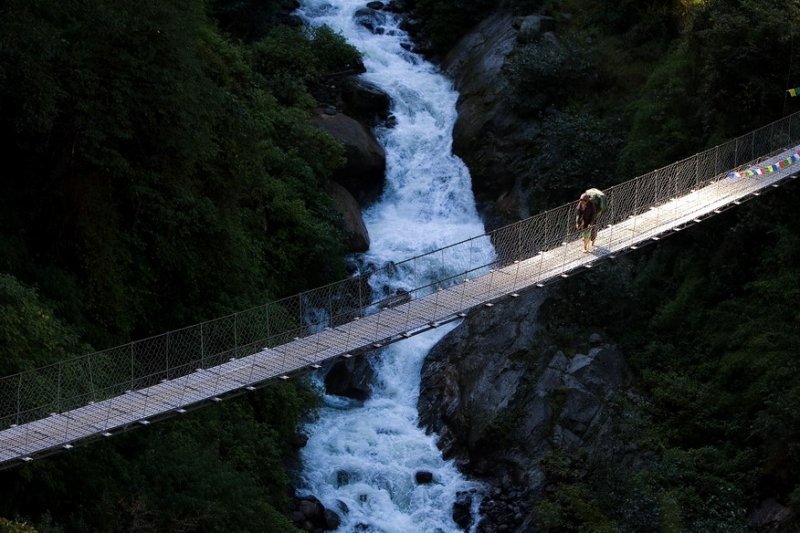
After breakfast you will begin you hike to Kanchenjunga North Base Camp today. You commence the trek from Sekathum to Amjilosa crossing several suspension bridges and walking through Rhododendron forests. With the walk uphill and downhill, passing several little settlements, you will reach Amjilosa in about five to six hours. You will stay at Amjilosa overnight.
Accommodation: Teahouse
Meals: Breakfast, Lunch and Dinner
After breakfast you will hike to Amjilosa, leaving Sekathum behind, following the bank of Ghunsa Khola. You will walk through the forest track, and there is a rare chance, that you can spot a red panda. Ambling along the trail, you can see the splendid view of the snow-capped mountains. After about four to five hours of walking, according to your pace, you will reach Gyabla/Kyapra village, where you stay for the night.
Accommodation: Teahouse
Meals: Breakfast, Lunch and Dinner
After having breakfast, you will move forward on your path to Ghunsa. The trek follows the track of the forests. You can meet the trekkers moving toward and returning from the Pangpema, Kanchenjunga North Base Camp. You can encounter the Himalayan yaks carrying loads upward and downward on your way to Ghunsa. After walking for about five hours, you reach your destination for the day, Ghunsa.
Accommodation: Teahouse
Meals: Breakfast, Lunch and Dinner
The trekkers stop at Ghunsa to acclimatize their bodies and hike to Ghunsa Viewpoint or Dudh Kunda. But you will make your way to Khambachen after having breakfast, strolling through the open pine forest. Passing through the villages like Rambuk Kharka and Lyakep, enjoying the vista of Jannu(7711m), Temachungi(6305m), Pholesobi Thongje(6652m), and many more, you will get to Khambachen.
Accommodation: Teahouse
Meals: Breakfast, Lunch and Dinner
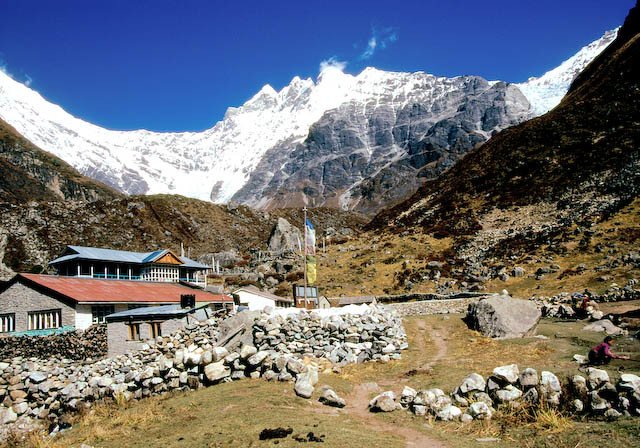
Today, you have acclimation in Khambachen. The village offers a stunning view of the Jannu, Nagphu, Sarphu ranges, Nupchu, and many more. You can stroll around Khambachen village, hike up to Nupchu Pokhari (4952m), or Janu Viewpoint. Overnight stay at teahouse in Khambachen.
Accommodation: Teahouse
Meals: Breakfast, Lunch and Dinner
Following a trail of the bank of Ghunsa Khola, you will get closer to the Kanchenjunga North Base Camp. Getting to Ramdang(4375m), you can see the stunning vistas of Kanchenjunga, Ramtang, Gimmigela, and many more. Walking along the side of Kanchanjunga Glacier and across the path through Dry Lake, you will reach Lhonak. Overnight at Lhonak.
Accommodation: Teahouse
Meals: Breakfast, Lunch and Dinner
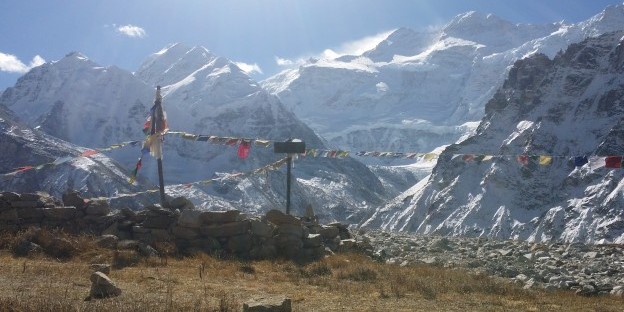
Today you'll be at the base camp of the World's third-highest mountain, Mt. Kanchenjunga. You start your day trip to Pang Pema, Kanchenjunga North base camp, with glorious views of the mountains en route. After spending some hours at the base camp with the prayer flags and the splendid views of the Himalayas, you will return to Lhonak. Overnight at Lhonak.
Accommodation: Teahouse
Meals: Breakfast, Lunch and Dinner
Retracing the path you came to the stunning Kanchenjunga Base Camp, you will start your way down to Ghunsa. Relishing the rhododendron forests and vistas of the mountains, you will reach Ghunsa.
Accommodation: Teahouse
Meals: Breakfast, Lunch and Dinner
After breakfast; Today you will walk downhill to Sekathum. The walk is longer, so you will begin your trek earlier. Passing through the track of the bank of Ghunsa Khola and crossing Phale, Gyabala, Amjilosa, and Ghaiyabari, you will reach Sekathum. There is steep descent and ascent, stone steps on your way to Sekathum. Overnight at Sekathum.
Accommodation: Teahouse
Meals: Breakfast, Lunch and Dinner
Leaving the mountains behind, taking the memories, and feeling the cool breezes, you will catch your jeep and begin your ride to Kanyam, Ilam, the tea cultivation area. You can find a huge mass of Domestic tourists in Kanyam. Overnight at Kanyam.
Accommodation: Hotel/ Lodge
Meals: Breakfast, Lunch and Dinner
Today, After breakfast; you will visit the tea cultivation area for a while and drive to Bhadrapur Airport. The 45 to 50 minutes flight from Bhadrapur will bring you to Kathmandu in the late afternoon and your guide transfer you to the hotel.
Accommodation: Hotel Moonlight
Meals: Breakfast & Lunch
To rest, explore, and shop. There are no activities scheduled for today. This day also serves as a contingency day in case of any delays with the flights. If you would like to do any sightseeing today, please reach out to us, and we can assist you with arranging sightseeing tours around Kathmandu.
Accommodation: Hotel Moonlight
Meals: Breakfast
The trip is ending today! There is nothing left for you to do except exchange emails with your travel buddies and organize your photos. If you have more time, you can do some sightseeing. An AlpineTrav representative will drop you off at the airport approximately 3 hours before your scheduled flight. On the way home, you will have plenty of time to plan your next adventure in the wonderful country of Nepal. Keep in touch. Bon voyage for a safe and pleasant trip home.
Meals: Breakfast
North Base Camp Trek - 17 Days Cost Details
Cost Includes
- Pickup and drop service during both international and domestic flight
- Hotel in Kathmandu for 4 nights including breakfast at 3-star Hotel.
- Domestic Flight Kathmandu - Bhadrapur - Kathmandu
- Private Jeep (Bhadrapur - Taplejung - Sekathum and Sekathum - Illam - Bhadrapur airport)
- 3 meals (Breakfast, Lunch and Dinner) with Tea/Coffee
- Twin-sharing accommodation at clean and cozy Teahouse/lodge
- Kanchenjunga Project permit (KCAP) and Restricted area permit (RAP)
- Experienced local trek guide with a 1:4 assistant guide-to-client ratio
- Full support crew with one porter for every two trekkers
- Duffle bag for porter use (1 duffel bag per trekker)
- Comprehensive first aid kit with high altitude medicine
- Trekking Area Map, and Water Purifications Tablet
- Guide, Porter salary, food, equipment, and insurance, including on-trip cost
- Official expense, all local and government tax and VAT.
- Sleeping bag if needed (it is refundable)
Cost Excludes
- International flight tickets and Nepal entry visa fee
- Lunch and Dinner in Kathmandu during stay
- Late departure and early arrival from the trek accommodation self
- Disembarkation Airport Tax in Nepal - approx. US$ 24. al equipment
- Personal hiking equipment
- Personal expenses. Additional expenses due to unforeseen circumstances such as other events beyond control.
- Drinks except tea and coffee. (Bar Bill, laundry and telephone calls.)
- Travel Insurance: Liability of insurance against any kind of medical expenses etc.)
- Emergency rescue evacuation if needed
- Tips for treks guide and porter (it is appreciated)
17-Days Trip Cost Details
The trip cost always depends on group size, hotel accommodation category and client’s desire budget
The included itinerary is a guideline and standard pattern which AlpineTrav you. This trip itinerary can be modified according to your time and requirements
The itinerary shall be changed after an understanding between both AlpineTrav and the client. Additional activities could be either added or reduced as per client’s request before the trip confirmation
Price shall be adjusted in our mutual understanding, if the client intends to add some services we shall charge him/ her for those additional services and if he/she intends to lessen some services, we shall wave the charges accordingly
The Kanchenjunga North Base Camp Trek itinerary has been published in 3-star hotel and tea house/lodge services for better understanding of the customers.
Please contact us on WhatsApp: +9779860751012 for any information about in your selected package.
Useful Info
Please take care to note: Every effort will be made to keep to the above itinerary; however, since this adventure entails traveling in remote mountainous regions, we cannot guarantee that we will not deviate from it. Weather, the health condition of a group member, unexpected natural disasters, etc., can all contribute to changes in the itinerary. The trek guide will try to ensure that the trip runs according to plan, but please be prepared to be flexible if required.
Hotel accommodation in Kathmandu
Comfortable stay in cities and on the trek Your comfort is our priority, be it in the busy city or in the quiet mountains: In Kathmandu: Stay at Hotel Moonlight, that offers modern amenities for a comfortable experience. Located in Thamel. Where you can relax and enjoy, we will provide breakfast at the hotel and your accommodation will be on a twin-sharing basis. If you want a single room, on request you will need to pay a single supplement as mentioned in the tour cost.
Tea House Condition in Kanchenjunga North Base Camp Trek
Kanchenjunga north base camp trek is a teahouse trek. Kanchenjunga region is one of the least explored and undeveloped trekking routes in the Himalayas. If we compare the trail to Kanchenjunga base camp with other famous trekking routes like Everest base camp or Annapurna base camp, then there’s pretty much nothing. That’s why this trek is for trekkers whose endurance level is high when it comes to remote survival. however, there is a somewhat countable number of teahouses available along the trail, but the services are very basic and limited. The rooms are equipped with two seperate beds, pillows, and blankets to have a good night’s sleep. The washroom is shared. Do not expect hot water unless you are ready to pay a few extra bucks for it.
Meals at Kanchenjunga North Base Camp during the Trek
Meals options are not that great. You’ll get delicious authentic Nepal meals to have on a daily basis that will keep you energized. For instance, dal bhat, dhido, roti tarkari, etc. Meat items are available on the menu. We recommend you ask how old the meat is before ordering it. There are not many snacks available in the teashops on the way, so we advise you to carry your favorite snacks. Moreover; Other items like soup, porridge, burgers, pasta, mashed potatoes, oats, eggs, toast, etc are also available on the menu usually.
How difficult is the Kanchenjunga North Base Camp trek?
Kanchenjunga trekking is generally considered one of the most challenging treks in the Himalayas and is recommended to experienced trekkers only. It is a very demanding trek. The thing that makes our Kanchenjunga north base camp trek 17-days special is our slow itinerary. We have designed this Kanchenjunga trek for travelers who are open to spending more time amidst mountains. We are not implying that it’s going to be a comfortable trek. Rather our itinerary will let you trek slowly, enjoying every turn in the trail. Now, talk about your physical fitness, it has to be good, and of course, you need previous trekking experiences. Go on some day hikes and hit some easier treks in the Himalayas before.
If you are an experienced trekker who is ready to level up their trekking game, then we gladly welcome you to join us on our 17-days of adventurous trek in the Kanchenjunga region. Our team will provide you with all the necessary information regarding the trek and get you ready for it in no time.
Mountain Altitude Sickness
The highest altitude you touch on the Kanchenjunga north base camp trekking is 5,143m. You spend six days above 2,500m, which makes you vulnerable to altitude sickness and also puts a lot of pressure on your body. The oxygen level gets thin as you approach the base camp. And you may not want to drink water frequently or even lose your appetite. It’s given and common. Even with all the odds, you have to keep yourself reminded to eat nutritious food and keep yourself hydrated to avoid altitude sickness. Our crew will make sure you eat and drink plenty of water. So, you may be thinking about how dangerous altitude sickness can get? To be honest, altitude sickness is a common illness. However, if the symptoms do not subside, trekkers sometimes end with emergency evacuation, and the trek ends right then & there. Likewise, taking proper rest in between the trek is crucial too. So, we have acclimatization days in our Kanchenjunga north base camp trek itinerary.
Kanchenjunga North Base Camp Trek Itinerary
Upon your arrival in Kathmandu, you prep ourselves for the trek and take some time to appreciate the ancient monuments in Kathmandu. From Kathmandu, it’s a short flight to Bhadrapur, and on the same day, you drive to Mitlung via Taplejung. The following day, the trek begins. You will walk to Chirwa. In the next few days, your trek through lush forests and remote villages like Sekathum, Amjilosa, Gyabla, Ghunsa, and Khambachen. All these villages are your rest points. You’ll walk through many other small settlement areas and pass by beautiful waterfalls. You cross several streams and bridges on the way too. You take a rest day in Khambachen and pass by Lhonak before ascending to the Kanchenjunga north base camp. You follow the same trail back to Ghunsa and descend to Chirwa. The last day of the trek leads you from Chirwa to Taplejung.
Kanchenjunga trekking permits
Kanchenjunga trek permits are one of the most expensive permits in Nepal. It is a restricted area, so the trekkers have to obtain special permits. You’ll need Kanchenjunga Conservation Area Project Entry Permit (KCAP) and Restricted Area Entry Permit. The Kanchenjunga North trails of Tapethok and Yamphuding VDCs are restricted areas.
- Conservation Project Entry Permit (KCAP) cost: USD 20 per person
- Restricted Area Permit cost: USD 20 per person, per week
Best time to trek to Kanchenjunga trek
The best time to do Kanchenjunga north base camp trekking is during the peak trekking season in the Himalayas. It’s spring (March to April) and autumn (October to November). You can trek in these two seasons without worrying about unstable weather. Other seasons- winter and monsoon/summer are off time, which means, not suitable for trekking in the Kanchenjunga region. Kanchenjunga trekking in spring and autumn lets you have the best trekking experience. The views of mountains and hills are fantastic. The climate is pretty moderate with a little cold in the nights & mornings. The teeming forests with seasonal vegetation and flowers enhance the trails. The walk is impressive and soothing.
Travel insurance for Kanchenjunga North Base Camp Trek
Kanchenjunga north base camp trek is a very remote trek with high altitude. Therefore, travel insurance is a necessary part of our booking requirements. You have to get travel insurance with emergency air evacuation up to 6,000m, and if possible, also add medical bills. Because, Kanchenjunga region is hostile. Trekking in the north base camp of Mt. Kanchenjunga is not impossible, but does have risks, which can be minimized. Our goal is to take our guests to the most untouched part of the Himalayas safely, so we need travel insurance for some special packages like this one.
Electricity, internet, ATM, luggage, personal expenses
- There should not be an issue with charging your device during the Kanchenjunga north base camp trekking. Charging stations are available in all the tea houses. You only have to pay a few extra bucks.
- It’s better to carry a Nepali Sim and use cellular data for the internet instead of hoping for WiFi on the trail. You may see a disturbance in the network often because of elevation, weather, and remoteness of the region.
- You are free to buy additional snacks and drinks during the trek. There’s no ATM on the trail, and neither the locals accept foreign currency, let alone cards. So, carry some Nepali cash with you.
- The hard carry luggage weight for each trekker is 5 kgs (allowed in airplanes), and the duffel bag weight limit is 10 kgs for each trekker. One porter carries two duffel bags.
FAQs Related to North Base Camp Trek
Kanchenjunga north base camp trek is challenging (very demanding). It’s an off-the-beaten trek with lots of hurdles. The facilities along the trail are very limited and expensive. There is also a risk of altitude sickness.
Yes, you can trek to Kanchenjunga but only in a group of two or more people. The guide and porters assisting in the trek are not counted in the group. Also, you can only travel in this region with a locally registered trekking company. Otherwise there’s no way to obtain a restricted area permit.
Yes, there are some hidden costs trekkers should be aware of while trekking to Kanchenjunga North base camp. Some of the hidden costs include Wi-Fi, charging for electronic devices, hot water, and bottled drinking water. Likewise, side trips, snacks, and tips are other hidden costs during the trek to Kanchenjunga North Base Camp.
There are two base camps on Mt. Kanchenjunga. The north base camp, also called Pangpema is at 5,143m/16,873ft, and the Mt. Kanchenjunga south base camp is at 4,780m/15,682ft.
To trek to Kanchenjunga, you have to arrive in Kathmandu, Nepal. From Kathmandu, you have to take a flight to Bhadrapu and drive to Taplejung where the trek begins. From here, you trek for five, six days to reach the base camp of Mt. Kanchenjunga north or south and follow the same trail back to end the trek.
No, Kanchenjunga and K2 are not the same. They are two different mountains in two different countries. Kanchenjunga is the third highest mountain in the world, located in Nepal. K2 is the second highest mountain in the world, located in Pakistan.
No, you cannot do a solo trek to the north Kanchenjunga base camp or anywhere in the Kanchenjunga region. Solo trekking is prohibited in the Kanchenjunga region by the government of Nepal as it is a restricted area.
Trekking in Kanchenjunga or anywhere of region’s route in the Himalayas of Nepal is very safe because you trek with an experienced team who have led many groups in the past. Our team will take care of you and your needs. You don’t have to worry about anything and just focus on the path.
Trekking with a kid in the Kanchenjunga region can get tricky. It’s not impossible and depends on your kid’s adjustment capability. We recommend doing a camping trek if you are planning the Kanchenjunga north or south base camp trek with your childs.
The following information will give you some ideas on what to bring for a hike. It is important not to forget the essential items, as this will determine your comfort and safety on the hike. Equally important is that you do not burden yourself with unnecessary equipment on the hike. That is why we have listed some below.
General
- All season sleeping bag and down Jacket
- Duffle bag
- A wind and waterproof thin layered jacket
- Daypack
Upper Body- Head / Ears / Eyewear
- A pair of half gloves
- A warmer hat that covers the ears
- Sunglasses
- Neckwarmer
- Sunscreen (35 to 60 SPF)
- Headlamp and an extra set of batteries
Hands
- A pair of half gloves for walking poles(if you prefer)
- Warmer shell gloves and liner
Upper Body
- long sleeve t-shirts
- Thermal tops
- wool jacket or pullover
- Sports bras for women and girls
- Water and windproof shell jacket
Lower Body
- Thermal underwear (especially trousers)
- windproof and waterproof trousers
- warmer trousers
- Comfortable trekking pants
- Extra casual sport pants
Footwear
- A pair of good waterproof trekking boots
- Pair of sandals
- 4-5 pairs of woolen socks
- Sock liners
- Light shoes and sneakers
- First Aid Kits and Medicines
- Assorted adhesive bandages (fabric preferred)
- Blister treatment cream or similar
- Insect / anti-itch ointment
- Ibuprofen or other pain-relief medication
- Diamox (125mg to 250mg tablets for altitude sickness)
- Warps, splints, and wound coverings butterfly bandage
- Water purifying pills
(Note that our guide will carry medicine and first aid kit during the trek. However, we recommend that you bring your own personal first aid kit as well)
Miscellaneous – but must useful on the trek
- 4 passport size photos with original passport
- Water bottle & filter
- Flight details
- Bathroom kit (conform, should be included toilet paper, plastic bags, hand wipes, towel, and soap, etc.)
Extra things
- Comfortable trekking poles
- Quality energy dry foods (up to you)
- Power bank and music players
- Camera (memory card, chargers, and extra batteries)
 Nepal
Nepal