Trip Info
-
Min 1 Max 12
-
Grade: Challenging
-
Feb-May, Oct-Dec
-
Max. 5,364m/17,559ft
-
17 Days/ 16 Nights
-
Private 4WD Jeep
-
Hotel & Teahouse/ Lodge
-
Meals are included
<strong>Who we are</strong> Our website address is: <a href="http://www.alpinetrav.com" target="_new" rel="noopener">http://www.alpinetrav.com</a>. <hr /> <strong>What personal data we collect and why we collect it</strong> <h3>Plugin Data Collection and Compliance</h3> This website uses plugins that may store personal information. These plugins comply with GDPR regulations and are designed to manage and protect your data securely. Below are details on what data may be collected and why: <ol> <li><strong>Contact Forms</strong> <ul> <li>When you use contact forms, the plugin may collect your name, email, and other necessary details to provide responses to your inquiries.</li> <li>This data is stored to enable us to respond to your messages effectively and is retained only as long as necessary for communication.</li> </ul> </li> <li><strong>Comments and Spam Detection</strong> <ul> <li>Comments on the site collect data shown in the form, as well as the visitor’s IP address and browser user agent string to assist in spam detection.</li> <li>This data may also be shared with an automated spam detection service.</li> </ul> </li> <li><strong>Cookies and Data Storage</strong> <ul> <li>Some plugins may set cookies to improve user experience, such as storing login information or remembering preferences. These cookies comply with GDPR standards and expire after a set period or upon logging out.</li> <li>Cookies specifically used by these plugins do not collect personal data unless explicitly mentioned.</li> </ul> </li> <li><strong>Embedded Content</strong> <ul> <li>Embedded content from third-party websites may behave as if the visitor has visited those external websites. These third-party sites might collect data and track your interaction as per their policies.</li> </ul> </li> <li><strong>Analytics</strong> <ul> <li>Some plugins may collect anonymous analytics to improve site performance. However, no personal information is stored unless explicitly noted, and all data complies with GDPR standards.</li> </ul> </li> </ol> <h3>How Long We Retain Your Data</h3> The collected data is stored only as long as necessary for the intended purposes, such as for communication or to improve the site experience. This may vary based on the plugin and specific regulatory requirements. <h3>What Rights You Have Over Your Data</h3> Under GDPR, you have the right to: <ul> <li>Access: Request a copy of the personal data we hold.</li> <li>Rectification: Correct any data we hold about you that is incorrect.</li> <li>Erasure: Request the deletion of your data, provided it is no longer necessary for regulatory or operational purposes.</li> </ul> For requests, please contact us using the information in our Contact section below. <hr /> <strong>Where We Send Your Data</strong> Visitor comments may be checked through an automated spam detection service. Some plugins may also send anonymized data to third parties as part of analytics or performance monitoring. <strong>How We Protect Your Data</strong> All data managed by this website and its plugins is stored securely. We ensure our plugins meet industry standards for encryption and data protection. We also regularly update our website to prevent unauthorized access.
Everest Base Camp Trek without Lukla Flight Highlights
- Scenic and adventure 4WD drive instead of domestic flights to and from the Lukla Airport.
- Follow Sir Edmund Hillary and Tenzing Norgay’s footsteps the old way.
- Experience diverse cultures all the way from the foothills to the high altitude.
- Explore the iconic Buddhist monastery, Tencboche, and be involved in morning prayer.
- Walk over the world’s highest glacier, the Khumbu Glacier.
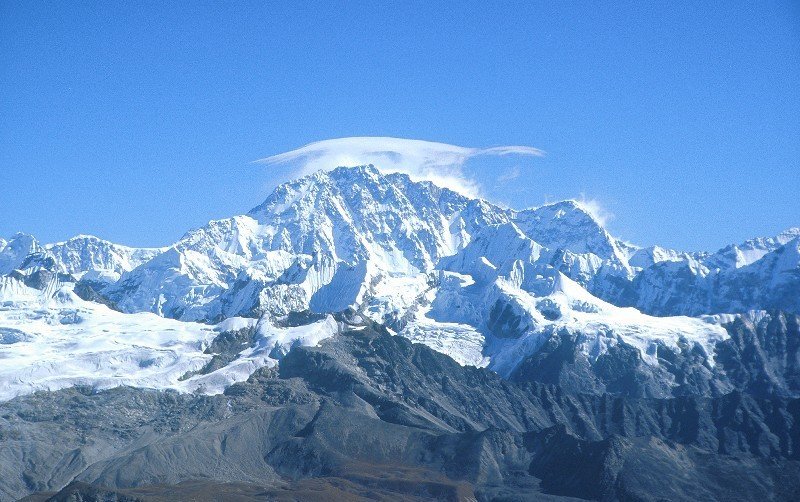
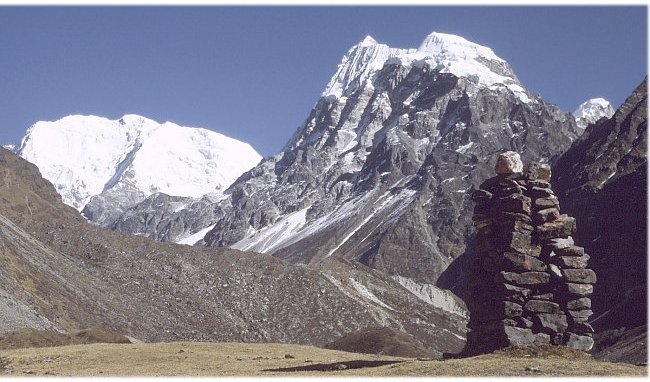
- Witness breathtaking views of numerous majestic peaks, including Mount Everest, Lhotse, and Ama Dablam.
This splendid Everest Base Camp Trek without Lukla Flight, which follows the footsteps of the earliest climbers and trekkers. It is a perfect fit for those who want to avoid the famous Lukla flights.
Since no flights are involved and a private tourist vehicle drive is taken, you don’t have to worry about the unexpected bad weather which usually hampers the Lukla flights. As you will start the trek from a lower altitude than Lukla and have many days before you reach Everest Base Camp trek by road, this trek is best from an acclimatization standpoint.
However, you will start the Everest Base Camp Trek from Kathmandu, the capital of Nepal, in a Private tourist vehicle. The Private tourist vehicle goes through a paved road until Salleri which is for 8 to 10 hours of the total drive. Beyond Salleri, it is a dirt road until the day’s destination of Kharikhola which takes about 3 to 5 hours to reach. It is the starting point of your trek and you will begin your journey to Everest Base Camp Trek from here.
On this trekking, you will pass through Phakding, Monjo, Namche Bazaar, Tengboche Monastery, Dingboche, Lobuche, Gorakshep, and finally reach Everest Base Camp. This is the closest you will get to Mt Everest without mountaineering equipment. There is an optional hike to Kala Patthar, the highest point of the trek. And then a downward trek all the way to Jubing. Followed by a ride back to Kathmandu.
The Everest base camp trek by road is operated only in dry seasons from October 10 to December and from January to May. It is because the road from Salleri to Jubing isn’t paved and it gets affected by the monsoon rains. This makes it impossible to pass by vehicles.
Customize Your Everest Base Camp Trek:
- This is a general itinerary, which can always individually be “tailormade”. The Everest Base Camp trek package can be redesigned or redeveloped as per your taste, For more information please contact us.
17-Day Everest Base Camp Trek Itinerary
We recommend that you schedule your arrival in Kathmandu in the morning or afternoon. This will give you enough time to relax and recover from jet lag before starting your adventure. Upon arrival at Kathmandu International Airport, our representative will meet you at the airport and transfer you to your hotel where you will be served welcome drinks. After you have freshened up, your trek guide will brief you about your trip in the lobby of your hotel in the evening. Get familiar with your surroundings by taking a walk down the street. Visit to Thamel, the main tourist hub. Overnight at Kathmandu's in a Hotel.
Wake up, refresh yourself, and have your breakfast. Then you will start the private tourist vehicle drive to Kharikhola early in the morning. It will take you 12 to 14 hours depending on the traffic and the road condition. Which, the road until Salleri is paved in concrete. This section of the drive lasts for about 8 to 9 hours. From Salleri to Kharikhola, the private tourist vehicle goes through a dirt road. The ride is bumpy.
It lasts for about 3 to 4 hours. This particular section from Salleri to Jubing gets affected by the monsoon, so vehicles can use this part only in dry seasons. On your long drive through the Himalayan foothills, you will be greeted with splendid views.
Accommodation: Guesthouse/ Lodge
Meals: Breakfast, Lunch, and Dinner
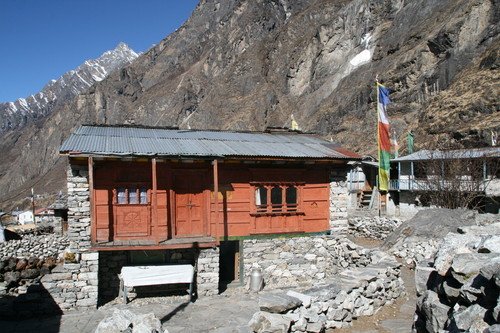
From Jubing, it is a seven-hour walk to Paiyun. You will go down to the Dudh Koshi River. The trail is mostly ups and downs. You will see mountain peaks such as Numbur, Pikey, etc along the way.
Accommodation: Guesthouse/ Lodge
Meals: Breakfast, Lunch, and Dinner
Today you will descend down to Surkhe village, which is an hour or so behind Lukla. From Surkhe, you will take a winding trail and arrive at Choplung. This is a point where the path from Lukla meets the main Everest Base Camp trail. After a few hours of gradual walking, you will reach your destination village of Phakding.
Accommodation: Guesthouse/ Lodge
Meals: Breakfast, Lunch, and Dinner
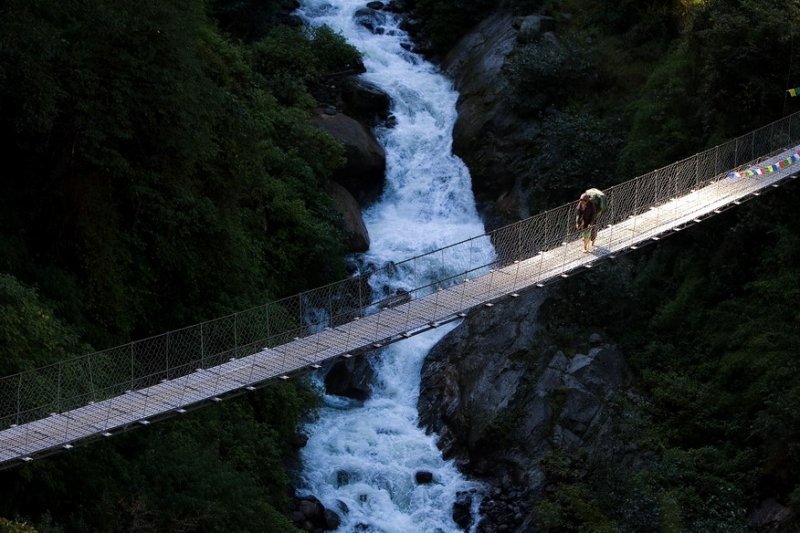
You will continue trekking along the banks of the Dudh Kosi, crossing this majestic river many times on exciting suspension bridges laden with prayer flags. After entering the Sagamartha National Park, the trail climbs steeply with breathtaking views. Namche Bazaar, known as the Gateway to Everest, is home to many quality restaurants, hotels, lodges, shops, money exchange, Internet cafes and a bakery.
Accommodation: Guesthouse/ Lodge
Meals: Breakfast, Lunch, and Dinner
Today you spend a day in Namche Bazaar in order to acclimatize and adjust to the thinning air. You will trek a short distance to a museum that is celebrated for its exhibits of the traditional customs of the Sherpa people. You also hike up the Syangboche Airport near the Everest View Hotel. From this point, you can see rewarding views of the Himalayas with a stunning sunrise and sunset over the panorama of Khumbu peaks.
Accommodation: Guesthouse/ Lodge
Meals: Breakfast, Lunch, and Dinner
The trek continues along the rushing glacial waters of the Dudh Kosi with magnificent views of the mountains. You’ll have trekked to an altitude of 3,860 m upon reaching Tengboche. Inside the Tengboche Monastery are incredibly ornate wall hangings, a 20-foot sculpture of Buddha, and the musical instruments and robes of the Lamas. Where, the group will be taken to observe a prayer ceremony either in the evening or in the morning depending on how the trekking goes this day.
Accommodation: Guesthouse/ Lodge
Meals: Breakfast, Lunch, and Dinner
From Tengboche, the trail drops to Debuche, crosses another exciting suspension bridge on the Imja Khola, and climbs to Pangboche amongst thousands of mani stones. Your uphill trek continues, taking you to the quaint traditional Sherpa village of Dingboche with its exquisite views of Lhotse, Island Peak, and Ama Dablam. You will take your time, so you avoid getting affected by the altitude.
Accommodation: Guesthouse/ Lodge
Meals: Breakfast, Lunch, and Dinner
This day is planned as acclimatization day. You don’t make progress towards Everest Base Camp. Instead you will take a hike to Nangkartshang peak just above Dingboche. The peak is an excellent view point. Especially of the gorgeous Ama Dablam. If weather is clear, you will get to see Ama Dablam from its summit to its feet. You can spend the afternoon strolling around the village or resting.
Accommodation: Guesthouse/ Lodge
Meals: Breakfast, Lunch, and Dinner
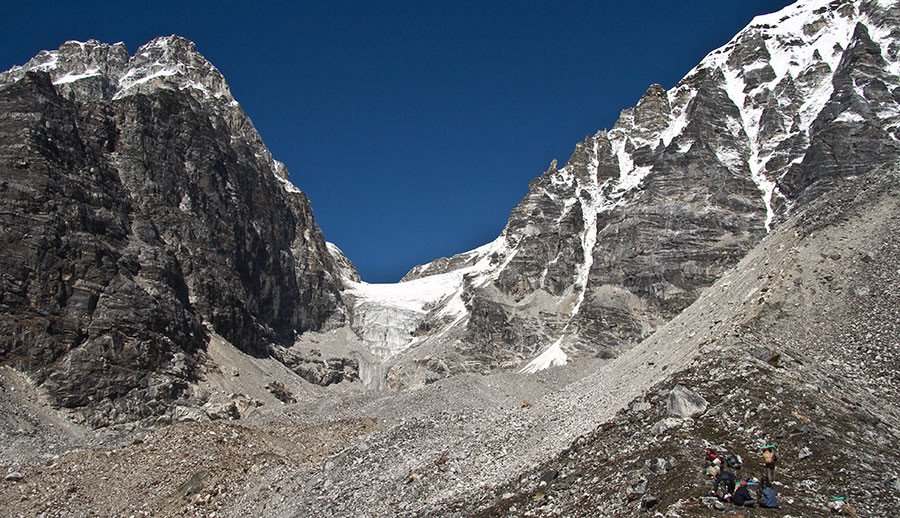
Today, the trail continues along the lateral moraine of the Khumbu Glacier and passes by stone memorials for climbers who have perished on nearby summits. You will continue to climb as you are heading to the village of Lobuche which is located at the foot of giant Lobuche peak. Some breathing problems may arise today due to the altitude.
Accommodation: Guesthouse/ Lodge
Meals: Breakfast, Lunch, and Dinner
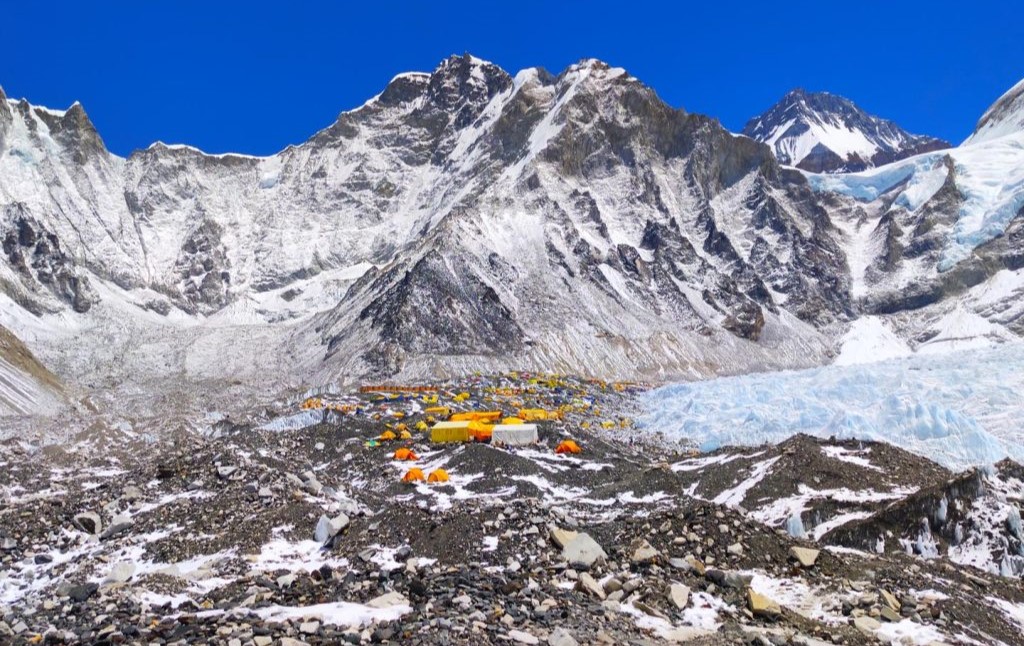
This is a big and difficult day walk along the Khumbu Glacier and up to Everest Base Camp at 5,364 m, the closest you can get to Mt. Everest without mountaineering equipment. Where, During spring, there will likely be expedition teams about to attempt the summit. The view of the Khumbu Icefall from Base Camp is spectacular. You return back to Gorak Shep for the night.
Accommodation: Guesthouse/ Lodge
Meals: Breakfast, Lunch, and Dinner
This will be one of the most difficult yet rewarding days of the trek. Most of the morning is spent climbing Mt. Kala Patthar, a small peak at 5,545 m. The ascent is demanding but the climber gets the most magnificent mountain panorama: Everest, the highest point on the planet at 8,848.86 m, towers directly ahead and on all sides loom the giants such as Nuptse, Pumori, Chagatse, Lhotse and countless others. Then you will make a quick descent to Gorak Shep and have hot breakfast, and then trek down to Pheriche.
Accommodation: Guesthouse/ Lodge
Meals: Breakfast, Lunch, and Dinner
Leaving the mountains behind you, your descent takes you through Pangboche and Tengboche before continuing to the town of Namche Bazaar. You arrive back to Namche in the afternoon.
Accommodation: Guesthouse/ Lodge
Meals: Breakfast, Lunch, and Dinner
At first you will walk down the last part which you climbed so hard on the day when we reached Namche Bazaar on the way up. Then it is an easy walk to Phakding where you will have your lunch. From this point, the trail slowly climbs towards Lukla. It is the gateway to Everest for those who choose to take flights.
Accommodation: Guesthouse/ Lodge
Meals: Breakfast, Lunch, and Dinner
You will start today’s walk by descending down to Surkhe. After Surkhe, the trail goes quite steep up to Cheubas. You will walk slightly upwards for some time and then you will take a mostly downhill trail to your destination village of Jubing.
Accommodation: Guesthouse/ Lodge
Meals: Breakfast, Lunch, and Dinner
You will hop onto a private tourist vehicle for your long drive to Kathmandu. You will take the dirt road until Salleri. It is bumpy in many places, so be prepared for it. From Salleri to Kathmandu, the road is paved with concrete. Once you Kathmandu, take a long rest in your comfy hotel room.
Accommodation: Guesthouse/ Lodge
Meals: Breakfast, Lunch, and Dinner
Thank you for joining us on this trek and it has been a pleasure getting to know you during this time. We hope this venture has enriched your experience with happy memories. You will be assisted in your last minute preparation. Our representative will take you to Tribhuvan International Airport three hours before your scheduled flight. Bon voyage for a safe and pleasant trip home. Safe Journey!! We hope to see you again.
Meals: Breakfast
Everest Base Camp Trek - 17-Days Cost Details
Cost Includes
- Standard twin-sharing/double accommodation in a 3-star hotel for 2 nights in Kathmandu including breakfast
- Twin-sharing guesthouse accommodation during the trek for 11 nights with attached bathrooms in Lukla, Phakding & Namche.
- All your standard meals during the trek (Breakfasts, Lunches and Dinners) including a hot water, tea or coffee.
- Fresh seasonal fruits each day after dinner during the trek.
- Purified drinking water during the trek using Water Filter or water purification tablets.
- All private ground transportation including airport transfers
- Sagarmatha National Park Permit Fees and Khumbu Pasang Lhamu Rural Municipality Entry Fee
- Experienced English speaking local trekking guide
- Assistant guide to client ratio for personalized attention and support
- 1 porter for every 2 trekkers: Porterage of your duffel bag (15kgs)
- Duffle bag for porter use (1 duffel bag per trekker)
- Comprehensive first aid kit with high altitude medicine
- Staffs salary, food, equipment, and insurance, included on-trip cost
- Official expense, all local and government tax and VAT.
- Sleeping bag if needed (it is refundable)
- A farewell dinner on the last night in Nepal.
Cost Excludes
- International flight tickets and Nepal entry visa fee
- Lunch and Dinner in Kathmandu during stay
- Disembarkation Airport Tax in Nepal - approx. US$ 24. al equipment
- Personal hiking equipment
- Personal expenses. Additional expenses due to unforeseen circumstances such as other events beyond control.
- Drinks except tea and coffee. (Bar Bill, laundry and telephone calls.)
- Travel Insurance: Liability of insurance against any kind of medical expenses etc.)
- Emergency rescue evacuation if needed
- Tips for treks guide and porter (it is appreciated)
17-Days Trip Cost Details
- The trip cost always depends on group size, hotel accommodation category and client’s desire budget
- The included itinerary is a guideline and standard pattern which AlpineTrav you. This trip itinerary can be modified according to your time and requirements
- The itinerary shall be changed after an understanding between both AlpineTrav and the client. Additional activities could be either added or reduced as per client’s request before the trip confirmation
- Price shall be adjusted in our mutual understanding, if the client intends to add some services we shall charge him/ her for those additional services and if he/she intends to lessen some services, we shall wave the charges accordingly
- The Everest Base Camp Trek without Lukla flight itinerary has been published in 3-star hotel and tea house/lodge services for better understanding of the customers.
Please contact us on WhatsApp: +9779860751012 for any information about in your selected package.
Useful Info
Please take care to note: Every effort will be made to keep to the above itinerary; however, since this adventure entails traveling in remote mountainous regions, we cannot guarantee that we will not deviate from it. Weather, the health condition of a group member, unexpected natural disasters, etc., can all contribute to changes in the itinerary. The trek guide will try to ensure that the trip runs according to plan, but please be prepared to be flexible if required.
Accommodation during the trek
Comfortable Stays in Cities and on the Trail Your comfort is our priority, whether in the bustling city or the serene mountains: In Kathmandu: Stay at Hotel Moonlight or a similar hotel, offering modern amenities for a relaxing experience(Room Arrangement: are on a twin-sharing basis, and during the trek stay in teahouse/lodge, known for their warmth and hospitality.
Accommodation at during trek: Twin-sharing accommodation with private bathroom at Phakding, Namche Bazaar and Lukla – Then – Twin-sharing accommodation with shared bathroom at other places
Meals During the Trek
During the trek, meals are typically served in teahouses, offering a variety of Nepali and international dishes. Which you can enjoy authentic Nepalese food as well the more common international cuisine (Tibetan, Continental, Italian, Indian, etc.).
- Breakfast and Dinner (On OPEN/CHOICE Menu) Served at the teahouse where you will spend the night.
- Lunch: Provided en route to the next destination, offering flexibility to enjoy the day’s journey.
- Special Touch: Breakfasts are provided your stay in Kathmandu you will also enjoy a specially prepared farewell dinner to celebrate the end of the trek.
Typical day on during the trek
Daily wake up calls will be between 6.00 am to 7.00 am while on the trek. The wake-up time and breakfast time will be decided a night before during the briefing time. The time table for each day will entirely depend on your walking duration for that particular day.
After breakfast, you set off on the day’s walk. Before breakfast, you are required to pack your duffel bag as it will be loaded by the porter while you are having your breakfast. Then you few hrs walkimg and you will stop for lunch mid-day. The afternoon’s walk is generally shorter and you’ll usually arrive at your destination in time for afternoon tea.
FAQs Related to Everest Base Camp without flight Trek
The best seasons to trek Everest base camp by road are autumn (Mid-September to November) and spring (March to early June). This trek is possible year-round, and we can organize it when it suits your schedule. However, we generally suggest doing this trek in the favorable seasons and keep away from rainstorm season (July and August). In cold months of January and February, the temperature can be a little harsh in the mountains.
However, some prefer to travel during these months as it is less crowded given that you are well prepared with appropriate winter wear and other gears.
Due to its tendency to be localized, the weather in the Everest region is challenging to forecast. You could see rain, fog, cold, or hot and sunny weather while trekking. It is best to be equipped to handle various weather situations. In the Everest region, nighttime temperatures are significantly lower than midday temperatures. In less than a day, the temperature can change from a high of 25°C (77°F) to a low of – 20°C (-4°F). The weather and temperature ranges are typically predictable based on the month and season, even though it might be challenging to predict what each day in the mountains will bring.
Spring – March/April/May/June: – Despite being the busiest season, spring is perhaps the best time to visit the Everest region. Activities assisting the expedition teams take place in Everest Base Camp. The many varieties of blossoming trees should be visible, and the sky should be clear with stunning vistas. During springtime, the average temperature is 20°C (68°F), with a high of 25°C (77°F) during clear days and a low of – 15°C (5°F) overnight above 4000 meters.
Monsoon season – July/August through Mid-September: – Since it rains heavily at elevations below 3500 meters, this season isn’t exactly ideal for travel in the Everest region. While it can occasionally be dry in areas above 4000 meters, it frequently rains so therefore not many people travel during this season. Trekking during the monsoon season has some advantages, such as a greater possibility of seeing waterfalls and the best opportunity to escape crowds. During the monsoon, the average temperature is 22°C (71.6°F), with a high of 30°C (86°F) during clear days and a low of- 5°C (23°F) overnight above 4000 meters.
Autumn – End of September/October/November: – In the Everest region, autumn is equally as busy as spring. It is one of the best times to go, too. While the plants and trees are not in bloom, the sky is often clear, offering breathtaking vistas from almost every viewpoint. The average temperature in autumn is 17°C (62.6°F), with a high of 20°C (68°F) during clear days and a low of – 15°C (5°F) overnight above 4000 meters.
Winter – December/January/February: – Due to fewer tourists, some people like winter travel. Even while the views are still beautiful, it can be cloudy, thus adding extra days is highly advised during this time. The average temperature is 10°C (50°F), with a high of 17°C (62.6°F) during clear days and a low of – 20°C (- 4°F) overnight above 4000 meters. The teahouses provide extra blankets for warmth at night.
Yes, you can obtain a Nepal visa upon your arrival at the airport. There are kiosks in the arrival hall that you use to complete the necessary forms. The cost is USD 30 for a 15-day tourist visa, including numerous entries, or USD 50 and USD 125 for a 30-day or 90-day tourist visa including numerous entries respectively. You should carry cash (USD) with you to pay your visa fees quickly and easily, as digital payments are frequently unavailable.
To save time, we recommend filling out the online visa application form in advance. Applying online 2 weeks before your arrival will expedite the process at the airport. For detailed guidelines, please refer to our blog titled Guidelines for Online Tourist Visa Form in Nepal.
Our staff will be waiting for you outside the airport terminal with a paper or signboard with your name on it. You will be taken to the hotel in a private tourist vehicle.
Typically, USD 15 to 20 per person per day will be sufficient. This is to purchase water, tea/espresso, snacks, and hot showers in the mountains and for lunch or dinner in Kathmandu. Additionally, if you want to buy souvenirs or native Nepali goods, you can bring extra cash with you.
Nepalese Rupees cash is preferred to a credit card while trekking in the mountain region. Exchanging your cash into Nepali Rupees in Kathmandu before the beginning of the trek is ideal. This can be accomplished at the airport, at banks, or at your hotel. Please note the hotels will exchange up to about USD 100 for each transaction only. There are ATMs up to Namche Bazaar but can be unreliable. The currency exchange rate is better in Kathmandu.
There are ATM and money exchange facilities almost every few meters in Thamel, where you will be staying in Kathmandu. So, you can easily use your cards to cash out limited sum of money to which a minimum charge is deducted by the ATM facility itself. You can easily exchange your foreign currencies in currency exchange centers for an exact rate.
Previous trekking experience is not required if you are physically healthy and have enough enthusiasm for the trek.
Our treks have no age restrictions if members are healthy and willing. We have had families with kids as young as 5 years do the treks along this region, and our oldest adventurers have been in their late 70s.
It is safe for a female to trek alone in Nepal. Nepal is usually regarded as a safe nation for female visitors traveling alone. It is entirely safe for a solo woman to trek with AlpineTrav Treks & Expeditions on any of our treks.
The Everest Base Camp Drive in Drive out Trek is somewhat challenging due to the altitude and long duration of the trek. It is a strenuous journey that comprises walking 5 to 8 hours a day. Find more details here: How difficult is Everest Base Camp Trek?
The average walking speed for a reasonably fit person is 4 kilometers per hour. At higher elevations, it is highly recommended that you walk slowly to help with acclimatization.
For trekking, you must prepare your body to walk over uneven, hilly landscapes while carrying a backpack. Walking at an incline, jogging, cycling, and going for long-distance hikes are all good ways to exercise. You should work out for at least one hour four to five times a week for at least two months before trekking.
Participants in good physical condition should be able to complete this trek. If you are not physically active, we advise starting an exercise regimen two months before the trek that includes at least an hour of walking at an incline, running, or biking four to five times a week. Because, incorporating hiking into your workouts is ideal. It is advised to speak with a doctor before making travel arrangements if you have any health conditions that could affect your ability to complete the trek.
Travel insurance is mandatory for our hiking itineraries. We require your policy have medical evacuation coverage for the maximum elevation of your itinerary. Insurance may also cover additional costs in the event of a flight delay or cancellation caused by bad weather, medical costs, theft, loss, and damage to your items while traveling.
Travel insurance can be obtained online by one of several travel insurance companies. Please note that insurance obtained from an airline at the time of booking your flight may not cover medical evacuation coverage.
The following information will give you some ideas on what to bring for a hike. It is important not to forget the essential items, as this will determine your comfort and safety on the hike. Equally important is that you do not burden yourself with unnecessary equipment on the hike. That is why we have listed some below.
General
- All season sleeping bag and down Jacket
- Duffle bag
- A wind and waterproof thin layered jacket
- Daypack
Upper Body- Head / Ears / Eyewear
- A pair of half gloves
- A warmer hat that covers the ears
- Sunglasses
- Neckwarmer
- Sunscreen (35 to 60 SPF)
- Headlamp and an extra set of batteries
Hands
- A pair of half gloves for walking poles(if you prefer)
- Warmer shell gloves and liner
Upper Body
- long sleeve t-shirts
- Thermal tops
- wool jacket or pullover
- Sports bras for women and girls
- Water and windproof shell jacket
Lower Body
- Thermal underwear (especially trousers)
- windproof and waterproof trousers
- warmer trousers
- Comfortable trekking pants
- Extra casual sport pants
Footwear
- A pair of good waterproof trekking boots
- Pair of sandals
- 4-5 pairs of woolen socks
- Sock liners
- Light shoes and sneakers
- First Aid Kits and Medicines
- Assorted adhesive bandages (fabric preferred)
- Blister treatment cream or similar
- Insect / anti-itch ointment
- Ibuprofen or other pain-relief medication
- Diamox (125mg to 250mg tablets for altitude sickness)
- Warps, splints, and wound coverings butterfly bandage
- Water purifying pills
(Note that our guide will carry medicine and first aid kit during the trek. However, we recommend that you bring your own personal first aid kit as well)
Miscellaneous – but must useful on the trek
- 4 passport size photos with original passport
- Water bottle & filter
- Flight details
- Bathroom kit (conform, should be included toilet paper, plastic bags, hand wipes, towel, and soap, etc.)
Extra things
- Comfortable trekking poles
- Quality energy dry foods (up to you)
- Power bank and music players
- Camera (memory card, chargers, and extra batteries)
 Nepal
Nepal