

Trip Info
-
Min 2 Max 12
-
Grade: Challenging
-
Sept-Nov, Mar-May
-
Max. 5,160m/16,930ft
-
Duration: 12 Days
-
4WD Private Jeep
-
Teahouse/ Lodge
-
All meals are included.
<strong>Who we are</strong> Our website address is: <a href="http://www.alpinetrav.com" target="_new" rel="noopener">http://www.alpinetrav.com</a>. <hr /> <strong>What personal data we collect and why we collect it</strong> <h3>Plugin Data Collection and Compliance</h3> This website uses plugins that may store personal information. These plugins comply with GDPR regulations and are designed to manage and protect your data securely. Below are details on what data may be collected and why: <ol> <li><strong>Contact Forms</strong> <ul> <li>When you use contact forms, the plugin may collect your name, email, and other necessary details to provide responses to your inquiries.</li> <li>This data is stored to enable us to respond to your messages effectively and is retained only as long as necessary for communication.</li> </ul> </li> <li><strong>Comments and Spam Detection</strong> <ul> <li>Comments on the site collect data shown in the form, as well as the visitor’s IP address and browser user agent string to assist in spam detection.</li> <li>This data may also be shared with an automated spam detection service.</li> </ul> </li> <li><strong>Cookies and Data Storage</strong> <ul> <li>Some plugins may set cookies to improve user experience, such as storing login information or remembering preferences. These cookies comply with GDPR standards and expire after a set period or upon logging out.</li> <li>Cookies specifically used by these plugins do not collect personal data unless explicitly mentioned.</li> </ul> </li> <li><strong>Embedded Content</strong> <ul> <li>Embedded content from third-party websites may behave as if the visitor has visited those external websites. These third-party sites might collect data and track your interaction as per their policies.</li> </ul> </li> <li><strong>Analytics</strong> <ul> <li>Some plugins may collect anonymous analytics to improve site performance. However, no personal information is stored unless explicitly noted, and all data complies with GDPR standards.</li> </ul> </li> </ol> <h3>How Long We Retain Your Data</h3> The collected data is stored only as long as necessary for the intended purposes, such as for communication or to improve the site experience. This may vary based on the plugin and specific regulatory requirements. <h3>What Rights You Have Over Your Data</h3> Under GDPR, you have the right to: <ul> <li>Access: Request a copy of the personal data we hold.</li> <li>Rectification: Correct any data we hold about you that is incorrect.</li> <li>Erasure: Request the deletion of your data, provided it is no longer necessary for regulatory or operational purposes.</li> </ul> For requests, please contact us using the information in our Contact section below. <hr /> <strong>Where We Send Your Data</strong> Visitor comments may be checked through an automated spam detection service. Some plugins may also send anonymized data to third parties as part of analytics or performance monitoring. <strong>How We Protect Your Data</strong> All data managed by this website and its plugins is stored securely. We ensure our plugins meet industry standards for encryption and data protection. We also regularly update our website to prevent unauthorized access.
Manaslu Larke Pass Trek Highlights
- Trek the stunning off-the-beaten Manaslu Larkya La Pass to get closer to the eighth-highest mountain in the world, Mount Manaslu.
- Experience the friendly people and a rich culture that includes Nepalese and Tibetan ethnic groups.
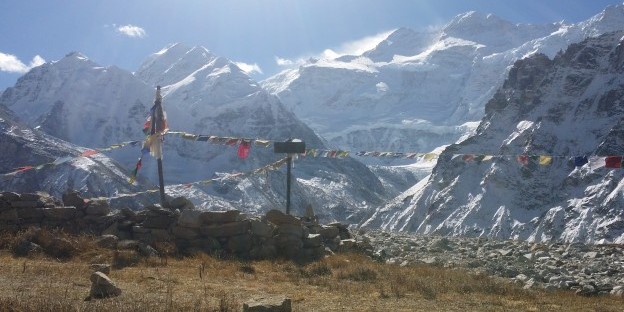
- Hike to the trek’s highest point at Larkya La Pass, which is 5,167 m high. From there, you can enjoy a stunning view of the Manaslu region.
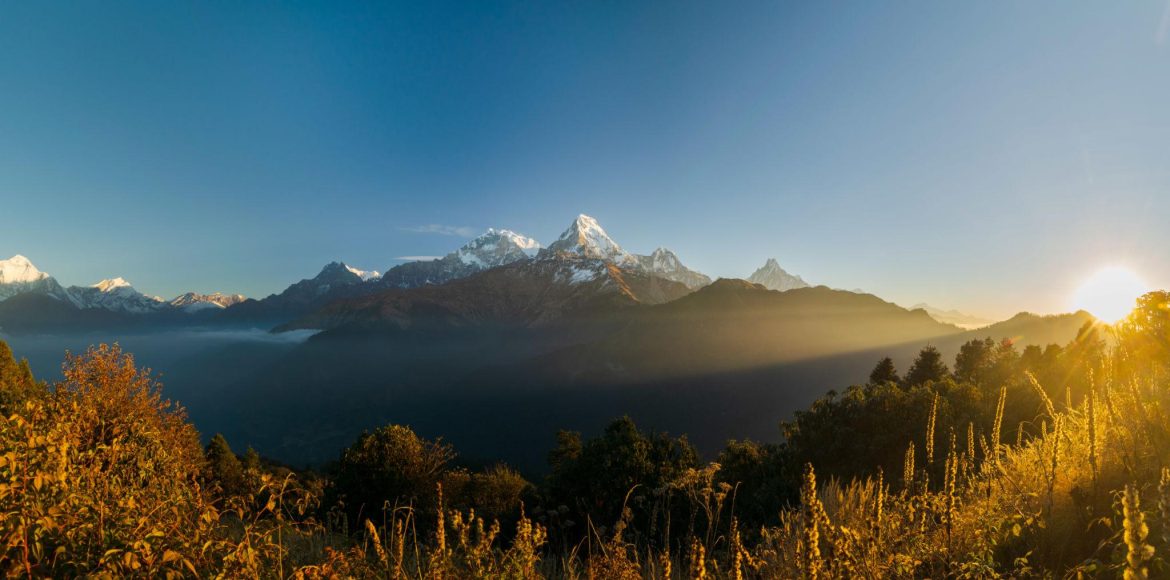
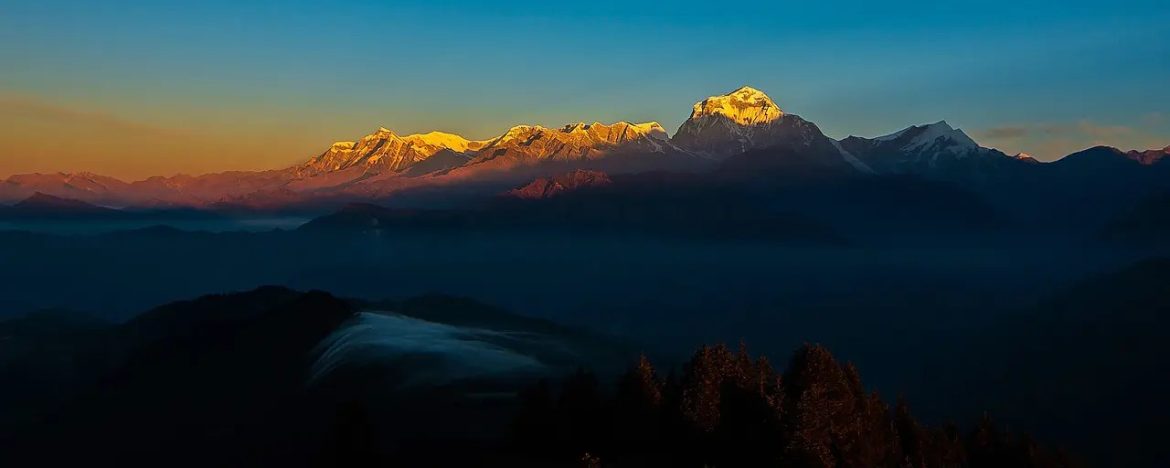
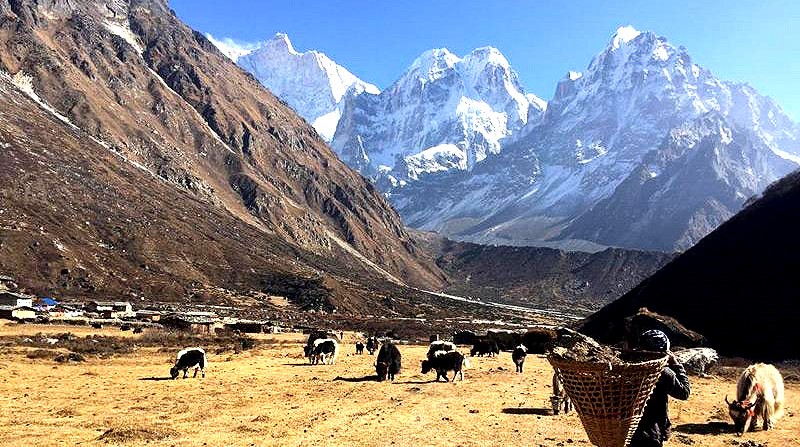
- Enjoy breathtaking views of some of the world’s tallest mountains: Mt. Manaslu (8,163m), Himlung Himal, Annapurna II, and more.
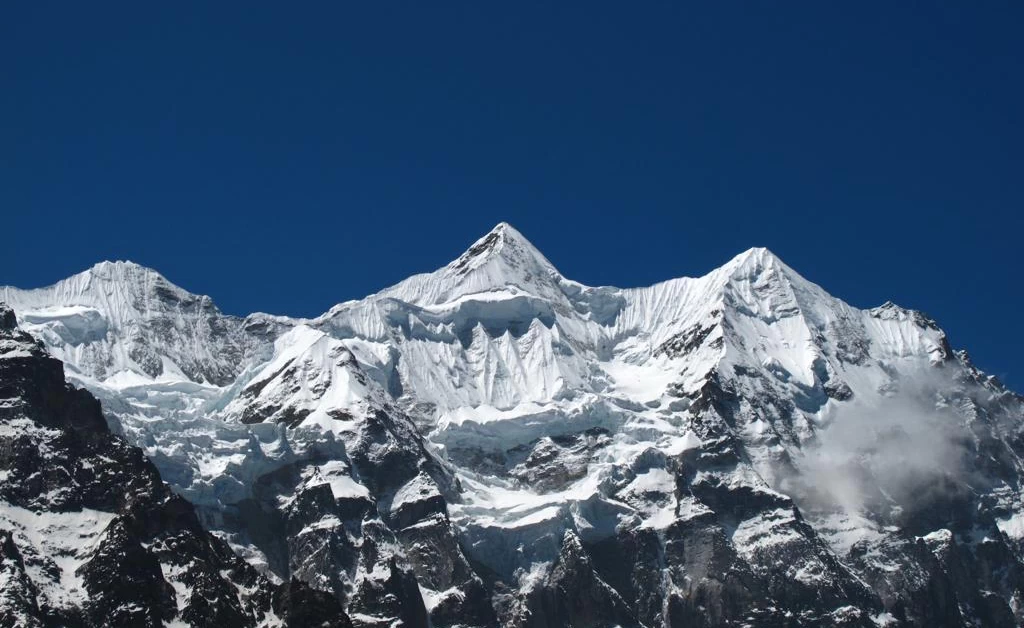
- Experience stunning snowy peaks like Himlung Himal, Cheo Himal, Nemjung, Gyaji Kang, and Kang Guru, with flowing glaciers.
- Get a glimpse of diverse wildlife, including endangered species like snow leopard, red panda, and Himalayan Tahr.
12-days Manaslu Circuit Trek is a classic off-the-beaten trek in Nepal. It features pure wilderness and majestic beauty as it circles the eighth-highest mountain in the world. It features off-the-beaten-path routes, high mountain passes, stunning views, and a rich diversity of cultural and geographical experiences. The sublime experiences you enjoy in the Manaslu region are unlike any other you’d ever imagine!
The 12-days Manaslu Circuit trek offers a challenging journey through the stunning Himalayan region, testing the mind, body, and soul. The area’s rich biological diversity and the unique culture of the local people, who share connections with Tibet, are captivating. Travelers can experience ancient traditions and intriguing history.
Despite the harsh trail conditions, the trekking experience in the destination is rewarding overall. But getting to it can be challenging. The paths are rocky and steep, and trekkers encounter shaky bridges and slippery rocks en route. This is all part of the adventure of exploring the wild. The trek through Manaslu circuit is a lifetime opportunity to experience stunning natural beauty and engage in unique cultures and traditions.
Delve into the off-beaten path of the Manaslu Circuit Trek and soak in panoramic views, conquer high mountain pass, and immerse yourself in diverse cultural and geographical experiences. Our 12-day Manaslu Circuit trek covers all the major highlights of the region while ensuring proper rest and acclimatization.
The trail passes through beautiful forests, traditional villages, and wide mountain valleys with great views of Manaslu and other peaks. You have planned rest and acclimatization day to ensure your bodies adjust to the altitude, where you will stay Samagaon for one night before ascending to higher elevations.
From Samagaon, the trail gets more remote as you head to Samdo and then to Larkya Base Camp. The crossing of Larkya Pass is one of the most challenging but rewarding days, offering stunning views before dropping down to Bhimthang.
After crossing Larkya Pass, the trail gradually descends through green forests and smaller villages until you reach the road at Dharapani.
Customize Your Manaslu Larke Pass Trek:
- This is a general itinerary, which can always individually be “tailormade”. The Manaslu Larke Pass trek package can be redesigned or redeveloped as per your taste, For more information please contact us.
12 Days Itinerary of Manaslu Larke Pass Trek
Today, you begin your trek to Manaslu. Since the road extends far beyond Soti Khola, it is recommended to go straight to Machha Khola. You will drive through the towns of Arughat and Soti Khola on the long, dusty journey from Kathmandu to Machha Khola.
On the banks of Machha Khola is the Budhi Gandaki River, which acts as your companion and guide in the Manaslu Valley and whose source you will eventually touch as you climb to the Larkya La Crossing. Overnight at Machha Khola.
Accommodation: Teahouse/ Lodge
Meals: Lunch and Dinner
The adventure begins after a hearty breakfast. You will cross a suspension bridge that connects the route to the Budhigandaki River's shore. The pathway wound through a deep valley with cliffs. You will pass through a few small towns inhabited by the Gurung and Magar tribes.
You will stop for lunch in Dovan, near the confluence of Budhigandaki and Dovan Khola. The tranquil settlement of Jagat serves as the region's entry point. The Gurung tribe, which has a rich culture, heritage, and customs, can be seen here. Overnight at teahouse in a Jagat
Accommodation: Teahouse/ Lodge
Meals: Breakfast, Lunch and Dinner
Today, you will ascend a rugged hill to Salleri before descending to Sirdibas on this day's journey. The basin widens as the path climb to Ghatta Khola. You continue upstream to Philim, a large Gurung settlement with a large suspension bridge. Following a reasonably flat path through millet fields to Ekle Bhatti, the pathway takes a sharp turn to the north just above the community's lowest dwelling.
The trail now descends into a deserted canyon. You will now proceed to the meadow terrain slopes, crossing the Budhi Gandaki, then following the western banks for a while before returning via the east bank. As you continue down the route, the valley expands, and you pass through bamboo groves before arriving at the Deng Khola. After crossing the Khola, you arrive at the small settlement of Deng. Overnight at Deng
Accommodation: Teahouse/ Lodge
Meals: Breakfast, Lunch and Dinner
After breakfast in Deng, you'll begin one of the most important and culturally significant sections of the trek. Cross the Budhi Gandaki and walk up to the bridges, from which you continue climbing to connect a route from Bihi.
Then turn west and ascend the valley, passing through verdant forests, alpine plants, charming ethnic groups, and tall peaks beginning to appear in the distance. Prok village provides breathtaking views of the snow-covered Siringi Himal. Walking further passing through Ghap, you will reach another settlement of Namrung. Overnight at Namrung
Accommodation: Teahouse/ Lodge
Meals: Breakfast, Lunch and Dinner
From Namrung, enjoy breathtaking mountain views as the valley unfolds before you. The temperate forests gradually give way as the pathway ascends higher, the rich greens of the lowland valley giving way to the faded browns and grays of its Himalayan topography, and the bright blue skies are experienced at altitude.
You arrive in Lho, a picturesque settlement with a magnificent view of Manaslu and the tranquil Rebung Gompa monastery perched close to a mountain. You may as well encounter a few yak caravans transporting the timbers while walking through the forest until Shyala. Overnight at Shyala.
Accommodation: Teahouse/ Lodge
Meals: Breakfast, Lunch and Dinner
Today, you will visit the Pungen Gompa carrying out a packed lunch. The drainage slopes of the Pungen glacier cross as you continue on the route until you reach the pleasant flat region inhabited by the charming settlement of Sama Gaon.
During the Manaslu climbing expedition season, Sama Gaon, the closest accommodation to the Manaslu Base Camp and appropriately positioned homes with lovely courtyards and pastures on both sides of the village, is active. Overnight at Sama Gaon.
Accommodation: Teahouse/ Lodge
Meals: Breakfast, Lunch and Dinner
Sama Gaon is your resting place for the day, and your bodies adjust to the altitude. The village offers a variety of day excursions, such as a short hike to the nearby Birendra Tal (lake), the incredibly rewarding and dramatic hiking to Manaslu Base Camp, or an alternative walk to Pungen Gompa and its peaceful setting amid the mountains.
Accommodation: Teahouse/ Lodge
Meals: Breakfast, Lunch and Dinner
Today, the route to the settlement of Samdo makes a northerly bend along the upper reaches of the Budhi Gandaki River. Ascending gradually, you reach the town of Samdo after passing past the confluence of the Larke River and the river created by the Samdo Glacier, which is also the source of the torrent Budhi Gandaki.
Before that, on our left and in front of the point where we diverge from the route to Manaslu Base Camp, you walk through the lovely Kermo Kharka juniper and birch forests. You continue across wooden bridges and ascend steeply towards the Samdo, where you can see a huge white Kani. You get to your destination after the Kani. Overnight at Samdo.
Accommodation: Teahouse/ Lodge
Meals: Breakfast, Lunch and Dinner
Today, your hiking journey from Samdo to Dharamshala is relatively short. You follow the path as it passes through the Athahra Saya and Larke rivers. As you travel along the route, you gently ascend, passing through Taka Choeling Gumba with views of Naike and Pangboche Peak. You cross a bridge, walk through the Mani walls with stone houses, and then turn left to reach Larkya Bazaar, a small town with lodging.
You arrive at Dharamshala or Larke Phedi, the highest point before the Larke Pass, where buildings and tents can be erected. You may see lichened stones, grazing pasture, beautiful trees, and the Syacha Glacier along the way. Overnight at Dharamshala.
Accommodation: Teahouse/ Lodge
Meals: Breakfast, Lunch and Dinner
Prepare for a physically demanding day as you travel to Bhimtang via the Larkey La Pass (5160m). You began your long walk early this morning. You arrive at the northern end of the Larkya Glacier after a short ascent and enter a valley with breathtaking views of Cho Danda and Larkya Peak.
You continue marching through the moraines, first slowly and then more steeply toward the end of the Larkey-La pass. The pass's summit offers views of Samdo Peak and other peaks bordering Tibet, the Larkya Peak to the south, the Annapurna area and several other mountains, and Annapurna II to the west.
Accommodation: Teahouse/ Lodge
Meals: Breakfast, Lunch and Dinner
Today, you leave Bhimthang through yak meadows to the first signs of the Dudh Khola's sources trickling down the hill, with views of Manaslu and Annapurna to your left and right, respectively.
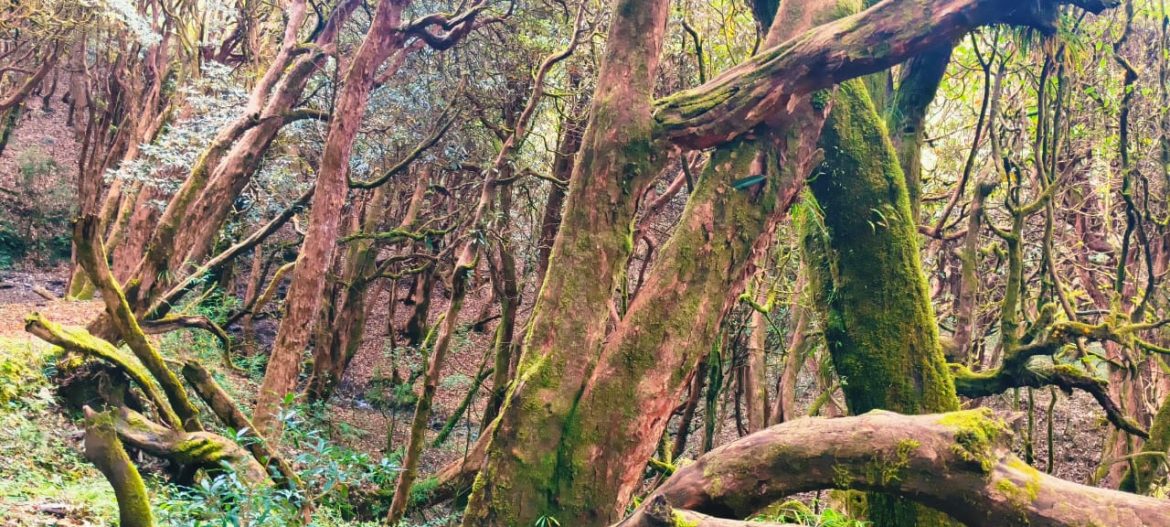
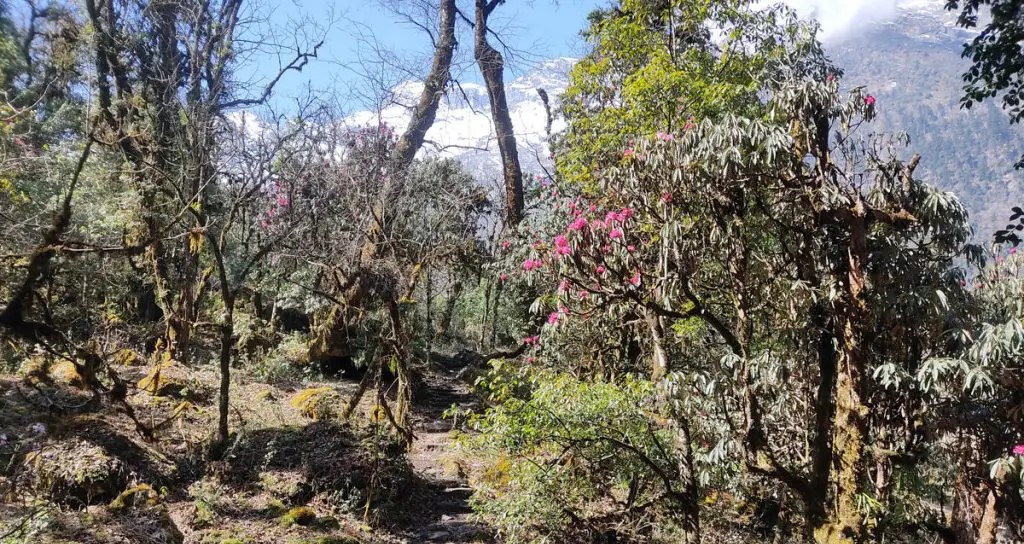
After crossing a bridge, you gradually leave the alpine temperature behind as you descend through well-known rhododendron woods to a small valley with lush greenery and patchwork crops.
You arrive in Tilje, a small and charming town, before ascending to Dharapani, the main hiking junction in the area and a modern starting point for trekkers embarking on the Annapurna Circuit too.
Accommodation: Teahouse/ Lodge
Meals: Breakfast, Lunch and Dinner
After breakfast in the early morning, you board a jeep from Dharapani and travel to either Kathmandu. The drive will take more or less 8 to 9 hours. After arriving in Kathmandu, you will get your backpacks and move toward your hotel or hostel.
If you want to extend your vacation and explore more of Nepal, we have many trekking options and tour packages. Just let us know we'll set your itinerary based on your preference, interests, and time duration.
Meals: Breakfast and Lunch
Manaslu Larke Pass Trek - 12 Days Cost Details
Cost Includes
- Pickup and drop service during both international and domestic flight
- Kathmandu - Machha Khola- Dharapani - Kathmandu (Private Jeep)
- 3 meals (Breakfast, Lunch and Dinner) with Tea/Coffee
- Twin-sharing accommodation at clean and cozy Teahouse/lodge
- All required permits for the trek (Special permit, MCAP & ACAP)
- Experienced local trek guide with a 1:4 assistant guide-to-client ratio
- Full support crew with one porter for every two trekkers
- Duffle bag for porter use (1 duffel bag per trekker)
- Comprehensive first aid kit with high altitude medicine
- Trekking Area Map, and Water Purifications Tablet
- Guide, Porter salary, food, equipment, and insurance, including on-trip cost
- Official expense, all local and government tax and VAT.
- Sleeping bag if needed (it is refundable)
- Farewell dinner in Kathmandu after the trekking
Cost Excludes
- International flight tickets and Nepal entry visa fee
- Lunch, Dinner and Hotel in Kathmandu during stay
- Disembarkation Airport Tax in Nepal - approx. US$ 24. al equipment
- Personal hiking equipment
- Personal expenses. Additional expenses due to unforeseen circumstances such as other events beyond control.
- Drinks except tea and coffee. (Bar Bill, laundry and telephone calls.)
- Travel Insurance: Liability of insurance against any kind of medical expenses etc.)
- Emergency rescue evacuation if needed
- Tips for treks guide and porter (it is appreciated)
12-Days Trip Cost Details
- The trip cost always depends on group size, hotel accommodation category and client’s desire budget
- The included itinerary is a guideline and standard pattern which AlpineTrav you. This trip itinerary can be modified according to your time and requirements
- The itinerary shall be changed after an understanding between both AlpineTrav and the client. Additional activities could be either added or reduced as per client’s request before the trip confirmation
- Price shall be adjusted in our mutual understanding, if the client intends to add some services we shall charge him/ her for those additional services and if he/she intends to lessen some services, we shall wave the charges accordingly
- The Manaslu Larke Pass Trek itinerary has been published in 3-star hotel and tea house/lodge services for better understanding of the customers.
Please contact us on WhatsApp: +9779860751012 for any information about in your selected package.
Useful Info
Please take care to note: Every effort will be made to keep to the above itinerary; however, since this adventure entails traveling in remote mountainous regions, we cannot guarantee that we will not deviate from it. Weather, the health condition of a group member, unexpected natural disasters, etc., can all contribute to changes in the itinerary. The trek guide will try to ensure that the trip runs according to plan, but please be prepared to be flexible if required.
Accommodation & Meals at Manaslu During the Trek
Accommodation along the trekking route includes teahouses and lodges, providing basic amenities for trekkers. It’s advisable to carry a sleeping bag and other essentials for a comfortable stay, and meals are typically served in teahouses, offering a variety of Nepali and international dishes. Which you can enjoy authentic Nepalese food as well the more common international cuisine (Tibetan, Continental, Italian, Indian, etc.).
- Breakfast and Dinner (On OPEN/CHOICE Menu) Served at the teahouse where you will spend the night.
- Lunch: Provided en route to the next destination, offering flexibility to enjoy the day’s journey.
- Special Touch: Breakfasts are provided your stay in Kathmandu, you will also enjoy a specially prepared farewell dinner to celebrate the end of the trek
Larkya La Pass: The Highest and Most Demanding Point
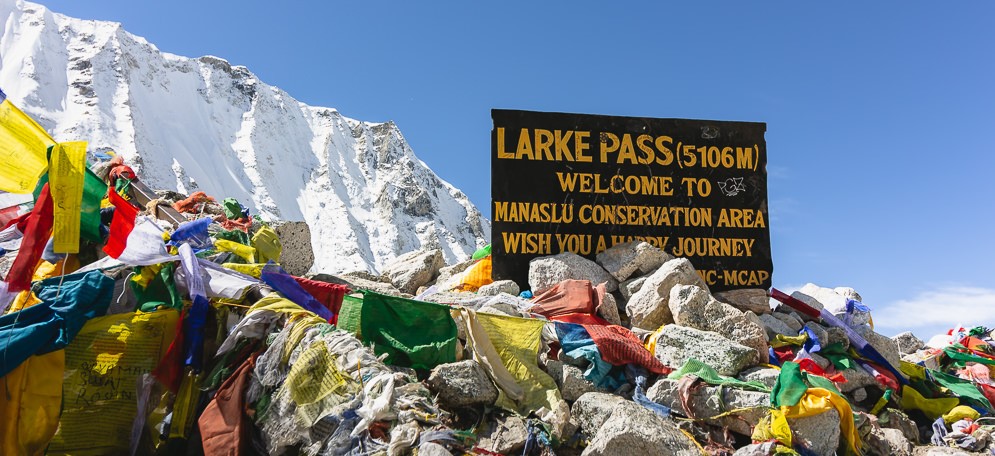
Manaslu Larke Pass trek reaches its highest point at Larkya La Pass (5,106 meters). The ascent to this thrilling high pass demands significant physical strength and strong mental capability. The navigation of the pass begins at early daybreak to skip strong afternoon winds and unstable weather.
You will face a demanding day of traversing glacial moraines, icy patches and rugged terrain. Thegradual ascent and proper acclimatization become essential since the altitude-related fatigue and illness can prevail.
Despite being demanding, the trekkers who succeed in reaching it will enjoy extraordinary panoramic views of Himlung Himal, Cheo Himal, Kang Guru, and Annapurna II.
Wildlife Sightseeing & Photography Opportunities
The Manaslu Larke Pass Trek is a visual masterpiece for nature enthusiasts, wildlife lovers and photographers who visit the area. So, The region features rugged valleys, high-altitude meadows and remote slopes which provide a habitat for Himalayan thar and blue sheep. You can spot them grazing on steep cliffs. The rare and elusive snow leopard might be spotted in the higher reaches. Likewise, the different species of Himalayan birds such as sunbirds, eagles and pheasants, create a colorful display that enhances the beauty of the area and is an amazing treat to the birdwatchers.
The Manaslu region provides photographers with exceptional possibilities of capturing the snow-capped peaks during early morning and late afternoon. The other themes to photograph are traditional villages, colorful prayer-flags, monasteries, teahouses and wide mountain amphitheaters which present visually amazing artistic scenes. Overall, the Manaslu Circuit trek provides nature photographers and wildlife enthusiasts with an incredible experience of a truly immersive visual journey.
How difficult is the Manaslu Larke Pass Trek?
The Manaslu Larke Pass trek is challenging due to its longer duration of trekking days and a maximum elevation of 5,160m/16,930ft at Larkya La Pass. The daily average walking hour is 6-7 hours. Unlike other famous trekking regions of Nepal, Manaslu is still considered off the beaten path, so a basic sense of adventure is required on this trek. Previous trekking experience is not required, but you must be fit and comfortable walking 6-7 hours daily carrying your day pack. There are some factors of trek that make Manaslu Larke Pass Trek hard, and they are:
High Altitude – Manaslu Larke Pass Trek is one of the toughest high-altitude treks of Nepal. The trekkers have to reach an elevation of 5,106 m, which invites altitude sickness. Altitude sickness poses a significant risk for those trekking the Manaslu Larke Pass, particularly at high elevations like Larke La Pass (5,106 meters). Symptoms often start mild—headaches, fatigue, insomnia, and nausea—but can escalate to more severe issues like vomiting, confusion, and dizziness. The most severe form, high-altitude cerebral edema (HACE), is life-threatening and can occur in trekkers with acute mountain sickness at high altitudes. Proper attention to symptoms is crucial to prevent serious consequences.
Long Distance and Duration: – Another factor in the difficulty of the Manaslu Larke Pass trek is the long distance and duration. The average duration of this trek is about 12 days and can be extended up to 16 days. Each day, trekkers have to trek for six to seven hours. The long distance and duration of the trek can take a huge toll on the physicality of the trekkers. Hence, this is why trekkers must be physically fit and start preparing months before the trek.
Harsh weather conditions – Another difficulty for trekkers on a journey to Manaslu Larke Pass Trek is the dynamic weather conditions, especially at high altitudes. The weather constantly changes from sunshine to winds to snow. The temperature increases during the day but falls below freezing at night, making it tougher for trekkers to cover more distance.
Remoteness – Manaslu Larke Pass Trek is one of the remote trekking destinations in Nepal. Since this destination is restricted, few trekkers can reach it without a proper permit or verification. The trekking destination has limited infrastructure, such as transportation, hotels, hospitals, banks, etc., which makes trekkers’ daily lives difficult.
Rugged Terrains – The Manaslu Larke Pass Trek offers trekkers a tough and varied landscape. You will face steep climbs and descents, rocky paths, and slippery areas, especially near high-altitude passes like Circuit. The trek moves through different environments, from subtropical forests to dry, high-altitude areas, which requires good physical fitness. You will walk alongside the Budhi Gandaki River and over glacial moraines, making it important to have the right trekking gear and be prepared for a good workout.
Challenging but rewarding Pass – The Manaslu Circuit or Manaslu Larke Pass trek is one of the toughest treks in Nepal, as it takes you to the high elevation of Larkya La Pass. The adventure towards Larkya La Pass is challenging but equally rewarding. Let’s be real—crossing Larkya La Pass is no walk in the park. It’s thrilling, sure, but it’s also tough. Most people would say it’s moderately challenging—not the hardest trek out there, but definitely not a breeze.
One of the biggest hurdles is the altitude. At 5,160 meters (16,930 feet), the air is thin, and every step can feel like a workout. Altitude sickness is a real risk, so taking it slow and letting your body adjust is key. Then there’s the weather. It can get brutally cold and windy near the pass, especially early in the morning or late in the season. Snow can blanket the trail, turning it into a slippery, tricky path. The Trails are also long, steep, and demanding.
Crossing the pass usually takes about 8 to 10 hours of hiking, which can be exhausting if you’re not used to long treks. Despite the challenges, so many people make it through—and you can too. With the right preparation, gear, and a solid dose of determination, crossing Larkya La Pass is absolutely doable. And when you do, it’s not just a physical accomplishment; it’s a moment you’ll remember forever.
Manaslu: A restricted area – The Manaslu region is designated a restricted area of Nepal. There are many restricted areas in Nepal, including Manaslu, Upper Mustang, Tsum Valley, and the Dolpo region. These regions are restricted to protect and safeguard their delicate natural environment and unique cultural heritage. Keeping places like Manaslu a restricted area helps the government regulate the tourist flow and conserve the local culture and traditions.
Another reason for restricting this trek is the conservation area. The trek passes through the Manaslu Conservation Area, home to endangered flora and fauna species. Over the years, ethnic groups like Tamangs and Gurungs have generally maintained their customs and traditions.
So, by controlling tourism inflow, the government and tourism board have prevented cultural dilution and provided an authentic view of local life and the people residing there.
To experience a restricted region like Manaslu, trekkers must obtain a special restricted area permit and trek with an authorized trekking agency.
Weather and temperature of Manaslu Larke Pass Trek
Understanding the weather and temperature of the Manaslu Larke Pass can enhance your trekking experience and make your journey far safer. The ideal weather and temperature for trekking make the trek fun. In contrast, constantly facing dull or challenging weather and harsh temperatures can hinder your encouragement and make you mentally weak.
Hence, this is also the reason trekkers must do research and find the ideal season for perfect weather and temperature for tough treks like the Manaslu Larke Pass.
The ideal weather and temperature for the Manaslu Larke Pass Trek are the Spring and Autumn seasons. The spring season starts in March and ends in May, and the weather and views are crystal clear. The temperature is also quite favorable for trekking, with a high temperature of close to 20 degrees and a lower temperature of around -5 degrees.
Similarly, the Autumn season is also quite ideal for trekking in terms of weather and temperature. The average temperature trekkers will feel during Autumn is about 18 degrees during the day and around -10 at night at high altitudes.
- Spring (March): Daytime Temperature 4°C to 12°C (39°F to 54°F): Nighttime Temperature -6°C to -12°C (21°F to 10°F)
- Spring (April): Daytime Temperature 6°C to 16°C (43°F to 61°F): Nighttime Temperature -2°C to -8°C (28°F to 18°F)
- Spring (May): Daytime Temperature 10°C to 20°C (50°F to 68°F): Nighttime Temperature 0°C to -5°C (32°F to 23°F)
- Autumn (September): Daytime Temperature 12°C to 18°C (54°F to 64°F): Nighttime Temperature 0°C to 6°C (32°F to 43°F)
- Autumn (October): Daytime Temperature 10°C and 16°C (50°F to 61°F): Nighttime Temperature -2°C to -6°C (28°F to 21°F)
- Autumn (November): Daytime Temperature 6°C to 12°C (43°F to 54°F): Nighttime Temperature -5°C and -10°C (23°F and 14°F)
Modes of transportation for this trip:
Our first priority is that travelers should be comfortable while traveling long distances using vehicles, so we will use various travel modes for the trekking and touring and prioritize to satisfy you while traveling.
Depending on the itinerary of the trek, we use local or private vehicles, private car/4WD Jeep, Tourist Bus/Car or Domestic Airplane. Which ensures a comfortable and rewarding experience, and gives you the opportunity to immerse yourself in unparalleled culture and breathtaking scenery. But since travel modes are subject to contract, it will depend on your opinion!
In conclusion, the journey: There are also other packages regarding the Manaslu region, such as Manaslu Round Trek, and the Tsum Valley Trek, and the Nar Phu Valley Trek, and the Manaslu & Annapurna Circuit Trek. It’s your choice to select the route. Don’t feel uneasy about asking further about the trip. We are available 24 hours for your service.
FAQs
The Manaslu Trek Cost USD 1380 per person. It is a standard cost is all-include. The cost may differ if you choose to amend the itinerary and services of the package. Similarly, if you have a larger group, then we can provide group discounts. And, you wish to upgrade the facilities and add more support etc on the Manaslu larke pass Tek, then we can tailor your trip accordingly by getting a touch of luxury where possible.
Determining which trek is “harder” depends on individual factors, but generally, the Manaslu Larke Pass Trek is considered more challenging than the Everest Base Camp (EBC) trek. While EBC reaches a higher altitude at Kala Patthar, the Manaslu Circuit involves longer distances, more rugged and remote terrain, and the challenging Larkya La Pass. Manaslu typically has more basic teahouse accommodations.
The worst month for the trek in the Manaslu region generally falls during the peak winter, or the monsoon season. July falls during the peak monsoon season with relentless rainfall, and adiitional possiblities of natural disasters. January falls during peak winter season, with harsh weather, and freezing temperature. Constant blizzards, and snowstorms also hinders trekking.
The trekkers looking to explore Manaslu trek must issue three permits which are Manaslu restricted area permit, Manaslu Conservation area permit, and Annapurna Conservation area permit. Since this destination is at restricted region, trekkers must show these permits at many checkpoints throughout the trek.
The Manaslu Larke Pass Trek in Nepal is undeniably challenging, though whether it’s the “hardest” is subjective and depends on individual experience. It presents significant difficulties due to its remote location, rugged terrain, high altitude, including the challenging Larkya La Pass at over 5,100 meters, and unpredictable weather. These factors, combined with long daily treks and basic teahouse accommodations, demand a high level of physical fitness and mental resilience.
The average trek duration of Manaslu Trek is from 10 to 12 days, however it can be extended to 18 days for proper itinerary, and to explore all the important places of the destination. The longer duration also enables proper acclimatization day for trekkers to minimize the possibility of altitude sickness.
When choosing a Manaslu Trek route, variations in duration and side trips, particularly to the Tsum Valley, are key. The standard trek takes 12-16 days and features the challenging Larkya La Pass. Adding the Tsum Valley extends the trek by 5-7 days, offering cultural immersion and unique landscapes. Important considerations include acclimatization, physical fitness , and the impact of weather conditions.
Manaslu Trek has several popular landmarks that trekkers can reach and explore. Along the trek, they reach popular places like Sama Gaun, Birendra Lake, Manaslu Base Camp, Larkya La Pass, etc, which are the must-see landmarks for trekkers to experience.
The Manaslu trek is less crowded, attracting only a few thousand trekkers each year. It requires a special permit for groups of at least two hikers. Trekkers should not expect luxury accommodations or a wide variety of food options. The Manaslu Nepal trek is one of the untouched paths in the Himalayas and offers a deep experience of local culture and traditions.
Yes, you’ll need microspikes for the Manaslu trek, especially when crossing Larkya La Pass, where snow and ice are common. A solid pair of hiking boots with full ankle support and good grip is also important, along with trekking poles to help with balance and reduce strain on steep sections.
The following information will give you some ideas on what to bring for a hike. It is important not to forget the essential items, as this will determine your comfort and safety on the hike. Equally important is that you do not burden yourself with unnecessary equipment on the hike. That is why we have listed some below.
General
- All season sleeping bag and down Jacket
- Duffle bag
- A wind and waterproof thin layered jacket
- Daypack
Upper Body- Head / Ears / Eyewear
- A pair of half gloves
- A warmer hat that covers the ears
- Sunglasses
- Neckwarmer
- Sunscreen (35 to 60 SPF)
- Headlamp and an extra set of batteries
Hands
- A pair of half gloves for walking poles(if you prefer)
- Warmer shell gloves and liner
Upper Body
- long sleeve t-shirts
- Thermal tops
- wool jacket or pullover
- Sports bras for women and girls
- Water and windproof shell jacket
Lower Body
- Thermal underwear (especially trousers)
- windproof and waterproof trousers
- warmer trousers
- Comfortable trekking pants
- Extra casual sport pants
Footwear
- A pair of good waterproof trekking boots
- Pair of sandals
- 4-5 pairs of woolen socks
- Sock liners
- Light shoes and sneakers
- First Aid Kits and Medicines
- Assorted adhesive bandages (fabric preferred)
- Blister treatment cream or similar
- Insect / anti-itch ointment
- Ibuprofen or other pain-relief medication
- Diamox (125mg to 250mg tablets for altitude sickness)
- Warps, splints, and wound coverings butterfly bandage
- Water purifying pills
(Note that our guide will carry medicine and first aid kit during the trek. However, we recommend that you bring your own personal first aid kit as well)
Miscellaneous – but must useful on the trek
- 4 passport size photos with original passport
- Water bottle & filter
- Flight details
- Bathroom kit (conform, should be included toilet paper, plastic bags, hand wipes, towel, and soap, etc.)
Extra things
- Comfortable trekking poles
- Quality energy dry foods (up to you)
- Power bank and music players
- Camera (memory card, chargers, and extra batteries)
Map

 Nepal
Nepal