Trip info
-
Min 1 Max 12
-
Grade: Challenging
-
March–May, Sept–Nov
-
Max. 4,465m/14,650ft
-
Duration: 18 Days
-
Private A/C Vehicle, Flights
-
Hotel/ Teahouse/ Tent
-
All meals are included
<strong>Who we are</strong> Our website address is: <a href="http://www.alpinetrav.com" target="_new" rel="noopener">http://www.alpinetrav.com</a>. <hr /> <strong>What personal data we collect and why we collect it</strong> <h3>Plugin Data Collection and Compliance</h3> This website uses plugins that may store personal information. These plugins comply with GDPR regulations and are designed to manage and protect your data securely. Below are details on what data may be collected and why: <ol> <li><strong>Contact Forms</strong> <ul> <li>When you use contact forms, the plugin may collect your name, email, and other necessary details to provide responses to your inquiries.</li> <li>This data is stored to enable us to respond to your messages effectively and is retained only as long as necessary for communication.</li> </ul> </li> <li><strong>Comments and Spam Detection</strong> <ul> <li>Comments on the site collect data shown in the form, as well as the visitor’s IP address and browser user agent string to assist in spam detection.</li> <li>This data may also be shared with an automated spam detection service.</li> </ul> </li> <li><strong>Cookies and Data Storage</strong> <ul> <li>Some plugins may set cookies to improve user experience, such as storing login information or remembering preferences. These cookies comply with GDPR standards and expire after a set period or upon logging out.</li> <li>Cookies specifically used by these plugins do not collect personal data unless explicitly mentioned.</li> </ul> </li> <li><strong>Embedded Content</strong> <ul> <li>Embedded content from third-party websites may behave as if the visitor has visited those external websites. These third-party sites might collect data and track your interaction as per their policies.</li> </ul> </li> <li><strong>Analytics</strong> <ul> <li>Some plugins may collect anonymous analytics to improve site performance. However, no personal information is stored unless explicitly noted, and all data complies with GDPR standards.</li> </ul> </li> </ol> <h3>How Long We Retain Your Data</h3> The collected data is stored only as long as necessary for the intended purposes, such as for communication or to improve the site experience. This may vary based on the plugin and specific regulatory requirements. <h3>What Rights You Have Over Your Data</h3> Under GDPR, you have the right to: <ul> <li>Access: Request a copy of the personal data we hold.</li> <li>Rectification: Correct any data we hold about you that is incorrect.</li> <li>Erasure: Request the deletion of your data, provided it is no longer necessary for regulatory or operational purposes.</li> </ul> For requests, please contact us using the information in our Contact section below. <hr /> <strong>Where We Send Your Data</strong> Visitor comments may be checked through an automated spam detection service. Some plugins may also send anonymized data to third parties as part of analytics or performance monitoring. <strong>How We Protect Your Data</strong> All data managed by this website and its plugins is stored securely. We ensure our plugins meet industry standards for encryption and data protection. We also regularly update our website to prevent unauthorized access.
Highlights of the Lower Dolpo Trek
- See ancient Bon-Buddhist practices at various monasteries
- Enter the ancient She Phoksundo and Explore Phoksundo National Park
- Experience the desert-like rain shadow of the Lower Dolpo region
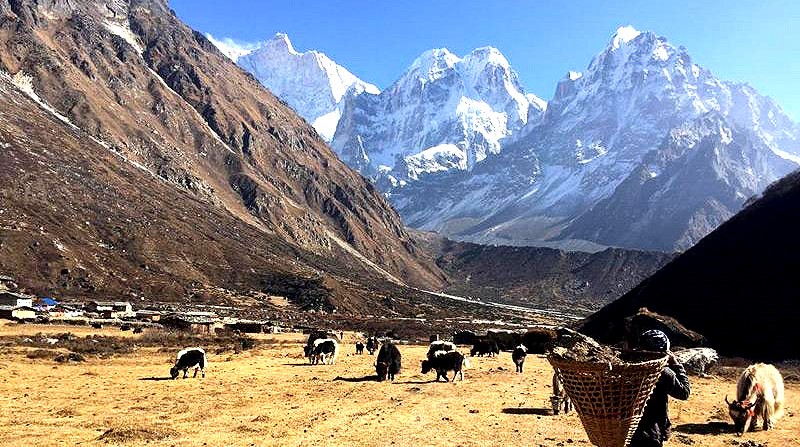
- See the captivating scenery of a yak caravan
- Be enchanted by the diverse flora and fauna of the region
- Including high mountain passes, alpine meadows, and forests of rhododendron and juniper.
Lower Dolpo Trek is one of the most exciting and challenging treks situated in the western hills of Nepal, which allows the trekkers to experience the real adventures of trekking on an off-the-beaten path, composed of steep sloppy hills. Lower Dolpo Trek is packed with amazing gifts of nature, including Shey Phoksundo Lake and also boasts of the pre-Buddhism Bon Po culture.
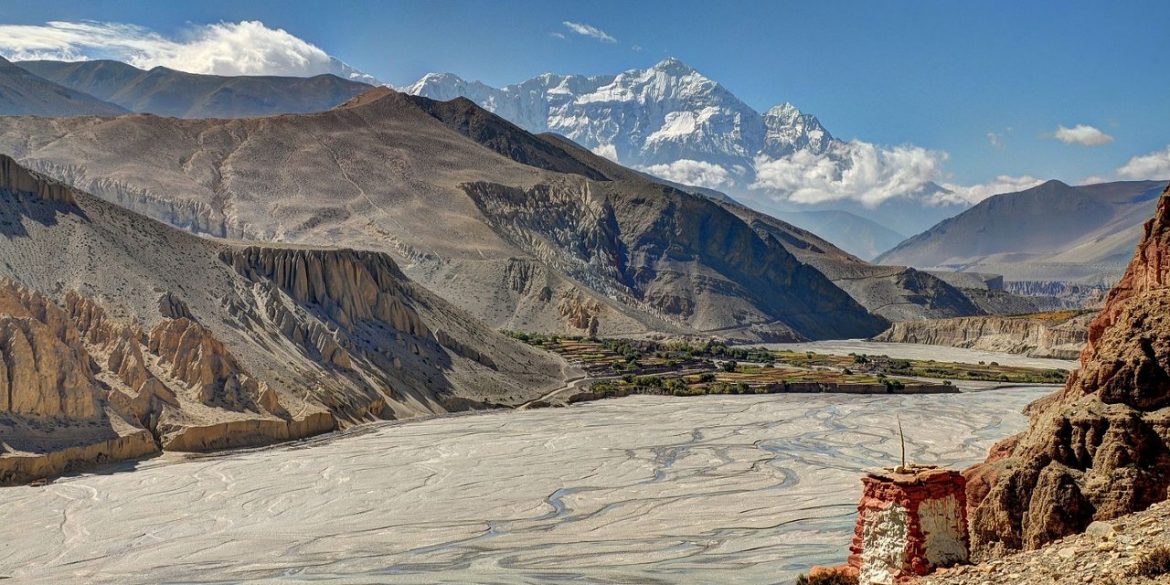
The 18-day Lower Dolpo Trek begins with a flight from Kathmandu to Juphal via Nepalgunj. Juphal is the starting point for this trek. You trek through semi-desert region combined with densely forested path filled with pine, rhododendrons, bamboo, and juniper trees along with trails made up of huge meadows, brown landscape, and terraced colorful fields. Admiring the beautiful rain shadow landscape of the Himalayas, you also enter the beautiful Shey Phoksundo National Park, inhabited by endangered animals like snow leopard, Himalayan musk deer, blue sheep, and so on. The trekkers also traverse through two high passes: Numa La Pass (5309m), the highest point of the trek, and Baga La Pass (5169m). Both these passes offer extraordinary views of Mt. Dhaulagiri (8167m) and the Tibetan ranges—Kugung La and Khyung La. During summer, we can see the caravans of yaks and sheep heading towards their destination. Another highlight of the trek includes the pristine turquoise Phoksundo Lake, split between rocks that rise 2000m into the clear mountain skies. The Dolpo region is populated by Tibetan and Magar people who still practice the pre-Buddhist Bon Po religion. The trek also includes visits to the ancient monasteries (gompas) and Bon Po shrines surrounding the Phoksundo Lake. All in all, Lower Dolpo Trek is ideal for those trekkers who love wild adventures.
AlpineTrav Treks & Expeditions is the finest and well-reputed trekking organization based in Kathmandu. Our company has been dominating the tourism industry since 2018. We believe in providing our clients with the best quality service making their trip to Nepal joyful and unforgettable. We try our best to fulfill all the possible expectations of our clients and also provide different kinds of packages based on the clients’ flexibility.
Customize Your Lower Dolpo Trek:
- This is a general itinerary, which can always individually be “tailormade”. The Lower Dolpo trek package can be redesigned or redeveloped as per your taste, For more information please contact us.
18 Days Lower Dolpo Trek Itinerary
We recommend that you schedule your arrival in Kathmandu in the morning or afternoon. This will give you enough time to relax and recover from jet lag before starting your adventure. Upon arrival at Kathmandu International Airport, our representative will meet you at the airport and transfer you to your hotel where you will be served welcome drinks. After you have freshened up, your trek guide will brief you about your trip in the lobby of your hotel in the evening.
Get familiar with your surroundings by taking a walk down the street. Visit to Thamel, the main tourist hub. Overnight at Kathmandu's in a Hotel.
Accommodation: Hotel (Hotel Moonlight)
In the morning, you visit two UNESCO World Heritage Sites, Boudhanath and Pashupatinath, as part of a guided sightseeing tour. The tour lasts approximately 3 to 4 hours. In the afternoon, you will be briefed about your upcoming adventure. If you have any doubts, check your equipment and visit the Swayambhunath Monkey Temple near your hotel. Spend the night in Kathmandu.
Accommodation: Hotel Moonlight
Meals: Breakfast
After your short excursion in Kathmandu, then you'll take an hour-long flight from Kathmandu to Nepalgunj, located in Western Nepal. Nepalgunj, a town near the Nepal-India border, is also the gateway to Simikot, Humla. The town itself is an interesting Terai town that showcases the diverse culture of Nepal. In Nepalgunj, then you'll visit the local market, mini-zoo and nearby villages. Overnight at Nepalgunj.
Accommodation: Hotel (Lumbini Hotel Kasai)
Meals: Breakfast, Lunch and Dinner
Today you'll fly to Jhupal (2,320m/7,610ft) after breakfast. The town is beautifully located over the Himalayan foothills, with views of Annapurna and Dhaulagiri peaks to its north. Here, you meet your trekking staff and begin the adventure. You will walk through terraced fields to the Bheri River and its narrow gorge. You'll continue walking to Dunai which is the administrative headquarter of the Dolpo region. Then you'll explore the small town in the evening and camp there for the night.
Accommodation: Teahouse
Meals: Breakfast, Lunch and Dinner
After breakfast your trek continues along the southern bank of the Bheri River heading upstream on an easy trail. Along the way, you'll pass through several deep gorges, hanging bridges and isolated villages. Your trail also includes a tremendous gorge with pine trees and a path built about seven meters above the river. After walking for a while, you will be greeted by the colorful, terraced field of Tarakot, a small village that stands on a hillock to the south of the Bheri River. Overnight at Tarakot.
Accommodation: Tent Camping
Meals: Breakfast, Lunch and Dinner
Today after breakfast, you'll walk alongside Tarap Chu river and cross it twice before reaching Sandul Gompa. The gompa lies at a juncture between Barbung Khola and Tarap Chu river. You'll continue walking on a trail that takes you through farm terraces and rural villages. After ascending and descending for a while, then you'll finally reach Laini. Overnight at Laini.
Accommodation: Tent Camping
Meals: Breakfast, Lunch and Dinner
Today you will climb on a steep trail and walk along switchback above the Tarap River. The walk is quite exciting as the valley becomes a narrow gorge that in some places you can jump from one side to another. Several vigorous climbs and descents will take you to the banks of the Chyugur Khola, from where you'll reach Nawarpani. Overnight at Nawarpani.
Accommodation: Tent Camping
Meals: Breakfast, Lunch and Dinner
After breakfast, you'll begin today’s trek by gradually ascending to Kamattarka at the confluence of the Tarap Chu and Lang Khola. From here you'll cross a narrow gorge and leave the tree line behind you and welcome wild rose and juniper bushes, typical of the dry inner Himalayan valleys. After walking for several more hours, you'll reach the village of Dho Tarap which is surrounded by an irregular stone wall. In this Valley both Bon Po and Chaiba religious sects reside together. Tarap is also inhabited by a few Tibetans and mostly Magars who have lived here for many generations. Overnight at Do Tarap.
Accommodation: Tent Camping
Meals: Breakfast, Lunch and Dinner
The day off will assist with acclimatization and allow some bodily rest. You can spend the day visiting nearby monasteries. During today’s short walks, you'll also get a chance to get acquainted with the local culture. The Dolpo people wear homespun clothing that is sometimes dyed a maroon color and they favor Tibetan style somba or dhocha (boots with upturned toes) for foot wear. Both men and women often wear religious amulets and strings of coral, amber and turquoise. The people of the region are both Bon Po and Nyingmapa (Buddhist sects). Overnight at Do Tarap.
Accommodation: Tent Camping
Meals: Breakfast, Lunch and Dinner
After breakfast your trek towards the upper Tarap valley enjoying views of lush grasslands on both sides of the river which is unique to this part of the inner Dolpo. Then you'll walk alongside Tarap Chu river and take pleasure in the amazing views of the vast Tarap valley with its wide plains and high mountains. A few hours’ good walk takes you to the village of Tokyu which houses a Buddhist monastery of the Chiba sect. After exploring the monastery, you will continue walking up the valley on a rough trail before reaching the Numa La Base Camp. Overnight at Numa La Base Camp.
Accommodation: Tent Camping
Meals: Breakfast, Lunch and Dinner
Today is going to be the toughest and one of the longest days of your trek. After breakfast, you'll begin crossing the Numa La pass (5,190m) on a steep trail all the way up the top ridge of the pass. From the ridge you get incredible views of the barren mountains of Dolpo up to Mt. Dhaulagiri (8167m). After getting to the top of Numa La, you will descend to camp at Pelung Tang.
Accommodation: Tent Camping
Meals: Breakfast, Lunch and Dinner
After breakfast you will begins your steep climb up to the top of Baga La pass (5,070m). From here, you get fantastic views of the dry landscape and the distant snow-capped mountains including Mt. Kanjirowa. You'll spend some time at the top of the pass taking pictures and generally enjoying the mesmerizing views. Next, you will descend to Dajok Tang for an overnight stay.
Accommodation: Tent Camping
Meals: Breakfast, Lunch and Dinner
After breakfast, you will spend most of today’s trek on trails alongside beautiful pine forests and alpine vegetation. After trekking for a short while on an easy trail with only gradual highs and lows, then you'll reach Ringmo Village. The village is a traditional Tibetan village of the Dolpo region. Overnight at Ringmo.
Accommodation: Tent Camping
Meals: Breakfast, Lunch and Dinner
Today you'll explore the great Phoksundo Lake and camp at its shores. You'll see yak caravans moving in and out of Ringmo mostly towards Tibetan borders on remote mountain trails. The scene is even depicted in a Hollywood movie ‘Caravan’ shot mostly in this location. On your way to the lake, you'll also tour a nearby monastery. Upon reaching the Phoksundo Lake, you can enjoy a relaxing walk on the serene lake’s shores. Overnight at Phoksundo.
Accommodation: Tent Camping
Meals: Breakfast, Lunch and Dinner
After breakfast you'll trek downhill to Chepka. From Chepka the trail follows a massive overhanging rock. During your trek, you'll find many important medicinal minerals which are believed to cure almost anything in this area. The route then passes through villages, before climbing to Shyanta. Overnight at Shyanta.
Accommodation: Tent Camping
Meals: Breakfast, Lunch and Dinner
Today you will march towards Jhupal via Sulighat on a trail surrounded by birch trees. From atop a ridge, you get the most spectacular views of the mountain above you and Jhupal Village below. Utmost caution is required while trekking along this trail. After reaching Jhupal, you can spend your afternoon exploring the busy market town or simply taking a rest. Stay overnight at Jhupal.
Accommodation: Hotel/ Lodge
Meals: Breakfast, Lunch and Dinner
Today you will take the earliest flight from Jhupal to Nepalgunj. Upon reaching Nepalgunj, you will return to Kathmandu on the next available flight. Upon arrival in Kathmandu, you will be transferred to your hotel. There is nothing left to do but exchange emails with travel companions and organize photos. To celebrate the successful conclusion of your trip, enjoy a farewell dinner in the evening. Overnight at kathmandu
Accommodation: Hotel Moonlight
Meals: Breakfast and Dinner
Thank you for joining us on this trek and it has been a pleasure getting to know you during this time. We hope this venture has enriched your experience with happy memories. You will be assisted in your last minute preparation. Our representative will take you to Tribhuvan International Airport three hours before your scheduled flight. Bon voyage for a safe and pleasant trip home. Safe Journey!! We hope to see you again.
Meals: Breakfast
Lower Dolpo Trek 18-Days Cost Details
Cost Includes
- On the trekking route: Full camping setup (kitchen tent, dining tent, toilet tent, table, chairs, and more for your comfort.
- Twin-sharing accommodation at Hotel in Kathmandu for 3 nights
- Internal airfare (KTM-Nepalgunj-Jhupal-Nepalgunj and Kathmandu)
- All private ground transportation including airport transfers
- Freshly prepared meals (B, L, D) with boiled water, tea, coffee etc.
- Twin sharing tent for accommodation during the trek.
- Experienced local trek guide with 1:4 assistant guide to client ratio
- Full support camping crew with number of porters to carry load equipment.
- All camping logistical arrangements for your comfort
- All required permits for the trek
- Duffle bag for porter use (1 duffel bag per trekker)
- Comprehensive first aid kit with high altitude medicine
- Trekking Area Map, and Water Purifications Tablet
- Staffs salary, food, equipment, and insurance, included on-trip cost
- Official expense, all local and government tax and VAT.
- Sleeping bag if needed (it is refundable)
- Farewell Celebratory Dinner in Kathmandu with whole team
Cost Excludes
- International flight tickets and Nepal entry visa fee
- Lunch and Dinner in Kathmandu during stay
- Disembarkation Airport Tax in Nepal - approx. US$ 24. al equipment
- Personal hiking equipment
- Personal expenses. Additional expenses due to unforeseen circumstances such as other events beyond control.
- Drinks except tea and coffee. (Bar Bill, laundry and telephone calls.)
- Travel Insurance: Liability of insurance against any kind of medical expenses etc.)
- Emergency rescue evacuation if needed
- Tips for treks guide and porter (it is appreciated)
18-Days Trip Cost Details
- The trip cost always depends on group size, hotel accommodation category and client’s desire budget
- The included itinerary is a guideline and standard pattern which AlpineTrav you. This trip itinerary can be modified according to your time and requirements
- The itinerary shall be changed after an understanding between both AlpineTrav and the client. Additional activities could be either added or reduced as per client’s request before the trip confirmation
- Price shall be adjusted in our mutual understanding, if the client intends to add some services we shall charge him/ her for those additional services and if he/she intends to lessen some services, we shall wave the charges accordingly
- The Lower Dolpo Trek itinerary has been published in 3-star hotel and tea house/lodge services for better understanding of the customers.
Please contact us on WhatsApp: +9779860751012 for any information about in your selected package.
Useful Info
Please take care to note: Every effort will be made to keep to the above itinerary; however, since this adventure entails traveling in remote mountainous regions, we cannot guarantee that we will not deviate from it. Weather, the health condition of a group member, unexpected natural disasters, etc., can all contribute to changes in the itinerary. The trek guide will try to ensure that the trip runs according to plan, but please be prepared to be flexible if required.
Accommodation at Lower Dolpo During the Trek
In Kathmandu: Comfortable Stays in Cities and on the Trail Your comfort is our priority, whether in the bustling city or the serene mountains: In Kathmandu: Stay at Hotel Moonlight or a similar hotel, offering modern amenities for a relaxing experience, (Room Arrangement: are on a twin-sharing basis, and during the trek stay in tented camp).
During the trek your accommodation will be fully tented camping. A tent will be provided for every 2 travelers with a foam mattress. There will also be a kitchen tent, dining tent, toilet tent, table, chairs, and more for your comfort. Our trekking team will carry all of the tent equipment for your worry-free and easy journey.
Meals at Lower Dolpo During the Trek
In Trek: All meals are included during the trekking period. We will provide three meals a day during the trek. Our kitchen crew will served freshly prepared meals during the trek. We consider hearty and delicious meals as a key component to the overall success of our trip, Since this is a full camping trek, meals are prepared by the trekking cook and typically include warm, nutritious options like soups, rice, pasta, and vegetable curries.
What is the best time and weather for the Lower Dolpo trek?
The best time for Lower Dolpo Trekking is during the Spring (March to May) and Autumn (September to November) seasons. These seasons offer favorable weather conditions and clearer views of the stunning landscapes in the region.
Spring (March to May): Spring is an excellent time for Lower Dolpo Trekking. The weather begins to warm up, and the rhododendron forests come alive with vibrant blooms. The days are generally sunny with mild temperatures, making it comfortable for trekking. However, occasional rain showers can be expected, especially in May. It is advisable to pack layers of clothing to accommodate changing temperatures.
Autumn (September to November): Autumn is considered the peak trekking season in Nepal, including Lower Dolpo. The weather is stable, with clear skies, mild temperatures, and excellent visibility. The landscapes are colorful, with clear mountain views. The autumn months are also the harvest season, providing a unique opportunity to witness the local farming activities and cultural festivities.
Note: It’s worth noting that Lower Dolpo is a remote and High-Altitude region, and the weather can be unpredictable at times. It’s essential to be prepared for variations in temperature and carry appropriate trekking gear.
Monsoon (June to August): Can also be visited, however, there is heavy rainfall in the area, making the trails muddy and slippery. Due to the possibility of landslides and difficult trail conditions, the monsoon is not suitable for trekking in Lower Dolpo and we do not recommend it.
Do I need any experience for the lower Dolpo trek?
Yes, Lower Dolpo Trek is categorized as a difficult trek. In such trek, you are likely to walk for 6-7 hours, cross steep, hilly terrain and occasional high passes of up to 5500m. You are likely to be in a remote environment with extreme weather on some days. You will also be facing high-altitude air with low levels of oxygen. Therefore, previous trekking experience, physical fitness and a positive attitude are essential.
Exercising and jogging regularly for some weeks prior to the trip is a good idea to enhance our strength and stability. Past hiking experience is fundamental but no technical skill is required for this trip. It is vital for participants with pre-existing medical conditions such as heart, lung, and blood diseases to consult their doctor before taking the trip.
How Difficulty is Lower Dolpo Trek?
Lower Dolpo trek difficulty is measured based on trekking duration per day, altitude gained, and the condition of trails. In addition, whether you have to cross a high pass or not also plays a vital role. Normally, you have to walk for about 6 hours in the high-altitude places. Walking along the rocky trails is not an easy task for beginners. Because, it is a less frequented area. Making the trail by oneself and moving ahead may not be easy for everyone. On the other side, you have to pack some readymade food items during the trek because you won’t find teahouses en route.
However; the Lower Dolpo Trek includes two high passes above 5,000 meters. Therefore, the level of difficulty is increased. The two passes you have to cross to reach She Phoksundo Lake from Dho Tarap are Numa La Pass (5,318 meters) and Baga La Pass (5,190 meters). Although trekking to the top of these passes is difficult, the rewards are beyond description!
Is travel insurance required for the Lower Dolpo trek?
Yes, Travel Insurance is mandatory and is recommended for Lower Dolpo Trekking, as it provides financial protection and peace of mind during your journey. Trekking in remote areas like Lower Dolpo involves certain risks and challenges, and having travel insurance helps mitigate those risks.
Likewise; Medical Emergencies, travel insurance can cover medical expenses if you encounter any health issues or injuries during the trek. This includes the cost of hospitalization, medications, doctor consultations, and emergency medical evacuations if necessary. Medical facilities in remote areas are limited, and evacuation to a more advanced medical facility may be required in serious cases.
For example; travel insurance can reimburse you for non-refundable expenses if your trip is canceled or interrupted due to unforeseen circumstances such as illness, injury, natural disasters, or other emergencies. It provides financial protection if you need to reschedule your trip or return home early.
In conclusion
Overall difficulty level for the Lower Dolpo trek
A moderate to difficult trek. This indicates that while it is not the most difficulttrek in Nepal, it is not the easiest either. Long trekking days, high mountains, and being far from contemporary amenities are all things you should prepare for. The trek passes through isolated regions with few people, no highways, and no large cities. This makes the trip serene and lovely, but it also means you need to be ready.
The trek is difficult in large part because of its remoteness. Lower Dolpo is located in Nepal’s far west. Just getting to the trek’s beginning takes a few days. You will be far from cities, large stores, and hospitals once you begin walking. You can not simply buy it on the road if you fail to pack something essential.
The altitude is another factor. The trek crosses steep mountain passes that are about 5,000 meters above sea level in some places. Because there is less oxygen in the air at this altitude, you could get weary more easily. Walking slowly will allow your body to acclimate to the thin air. Altitude sickness can be dangerous for people who do not get enough sleep.
Long walking hours are another aspect of the expedition. You might trek up high slopes or down rough trails for six to eight hours on certain days. Stones, sludge, or loose soil are common features of the rugged terrain. This calls for strong legs and feet as well as supportive, comfortable footwear.
The trek may possibly be more difficult due to the weather. Snow may cover high passes during the colder months, making them slick. Crossings might be challenging during the wet season due to muddy pathways and swollen creeks.
The Lower Dolpo Trekking is not just for experienced trekkers, despite its difficulty. You can appreciate it if you are prepared, healthy, and dedicated. Numerous trekkers claim that the breathtaking scenery, hospitable locals, and sense of adventure make the effort worthwhile.
This trek is ideal for those who want a challenge and wish to see some of Nepal’s most remote and breathtaking areas. But before you leave, it is crucial to be mentally and physically prepared.
FAQs Related to Lower Dolpo Trek
The Lower Dolpo trek usually takes 12-20 days to complete. This includes trekking days, acclimatization days, and travel to and from the starting point of the trek.
The best time to trek Lower Dolpo is during the spring (March to May) and autumn (September to November) seasons. These months have clear skies, stable weather conditions, and good visibility of the mountains.
The Lower Dolpo Trek is considered to be a moderate to challenging trek. It involves walking on rugged terrain, crossing high passes, and long hours of trekking each day. A good level of physical fitness and prior trekking experience is recommended.
Solo treks in the Lower Dolpo region are not allowed. You must trek with at least one other person and be accompanied by a licensed guide. This is for your safety and to ensure that you have a responsible and enjoyable trekking experience. (Minimum 2 person).
During the trek, you will stay in teahouses or lodges along the trail. These are basic accommodations with shared rooms and shared dining areas. Amenities may vary, but you can expect a bed with a mattress, blankets, and basic food. However, camping in this remote area will give you more freedom than relying on teahouses or lodges.
Altitude sickness can be a concern on any high-altitude trek, including the Lower Dolpo trek. It is important to be well-acclimated and take necessary precautions. It is recommended to consult a doctor before trekking and follow your guide’s instructions on altitude sickness prevention and treatment.
Lower Dolpo trek is known for its stunning scenery, remote and untouched villages, and unique Tibetan Buddhist culture. The trek takes you through beautiful valleys, ancient monasteries, and the sacred Phoksundo Lake. You will also get the opportunity to witness the traditional lifestyle of the Dolpo people and their unique traditions.
Some essential items to pack for the Lower Dolpo Trek include trekking boots, warm clothing, a down jacket, a sleeping bag, a hat, gloves, sunglasses, sunscreen, a water bottle, a first aid kit, and personal toiletries. It is advisable to pack light and carry only the necessary items.
Yes, it is highly recommended to have travel insurance that covers trekking activities and emergency medical evacuation. Check the policy details and make sure it covers high-altitude trekking in Nepal.
 Nepal
Nepal