

trip info
-
Min 2 Max 12
-
Grade: Moderate
-
March–May, (Sept–Nov
-
Max. 3,840m/12,599ft.
-
Duration: 17 Days
-
Private A/C Vehicle, Tourist Bus, Flight
-
Hotel/ Teahouse/ Lodge
-
All meals are included
<strong>Who we are</strong> Our website address is: <a href="http://www.alpinetrav.com" target="_new" rel="noopener">http://www.alpinetrav.com</a>. <hr /> <strong>What personal data we collect and why we collect it</strong> <h3>Plugin Data Collection and Compliance</h3> This website uses plugins that may store personal information. These plugins comply with GDPR regulations and are designed to manage and protect your data securely. Below are details on what data may be collected and why: <ol> <li><strong>Contact Forms</strong> <ul> <li>When you use contact forms, the plugin may collect your name, email, and other necessary details to provide responses to your inquiries.</li> <li>This data is stored to enable us to respond to your messages effectively and is retained only as long as necessary for communication.</li> </ul> </li> <li><strong>Comments and Spam Detection</strong> <ul> <li>Comments on the site collect data shown in the form, as well as the visitor’s IP address and browser user agent string to assist in spam detection.</li> <li>This data may also be shared with an automated spam detection service.</li> </ul> </li> <li><strong>Cookies and Data Storage</strong> <ul> <li>Some plugins may set cookies to improve user experience, such as storing login information or remembering preferences. These cookies comply with GDPR standards and expire after a set period or upon logging out.</li> <li>Cookies specifically used by these plugins do not collect personal data unless explicitly mentioned.</li> </ul> </li> <li><strong>Embedded Content</strong> <ul> <li>Embedded content from third-party websites may behave as if the visitor has visited those external websites. These third-party sites might collect data and track your interaction as per their policies.</li> </ul> </li> <li><strong>Analytics</strong> <ul> <li>Some plugins may collect anonymous analytics to improve site performance. However, no personal information is stored unless explicitly noted, and all data complies with GDPR standards.</li> </ul> </li> </ol> <h3>How Long We Retain Your Data</h3> The collected data is stored only as long as necessary for the intended purposes, such as for communication or to improve the site experience. This may vary based on the plugin and specific regulatory requirements. <h3>What Rights You Have Over Your Data</h3> Under GDPR, you have the right to: <ul> <li>Access: Request a copy of the personal data we hold.</li> <li>Rectification: Correct any data we hold about you that is incorrect.</li> <li>Erasure: Request the deletion of your data, provided it is no longer necessary for regulatory or operational purposes.</li> </ul> For requests, please contact us using the information in our Contact section below. <hr /> <strong>Where We Send Your Data</strong> Visitor comments may be checked through an automated spam detection service. Some plugins may also send anonymized data to third parties as part of analytics or performance monitoring. <strong>How We Protect Your Data</strong> All data managed by this website and its plugins is stored securely. We ensure our plugins meet industry standards for encryption and data protection. We also regularly update our website to prevent unauthorized access.
Upper Mustang Tiji Festival Highlights
- Participate in the three-day Tiji Festival in Lo Manthang, a vibrant Buddhist celebration with traditional dancing and music
- Explore the walled city of Lo Manthang, known as the “forbidden kingdom” of Upper Mustang
- Experience the rich Tibetan-influenced Buddhist culture of the region, with ancient monasteries, caves, and chortens.
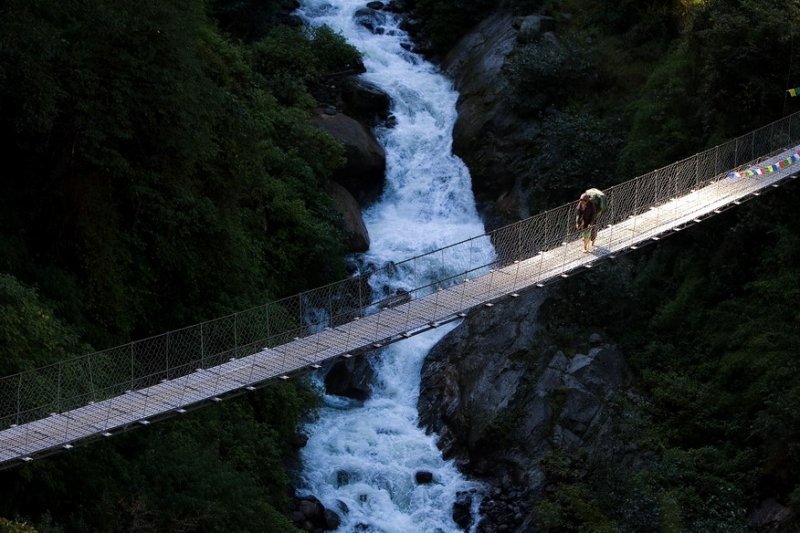
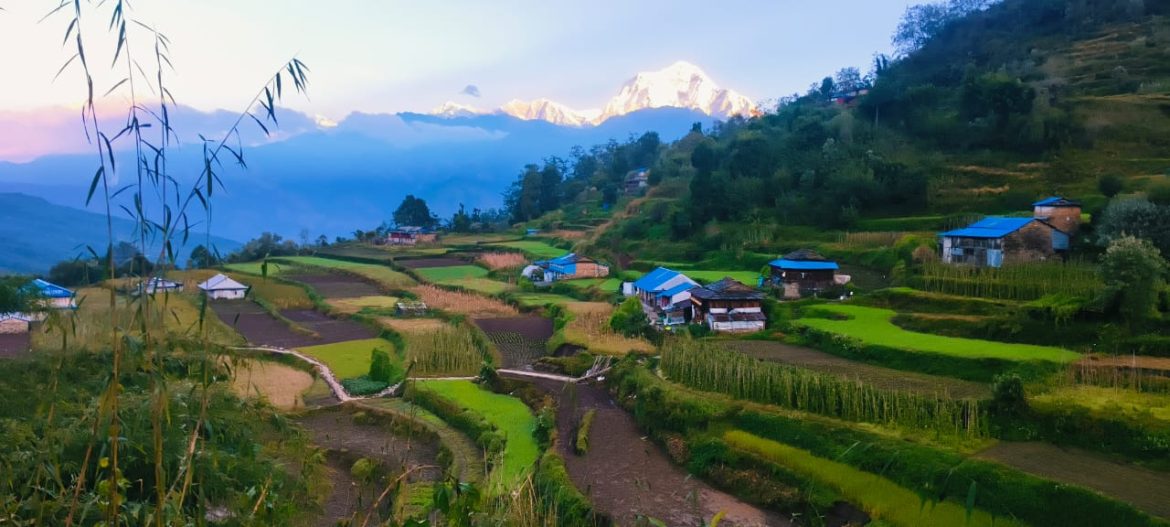
- Trek through stunning landscapes, including the Kaligandaki River, snow-capped mountains, and arid desert environments.
- Visit historical sites like the Chossar Cave and Ghar Gumpa monastery
- Learn about the history and traditions of the Mustang region, including the ancient salt caravan route and the Tiji Festival’s myth of a son saving the kingdom.
Secure your spot for one of the most unique Himalayan festivals on Earth:
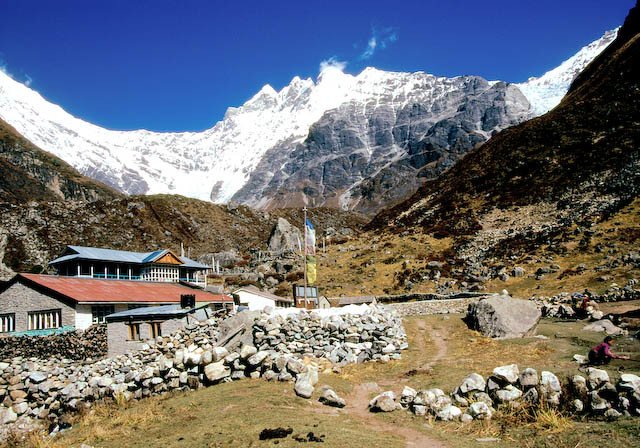
The sandy terrain, amazing yak caravans, exquisite mountains views, ancient monasteries, traditional costumes, Tibetan culture, and the spiritual values of the region make Mustang Tiji (Tenchi) Festival Trekking a delight for the visitors. The trek is a combination of the fascinating Mustang villages, Buddhist shrines, and the spiritual values in the region, and features the most sacred festival of the walled capital of Lo-Manthang. Mustang Tiji Festival Trek is an opportunity to witness the vivid Tibetan culture of the last forbidden Kingdom of Lo.
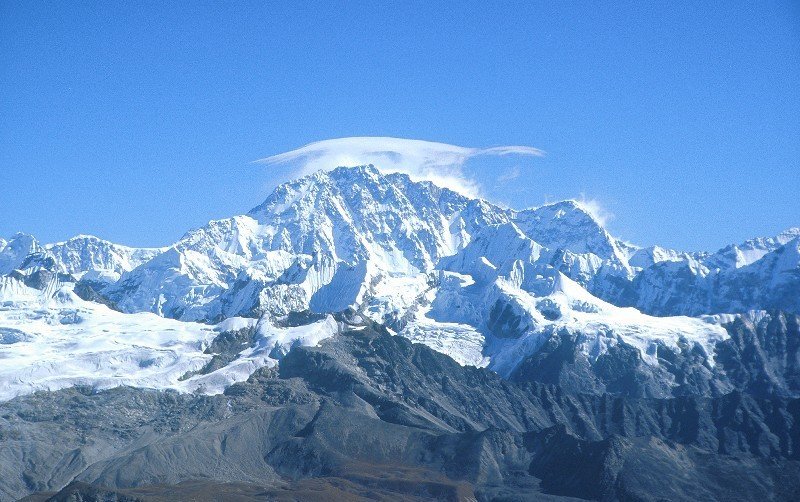
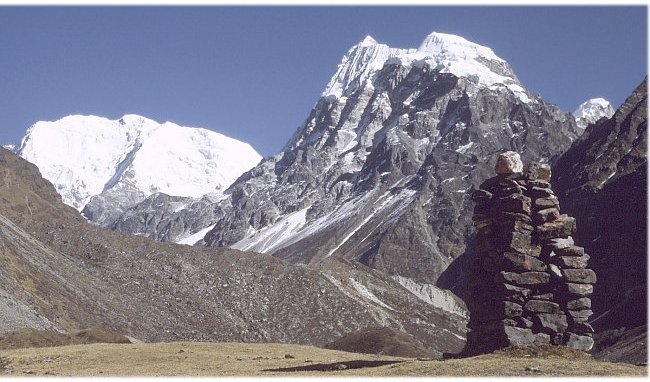
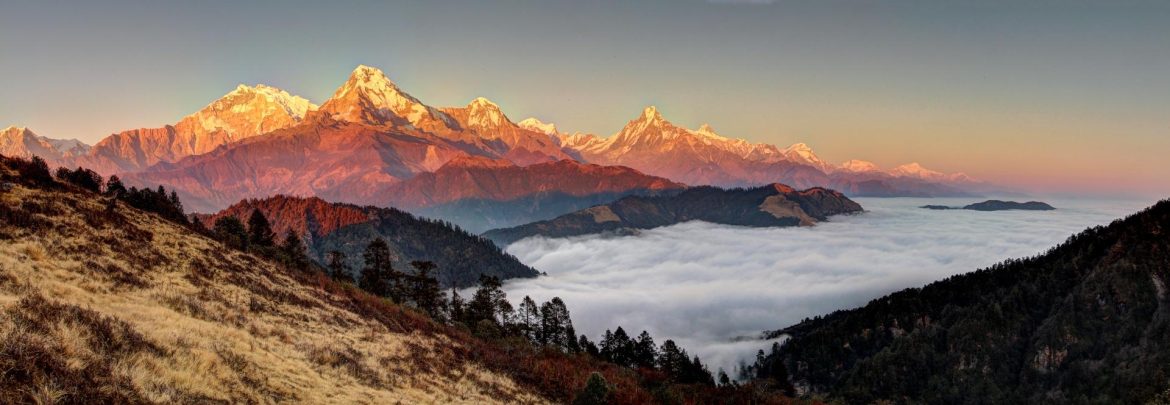
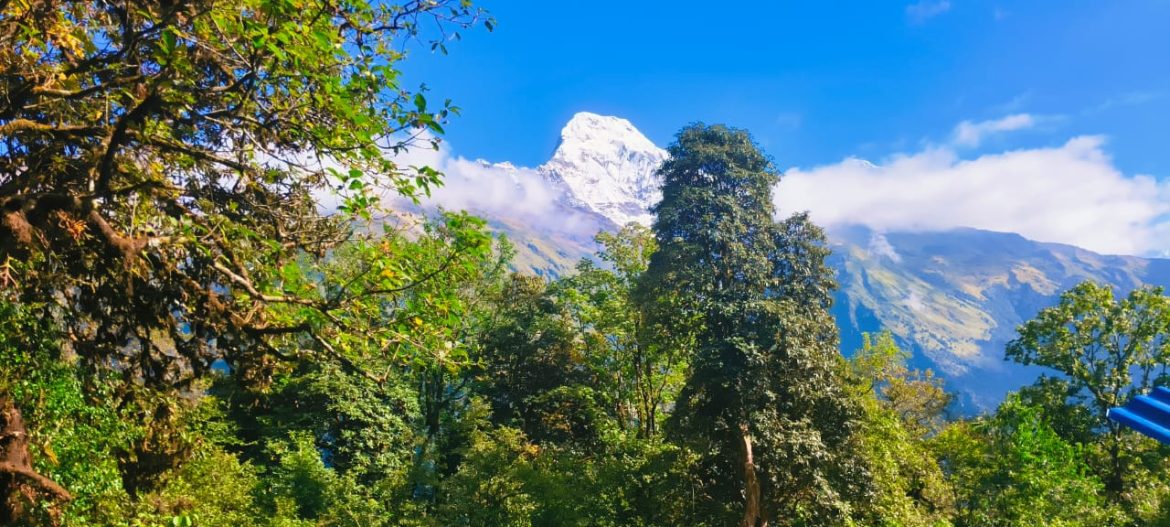
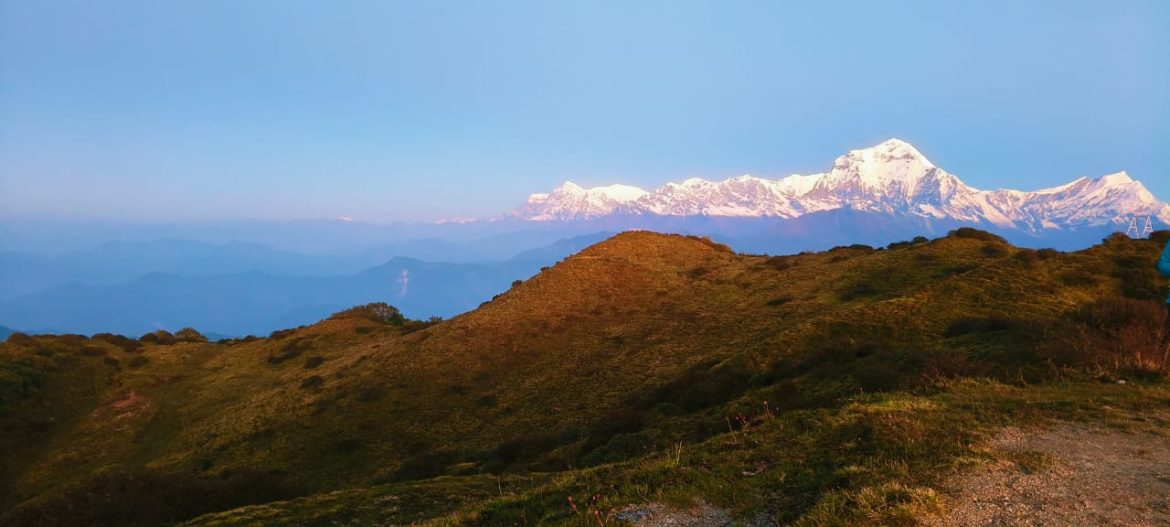
Upper Mustang Tiji Festival Trek starts with your arrival at Tribhuvan International Airport, Kathmandu. The trek will begin from Jomsom after a scenic flight from Pokhara. Tiji Festival Mustang not only allows an opportunity to view the mighty mountain ranges like Mt. Dhaulagiri (8167m), Tukuche Peak (6920m), Nilgiri (7061), Tilicho Peak (7134m), Thorong Peak (6144m), Saribung (6328m), Mustang Himal (6187m), Manshail (6235m), but also allows to observe the interesting local culture and the Himalayan way of life. It is a trek into a region with very ancient but well-preserved culture. Mustang Tiji Festival is known as “chasing of the demons’’ and tells the story of Dorje Jono who must battle against his demon father to save the kingdom of Mustang from destruction. You can witness the festivals and dances inspired by Tibetan Buddhism while enjoying the warm hospitality of the people of the beautiful Lo-Manthang. Mustang Tiji Festival Trek is a trek every culture enthusiast must do once in their lifetime.
The Mustang Tiji Festival Trek organized by AlpineTrav Treks & Expeditions is well facilitated to make your stay pleasurable. With constant guidance from the trek guides and company representatives, we make sure that our wonderful trek packages and excellent quality of service will provide you the best trekking experience in Nepal. Please note that sometime; domestic flights are subject to delay in case of bad weather.
Customize Your Mustang Tiji Festival Trek:
- This is a general itinerary, which can always individually be “tailormade”. The Mustang Tiji Festival trek package can be redesigned or redeveloped as per your taste, For more information please contact us.
17-Days Mustang Tiji Festival Trek Itinerary
We recommend that you schedule your arrival in Kathmandu in the morning or afternoon. This will give you enough time to relax and recover from jet lag before starting your adventure. Upon arrival at Kathmandu International Airport, our representative will meet you at the airport and transfer you to your hotel where you will be served welcome drinks. After you have freshened up, your trek guide will brief you about your trip in the lobby of your hotel in the evening.
Get familiar with your surroundings by taking a walk down the street. Visit to Thamel, the main tourist hub. Overnight at Kathmandu's in a Hotel.
Accommodation: Hotel Moonlight
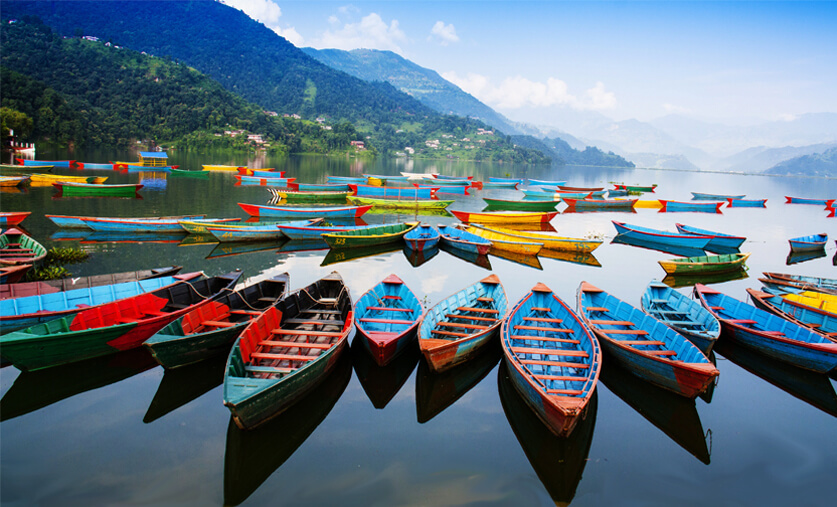
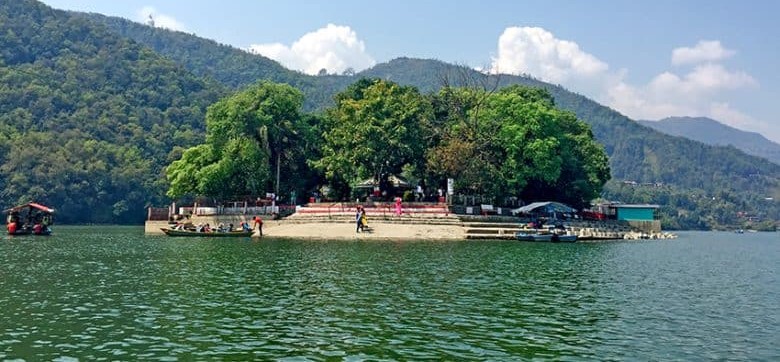
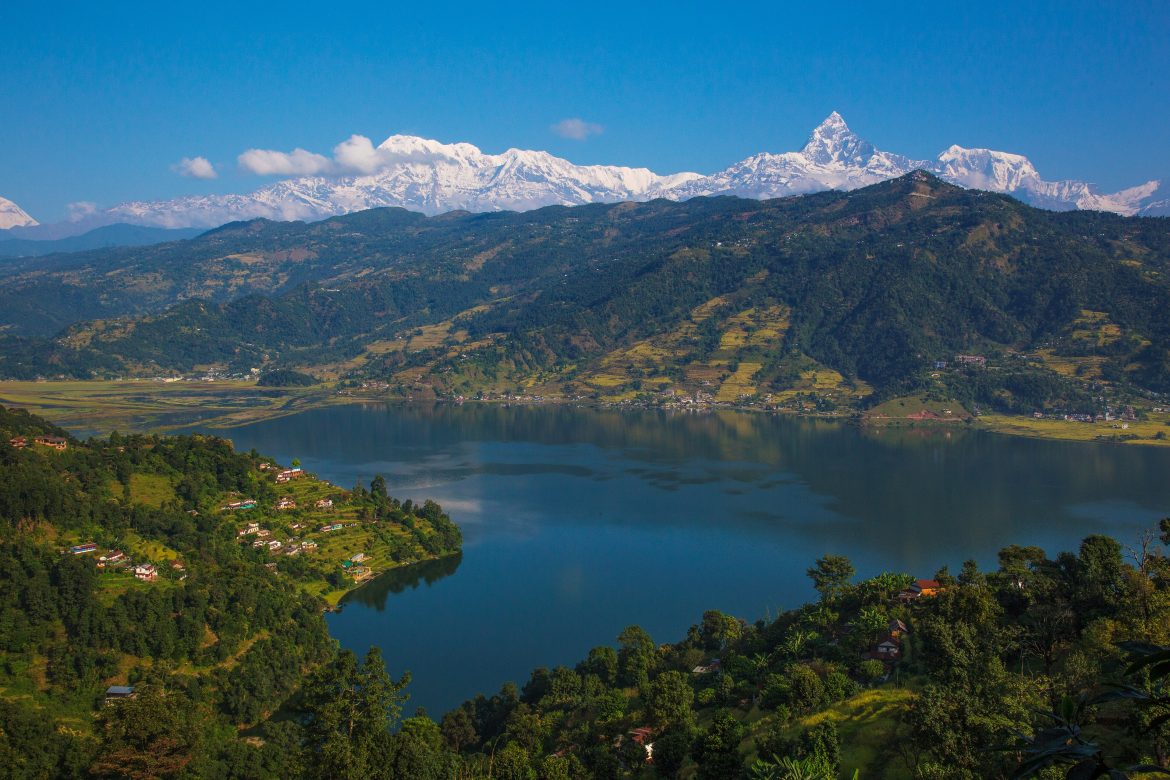
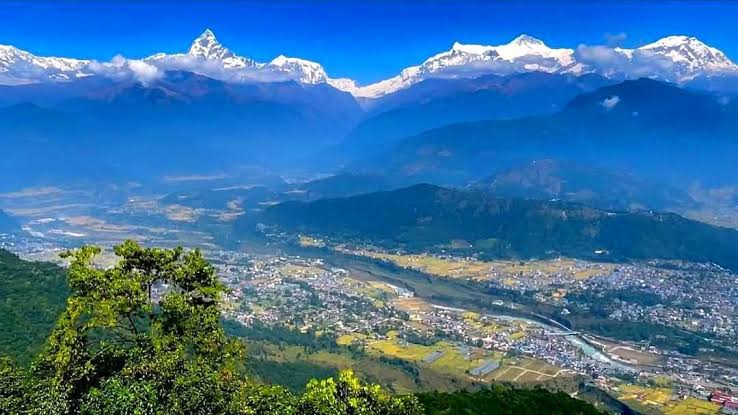
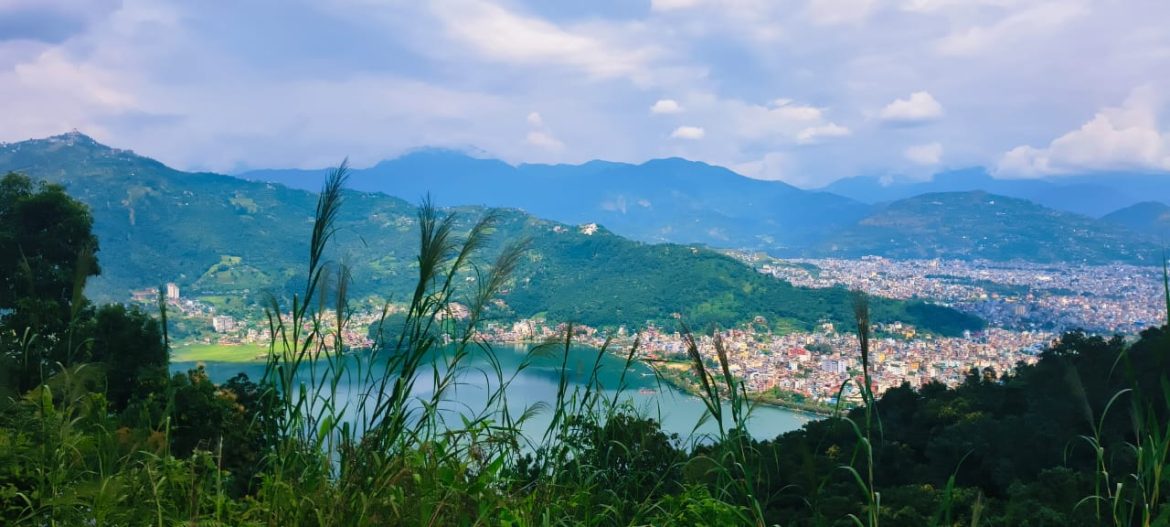
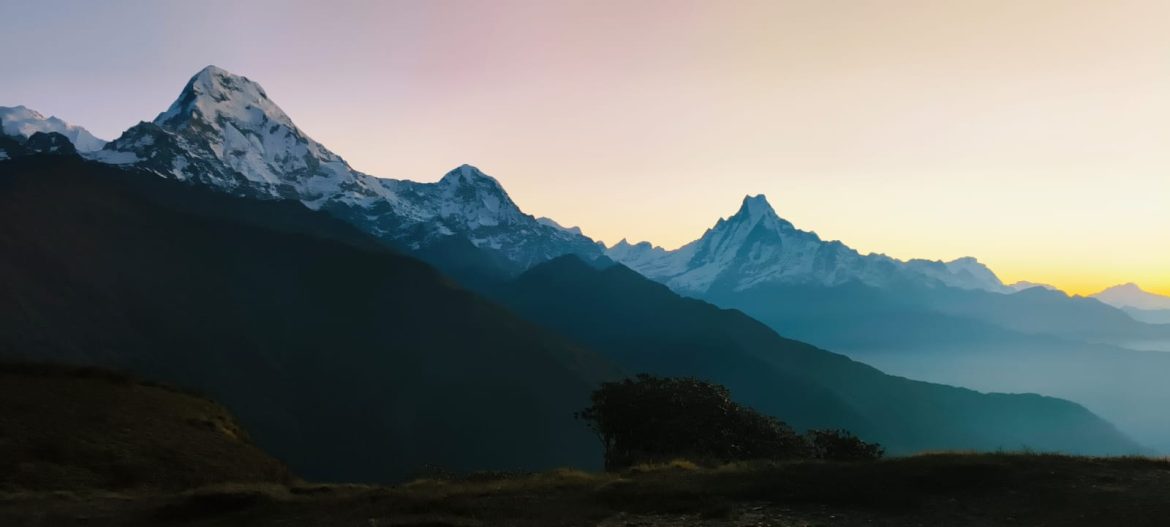
The company will make all arrangements for the trek and get your trekking permits as you would be traveling to the restricted area of Upper Mustang. Then in the afternoon, leave for Pokhara, also known as The Lake City owing to the large number of lakes in the city. Upon your arrival in Pokhara, you are rewarded with magnificent views of the Himalayas including Dhaulagiri (8,167m/26,794ft), Manaslu (8,156m/26,759ft), Machhapuchhre (6,993m/22,943ft), the five peaks of Annapurna and others. You, then check-in to your hotel and take a rest. Or you enjoy boating in the Fewa Lake and stroll in the city’s quaint streets. Overnight in Pokhara.
Accommodation: Hotel Mount View Pokhara
Meals: Breakfast
After touchdown at Jomsom, you hit the trail to the Kaligandaki plains. The road diverts to the right bank of the river plain, and your hike is pretty easy going with a few ups and downs. Most of the way to Ekali Bhatti (Lonely Inn), there are three or four tea houses. It used to be the only teahouse in the area when it got its namesake, ‘Ekali–Bhatti’. From here, the path splits two ways; the higher route leads to Muktinath, and the other route takes you to the upper Mustang and Tibet via Kagbeni. Your trail heads past Eklai-bhatti towards the Northwest. The walking gets much easier on a gradually winding route as the road widens. You walk further on the riverbed towards the windswept village of Kagbeni for the overnight. The famous film ‘Caravan’ was shot in this area some years ago.
Accommodation: Teahouse/Lodge
Meals: Breakfast, Lunch and Dinner
Your day pans out with a special Restricted Area Permit checkup, and you proceed from here on to the riverbank of Kaligandaki upstream. You come across scenic, quaint places to stop through the sandy and windy trails during the walk. This trail fluctuates up and downhill. You first reach Tangbe village, which has narrow alleys amongst whitewashed houses and fields of buckwheat, barley, wheat, and apple orchards. From there, your trek forward to Chhusang and, after crossing the river, head up to the huge red chunk of conglomerate that has fallen from the cliff above, forming a tunnel through which the Kaligandaki follows. You head on to small ridges before you reach the village of Chele and your teahouse lodge for the night.
Accommodation: Teahouse/Lodge
Meals: Breakfast, Lunch and Dinner
Today, your climb to Taklam La Pass at 3,624m through plateaus and narrow stretches with views of Tilicho Peak, Yakawa Kang, and Damodar Danda. You will descend a little to the village of Samar. Then, climb the trail above Samar village to the ridge, which descends steeply to a stream. Another 3 hrs of continuous hiking brings you to Syangboche. On the way, you relax along the cool streams and juniper trees. Locals hereabouts use the dried leaves of junipers as incense to invite deities and start any auspicious work. you also pass by a cave famously known as Ramchung Cave. After exploring the cave, you return to your lodge for the night.
Accommodation: Teahouse/Lodge
Meals: Breakfast, Lunch and Dinner
Today’s journey is more or less a descent with a few short climbs all the way to Ghami. Once outside the walled Lo Manthang village town, the path leads to a steady climb to a pass that offers the last glimpse of Lo Manthang. The walk from here onwards is gradual on downhill slopes, most of the way to the village of Ghami. It is another important village in this once-upon-a-time thriving region. You get set for the night in your teahouse lodge.
Accommodation: Teahouse/Lodge
Meals: Breakfast, Lunch and Dinner
From Ghami, the route climbs slowly through fields up the valley’s center, passing below the Tama Gung settlements. Your hike continues across the head of the valley to the Nyi La pass at 3,950m, the trek’s highest point. The pass itself happens to be the southern boundary of Lo. From here, a gradual descent for half an hour brings you to a junction; the right path leads directly to Tsarang, while the left goes to Ghami village, one of the main areas of the Lo region you passed through previously. Your route drops below the blue, grey, and red cliffs across the valley to a steel bridge across the Tangmarchu River. The path then climbs past the long and magnificent stretch of a Mani wall, probably the longest one in Nepal. From hereabouts, the final climb of the day brings you to a 3,600m pass; after the last pass, a gentle descent leads to your overnight halt at Tsarang, an interesting village with a maze of fields, willow trees, and a huge five-story white Dzong with a red gompa perched on the edge of the Kali Gandaki gorge. Tsarang has its own electricity system. This is an interesting area to spend the night.
Accommodation: Teahouse/Lodge
Meals: Breakfast, Lunch and Dinner
This is an interesting day because your trek to Lo-Manthang, which offers superb views of Nilgiri, Tilicho, Annapurna I, and Bhrikuti Peak. The trail first descends to Charang Chu Canyon and climbs steeply after crossing the river. Further, it ascends gently to the 3,850m windy pass of Lo, from which you can see the Lo-Manthang Valley.
While descending to Lo-Manthang, views of the walled city and its hills on the Tibetan border appear outstanding. Moreover; Today is the first day of the Tiji Festival too. There is going to be a huge celebration in Lo-Manthang.
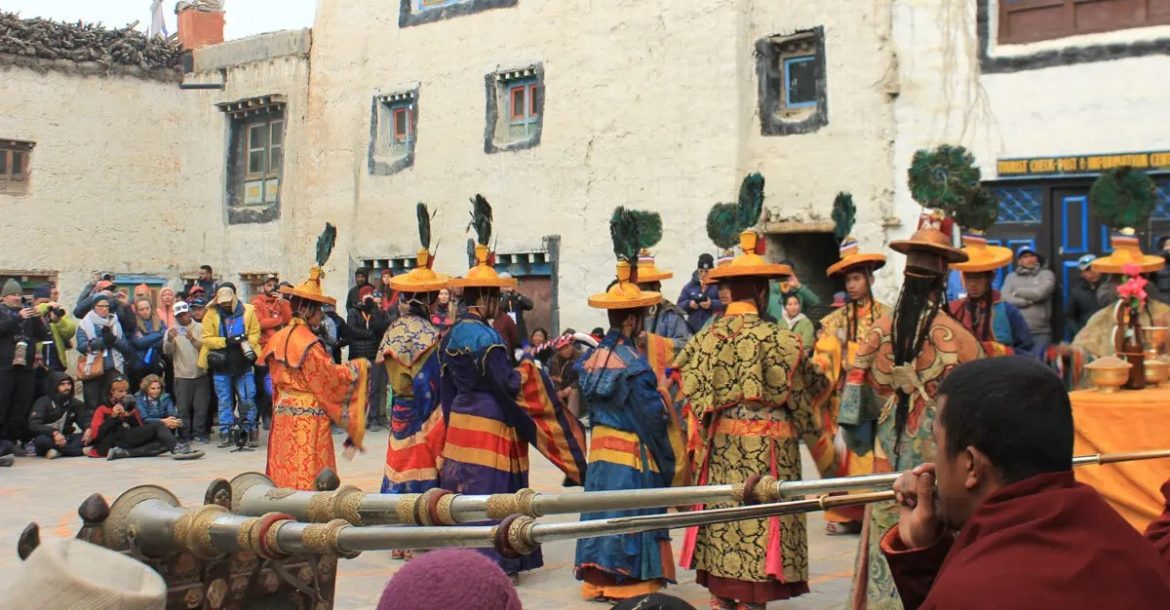
The festival starts with unrolling a three-storied Thanka painted with images of Padma Sambhava or Guru Rimpoche. You spend the day by observing the local dances and celebrations. The people are going to be there in their traditional dresses. You will see the women in traditional jewelry, Buddhist monks in robes and experience a completely different cultural atmosphere. A masked dance starts showcasing the mythical stories of Tiji festival.
As the dance ends, Dorje Jono, an incarnation of Lord Buddha, kills the demon and relives the plague and brings harmony to the region. You'll stay at a hotel in this ancient capital for your overnight stop.
Accommodation: Teahouse/Lodge
Meals: Breakfast, Lunch and Dinner
On the second day of the festival, you enjoy the dances of the Tibetan Lamas. The purpose of this dance is to chase away the hunger and evil spirits in the region. A combination of costumes, masks, 12-foot horns, butter cakes, yaks, pigeons, dogs, and several other native aspects makes this festival a treat to watch. You'll stay at a hotel in this ancient capital for your overnight stop.
Accommodation: Teahouse/Lodge
Meals: Breakfast, Lunch and Dinner
Today is the final day of the Tiji festival. You walk to Namgyal Gompa; a monastery on the top of the hill. It is an important place as it also serves as the court for the local community. In the evening, you return back to the village for the festival. The evil remains of the demons are destroyed on the final day. The demons are set out on the old tiger skin and are attacked by bow and arrows, old guns, and catapult. You'll stay at a hotel in this ancient capital for your overnight stop.
Accommodation: Teahouse/Lodge
Meals: Breakfast, Lunch and Dinner
While returning from Lo-Manthang, you head down a dissimilar route to the one you came by. Your trek to Dhakmar via Gyakar, with more than 1200 years of Ghar Gompa and Guru Rinpoche as its central figure. The Gompa is also famous for its rock paintings. According to a mythical legend, anyone who makes one wish at the Ghar Gompa will have their wishes fulfilled. You explored the local area with the likelihood of dustd wind, so you should hike in the morning.
Accommodation: Teahouse/Lodge
Meals: Breakfast, Lunch and Dinner
Today, after a long walk, you head back to Geiling for your overnight stay, which takes about 5-6 hours. After arrival, you enjoy lunch and spend the rest of the day exploring the area. However, you reckon it will be dusty and windy in the afternoon, so walking in the evening is better. You will make an overnight stop at the village of Geiling.
Accommodation: Teahouse/Lodge
Meals: Breakfast, Lunch and Dinner
From Geiling onwards, it will be one of the most pleasant walks as you will lose altitude daily. The trek follows an easy descent towards the Kaligandaki River Valley, passing through the old villages. Overnight at Chuksang.
Accommodation: Teahouse/Lodge
Meals: Breakfast, Lunch and Dinner
On reaching the riverbed at Ekale-Bhatti, you reach a small settlement with about 3-4 teahouses, where you can take a breather for some time. From here onwards, it can get very windy in the afternoon, as your walk follows a gentle trail for another two hours till the large town of Jomsom is reached for your overnight accommodation. Jomsom, a large village town, is the Mustang region’s headquarters, with a small airstrip just above the river Kaligandaki. Here, you will have sufficient time to celebrate with local apple products like cider, brandy, and pure apple juice. From Kagbeni to Larjung, this area is famous for its delicious apples and by-products. A few swigs of apple brandy could set your moods on a high after a wonderful, memorable trip you had just completed.
Accommodation: Teahouse/Lodge
Meals: Breakfast, Lunch and Dinner
Today after breakfast, you will check in at the airport to fly back to Pokhara. This dramatic 23-minute flight between the gorge of the two huge mountains of Annapurna and Dhaulagiri is a nervy, tingling experience you will enjoy. Upon arrival at Pokhara airport, your guide will transfer you to the lakeside hotel. You will spend the rest of your time exploring the lake and then spend the night at your hotel by the lake.
Accommodation: Hotel Mount View Pokhara
Meals: Breakfast
After breakfast, you say goodbye to the beautiful northern skyline of Pokhara and drive towards Kathmandu. This will be a journey along river banks with wonderful views of terraced hills and the rural Nepalese lifestyle. Kathmandu is 200 km from Pokhara. The Prithvi Highway links Pokhara with Kathmandu. It takes 6 hours to reach Kathmandu from by bus. You will be transferred to the hotel, where you will have a pleasant stay and to celebrate the successful completion of your journey, we will have a farewell dinner in the evening. Stay night at Kathmandu.
Accommodation: Hotel Moonlight
Meals: Breakfast
Thank you for joining us on this trek and it has been a pleasure getting to know you during this time. We hope this venture has enriched your experience with happy memories. You will be assisted in your last minute preparation. Our representative will take you to Tribhuvan International Airport three hours before your scheduled flight. Bon voyage for a safe and pleasant trip home. Safe Journey!! We hope to see you again.
Meals: Breakfast
Mustang Tiji Festival Trek - 17 Days Cost Details
Cost Includes
- All meals (Breakfast, Lunch, and Dinner) during the trekking
- Tea, coffee with Hot boiled water for drinking purposes on the trek
- Accommodation at Hotel Moonlight in Kathmandu for 3 nights
- All private ground transportation including airport transfers
- Pokhara to Jomsom and Jomsom to Pokhara airfare
- Accommodation at Hotel Mount View in Pokhara for 2 nights with
- Accommodation at clean and cozy teahouses/lodges during the trek
- Mustang Restricted Area Permit (RAP) USD 50 per person/per Day
- Annapurna conservation Area Permit (ACAP)
- TIMS (Trekkers' Information Management System) Card.
- Experienced English speaking local trekking guide
- Assistant guide to client ratio for personalized attention and support
- 1 porter for every 2 trekkers: Porterage of your duffel bag (15kgs)
- Duffle bag for porter use (1 duffel bag per trekker)
- Comprehensive first aid kit with high altitude medicine
- Trekking Area Map, and Water Purifications Tablet
- Staffs salary, food, equipment, and insurance, included on-trip cost
- Official expense, all local and government tax and VAT.
- Sleeping bag if needed (it is refundable)
- Farewell celebratory dinner in Kathmandu with trek team
Cost Excludes
- International flight tickets and Nepal entry visa fee
- Lunch and Dinner in Kathmandu, Pokhara during stay
- Disembarkation Airport Tax in Nepal - approx. US$ 24. al equipment
- Personal hiking equipment
- Personal expenses. Additional expenses due to unforeseen circumstances such as other events beyond control.
- Drinks except tea and coffee. (Bar Bill, laundry and telephone calls.)
- Travel Insurance: Liability of insurance against any kind of medical expenses etc.)
- Emergency rescue evacuation if needed
- Tips for treks guide and porter (it is appreciated)
17-Days Trip Cost Details
- The trip cost always depends on group size, hotel accommodation category and client’s desire budget
- The included itinerary is a guideline and standard pattern which AlpineTrav you. This trip itinerary can be modified according to your time and requirements
- The itinerary shall be changed after an understanding between both AlpineTrav and the client. Additional activities could be either added or reduced as per client’s request before the trip confirmation
- Price shall be adjusted in our mutual understanding, if the client intends to add some services we shall charge him/ her for those additional services and if he/she intends to lessen some services, we shall wave the charges accordingly
- The Mustang Tiji Festival Trek itinerary has been published in 3-star hotel and tea house/lodge services for better understanding of the customers.
Please contact us on WhatsApp: +9779860751012 for any information about in your selected package.
Useful Info
Please take care to note: Every effort will be made to keep to the above itinerary; however, since this adventure entails traveling in remote mountainous regions, we cannot guarantee that we will not deviate from it. Weather, the health condition of a group member, unexpected natural disasters, etc., can all contribute to changes in the itinerary. The trek guide will try to ensure that the trip runs according to plan, but please be prepared to be flexible if required.
Accommodations at Mustang Tiji Festival during a trek
We will provided you, comfortable Stays in Cities and on the Trail Your comfort is our priority, whether in the bustling city or the serene mountains: In Kathmandu: Stay at Hotel Moonlight or a similar hotel, offering modern amenities for a relaxing experience and Pokhara stay at Hotel Mount View Pokhara Room Arrangement: are on a twin-sharing basis, and during trek stay in teahouse/lodge, known for their warmth and hospitality.
Meals at Mustang Tiji Festival during the trek
During the trek, meals are typically served in teahouses, offering a variety of Nepali and international dishes. Which you can enjoy authentic Nepalese food as well the more common international cuisine (Tibetan, Continental, Italian, Indian, etc.).
- Breakfast and Dinner (On OPEN/CHOICE Menu) Served at the teahouse where you will spend the night.
- Lunch: Provided en route to the next destination, offering flexibility to enjoy the day’s journey.
- Special Touch: Breakfasts are provided your stay in Kathmandu, Pokhara and you will also enjoy a specially prepared farewell dinner to celebrate the end of the trek.
Best time to visit Upper Mustang for Tiji Festival
Typically, Tiji Festival takes place in May, which is a convenient time to visit the Upper Mustang region. In addition, both spring and autumn offer ideal weather with easy access, good visibility, and mild days. Autumn in Nepal begins in mid-September and lasts until November, while spring begins in March and lasts until mid-May. Upper Mustang is always accessible as it is in the rain shadow. However, the region experiences extremely cold weather from December to February, making it difficult to complete the trek.
Permits and Regulations for Upper Mustang Trek
To enter the Mustang region, all foreigners need to obtain a special permit. It costs $500 USD for 10 days and an additional $50 per day. You must be accompanied by a certified guide if you want to access restricted areas. To obtain a RAP, there must be at least two people. In addition, since the location is part of the Annapurna region, you must also obtain an Annapurna Conservation Area Project (ACAP) permit, which costs $30 USD and is valid for the duration of your stay.
How to Reach Lo Manthang?
There are two ways you could get to Lo Manthang for the Mustang Tiji festival.
By Flight – Fly to Jomsom from Pokhara. From Jomsom, go by jeep or foot to Kagbeni. You may drive to Lo Manthang from Kagbeni, which serves as the gateway to Upper Mustang. You may witness the Tiji celebration there. Given that the altitude is fairly high, acclimate gradually.
By Trekking – Once at Kagbeni, you have the option of making the difficult trip all the way to Lo Manthang. Take a five- to six-hour walk from Kagbeni to Chele, Syanbochen, and finally from Ghami to Tsarang. On your Tiji festival trek, you may reach Lo Manthang.
Altitude Sickness during Tiji Festival Trip
A person who has not sufficiently acclimatized throughout the journey may get altitude sickness due to the lack of oxygen or the thin air. The complexity of high altitude is inherent. Two prevalent altitude-related disorders that can be fatal are HAPE (High Altitude Pulmonary Edema) and HACE (High Altitude Cerebral Edema). But, high-altitude passes are frequently encountered on the Tiji Festival Trip in the Upper Mustang area. The trip takes one to an elevation of 4,200 meters above sea level. Despite being a challenging excursion, there is very little likelihood that you may have altitude sickness throughout it. Less or no cases of AMS, HAPE, or HACE have been reported among travelers in the area. Our: The well-planned itinerary makes sure that the tourist has ample leisure to recover and acclimate during the whole trip.
Attractions to Explore In Upper Mustang Beyond Tiji Festival
Upper Mustang is a beautiful and unique region of Nepal with many attractions beyond the Tiji Festival. Here are some of the top attractions to explore:
- Lo Manthang – Is the capital of the Upper Mustang and a must-visit destination. The city is home to many ancient monasteries, chortens, and palaces that reflect the rich history and culture of the region.
- Kagbeni – Is a picturesque village located at the confluence of the Kali Gandaki and Jhong rivers. The village is known for its traditional architecture and stunning views of the surrounding Himalayan Mountains.
- Muktinath – Is a sacred pilgrimage site for both Hindus and Buddhists. The site features a temple complex with 108 water spouts that are believed to have healing properties.
- Mustang Caves – Are a series of ancient caves located near the village of Chhoser. The caves are believed to have been used as meditation chambers by ancient Buddhist monks.
- Chhoser Village – Is a small, picturesque village located on the way to Lo Manthang. The village is known for its traditional architecture and peaceful atmosphere.
- Ghar Gompa – Is a 1200-year-old monastery located in the village of Ghar. The monastery features ancient murals, statues, and thangkas that are of great historical and cultural significance.
- Yara Valley – Is a hidden gem in Upper Mustang that is known for its stunning landscapes and traditional Tibetan villages. The valley is also home to several ancient monasteries and caves.
- Nilgiri Mountain – Is a stunning peak located near the village of Kagbeni. The mountain offers breathtaking views of the surrounding landscapes and is a popular destination for trekking and hiking.
FAQs About Mustang Tiji Festival Trek
The Tiji Festival is celebrated in Lo Manthang, located in Upper Mustang, a restricted area of Nepal close to the Tibetan border. Whereas, Lo Manthang, the walled capital of Mustang, sits at an altitude of around 3,800 meters and is known for its whitewashed mud-brick palaces, centuries-old monasteries, and distinct Tibetan architecture.
The word “Tiji” is short for “Tenchi,” which translates to “Prayer for World Peace.” The festival showcases sacred dances known as “Cham”, performed by monks of the Chhoede Monastery in Lo Manthang. Each day of the festival represents a different act of Dorje Jono’s legendary battle:
- Day 1 (Tsa Chham): The monks perform dances depicting the beginning of evil in the region.
- Day 2 (Nga Chham): The dances portray Dorje Jono’s attempts to defeat the demon.
- Day 3 (Rha Chham): Victory is declared as the demon is banished and peace is restored.
Surrounded by ancient monasteries and chanting lamas, the atmosphere is mystical, immersive, and unforgettable.
The best time to trek to Upper Mustang Trek is during the spring (March to May) and autumn (September to November) months when the weather is favorable and suitable for climbing at high altitudes. These seasons offer crystal-clear mountain views with clear skies. The trek can also be done in February and early September but the trek is best done during the above months.
As Upper Mustang is a restricted area, the following permits are essential for Upper Mustang Trekking:
- Restricted Area Permit (RAP): USD 500 for 10 days
- Annapurna Conservation Area Permit (ACAP): NPR 3,000 (~USD 25)
- TIMS Card: Often included with agency packages like: USD 10
Regarding the best time to trek, the month of May is the best time to visit Upper Mustang for the Tiji Festival. The weather is dry, skies are clear, and the trails are less affected by the monsoon. Due to Mustang’s location in the Himalayan rain shadow, it receives very little rain, making it a great trekking destination even during the summer months. Hence, it is also one of the best monsoon trekking destinations in Nepal. But since we are planning the Upper Mustang Trek to coincide with the Tiji Festival, it is better to plan during May-June.
The Upper Mustang trek is a moderately difficult trek. While you don’t need mountaineering experience, you should prepare yourself for long trekking days and high-altitude conditions. The highest elevation on the trail is around 4,200 meters, and you’ll walk for 5–7 hours daily. With proper acclimatization and support, most healthy individuals can complete the trek. However, with access to roads for almost the entire trail of Upper Mustang Trekking, nowadays, most people prefer a Jeep Tour to Upper Mustang. This way, even those who are on short holidays can explore Upper Mustang and even the Tiji Festival Celebration.
The prices for trekking to Upper Mustang can vary depending on service level, itinerary, and group size. However, on average, the basic cost of trekking to Upper Mustang is about:
- Standard Group Trek: USD 2599 – 2,799 per person – all include
- Private/Customized Trek: USD 2,999 – 3,399 – all include
- Luxury Jeep Tours: USD 3,899 – all include
These typically include permits, domestic flights, guides, accommodation, meals, and festival access. Nonetheless, the exact cost will depend upon your itinerary, requirement of porters, transportation uses, standard of accommodation etc. Therefore, get in touch with us for an exact quotation of Upper Mustang Trekking with Tiji Festival Celebration.
In Nepal, we have been leading treks to Upper Mustang and Tiji Festival for a long time. Our guides are local experts, well-versed in the history, customs and landscape of Mustang. We ensure that all the logistics – permits, accommodation, guides, transport – are handled smoothly, so you can enjoy a stress-free festival.
The Tiji Festival Trek is the perfect blend of culture, adventure, and ancient spirituality. From the dusty trails of Upper Mustang to the sacred courtyard of Lo Manthang, every step brings you closer to understanding a hidden world. Whether you’re searching for “Tiji Festival 2026 dates,” “Upper Mustang trek itinerary,” or “best time for Mustang trek,” with contact us: Secure your place for one of the most unique Himalayan festivals on Earth.
The following information will give you some ideas on what to bring for a hike. It is important not to forget the essential items, as this will determine your comfort and safety on the hike. Equally important is that you do not burden yourself with unnecessary equipment on the hike. That is why we have listed some below.
General
- All season sleeping bag and down Jacket
- Duffle bag
- A wind and waterproof thin layered jacket
- Daypack
Upper Body- Head / Ears / Eyewear
- A pair of half gloves
- A warmer hat that covers the ears
- Sunglasses
- Neckwarmer
- Sunscreen (35 to 60 SPF)
- Headlamp and an extra set of batteries
Hands
- A pair of half gloves for walking poles(if you prefer)
- Warmer shell gloves and liner
Upper Body
- long sleeve t-shirts
- Thermal tops
- wool jacket or pullover
- Sports bras for women and girls
- Water and windproof shell jacket
Lower Body
- Thermal underwear (especially trousers)
- windproof and waterproof trousers
- warmer trousers
- Comfortable trekking pants
- Extra casual sport pants
Footwear
- A pair of good waterproof trekking boots
- Pair of sandals
- 4-5 pairs of woolen socks
- Sock liners
- Light shoes and sneakers
- First Aid Kits and Medicines
- Assorted adhesive bandages (fabric preferred)
- Blister treatment cream or similar
- Insect / anti-itch ointment
- Ibuprofen or other pain-relief medication
- Diamox (125mg to 250mg tablets for altitude sickness)
- Warps, splints, and wound coverings butterfly bandage
- Water purifying pills
(Note that our guide will carry medicine and first aid kit during the trek. However, we recommend that you bring your own personal first aid kit as well)
Miscellaneous – but must useful on the trek
- 4 passport size photos with original passport
- Water bottle & filter
- Flight details
- Bathroom kit (conform, should be included toilet paper, plastic bags, hand wipes, towel, and soap, etc.)
Extra things
- Comfortable trekking poles
- Quality energy dry foods (up to you)
- Power bank and music players
- Camera (memory card, chargers, and extra batteries)
 Nepal
Nepal