Trip Info
-
Min 1 Max 12
-
Moderate+Demanding
-
Sept-Nov, March-May
-
3,842 meters (12,605 feet)
-
13 Days/ 12 Nights
-
Private Vehicle & Public Bus
-
Hotel/ Homestay & Camping
-
Meals are included
<strong>Who we are</strong> Our website address is: <a href="http://www.alpinetrav.com" target="_new" rel="noopener">http://www.alpinetrav.com</a>. <hr /> <strong>What personal data we collect and why we collect it</strong> <h3>Plugin Data Collection and Compliance</h3> This website uses plugins that may store personal information. These plugins comply with GDPR regulations and are designed to manage and protect your data securely. Below are details on what data may be collected and why: <ol> <li><strong>Contact Forms</strong> <ul> <li>When you use contact forms, the plugin may collect your name, email, and other necessary details to provide responses to your inquiries.</li> <li>This data is stored to enable us to respond to your messages effectively and is retained only as long as necessary for communication.</li> </ul> </li> <li><strong>Comments and Spam Detection</strong> <ul> <li>Comments on the site collect data shown in the form, as well as the visitor’s IP address and browser user agent string to assist in spam detection.</li> <li>This data may also be shared with an automated spam detection service.</li> </ul> </li> <li><strong>Cookies and Data Storage</strong> <ul> <li>Some plugins may set cookies to improve user experience, such as storing login information or remembering preferences. These cookies comply with GDPR standards and expire after a set period or upon logging out.</li> <li>Cookies specifically used by these plugins do not collect personal data unless explicitly mentioned.</li> </ul> </li> <li><strong>Embedded Content</strong> <ul> <li>Embedded content from third-party websites may behave as if the visitor has visited those external websites. These third-party sites might collect data and track your interaction as per their policies.</li> </ul> </li> <li><strong>Analytics</strong> <ul> <li>Some plugins may collect anonymous analytics to improve site performance. However, no personal information is stored unless explicitly noted, and all data complies with GDPR standards.</li> </ul> </li> </ol> <h3>How Long We Retain Your Data</h3> The collected data is stored only as long as necessary for the intended purposes, such as for communication or to improve the site experience. This may vary based on the plugin and specific regulatory requirements. <h3>What Rights You Have Over Your Data</h3> Under GDPR, you have the right to: <ul> <li>Access: Request a copy of the personal data we hold.</li> <li>Rectification: Correct any data we hold about you that is incorrect.</li> <li>Erasure: Request the deletion of your data, provided it is no longer necessary for regulatory or operational purposes.</li> </ul> For requests, please contact us using the information in our Contact section below. <hr /> <strong>Where We Send Your Data</strong> Visitor comments may be checked through an automated spam detection service. Some plugins may also send anonymized data to third parties as part of analytics or performance monitoring. <strong>How We Protect Your Data</strong> All data managed by this website and its plugins is stored securely. We ensure our plugins meet industry standards for encryption and data protection. We also regularly update our website to prevent unauthorized access.
Ruby Valley Trek Highlights
- Remote hidden valley trek with homestay and camping giving you unique insight into various castes.
- Langtang National Park and Manaslu Conservation Area.
- Tamang, Gurung, and Chepang one of the major castes in this region.
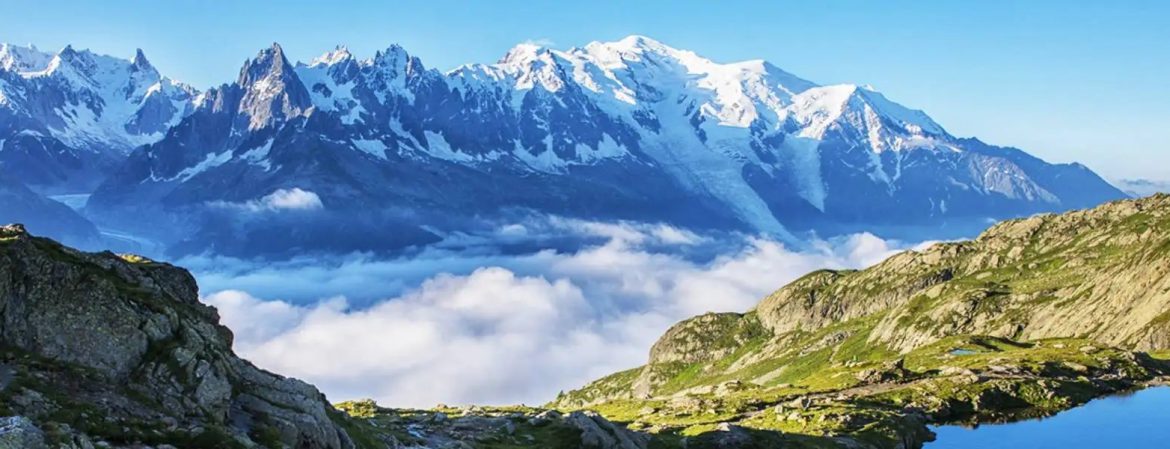
- Ganesh Himal region with lush green forests and snow-capped mountains.
- Road trip from Kathmandu to Syabrubesi to Chillemi and return from Dhading Besi to Kathmandu.
The Ruby Valley is a true gem of a trek hidden away in the Ganesh Himal Region wedged between Langtang National Park and the Manaslu Conservation Area. It is ruby valley named so due to the rich deposits of precious red rubies in the region. The highest altitude on this trek is the Pangsang Pass 3,842 meters (12,605 feet).
This region is mostly unknown to most visitors coming to Nepal. Along the trails, there are a number of exquisite views of the Ganesh Himal Range. You will also see Ganga Jamuna (the twin waterfalls) and Kalo, Seto, and Ganesh Kunda villages, hot springs and incredible geography with its unique flora and fauna.
This is also a cultural journey through villages rich in traditions of the various castes, giving you the experience of their way of life, their practices, culture, and language. Ruby Valley Trek has its route along Tamang and Gurung villages. The trekkers will enjoy the trekking in these villages and get to learn about the struggles and cultures of the people living in the remote part of the country. This trek will certainly give you a wonderful experience and a joyful homestay and camping on the lap of Himalayas. So, we will take full responsibility that our clients have the adventurous Himalayan experience.
Customize Your Ruby Valley Trek:
- This is a general itinerary, which can always individually be “tailormade”. The Ruby Valley trek package can be redesigned or redeveloped as per your taste, For more information please contact us.
12-Days Ruby Valley Trek Itinerary
We recommend that you schedule your arrival in Kathmandu in the morning or afternoon. This will give you enough time to relax and recover from jet lag before starting your adventure. Upon arrival at Kathmandu International Airport, our representative will meet you at the airport and transfer you to your hotel where you will be served welcome drinks. After you have freshened up, in the evening! Get familiar with your surroundings by taking a walk down the street. Visit to Thamel, the main tourist hub. Overnight at Kathmandu's in a Hotel.
In the morning, you will visit two UNESCO World Heritage Sites, Boudhanath and Pashupatinath, as part of a guided sightseeing tour. The tour lasts approximately 3 to 4 hours. In the afternoon, you will be briefed by your guide about the upcoming adventure. If you have any doubts, check your equipment and spend the night in Kathmandu.
After a warm and hearty breakfast, drive from Kathmandu to Syabru Besi (1460 meters) which takes about seven hours. You will pass through picturesque mountain scenery as you head north from Kathmandu to reach Syabru Besi, which is the headquarters of Rasuwa. Spend the night at the lodge with a hearty meal on the first day.
Today you will hit the trail for five to six hours and head to the distinct culturally rich village of Gatlang. Along the trail, you will meet the very friendly and warm Gurung people. On arrival at Gatling you will notice they are mostly farmers and have sculptured terraces into the hillside to grow crops such as potatoes and wheat. Gatlang is situated on a hillside. Where you will stay night in a guest house.
After breakfast, today you have a five-hour trek ahead of us with some fantastic views of the Langtang Himal Range, Ganesh Himal, Paldor Peak (5896m), and other surrounding snow-covered mountains. Where you will stay overnight in a guest house at Somdang.
After breakfast; today your hike to the lead and zinc Lari mine from where you have views of Paldor Peak and other mountains in the Ganesh Himal Range. It is important and recommended by medical professionals, to stay active during your time acclimatizing. Tonight you will again stay at Somdang.
This morning you have a seven-hour trek to Pangsang Kharka which is southwest of Somdang Village and offers magnificent panoramic views over the broad landscape in all directions, including the towering peaks of Manaslu and the Ganesh Himal Range. Where you will tented camping at Tipling also affords some spectacular scenery.
Today you will begin by descending to the Adha Khola (river) and on to the villages of Shertung and Chalish that overlook the rich fertile soils and fields down in the valley. Shertung is inhabited mostly by Tamang. The name Shertung in Nepali means 'place of gold'. Tonight you will stay overnight in a lodge or tented camp.
After breakfast you follow the trail for around 30 minutes to Chalish Gaon( Village) and then on to Tatopani therapeutic hot springs that should take another one and a half hours. You will spend a few hours relaxing in the hot water before returning to Chalish Gaon for the night.
This morning you will trek for 30 minutes to Mani Danda where you have incredible views over the Ganesh Himal Ranges. The trail continues across the hills and on to Deul Danda, Gobre, Chhap Danda and Bandari villages. Tonight you stay overnight at Jharlang.
Today the trail descends for two and a half hours to Jharlang Phedi past terraced fields, lush landscape and across several suspension bridges. Along the trail you will have some great views of Ankhu Khola and Chyamchyat and Ri villages. Overall, your trek today is about six to seven hours. You will stay overnight at Darkha Gaon.
Your trek starts with a 45-minute walk to Darkha Phedi where you take a local jeep heading to Dhading Besi. The drive will take about three to four hours crossing the Ankhu Khola (river) as well as Kimdang Phedi, Katunje, and Jyamrung villages. On the drive, from where you will be able to take in the surrounding scenery. After arrival at Dhading Besi, you will take a Five-hour bus trip back to Kathmandu.
Thank you for joining us on Ruby valley trek and it has been a pleasure getting to know you during this time. We hope this venture has enriched your experience with happy memories. You will be assisted in your last minute preparation. Our representative will take you to Tribhuvan International Airport three hours before your scheduled flight. Keep in touch. Safe Journey!! We hope to see you again.
Ruby Valley Trek 13-Days Cost Details
Cost Includes
- On the trekking route: Full camping setup (kitchen tent, dining tent, toilet tent, table, chairs, and more for your comfort.
- Twin-sharing accommodation at Hotel in Kathmandu for 3 nights
- All guide, cook, Sherpa, and porter expenses, including meals, transportation, tent camping accommodations.
- Freshly prepared meals (B, L, D) with boiled water, tea, coffee etc.
- Accommodation at lodge/ teahouse and Tent camp during the trekking
- Experienced local trek guide with 1:4 assistant guide to client ratio
- Full support camping crew with number of porters to carry load equipment.
- All camping logistical arrangements for your comfort
- All private ground transportation including airport transfers
- All required permits for the trek (TIMS Card & National Park Fees).
- Duffle bag for porter use (1 duffel bag per trekker)
- Comprehensive first aid kit with high altitude medicine
- Trekking Area Map, and Water Purifications Tablet
- Staffs salary, food, equipment, and insurance, included on-trip cost
- Official expense, all local and government tax and VAT.
- Sleeping bag if needed (it is refundable)
Cost Excludes
- International flight tickets and Nepal entry visa fee
- Lunch and Dinner in Kathmandu during stay
- Disembarkation Airport Tax in Nepal - approx. US$ 24. al equipment
- Personal hiking equipment
- Personal expenses. Additional expenses due to unforeseen circumstances such as other events beyond control.
- Drinks except tea and coffee. (Bar Bill, laundry and telephone calls.)
- Travel Insurance: Liability of insurance against any kind of medical expenses etc.)
- Emergency rescue evacuation if needed
- Tips for treks guide and porter (it is appreciated)
13-Days Trip Cost Details
- The trip cost always depends on group size, hotel accommodation category and client’s desire budget
- The included itinerary is a guideline and standard pattern which AlpineTrav you. This trip itinerary can be modified according to your time and requirements
- The itinerary shall be changed after an understanding between both AlpineTrav and the client. Additional activities could be either added or reduced as per client’s request before the trip confirmation
- Price shall be adjusted in our mutual understanding, if the client intends to add some services we shall charge him/ her for those additional services and if he/she intends to lessen some services, we shall wave the charges accordingly
- The Ruby Valley Trek itinerary has been published in 3-star hotel and teahouse/camping services for better understanding of the customers.
Please contact us on WhatsApp: +9779860751012 for any information about in your selected package.
Useful Info
Please take care to note: Every effort will be made to keep to the above itinerary; however, since this adventure entails traveling in remote mountainous regions, we cannot guarantee that we will not deviate from it. Weather, the health condition of a group member, unexpected natural disasters, etc., can all contribute to changes in the itinerary. The trek guide will try to ensure that the trip runs according to plan, but please be prepared to be flexible if required.
Accommodation
You will be accommodated in 3-star hotels in Kathmandu. During the trek, you will be staying at lodges/ teahouses. You may find net and clean teahouses – You will be staying at a teahouse/ tent in higher elevation.
Meals during the trek
In Kathmandu, breakfast is included at your hotel, while all meals (breakfast, lunch and dinner) will be provided during the trek. The staple food in the Ruby Valley region is potatoes, oats, buckwheat, Sherpa stew and Tibetan bread. At high altitudes, there is limited food options, except for many potato dishes. Potatoes are high in carbohydrates – an excellent source of energy needed at high altitudes.
Transportation
We use a private car for sightseeing and for the airport to hotel pick and drop off and we will use public transportation or local buses during the trek.
Physical fitness
This can be a challenging trek where you often have to walk 6-7 hours a day. You need past experience of hiking or trekking but if you have done any kind of trekking activities then it is always a plus!, which the only difficult part is when altitude sickness strikes and the effect that it can have on your body. Before leaving for Nepal it is good if you can prepare yourself physically by increasing your stamina and oxygen intake.
FAQs About Ruby Valley Trek
The Ruby Valley Trek is a relatively new and unique trekking route in the Ganesh Himal region of Nepal. It takes you to the picturesque and culturally rich Ruby Valley, offering stunning views of the surrounding mountains and the opportunity to experience the unique culture and lifestyle of the local communities.
The duration of the Ruby Valley Trek may vary depending on the specific itinerary and your fitness level. Typically, the trek takes about 10-14 days to complete. It involves trekking through various villages, forests, and terraced plains, as well as exploring the natural and cultural attractions of the region.
The Ruby Valley Trekking is considered a moderate trek, suitable for trekkers with a reasonable level of fitness. The trails involves some uphill and downhill sections, as well as walking on uneven paths. However, it does not require any technical climbing skills or previous high-altitude trekking experience.
The best time to trek Ruby Valley is during the spring (March to May) and autumn (September to November) seasons. These months offer pleasant weather, clear skies, and beautiful landscapes. It is advisable not to travel during the monsoon season (June to August) due to the possibility of heavy rains and slippery paths.
Yes, you need a permit to trek in Ruby Valley. The trek falls under a restricted area, so you will need to obtain a special permit called a “Restricted Area Permit.” This permit can be obtained through a local trekking agency registered in Nepal.
While it is not mandatory to hire a guide and porter for the Ruby Valley trek, it is recommended, especially if you are unfamiliar with the area or have limited trekking experience. A guide can provide valuable information about the trek, local culture, and ensure your safety. A porter can carry your heavy bags, so you can trek lighter and enjoy the journey.
Accommodation during the Ruby Valley trek is basic and usually consists of teahouses or guesthouses located along the trail. These rooms offer simple rooms with shared facilities such as bathrooms and toilets. The teahouses also provide food, including local and basic international cuisine. It is advisable to carry some snacks and water purification tablets with you as food and water availability may be limited in some areas.
The Ruby Valley trek does not involve hiking at very high altitudes, so the risk of altitude sickness is minimal. However, it is important to acclimatize well, especially if you are coming from a lower altitude. Take rest days, drink plenty of water, and listen to your body to avoid any altitude-related problems.
Yes, it is possible to do the Ruby Valley trek alone. However, it is recommended to have some hiking experience and be well prepared. Hiring a guide can provide additional safety and navigation support, especially in remote areas. Make sure to inform someone of your hiking plans and carry a reliable map or GPS device.
The following information will give you some ideas on what to bring for a hike. It is important not to forget the essential items, as this will determine your comfort and safety on the hike. Equally important is that you do not burden yourself with unnecessary equipment on the hike. That is why we have listed some below.
General
- All season sleeping bag and down Jacket
- Duffle bag
- A wind and waterproof thin layered jacket
- Daypack
Upper Body- Head / Ears / Eyewear
- A pair of half gloves
- A warmer hat that covers the ears
- Sunglasses
- Neckwarmer
- Sunscreen (35 to 60 SPF)
- Headlamp and an extra set of batteries
Hands
- A pair of half gloves for walking poles(if you prefer)
- Warmer shell gloves and liner
Upper Body
- long sleeve t-shirts
- Thermal tops
- wool jacket or pullover
- Sports bras for women and girls
- Water and windproof shell jacket
Lower Body
- Thermal underwear (especially trousers)
- windproof and waterproof trousers
- warmer trousers
- Comfortable trekking pants
- Extra casual sport pants
Footwear
- A pair of good waterproof trekking boots
- Pair of sandals
- 4-5 pairs of woolen socks
- Sock liners
- Light shoes and sneakers
- First Aid Kits and Medicines
- Assorted adhesive bandages (fabric preferred)
- Blister treatment cream or similar
- Insect / anti-itch ointment
- Ibuprofen or other pain-relief medication
- Diamox (125mg to 250mg tablets for altitude sickness)
- Warps, splints, and wound coverings butterfly bandage
- Water purifying pills
(Note that our guide will carry medicine and first aid kit during the trek. However, we recommend that you bring your own personal first aid kit as well)
Miscellaneous – but must useful on the trek
- 4 passport size photos with original passport
- Water bottle & filter
- Flight details
- Bathroom kit (conform, should be included toilet paper, plastic bags, hand wipes, towel, and soap, etc.)
Extra things
- Comfortable trekking poles
- Quality energy dry foods (up to you)
- Power bank and music players
- Camera (memory card, chargers, and extra batteries)
 Nepal
Nepal